
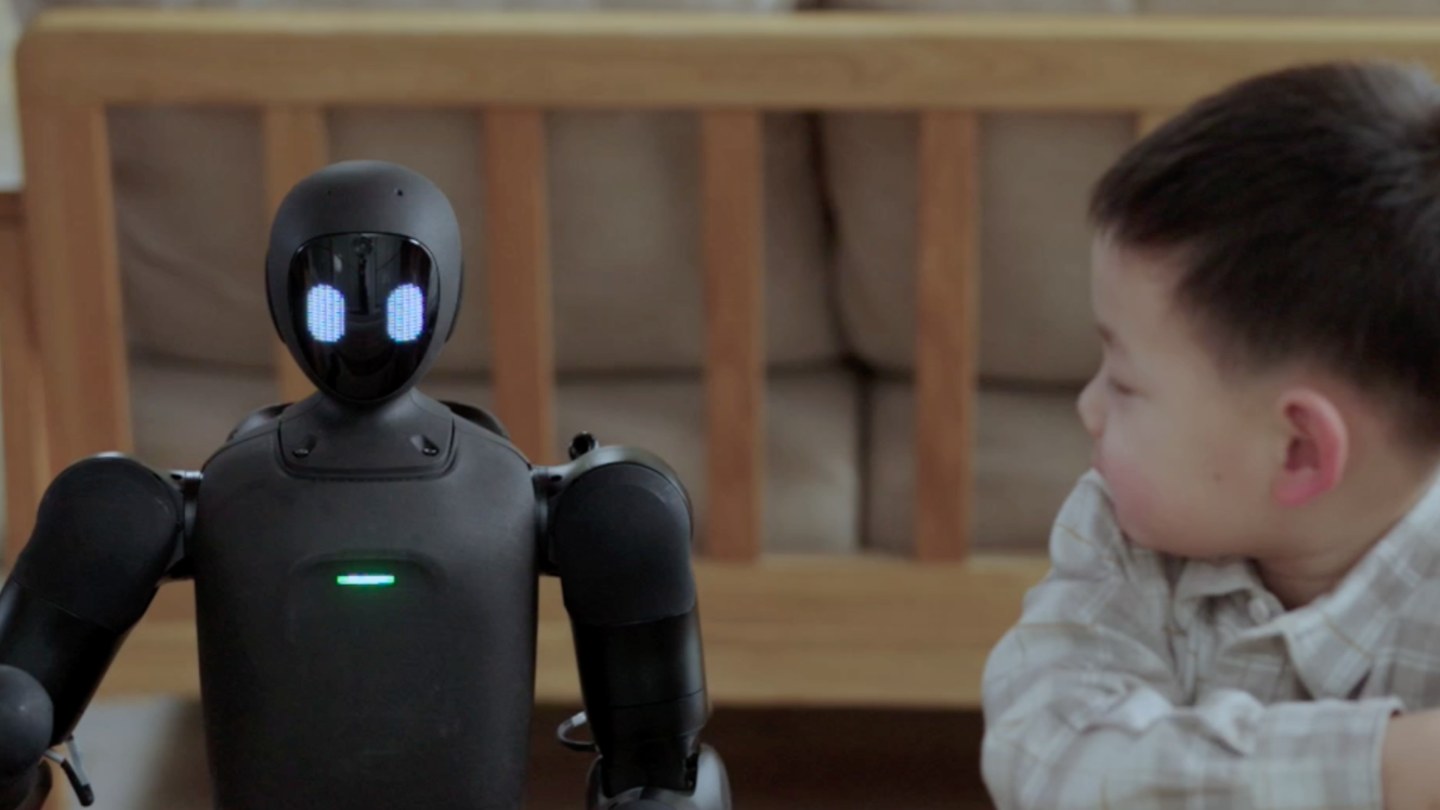
The robot in the photo folds into a backpack. On Sunday, its maker finished the ten thousandth one.
PrimeBOT calls the Q1 a personal robot, and that actually fits, because it’s sized like a kid, not a forklift. The 10,000th unit rolled off the line on November 8, two weeks after the 5,000th. A lot of humanoid robot stories stop at three prototypes and a promise. This one’s running at a stated pace of 240 finished robots a day. The count is public.
Two weeks from five thousand to ten thousand
PrimeBOT started handing the robots to buyers on October 1 in seven Chinese cities, Shanghai, Shenzhen and Hangzhou among them. Six weeks later the count hit five figures. Liu Dongfang, who runs the Q division, called the 10,000th unit the moment personal robots start showing up in real homes.

The headline number is fun, but the part that’s actually useful is the pace, and whether it holds once real buyers are in the mix.
Doubling output in fourteen days means the line, the parts supply and the quality checks all held up while the speed doubled. That’s the usual breaking point. The robots ride a line PrimeBOT built with Lens Technology, which the company says is proof a humanoid can be built like a phone, not a science project. It’s still an open question whether buyers keep coming, and PrimeBOT hasn’t published sales figures yet.
Small enough to fold into a backpack
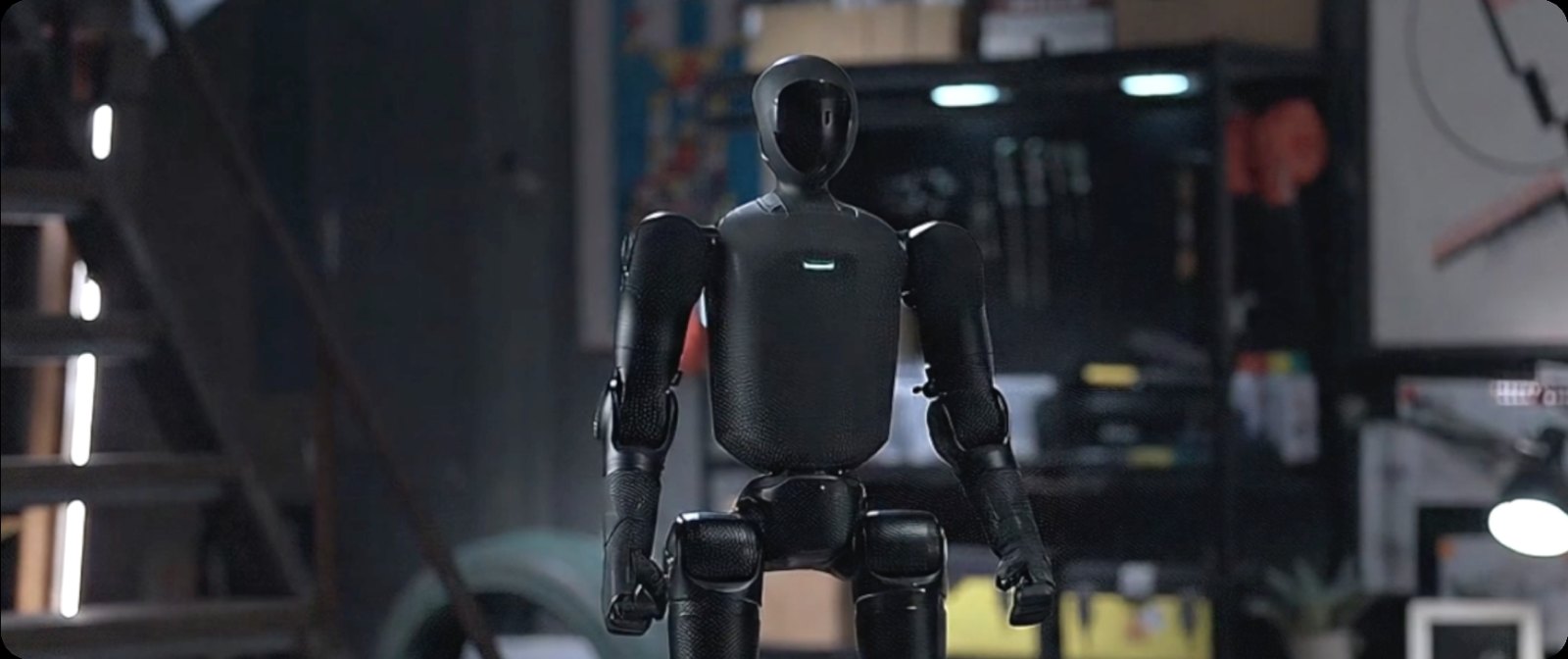
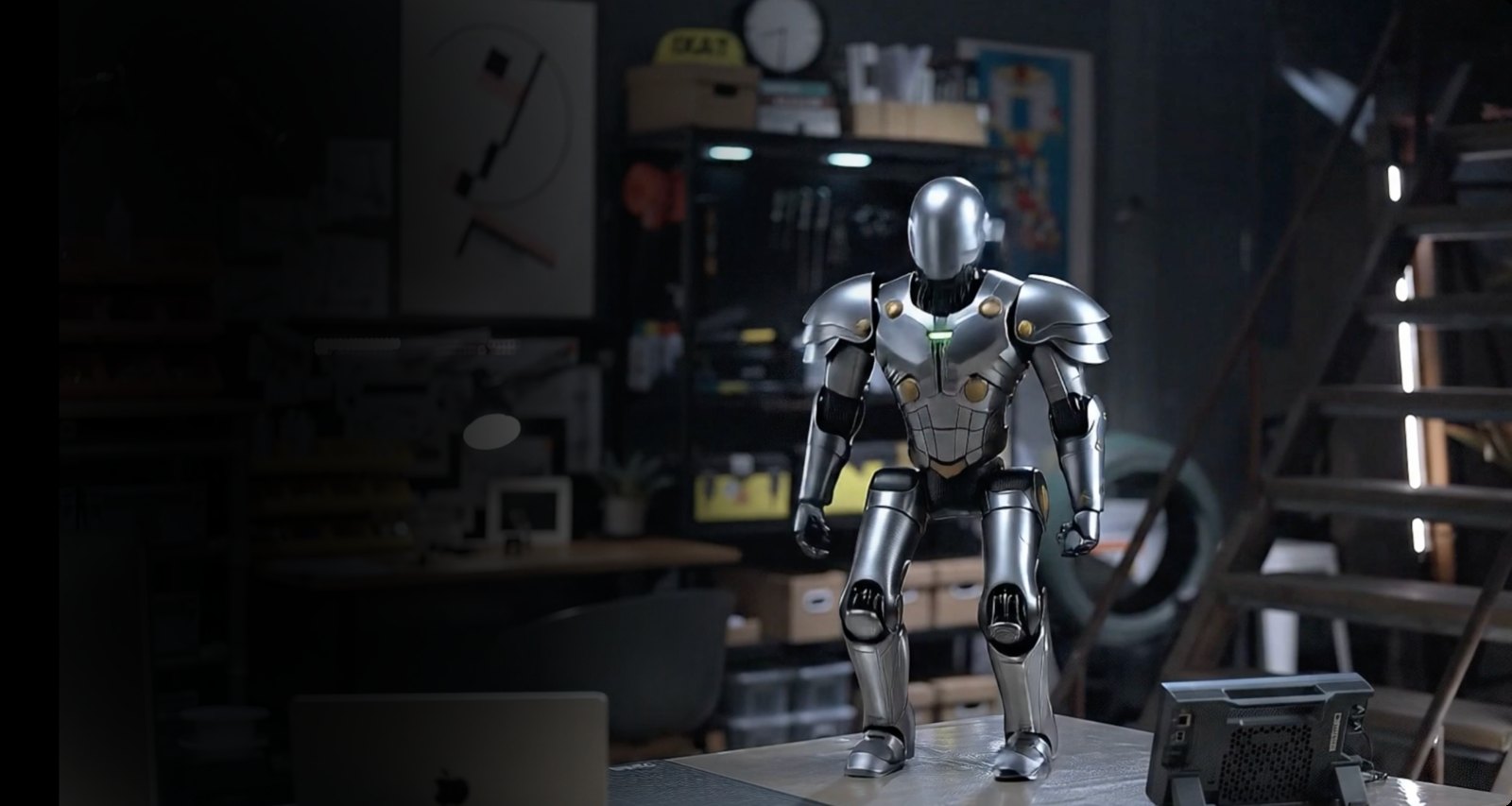
The Q1 stands 88 centimeters and weighs about 15 kilograms, so it comes up to a small child’s shoulder and rides in a backpack once it folds down. Twenty-two joints move under force control, and that’s why the maker’s films show stretches, dance steps and martial arts forms instead of the stiff little shuffle most humanoids manage. Every joint gives a little when it meets resistance, so the robot pushes back like something alive instead of clanking into the furniture.
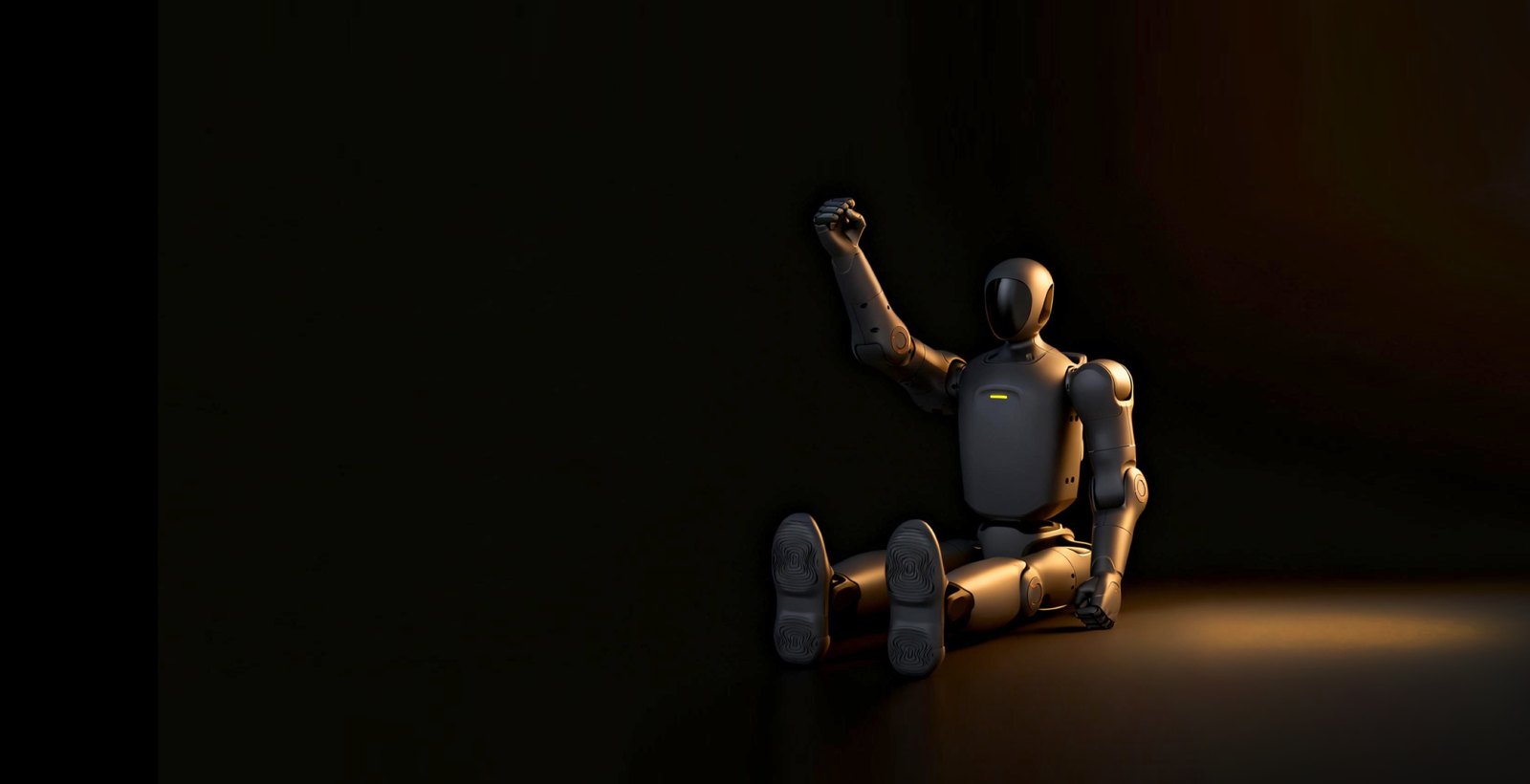
The face’s a black visor that stays dark in the studio photos and lights up with two pixel eyes when the robot’s awake, plus one small light bar on the chest. That’s the whole face, and somehow that’s enough.
You can restyle yours, too. The shell comes apart for custom panels, and PrimeBOT wants you to program it and restyle it, not treat it like a sealed appliance. It ships with personalities, and software updates have already added new ones since launch. The idea’s a robot that keeps up with your hobbies: part toy, part project, part pet.
Meet the T1, which stands about a meter tall and can’t decide what it’s for, so it does both. It rolls around the house on wheeled legs, then drops onto four legs for rough ground outside, all on one shared chassis. PrimeBOT unveiled it at WAIC in July.

Built to be lived with, not parked in a lab
Before the sale started, the Q1 spent time in more than 1,200 real homes on a beta test, and that’s the most useful thing a robot company can do. Living rooms break robots in ways labs never think of. Toddlers grab arms. Rugs eat wheels. Chair legs show up out of nowhere, and the Wi-Fi dies in exactly the corner the robot likes best. A beta that size means a lot of those everyday messes got fixed early.

PrimeBOT says owners keep theirs switched on for about three hours a day and interact with it more than a hundred times daily, with monthly activity above ninety-eight percent. Those are the company’s own numbers, shared without an outside audit, so treat them as the company’s claim. Even so, that’s worth a look, because novelty robots usually end up in a drawer inside a month. People aren’t unplugging this one after a week.
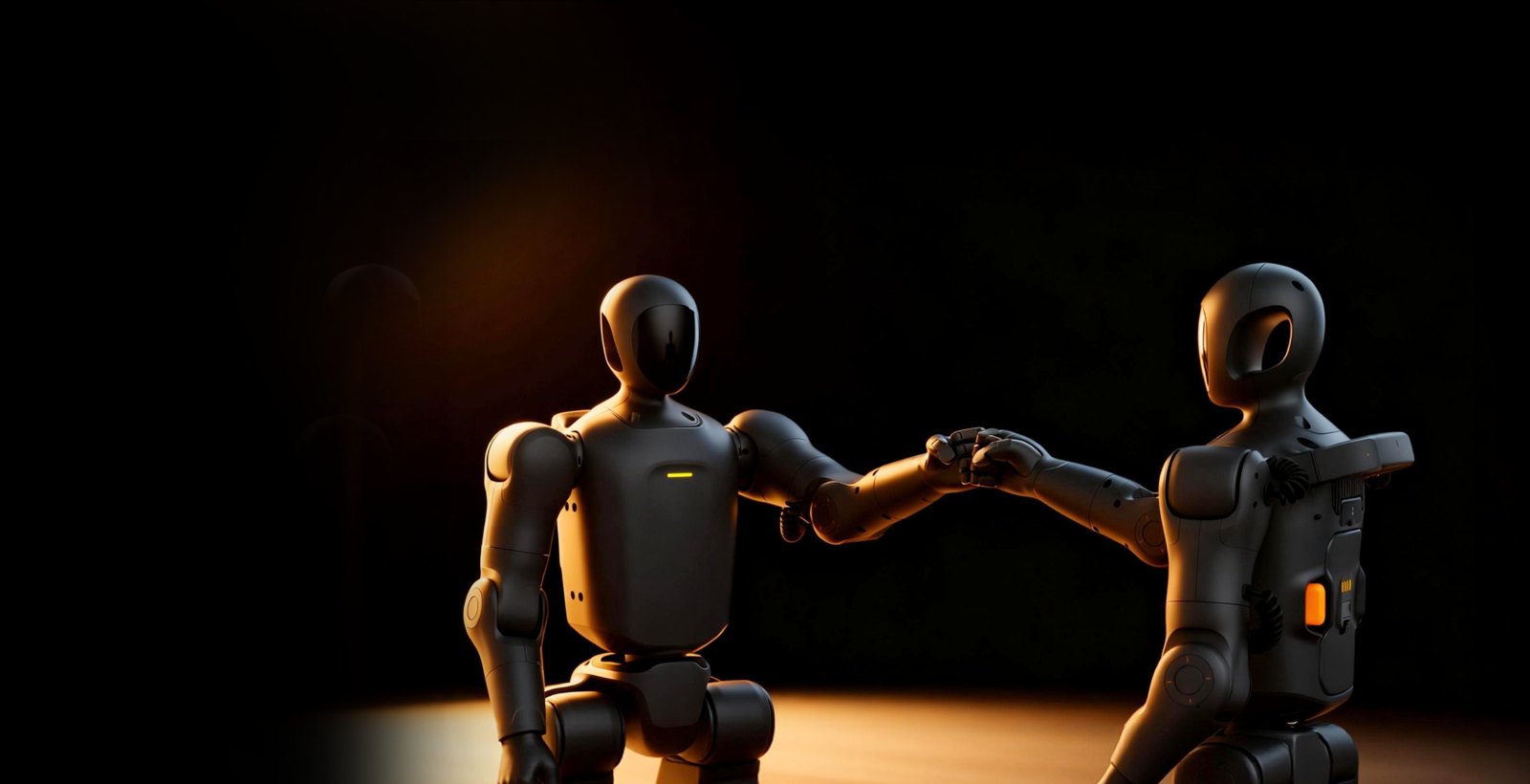
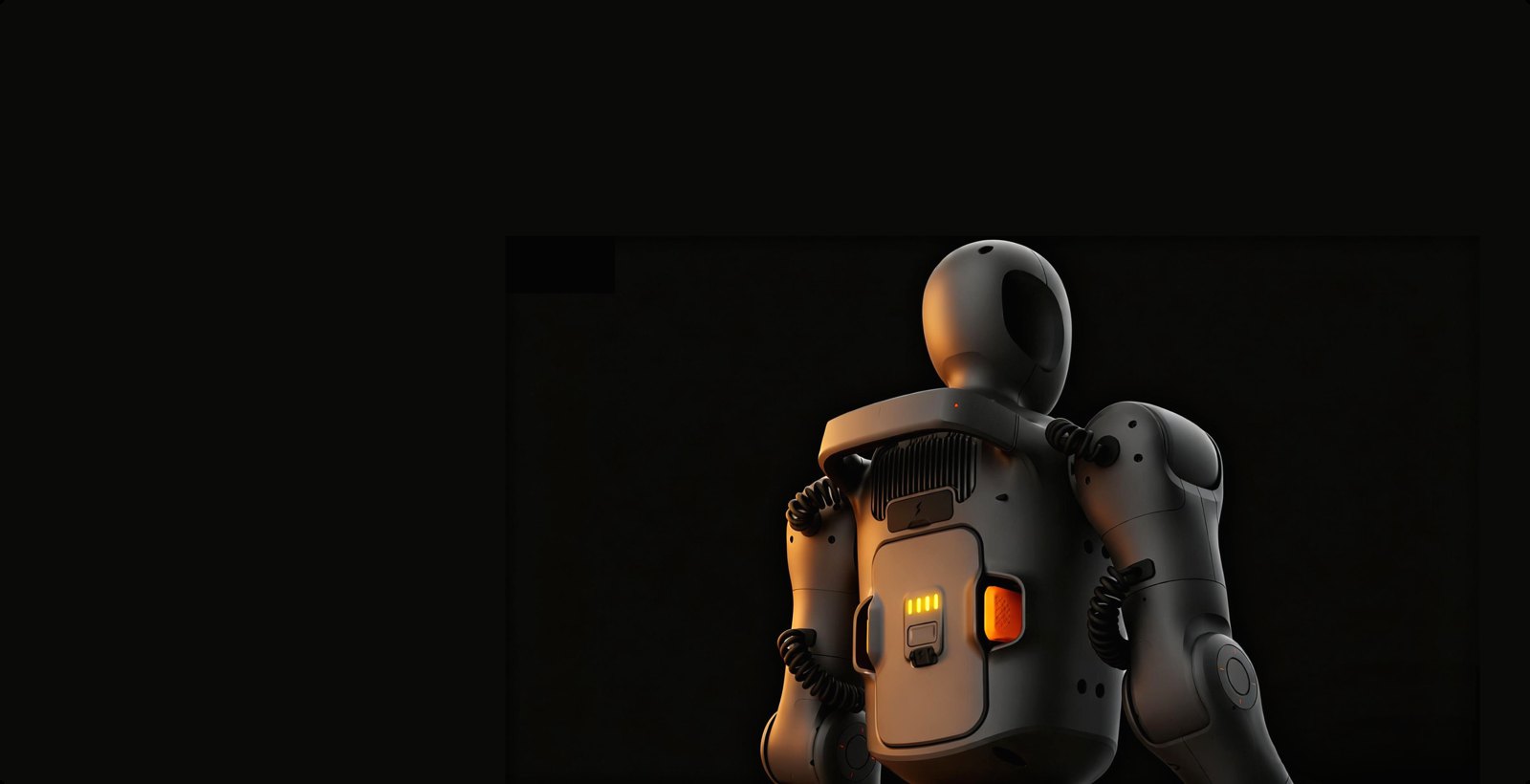
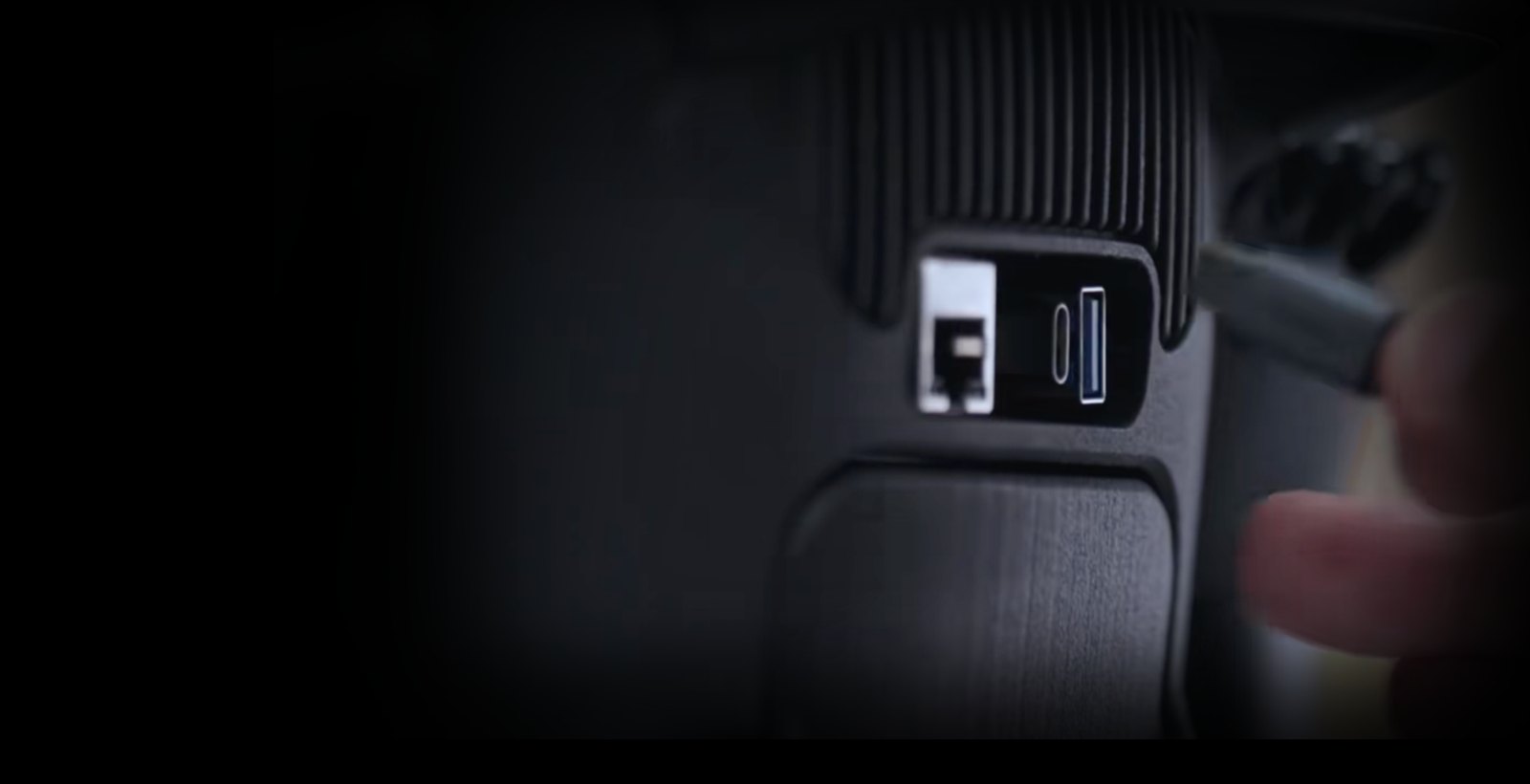
There’s also hardware that’s meant to be lived with: a battery pack that slides out of the back, charge lights you can read at a glance, and real ports.

Both robots start at $2,989 in China, and sales run through PrimeBOT’s own stores alongside experience shops in those seven cities. That’s flagship-phone money for something that dances, poses for the camera and keeps you company. It isn’t a factory purchase. It’s a household one, the kind you’d talk through at a kitchen table, like a new phone or a bike.
Here’s the decision I’d tape to the box. Buy a Q1 if you want a character: a small robot that learns tricks, wears your custom shell and makes a desk or a porch more interesting. Skip it if you want help.
It won’t fold laundry, carry groceries or clean anything, and it doesn’t pretend to. Ten thousand built says the factory part works, and the next number to watch: how many stay switched on.