

The Audemars Piguet Code 11.59 Minute Repeater Supersonnerie makes its case through a smoked sapphire dial, before the watch makes a single sound. You see the chime before you hear it.
Behind the gray tint, the racks, levers and wheels of the chiming mechanism sit in shadow behind the glass, close enough to watch as they work and too dark to read at a glance. Slide the repeater on the case flank and the whole sequence starts moving. Hours come first, then quarters, then minutes.
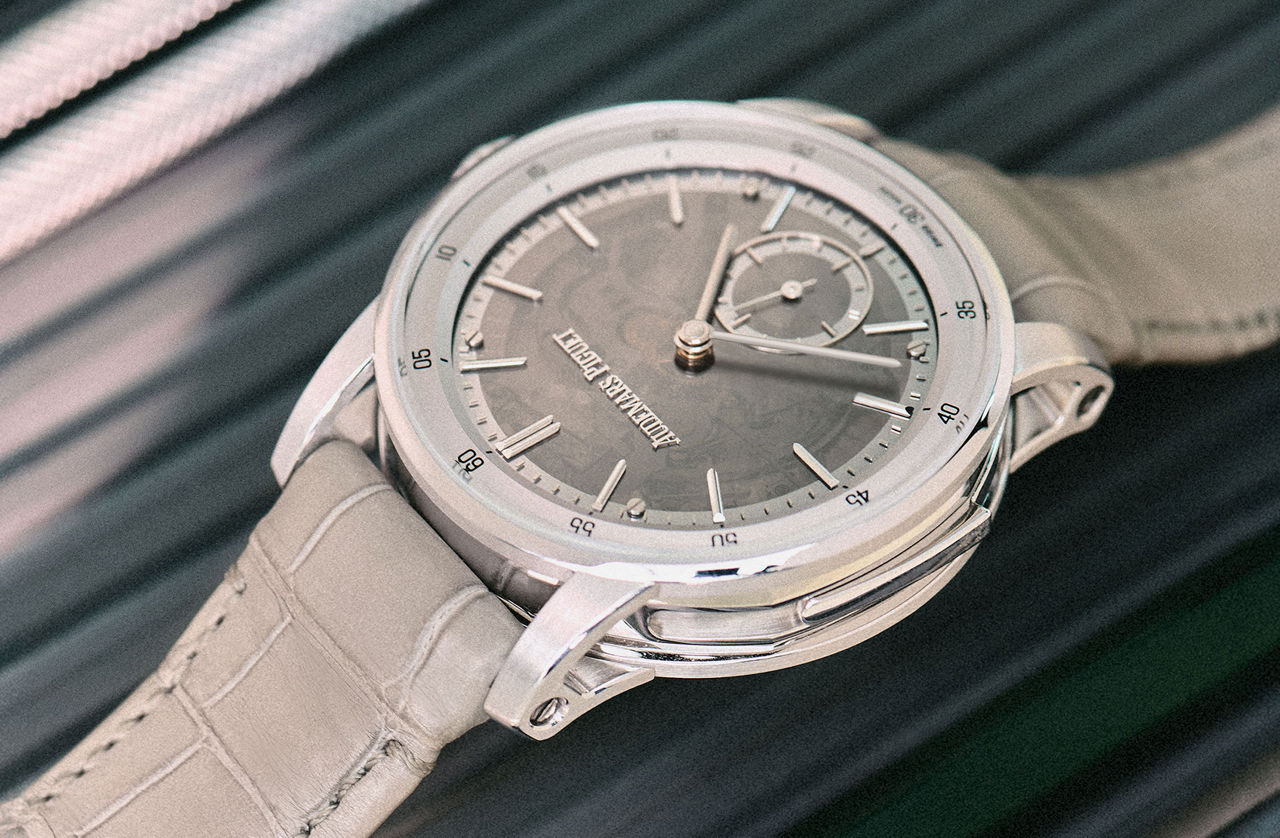
AP cuts the dial from sapphire and smokes it gray. The tint darkens toward the edges while the center stays open enough to show the movement’s dial side, and the minutes track is built up by galvanic growth, giving the flat glass a raised, textured edge. The rim around the small seconds counter gets the same galvanic treatment, so the subdial stands apart, its own small instrument.


White gold baton hands and hour markers cross the dial without lume, so legibility leans on contrast and polish rather than glow. No date window crowds the layout, and no second complication shares the stage with it. What you get instead is depth, layers of darkened metal and perlage that shift as your wrist turns and the light changes across the glass, with the small seconds ticking away at six o’clock.
The sound is built into the case, not bolted onto it
A conventional minute repeater hangs its gongs on the movement’s mainplate, and the case then muffles whatever the hammers manage to produce. Supersonnerie moves the gongs onto a dedicated soundboard instead, a separate device that resonates like the top of a guitar and projects the strike outward. The caseback serves as that soundboard, with fine openings cut into it that form a resonance chamber behind the movement. The case is the speaker.
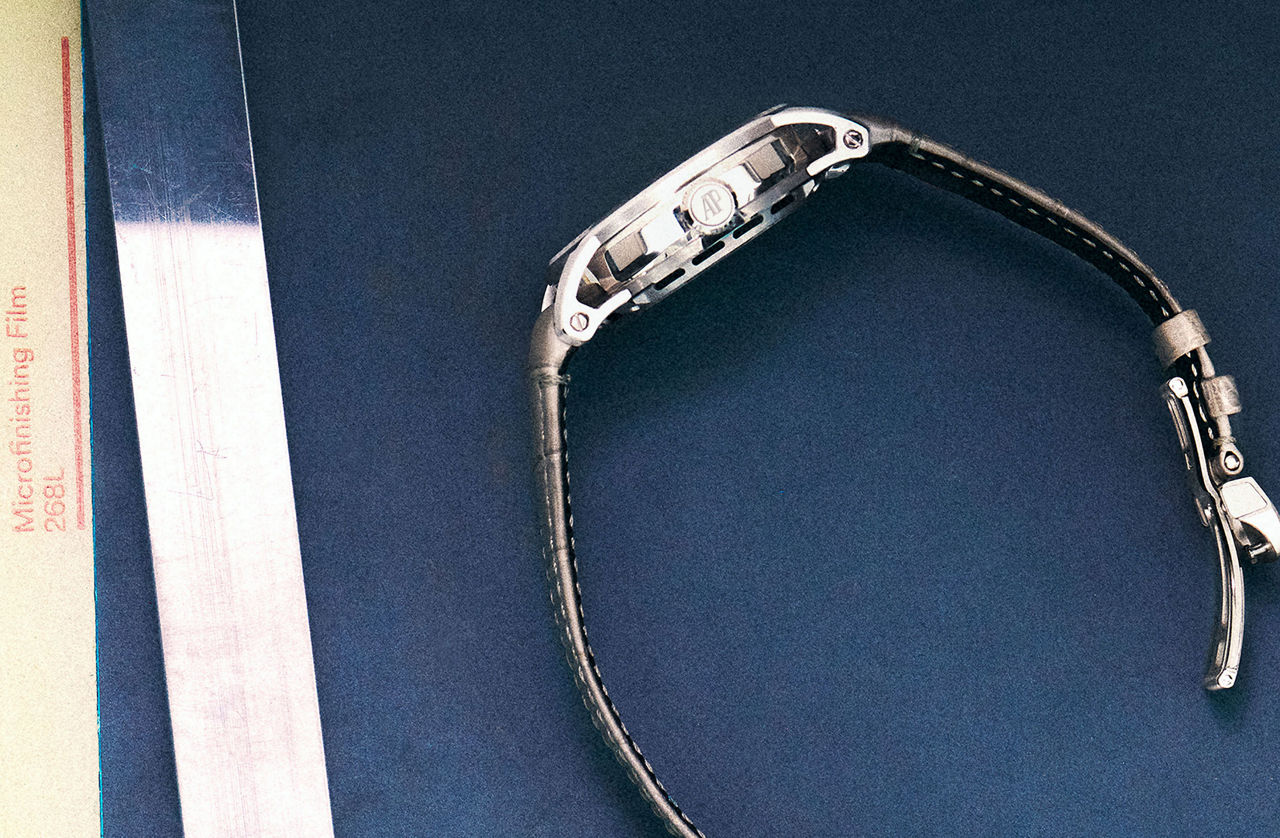
The system took eight years to develop, with AP watchmakers working alongside musicians and researchers from EPFL in Lausanne on tone, volume, harmonic balance and the decay of each strike. Its striking regulator uses a more flexible anchor system that swallows the mechanical clicks and whirs a repeater usually makes between its notes. What’s left is the sequence itself, hours on the low gong, quarters on both, and minutes on the high one.
Volume drives the whole exercise, since a wristwatch repeater fights physics every time it tries to sound like a clock across a room instead of ticking quietly on a wrist. The soundboard gives the gongs a larger vibrating surface than a mainplate ever could, and the openings in the caseback give that sound a way out. AP tunes each watch by ear in Le Brassus.
Calibre 2953 and a case polished end to end
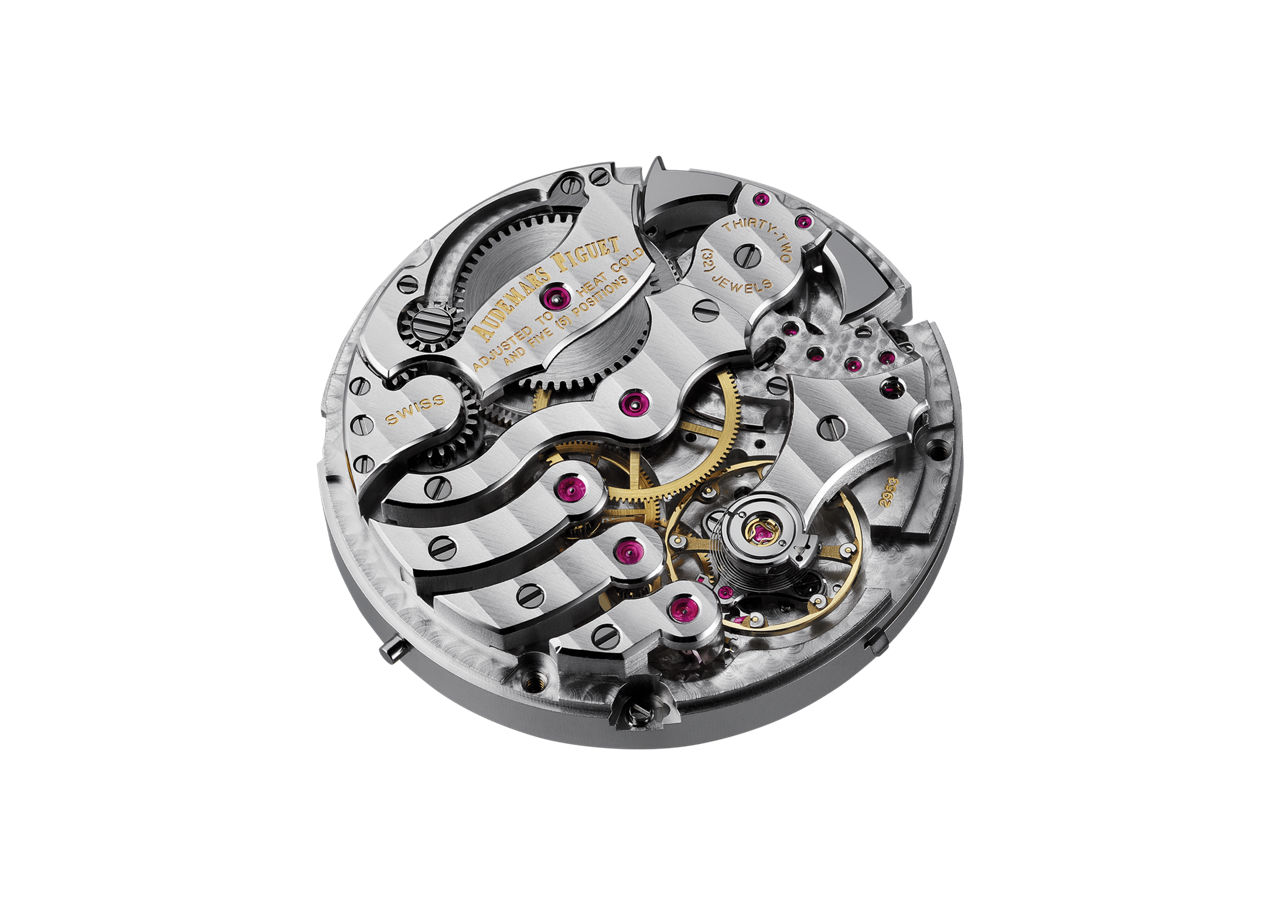
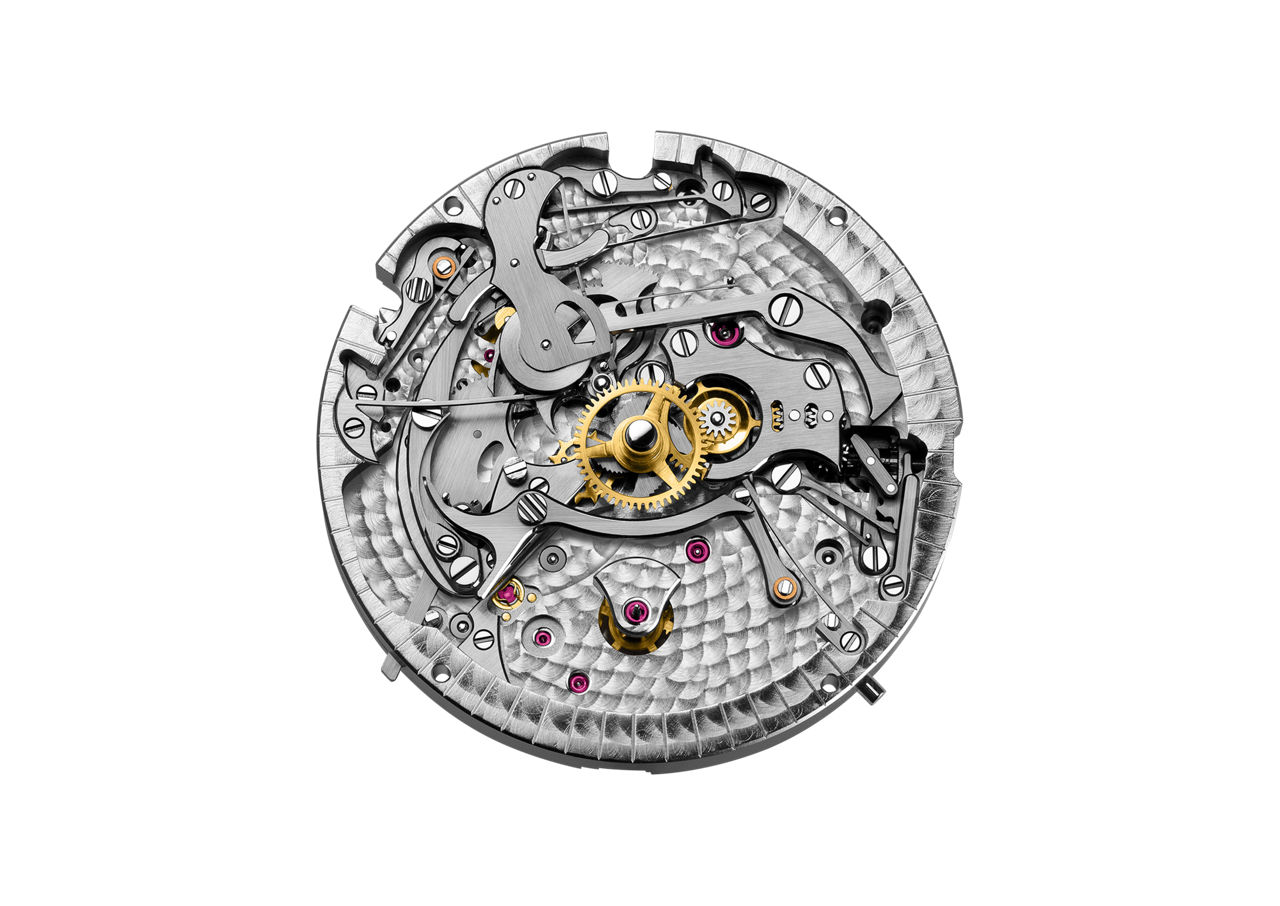
Inside sits calibre 2953, a hand-wound movement measuring 30mm across and 6mm thick, built from 362 components and 32 jewels, every one of them visible somewhere through the smoked glass or the caseback openings. It runs at 21,600 vibrations per hour and holds a 72-hour power reserve, so a watch wound on Monday morning is still chiming on Thursday without a second thought. The striking racks sit on the dial side, facing the glass.

The case is 41mm of 18-carat white gold and 13.6mm thick, and the case middle is polished in full rather than split between finishes. A double-curved, glareproofed sapphire crystal caps the dial, and the watch rides on a gray alligator strap with large square scales, closed by a white gold AP folding clasp.
AP also supplies a gray textured rubber strap on request, a quiet admission that owners actually wear these watches out in the world. It’s jewelry until it speaks.
What a repeater asks of the wrist that wears it
None of that engineering buys you toughness, and the numbers say so plainly: water resistance is 20 meters, which covers rain and handwashing and nothing beyond them. This is a watch you take off before the pool, the boat and the shower, every single time. The tradeoff is the oldest one in chiming watches, since a case sealed tight enough for swimming would strangle the sound the construction exists to release. Twenty meters is candor, not a flaw.
Daily reality also means planning around the strap, since gray alligator and water don’t mix and the rubber option exists for exactly that reason on wet days and humid summer evenings. You’ll swap straps more than you’d expect. None of that makes the watch fragile, it just makes it deliberate, a piece you put on with intent rather than one you grab on the way out the door.
At 41mm with polished flanks and openworked lugs, it wears smaller than the spec sheet suggests, though 13.6mm of height still catches a cuff and reminds you it’s there. Winding is part of the ownership deal too, because a hand-wound repeater that’s run down is just silent jewelry until you feed it. None of this is hidden or apologized for.
The bottom line
The Code 11.59 line has spent years in the Royal Oak’s shadow. This white gold repeater is the strongest version of it AP has built so far, and it isn’t close. A repeater you can watch working while it chimes offers a different pleasure from one you only hear, and the polished white gold keeps the whole thing restrained.
AP lists the price on request. At this level the conversation starts at a boutique with an appointment, not at a checkout page on a website.
Buy it if you collect chiming watches and want the mechanism where you can see it, in a case you can wear daily. Skip it if your life involves water, hard knocks or any expectation that a watch should be low maintenance. For the right wrist, nothing else in the range does this.