
Some hotels are designed, and some are decided. These five were decided. Each started with a strong opinion about how a building ought to behave, and the opinion survived the accountants, the brand standards and the value engineers. A townhouse in Stockholm that runs like a friend’s house. A music academy in Copenhagen. A brewery in Texas. A solar bunker on the Oaxacan coast. A concrete whisper in the Utah desert.
I chose them the way I choose for my own trips. The architecture is the amenity. The room count stays human. The person who made the place would still recognize it. And the idea behind it is still legible from the bed at 1 a.m., which is when most hotel design quietly gives up.
1. Ett Hem, Stockholm

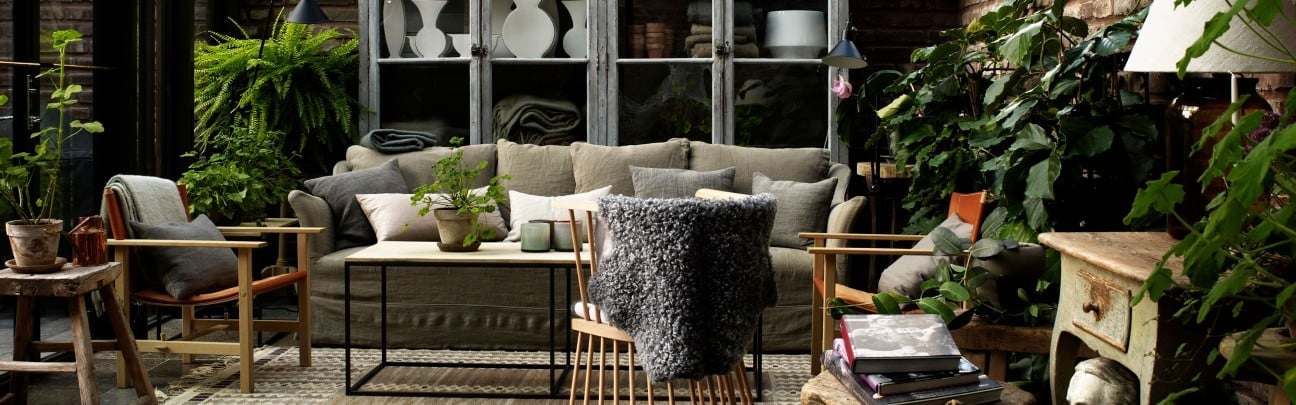
Ett Hem means “a home,” and the name is a working instruction. The house went up in 1910 on Sköldungagatan in Östermalm, designed by Fredrik Dahlberg for a government official and his wife, who filled it with Swedish craft and textiles in the spirit of Karin Larsson. A century later Jeanette Mix bought it and brought in Ilse Crawford’s Studioilse to turn it into a hotel that refuses to act like one.
No front desk. Guests wander into the kitchen, pour their own coffee, eat when they feel like it, and treat the glasshouse in the courtyard garden as one more living room. The interiors mix Svenskt Tenn fabrics and Georg Jensen pieces with antiques Mix collected across Europe, layered over the house’s original 1910 bones. Nothing matches, and everything belongs.
It’s the hotel I send people to when they tell me they hate hotels. The catch is arithmetic: a house this small, at the top of Stockholm’s rate card, books out far ahead.
2. Nobis Hotel, Copenhagen

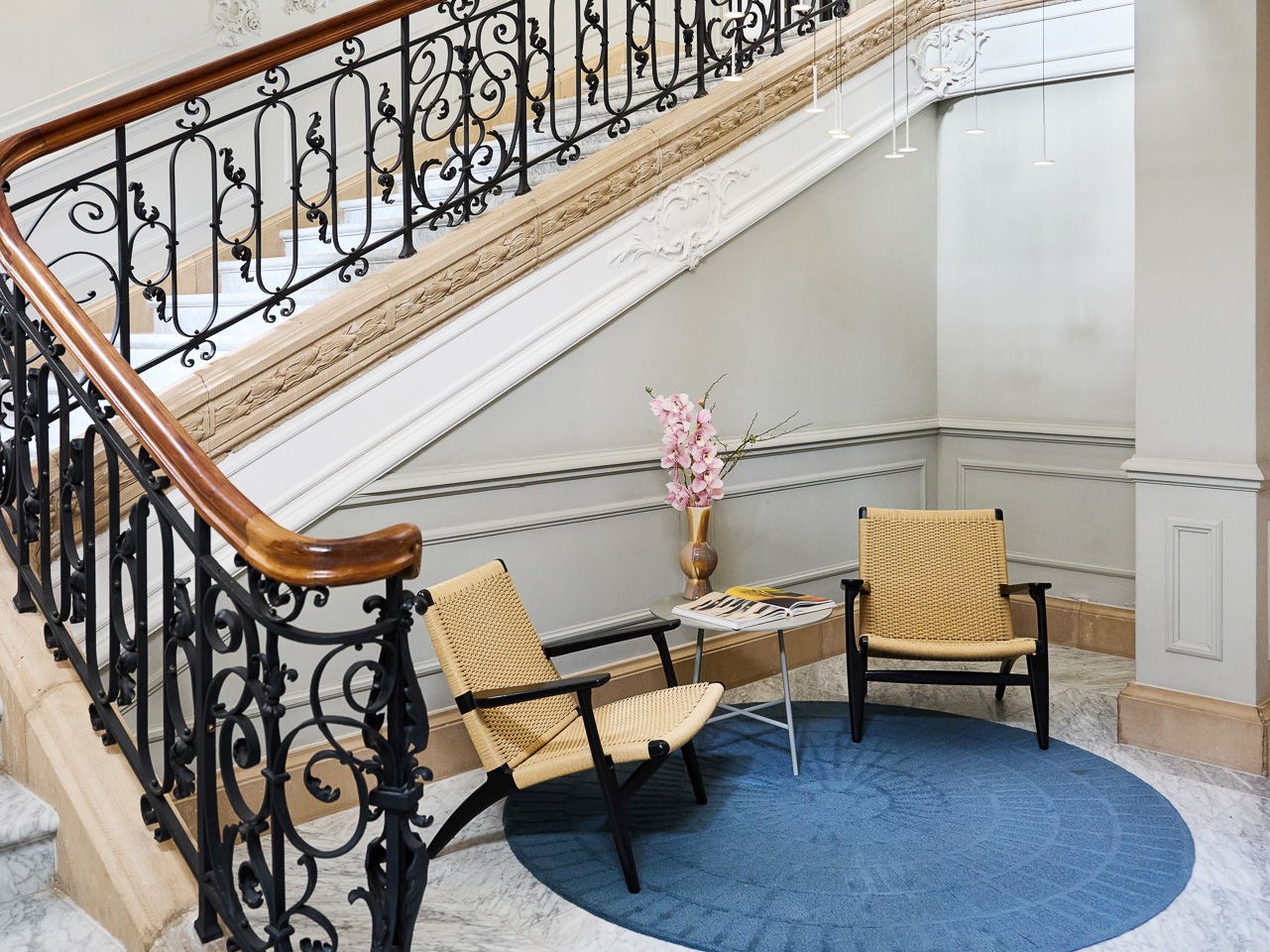
The building came first, in 1903, from architect Martin Borch, and it spent a century as the Royal Danish Academy of Music. It was also one of Copenhagen’s earliest concrete structures, which makes its wedding-cake plasterwork a small engineering joke. Gert Wingårdh and his studio converted it for Nobis, keeping the grand staircase, the proportions and the hush.
The 75 rooms run calm: blue-green walls, chevron floors, marble bathrooms, tall windows that remember when the rooms were practice studios. NOI, the restaurant, sits in the 1960s annex. Tivoli and the Glyptotek are a short walk away, not that the lobby gives you much reason to hurry out of it.
This is the one I’d book when the plan is dinner and walking.
3. Hotel Terrestre, Puerto Escondido

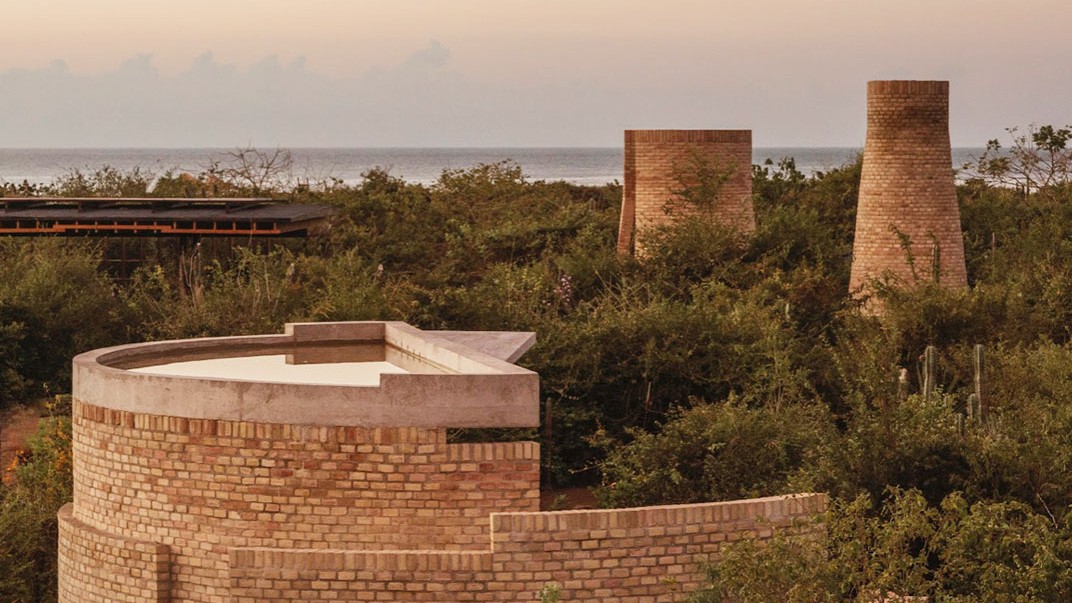
Alberto Kalach built Terrestre for Grupo Habita on the coast at Punta Pájaros, west of Puerto Escondido, and he built it like a settlement rather than a resort. Fourteen villas stand in two stepped blocks, every one identical, because Kalach and Habita’s Carlos Couturier decided the usual hierarchy of room categories was a bad idea. Local brick, clay and concrete do all the work.
The hotel runs entirely on solar power, off the grid. There is no air conditioning. Slatted walls, cross-ventilation and ceiling fans handle the heat the old way. Each villa gets a terrace, an outdoor bathroom and a rooftop plunge pool facing the Pacific. There are no televisions.
Book it if your ideal evening is a hammam built from the same brick as your room, a long dinner under the palapa and the sound of the surf doing the night shift. If you need a screen, a minibar and a frosty room, Terrestre will feel less like a hotel and more like a dare.
4. Hotel Emma, San Antonio

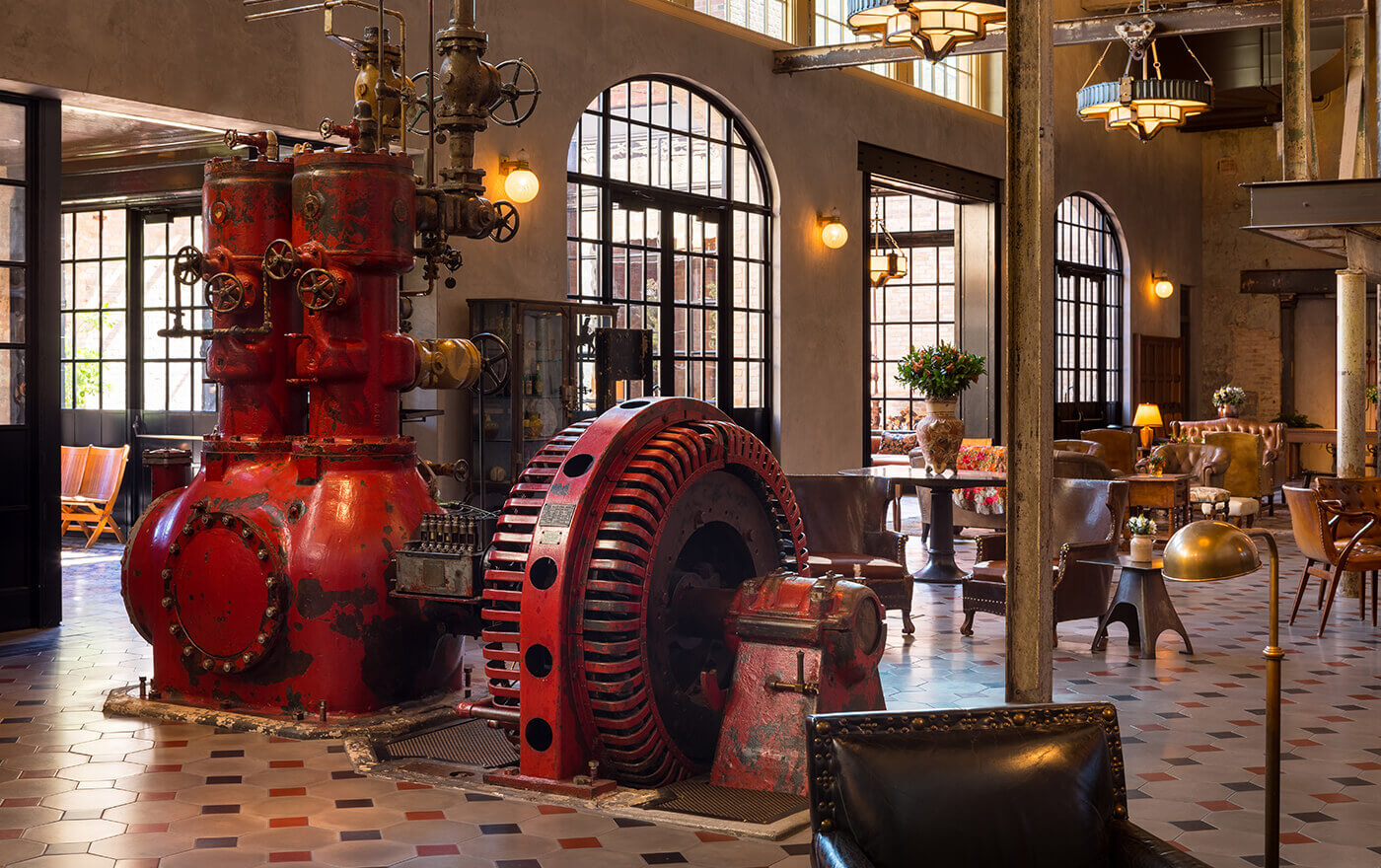
Chicago architect August Maritzen designed the Pearl brewhouse in 1894, Second Empire, cupolas and all, when breweries were built like cathedrals and Pearl was becoming San Antonio’s beer. Emma Koehler, the Pearl president’s wife, took over the brewery and kept it alive through Prohibition on ice cream, soda, near beer and dry cleaning. When Roman and Williams converted the building, they kept the machinery in the rooms with the guests.
The lobby’s centrepiece is a red ammonia compressor the size of a small car, sitting on the tile where it always sat. Brewing tanks became private dining nooks. The 146 rooms split between the Brewhouse Tower and the River Cellar building, on the Museum Reach of the River Walk.
Most conversions hide the old job. Emma pours you a drink next to it.
5. Amangiri, Canyon Point

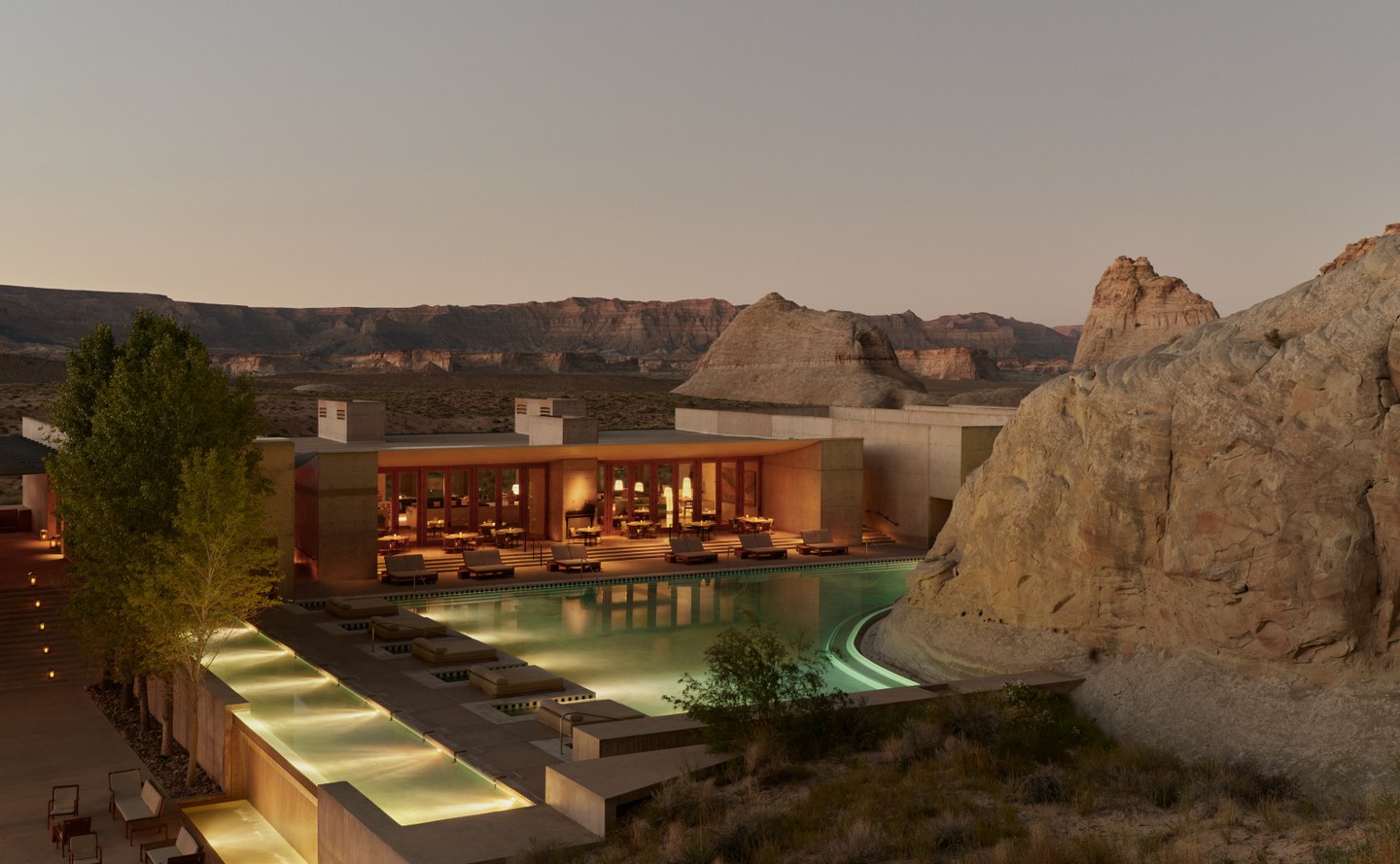
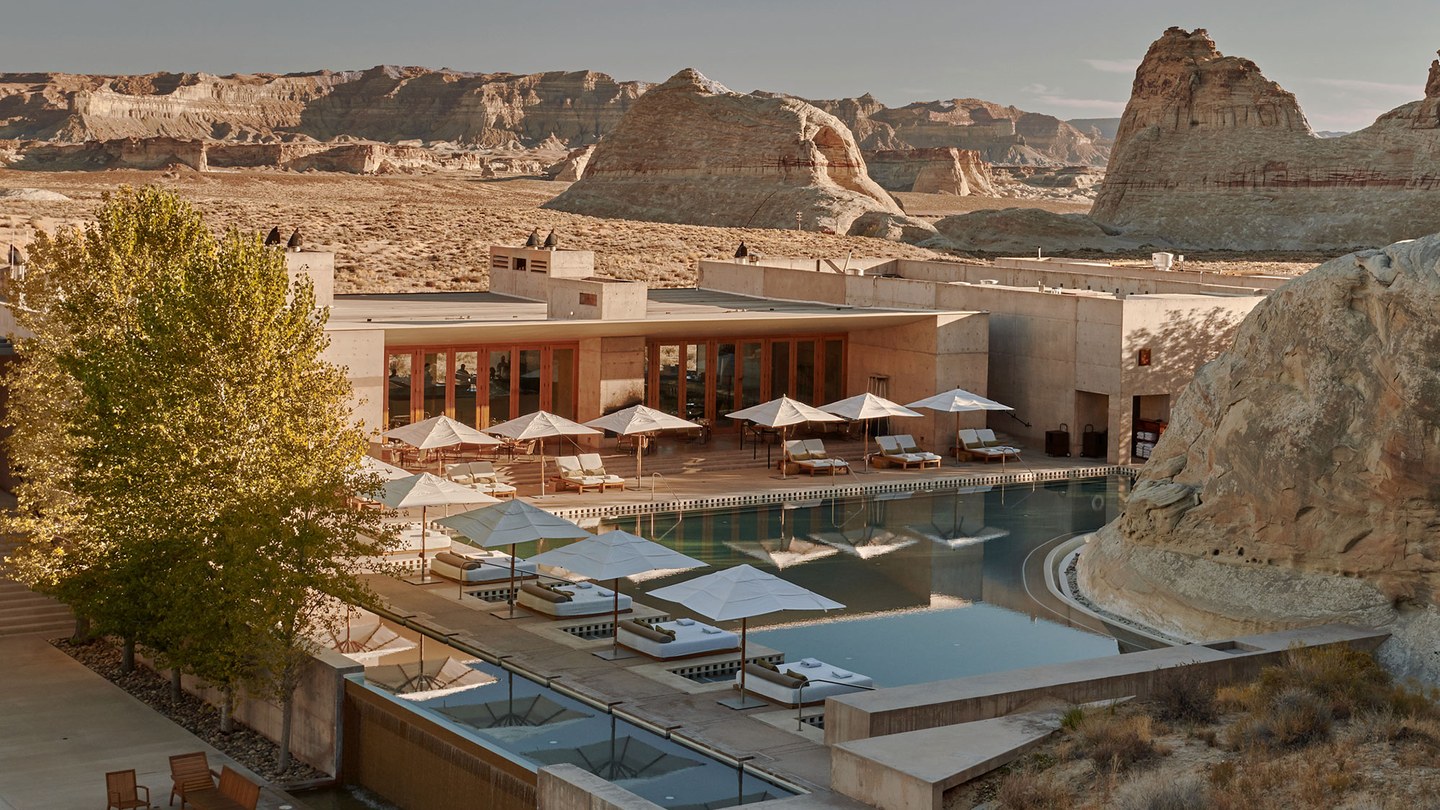
Three architects, Marwan Al-Sayed, Wendell Burnette and Rick Joy, shared one decision at Canyon Point: the building would not compete with the mesas. The resort’s concrete is pigmented and cast to read as sand and stone, and the main pool wraps itself around a sandstone outcrop that was there long before Aman. The 34 suites line two wings off the central pavilion, each window a framed still life of desert.
It opened in 2009 and the imitations have been failing to catch it ever since. Camp Sarika, a short drive away on the same estate, added ten tented pavilions in 2020. The nearest town is Page, Arizona, and the drive in teaches you the scale: this is a resort measured in horizons. In the quiet months, rates have started around $3,800 a night, which buys silence at a scale no playlist can fake.
Seventeen years on, Amangiri is still the benchmark. Every desert hotel since gets measured against it, and most of them know the measurement is coming.
Five buildings, five strong opinions, not a glass tower among them. Book the one whose idea matches the trip you actually want.