
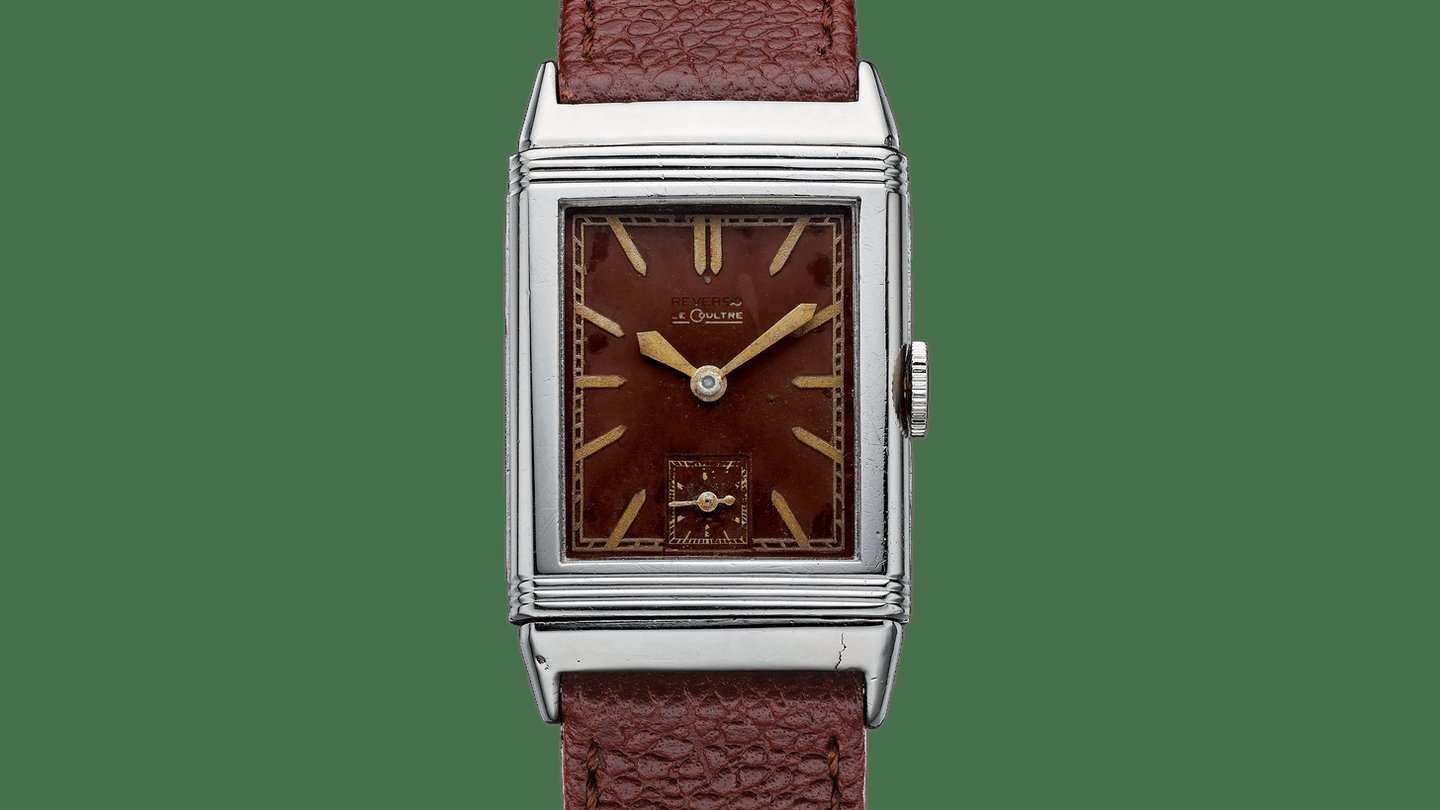
Nine watches in Jaeger-LeCoultre’s eighth Collectibles capsule carry a dial signature the brand retired decades ago: LeCoultre. Every one of them was made for the United States between 1933 and 1981, and every one of them crossed the Atlantic in pieces.
Restoration happened in the Maison’s own workshop. LeCoultre is the signature. Ten master watchmakers service the movements there, rebuild parts by hand and source historical components for watches the factory stopped making generations ago. Character and patina stay protected throughout, by design.
Jaeger-LeCoultre publishes no prices for the nine, so each sale starts as a conversation with the boutique. Collectors worldwide can acquire the watches through the Maison’s site and boutiques, and the full set sits on display at the Madison Avenue flagship in New York through November 20.
Swiss inside, American outside
Dials, hands and movements came from Switzerland. Cases were made in the United States, and American watchmakers assembled and regulated the finished watches on home soil. A tariff on completed Swiss watches made the split worthwhile, and the arrangement ran from 1933 to 1981 under the LeCoultre name, nearly five decades of quiet transatlantic production.

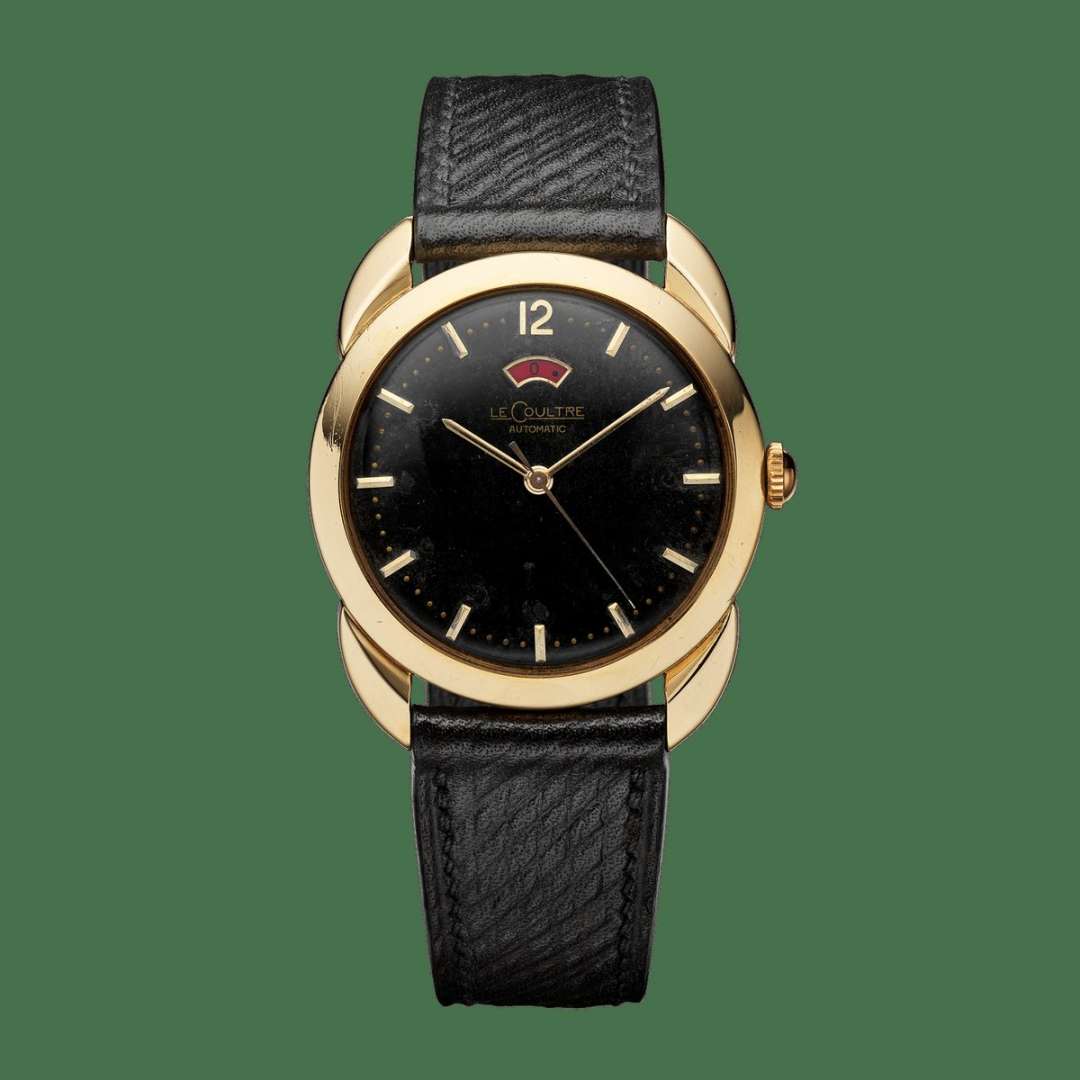
Case shapes answered to American suppliers and American taste, so the LeCoultre years produced silhouettes the home market never saw. Small differences from the Swiss-built counterparts turned into the details collectors now hunt.
New York is the right room for this story, since the Maison’s first United States offices opened there in 1936. Capsule VIII is the second Collectibles edition the program has presented in the city. A collector can spot the American chapter from across a room. New York still fits. The dial signature gives it away every time.
The 1933 Reverso sets the terms
One watch in the capsule predates the rest by more than a decade, and it’s the purest object in the room. The 1933 Reverso runs on Calibre 410, the first in-house movement Jaeger-LeCoultre developed specifically for the model, inside a steel case that still looks like modern design.
Chocolate brown is the dial color, and the brown left the factory that way in 1933. Collectors usually credit time and sunlight for a dial like this one. Time gets no credit here.
Heritage Director Matthieu Sauret and his team apply the same test to every candidate for the program. Original, unmolested dials and cases are the price of entry, and the restoration workshop works with the Maison’s own original equipment and components to keep survivors true to their original build. The test never bends. Here the color is original, and the dial has never been refinished.
Calendars in two shapes
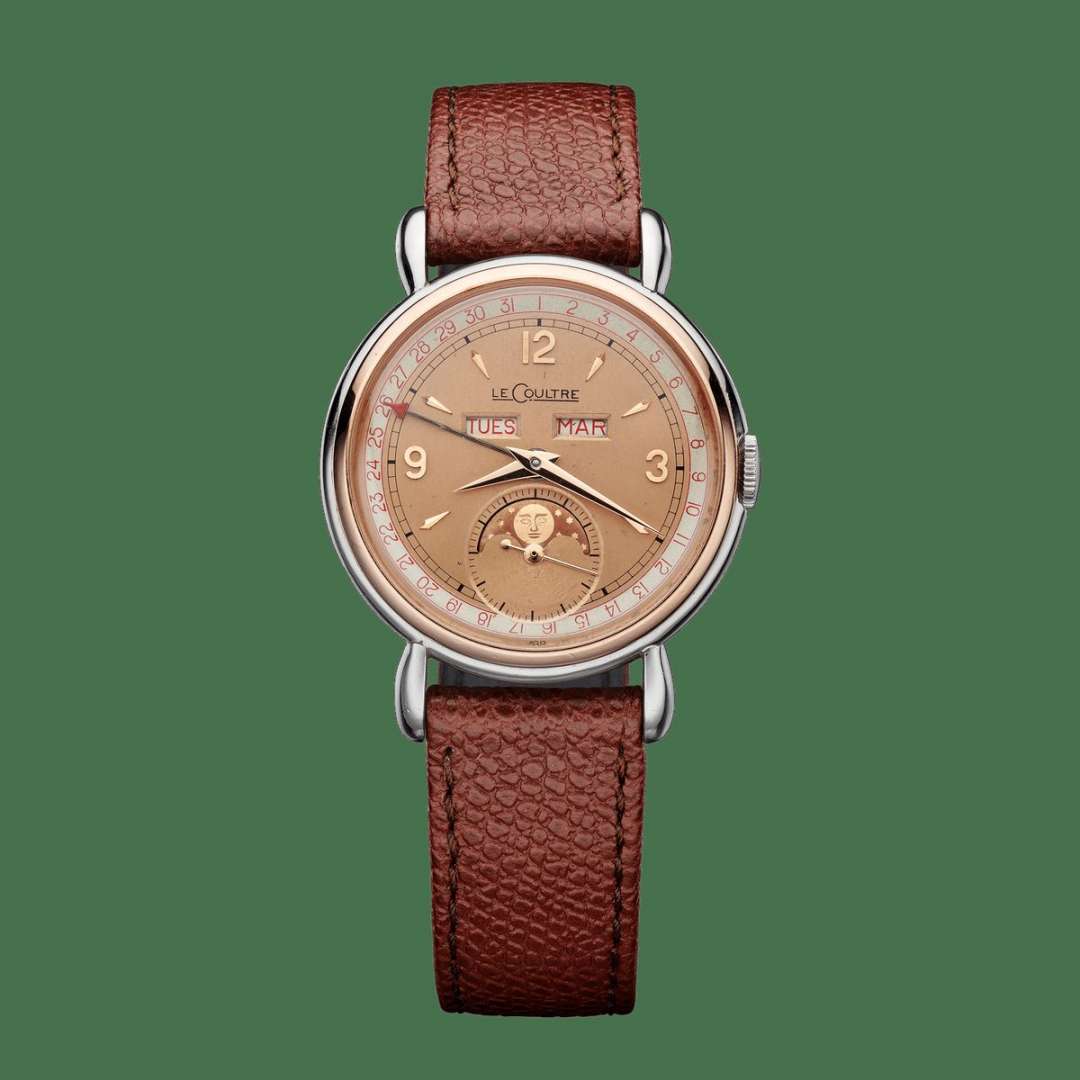
At 33mm across, the 1947 Triple Calendar has no business fitting day, date, month and moonphase inside a steel case, and it fits them anyway. A pink gold bezel warms the copper dial, and the lugs lift the case beyond its size.
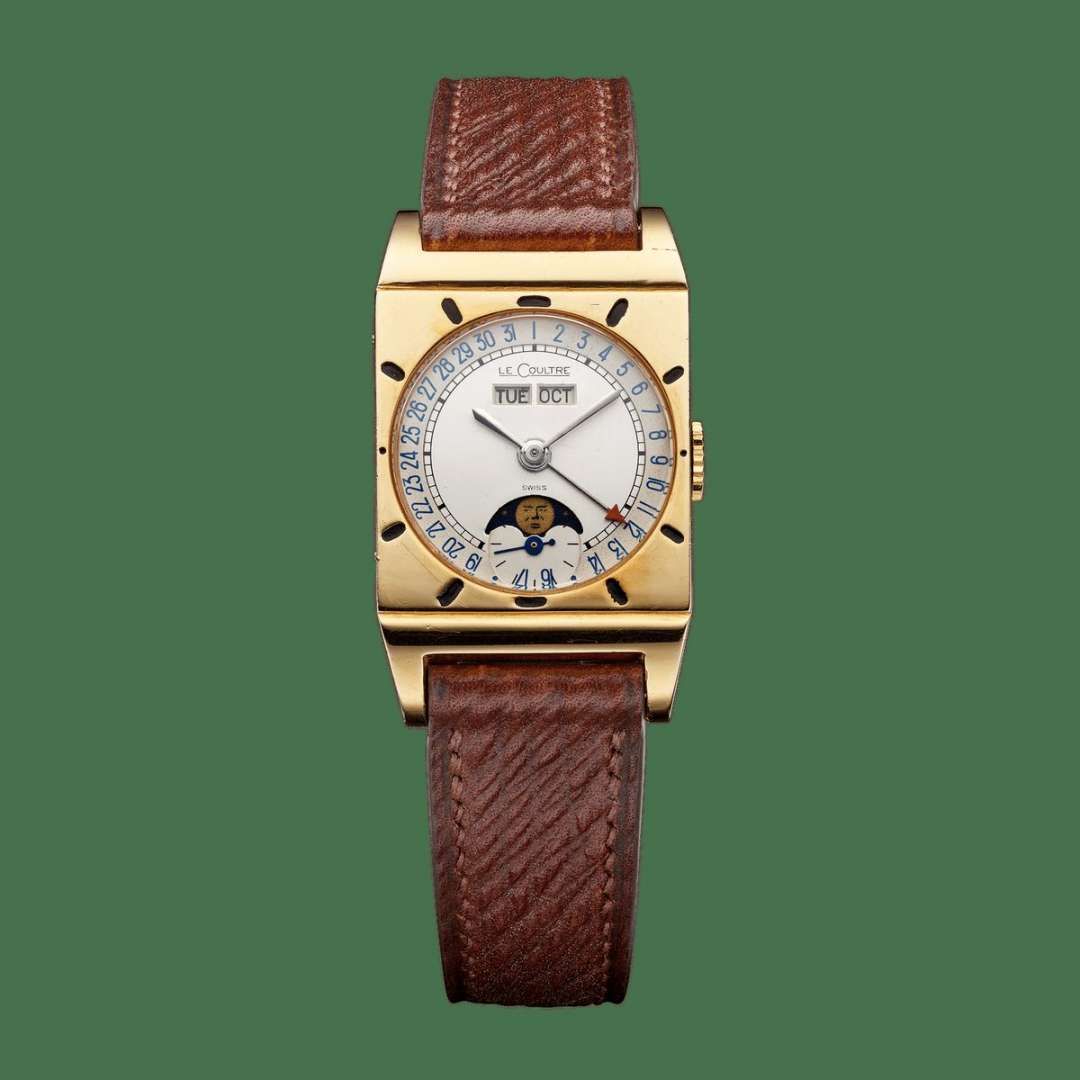
Reference 2726, from around 1952, takes the same complication into a rectangular case of solid yellow gold, the first calendar Jaeger-LeCoultre built in that shape. It’s gloriously odd. Nothing else wore them. Decorative apertures ring the dial like portholes, a flourish the Maison never repeated on a calendar watch.
Both watches keep their original dials, and that originality is the reason pieces like these survive the cut. A refinished dial would have ended the conversation before it started. Originality decides everything here.
Fifties automatics and a seventies alarm
Two Powermatics from the early 1950s show how far American case design wandered from the Swiss template. One wears the rounded Beetle lugs borrowed from 1940s jewelry, and the other carries thick lugs that earned it the Nautilus nickname long before the name became famous elsewhere.

By 1972 the line had gone loud. The Memovox Polaris II is a big sculptural alarm in steel with a gradient blue dial and a sky blue rotating bezel, and it wears every bit of its size. Subtle was never invited. A mechanical buzzer, set from the second crown, does the waking.
The whole package is pure seventies confidence, from the cushion case to the steel bracelet and twin crowns. Nothing else in the capsule swings quite this hard.
The last word is a coin
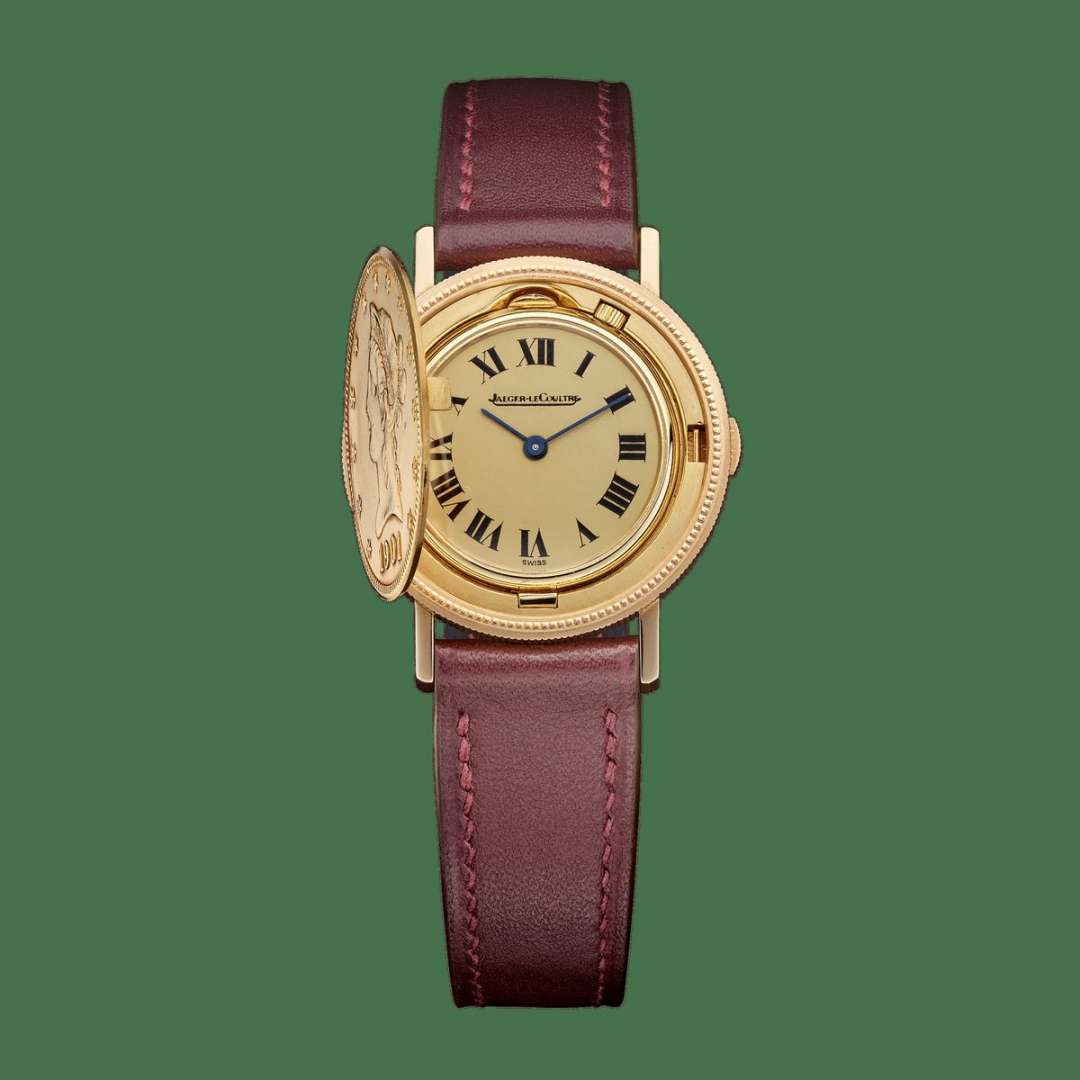
A hollowed-out United States $10 gold piece hides the newest watch in the capsule, a coin watch from 1981. The coin hides it. The trick demanded a movement thin enough to disappear inside a coin, goldsmithing careful enough to keep the coin believable, and a vogue that faded before the design did.
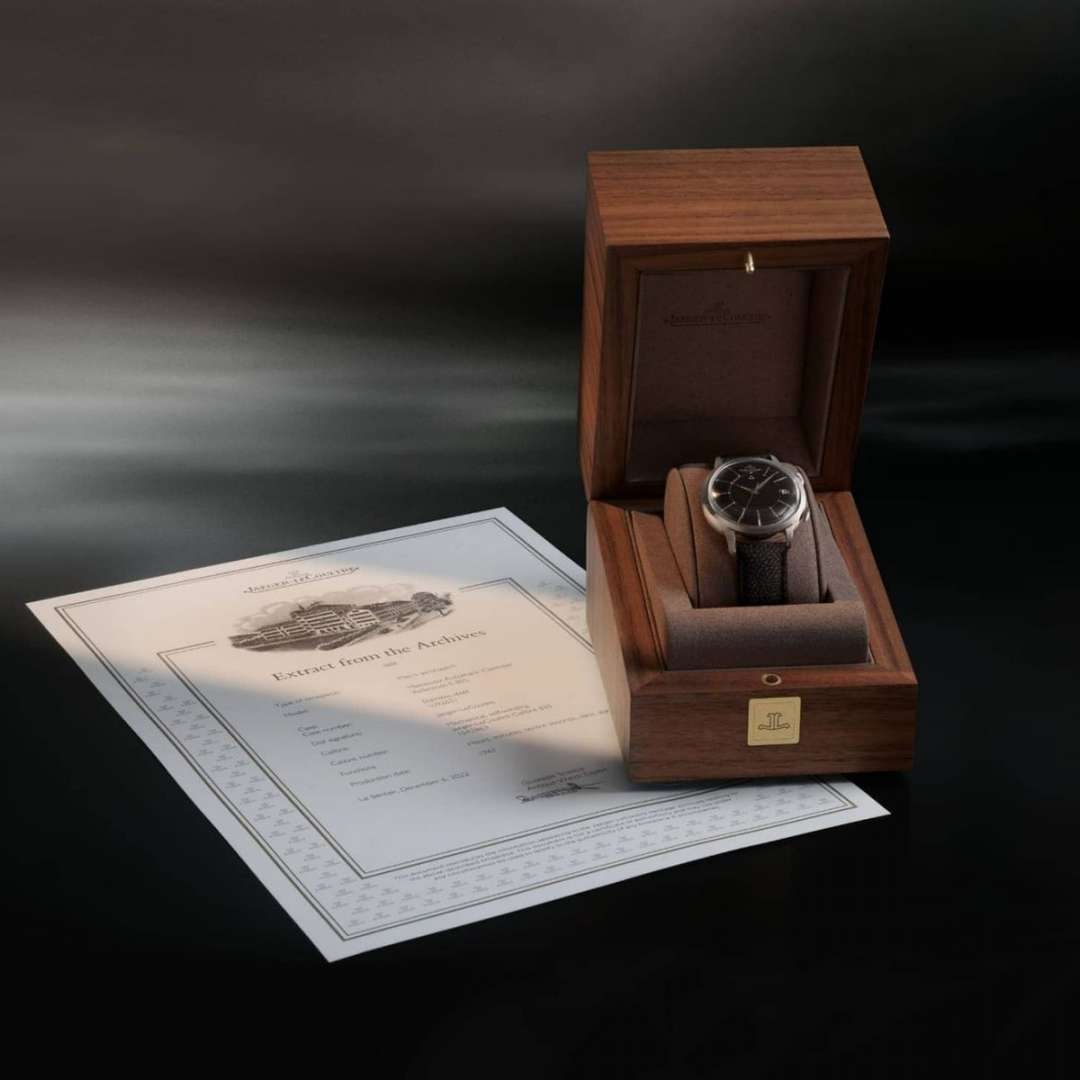
The extract is the factory’s own record of the watch, its calibre, its case number and its production date, printed for the buyer. Paperwork rarely adds this much confidence. Here, it does. Each of the nine ships with one, and the full set stays on display in New York through November 20, 2026.
The Reverso is the one to chase when one watch is the limit, since the 1933 pairs the purest design with the movement that defined it. Prices stay unpublished, and the boutique conversation is the only route in. That suits a capsule built on scarcity, nine watches with no twins and no second production run waiting behind them.