
The photograph is almost plain. A hand holds a grey shoe by the heel against a field of grey fabric, and everything interesting sits in one line of white stitching across the heel strap: Made in Japan.
New Balance’s Japanese arm published the first look this week. The hand in the photograph is doing quiet work too, presenting the heel the way a watchmaker presents a caseback, asking the viewer to start at the back and read the shoe from there. The shoe is the 991, the grey flagship that has come out of Flimby, England since 2001, this time rebuilt and handcrafted in Japan. No release date followed the photo, and no price did either.
The words are stitched, not printed
Start with what the frame actually shows. A dark grey leather base carries lighter greys above it, suede through the overlays and mesh in the windows, with a cream midsole running underneath and the embossed N set into a dark window at the heel. The ENCAP midsole, EVA wrapped in polyurethane, is the same platform the silhouette has ridden for years.

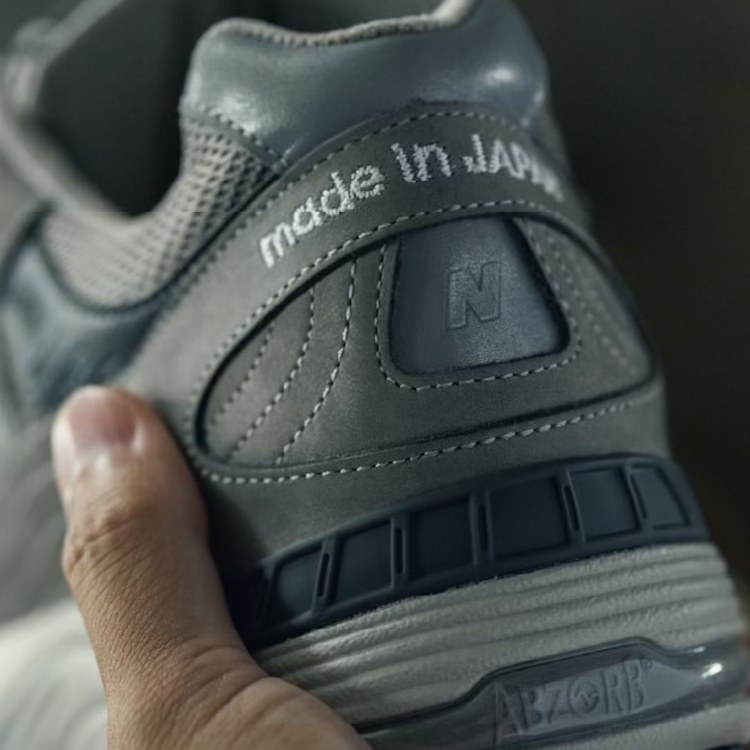
Stitching is slower than printing, and it shows at reading distance. A printed origin mark is a label applied at the end of the line, while a stitched one is labor sewn into the shoe itself, and on a shoe this grey the lettering becomes the ornament. Nothing else on the upper competes with it.
The palette stays inside the family the 991 is known for. Charcoal at the base, mid greys in the suede, pale mesh at the toe and collar, cream below. A new country of origin usually arrives with a new color story, and this one arrives with none.
Restraint is doing all the work here.
Japan earned this the slow way
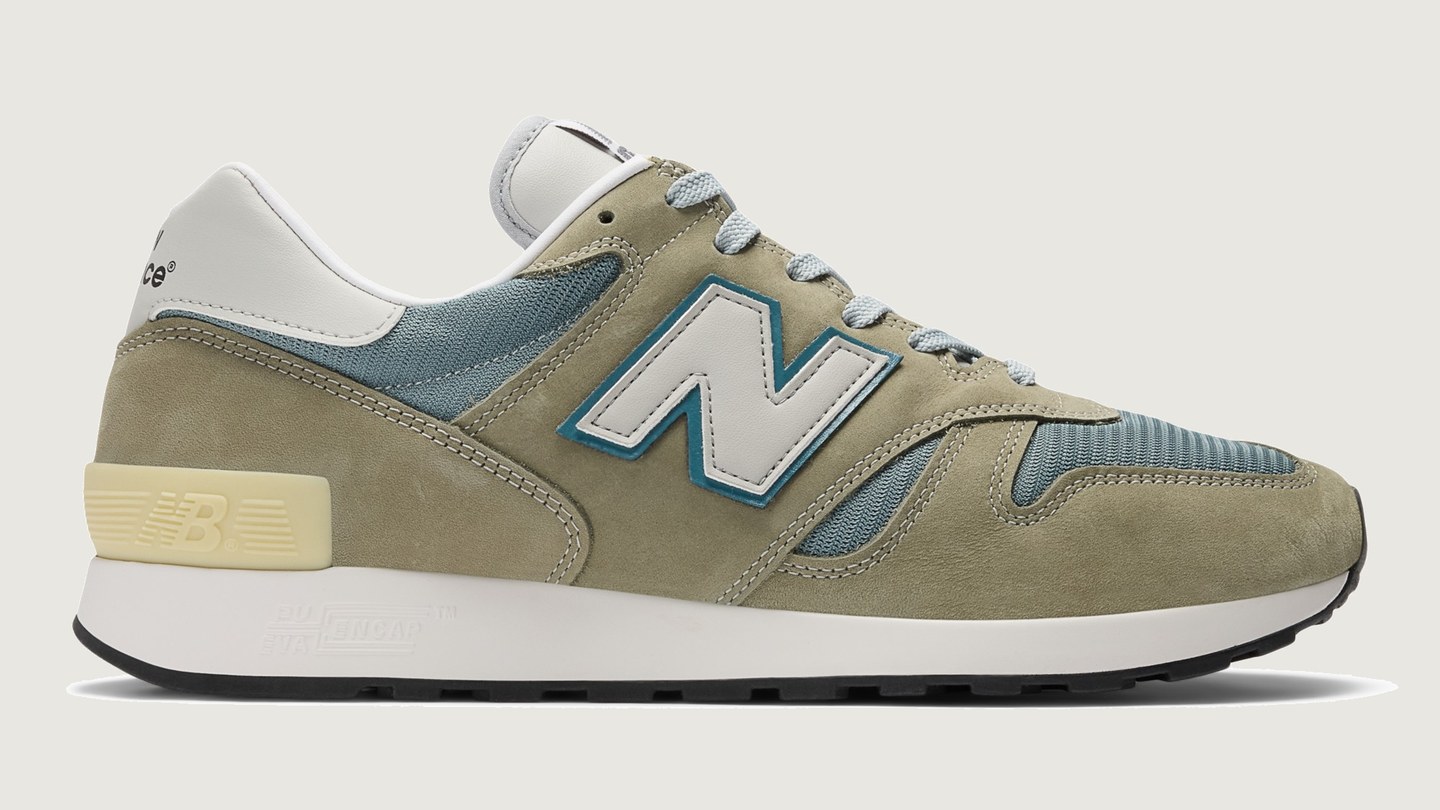
Japan’s claim on New Balance heritage is older than this shoe. The 1300 arrived in 1985, New Balance marked its 40th anniversary this year, and the Japanese remake of that shoe, the 1300JP, grew into the connoisseur’s version of the silhouette, the one collectors in other countries planned trips around.

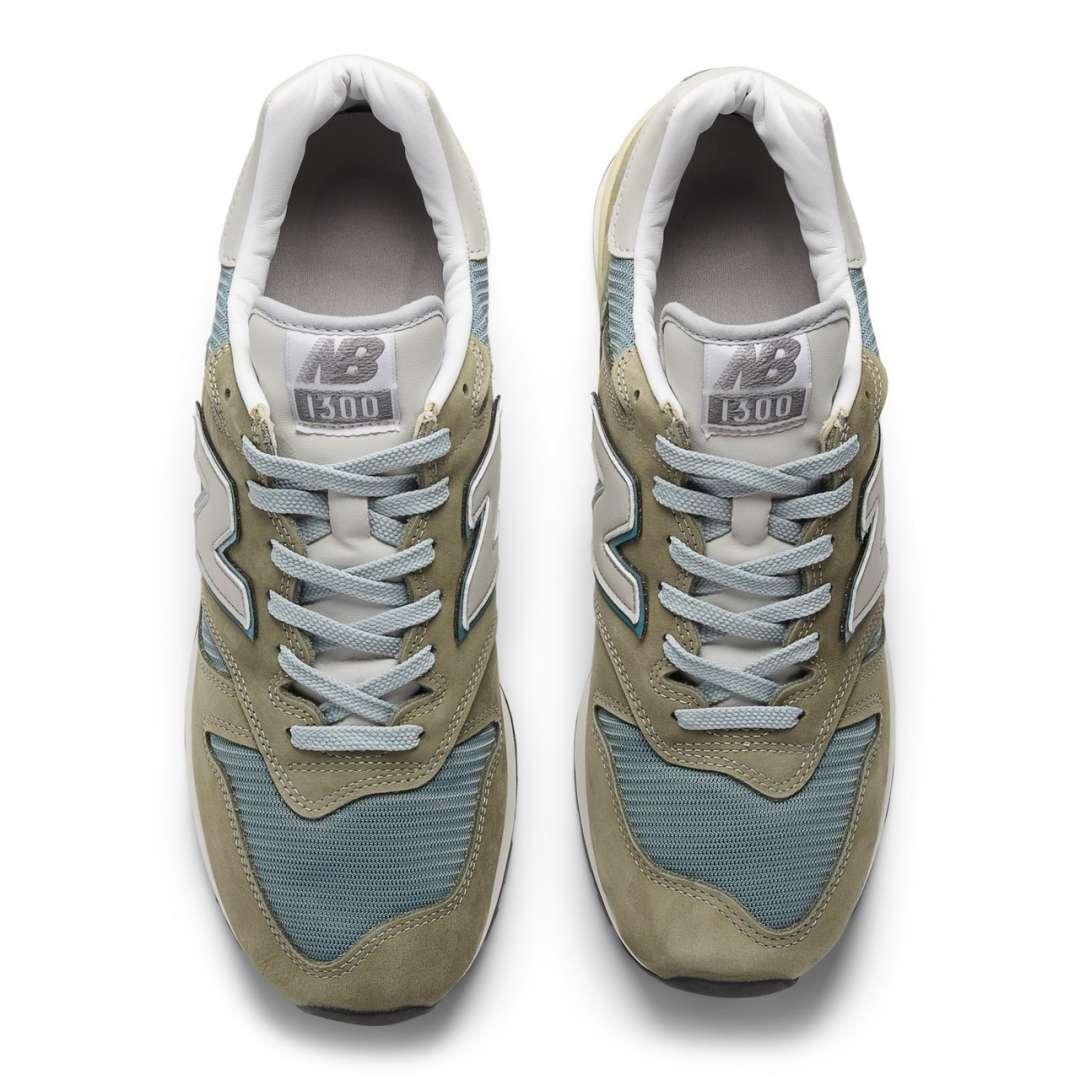
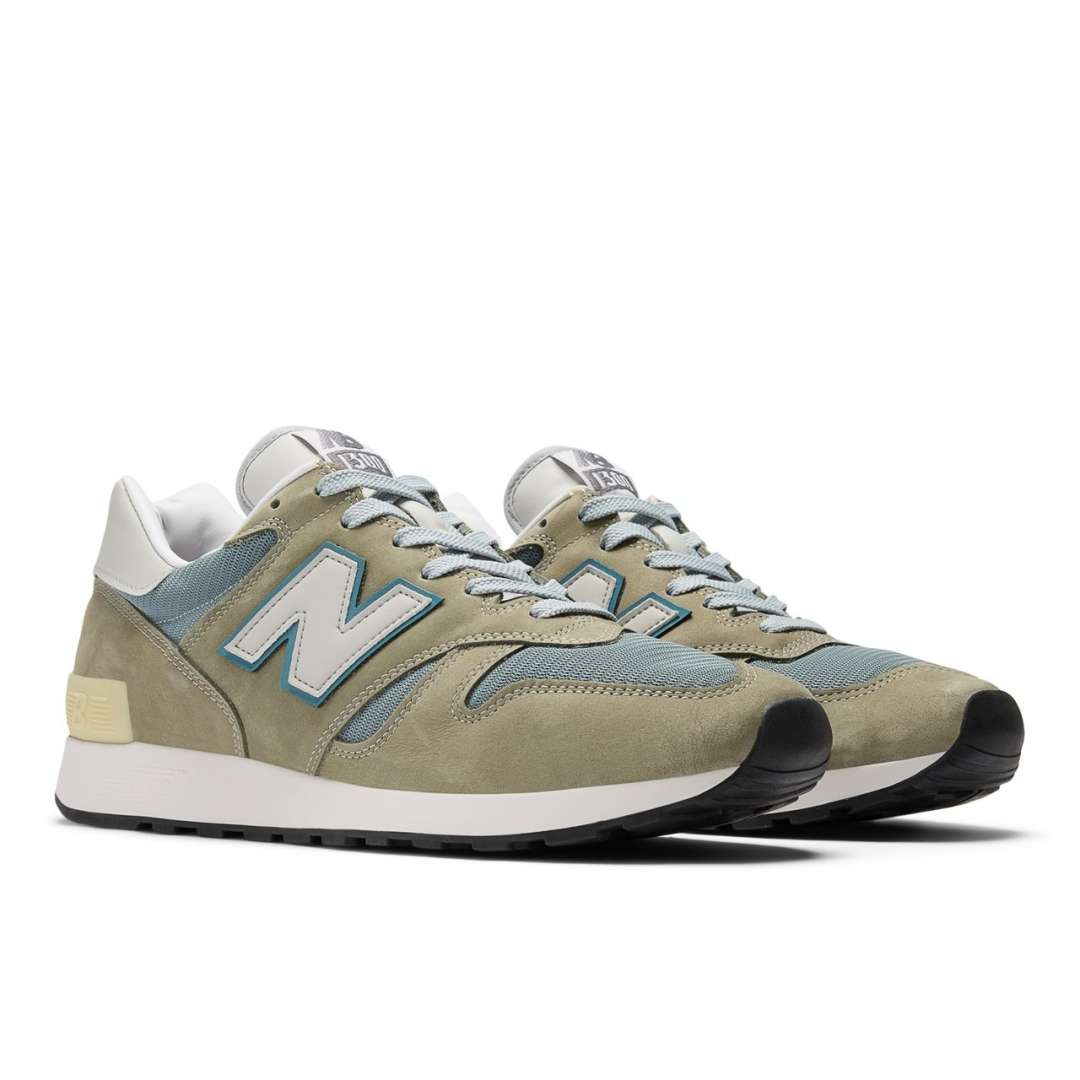
Look at the JP closely and the devotion makes sense. Grey-green nubuck wraps the toe and quarters, steel blue mesh breathes through the toe box and collar, and a cream clip locks the heel above a white ENCAP midsole. It is a quiet shoe that rewards standing still in front of it.
The current 1300JP is handmade in Japan and carries a specification to match: genuine leather and nubuck over mesh, priced at home at the equivalent of about $263. New Balance Japan lists the pair as sold out. New Balance itself describes the JP as a once-every-five-year release, a rhythm that keeps every run small and every restock uncertain.
That record is why a Japanese 991 lands as a promotion rather than an experiment. The home market has already demonstrated, over multiple JP runs, that it will pay full price for patience and finish. The 991 simply moves that treatment onto a bigger silhouette.
Small runs are the luxury
Handcrafted production caps volume by simple arithmetic. Fewer hands on a bench and slower work at each station mean shorter runs, and shorter runs mean the shoe is scarce before anyone writes a word about it. The scarcity is structural, built into the production method rather than scheduled by a marketing calendar.
Handwork does not scale, and it is not meant to.
What the buyer gets for that patience shows in the frames. Panel edges land where they should, stitching runs dense and even, and the layered grey upper of a 991 gives good finishing plenty to display, suede nap against mesh against smooth leather. These are the details that survive a close photograph, and the first look invites exactly that closeness.
Expect the release to follow the shape the 1300JP set. A quiet announcement through New Balance Japan’s own channels, home market first, and a short window before the sizes go. Nothing in the first look suggests a wide international rollout, and the JP pattern points the other way.
Flimby keeps its crown
The English line continues untouched alongside the new one. Flimby has built New Balance shoes since 1982, the factory’s 991v2 still rolls out in grey after grey, and its tongues still carry the Made in England stamp the silhouette has worn since 2001. This season’s run alone spans a dove grey with silver mink and a deep eclipse with navy, all off the same benches.
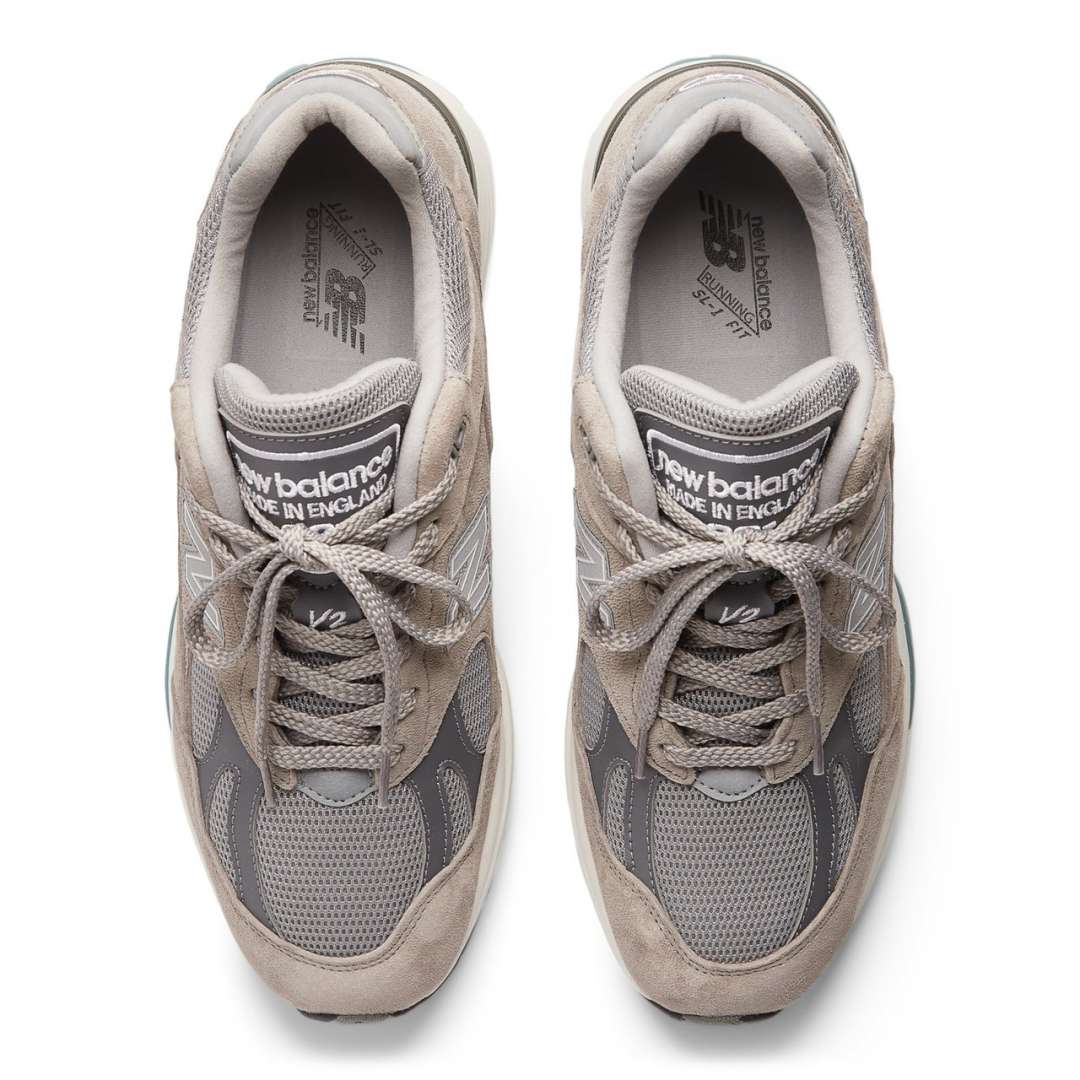
One silhouette now carries two craft addresses, and collectors get to pick which stamp they chase. The shoes look near-identical in photographs, because the difference was never in the panels. The difference is geography, and the hands that did the work.
For now the Japanese 991 exists as one photograph and one line of stitching. Collectors have built longer queues on less.