
Rimowa built its name on a grooved aluminum shell, and the shell now comes in a size that fits a jacket pocket. The Aluminum Passport Holder wraps the travel document in the same ridged metal as the suitcases.
Inside the sleeve, a stainless steel clamp does the holding.
There is no folded cover, no card slots, no elastic left to stretch out.

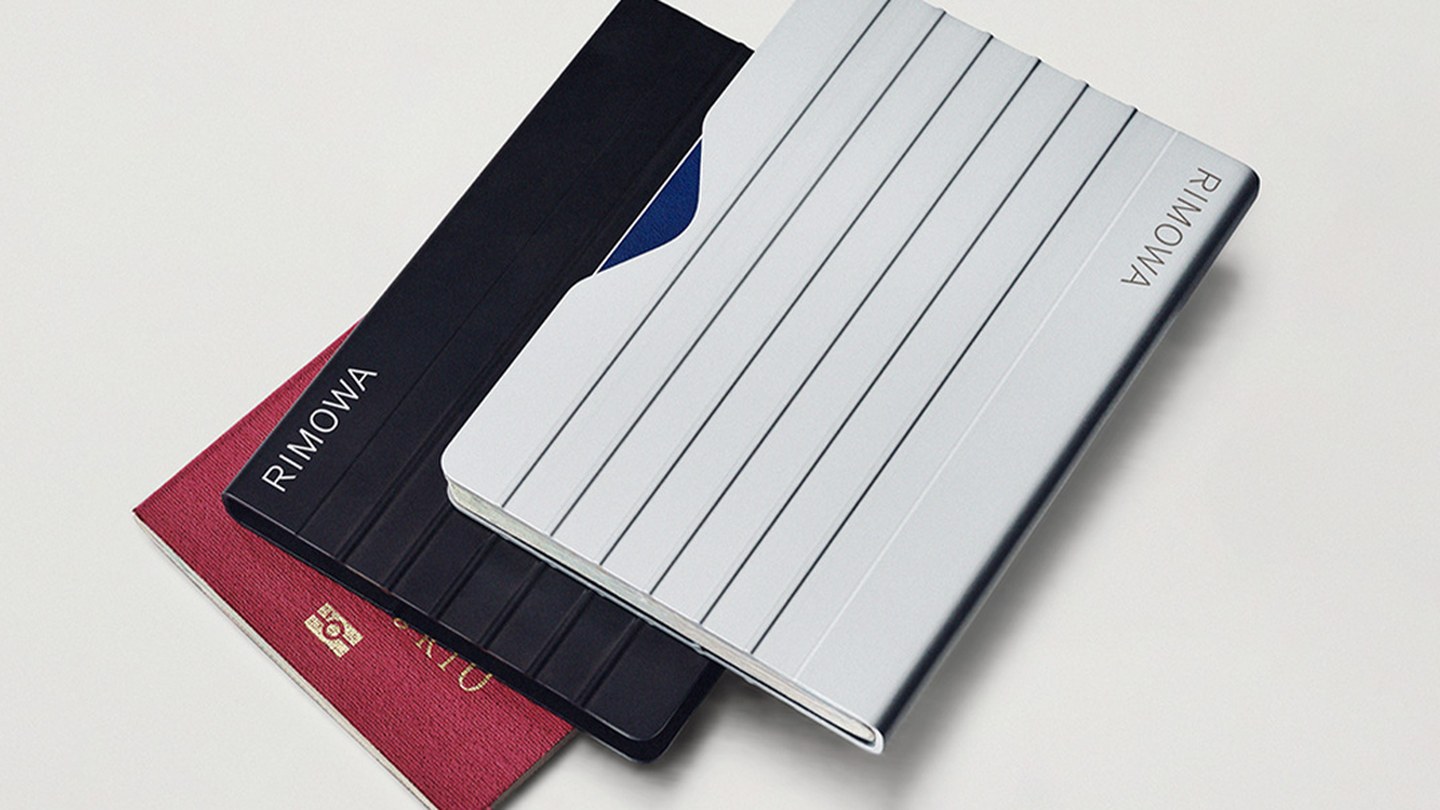
Grooves with a long memory
The parallel grooves are the oldest design code Rimowa owns. They arrived in 1950, drawn from the corrugated skin of the Junkers F13, the all-metal airliner whose ribbed fuselage taught luggage how to be light and stiff at once.

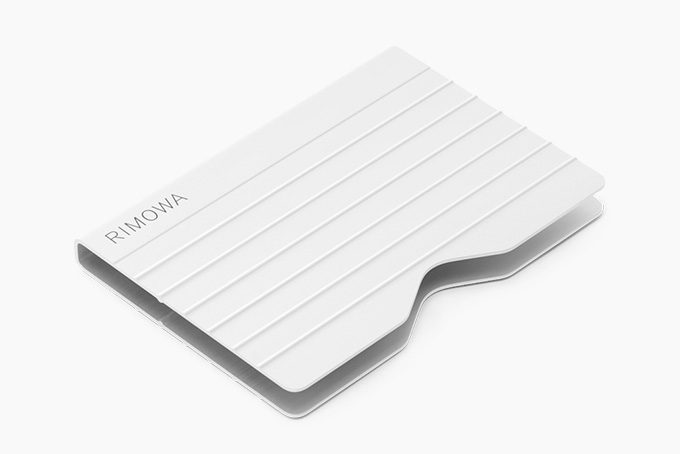
On a suitcase, the grooves stiffen a thin sheet of aluminum. On the holder, they do the same work at a fraction of the size, and they make the thing recognizable across a crowded lounge.
The sleeve measures 13 by 9 by 1 centimeters and weighs 85 grams. It is sized to the standard passport dimensions set by the International Civil Aviation Organization, so the book it protects is the book every border officer already knows. A passport book measures 12.5 by 8.8 centimeters, so the sleeve’s spare room is counted in millimeters, enough for the clamp and nothing else.
The holder joins a small-goods line that has been shrinking the suitcase idea for years. Leather cardholders and covers arrived in the Never Still collection, then the aluminum card holder in 2024, each one testing how small the grooves could go.
The Original suitcases turned those grooves into a signal at the baggage belt, a flash of ribbed aluminum that says the owner travels often and packs well. The holder borrows the signal at a scale the suitcases cannot reach, riding in the pocket that stays closest to the body.
A clamp instead of a fold
Open a leather passport cover and the book bends around your fingers. The Rimowa holder skips the fold entirely, gripping the passport along its spine so the pages stay flat and the cover stays crisp. A book that has lived flat opens flat at the desk, its pages falling to the photo page instead of curling against the officer’s thumb.
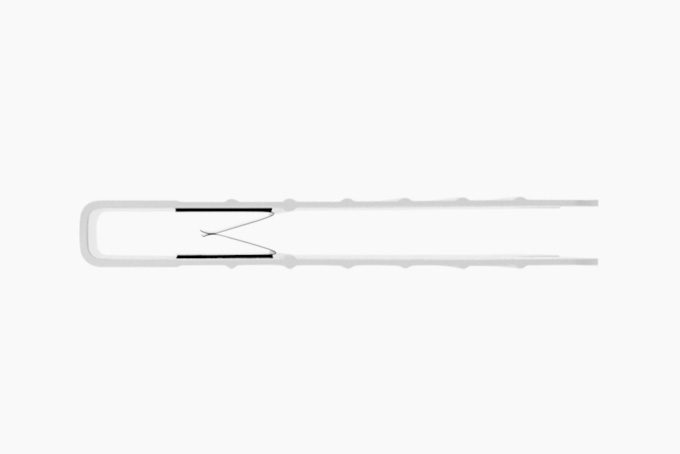
The clamp hides inside the sleeve, a discreet spring of stainless steel with no visible hardware on the outside. Nothing catches, and nothing snags a pocket lining.
The spring does the work, silently, every single time.
Retrieval runs through a cutaway on the side. At the counter, the passport slides out sideways into your hand while the other hand holds a boarding pass, which is how the exchange actually happens when a line is waiting behind you and the officer at the desk already has a hand out for it.
Thicker books fit too. The clamp opens wide enough for frequent-flyer passports swollen with added visa pages, the ones that defeat most sleeves by the second continent.
Made in Germany, guarded by metal
Rimowa crafts the holder in Germany, a change of address inside the brand’s own small-goods line. The aluminum card holder that landed in 2024 comes from Italy, where most of the brand’s small goods are made.
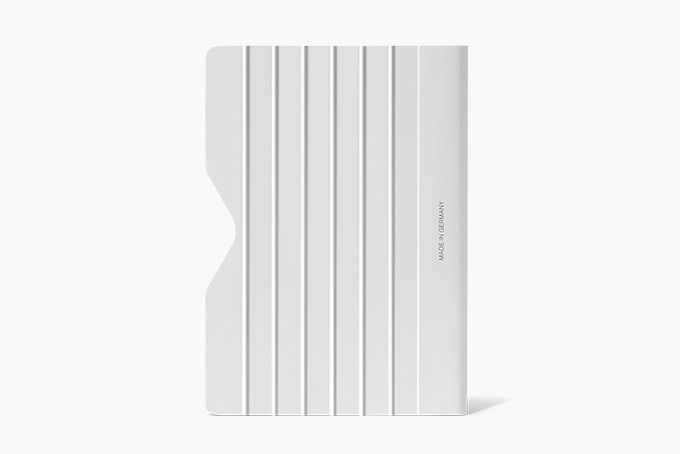
The metal does security work while it sits in your pocket. Rimowa builds the sleeve as a heightened barrier against RFID and NFC readers, the wireless technologies that can interrogate the chip inside a modern biometric passport without the book ever leaving your bag. Between checks, the passport rides inside a closed metal room. Whatever signal a reader sends at it meets the shell, and the chip stays quiet until you slide the book out at the desk.
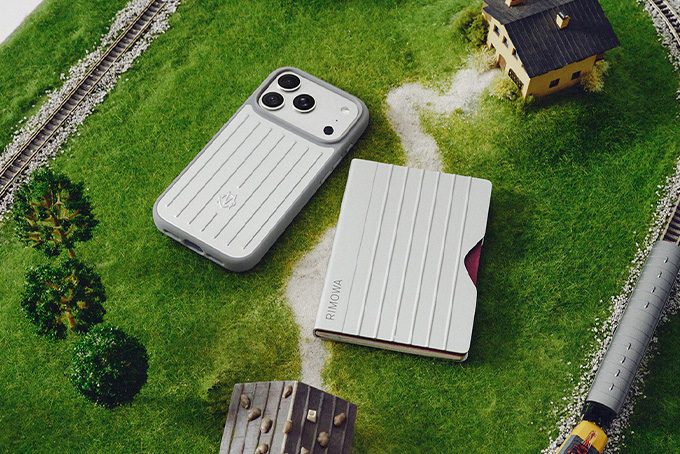
At one centimeter deep, the sleeve rides flat against a phone or a wallet without printing through a jacket pocket. It carries like a cardholder and protects like a small case, which is the combination leather versions promise at the shop counter and rarely deliver in the air.
Each holder arrives in a dedicated dust bag inside its own box. The presentation matches the suitcases, right down to the sense that the packaging belongs to the product rather than wrapping around it and outlasts it.
Care is as simple as the object itself. Aluminum wipes clean, shrugs off scratches that would scar leather, and picks up the dents and marks of travel the way the suitcases do, as a record of where it has been.
Silver, black and the price of entry
Two finishes cover the range: silver, raw and bright like the Original suitcases, and black, which disappears into a bag and shows fewer scuffs. Both carry the same grooves, the same clamp and the same engraved name along the edge.
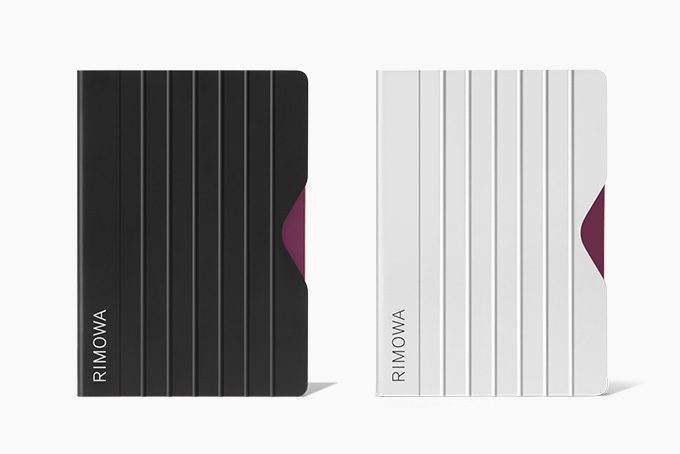
The price is $285, far below the aluminum suitcases it echoes. A two-year warranty stands behind the holder, and the maker’s own store carries both colors.
It will not convert the leather loyalist, and it is not trying to. The audience already chose aluminum for the big pieces.
Who it suits is easy to picture: the traveler whose carry-on already wears the grooves, and who wants the document that counts most to ride in the same material. The holder turns a paper booklet into one more piece of a matched set. It is, in the end, a suitcase idea at document scale. Rimowa spent a century learning how to protect the things people carry, and the passport now gets the full treatment.
Leather will always win on warmth. This holder wins on the tray at security, flat, rigid and unmistakably Rimowa, with the passport sliding out sideways while the line behind you is still opening zips.