
Rosewood opened its first hotel in Japan in March 2025, and it skipped Tokyo entirely. The group chose Miyakojima, a flat coral island in Okinawa’s far south, and spread 55 villas across a quiet northern peninsula.
Every villa and house looks over Oura Bay and the gradient locals call the Miyako Blue, pale over the sandbars and deep navy at the reef edge. Each one carries its own pool and terrace, so the bay stays in frame from breakfast through the last swim. It’s a resort built low and spread thin, on purpose.
The island Rosewood picked
Miyakojima sits about 300 kilometres southwest of Okinawa’s main island. Most guests fly in from Tokyo or Osaka in the morning and reach the island by lunch.
Locals call it the Island of Prayers, and the name isn’t decoration. Shrines and sacred groves dot the sugarcane fields, and Ryukyu culture here runs older than mainland Japan’s own.
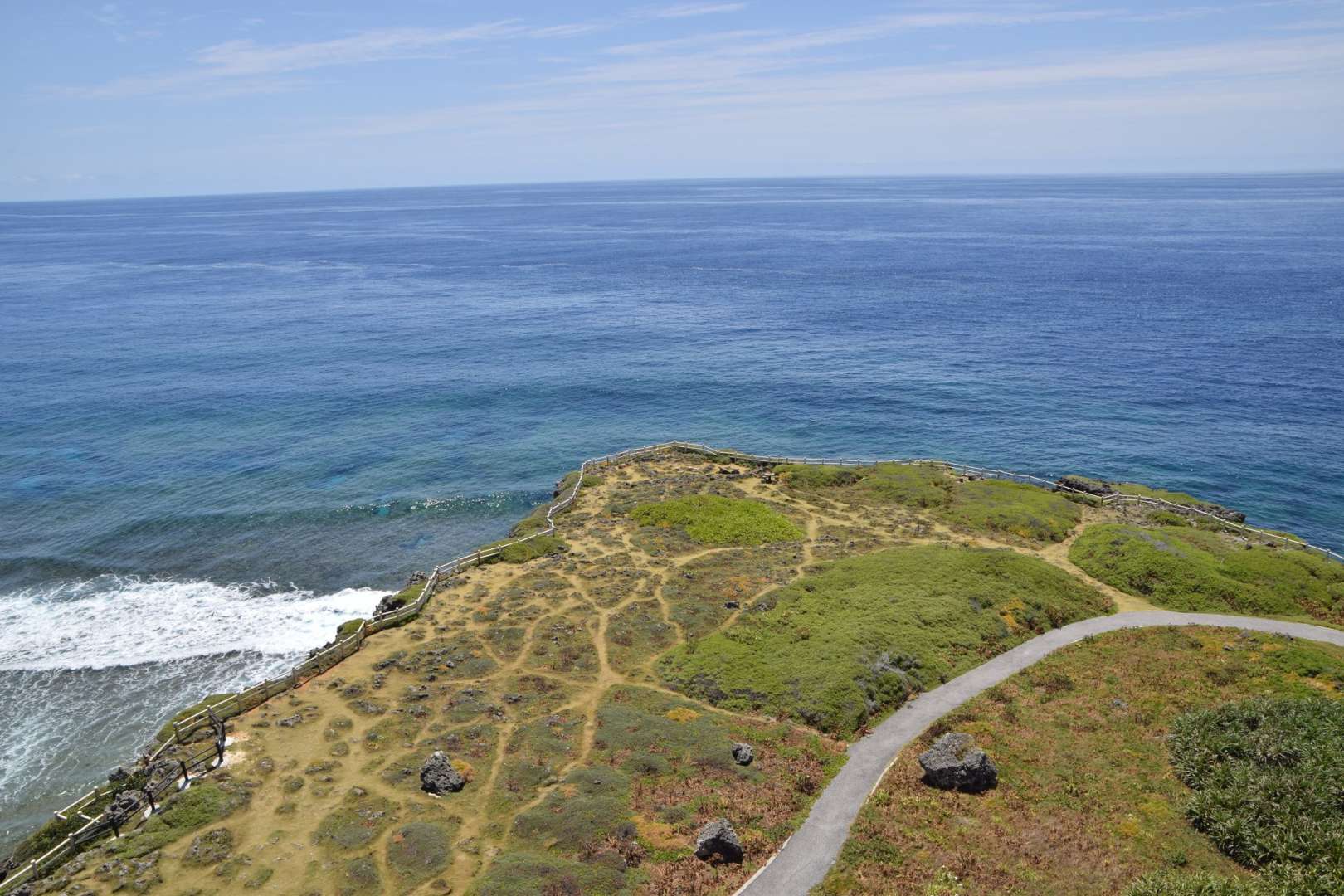
The peninsula itself is sugarcane country, green and flat and quiet, with lanes that carry farm traffic more often than tour buses. That calm shapes the stay before check-in even starts, and the resort programming follows the island’s lead. Calligraphy sessions, togei pottery and adan leaf weaving run with island artisans through the week. Drive east at dawn and Cape Higashi-Hennazaki runs out into the Pacific, a narrow grass spine with the ocean working on both sides.

Limestone villas named for the land they sit on
Studio Piet Boon designed the resort as a set of low stone buildings that keep their heads down, with Ryukyu limestone facing the villas and pale timber, linen and stone carrying the interiors. Nothing rises above the tree line, and paths run through planting rather than along corridors, so the buildings sit inside the landscape instead of on top of it. From the water, the peninsula still looks like coastline first and resort second.
The 55 keys split across five zones named in the Okinawan dialect for the ground they occupy. Daya faces the cliffs, Mui sits in the hills, Miji takes the tip, Uru opens onto the sand and Isu settles on the rocks.

Three houses, UPRA, KUURA and KAMII, top the range with two bedrooms, butler service and three metre ceilings. The four restaurants run from NAGI, where Italian technique meets Japanese ingredients, to MAAS on the water and YUKUU by the pool. The Asaya spa works through six treatment rooms, Okinawan herbal compresses, Miyako sea salt and karate sessions in the birthplace of the art.
Beaches first and bridges after
The water sets the schedule here. Boats leave for the reefs early, and the light goes soft by five.
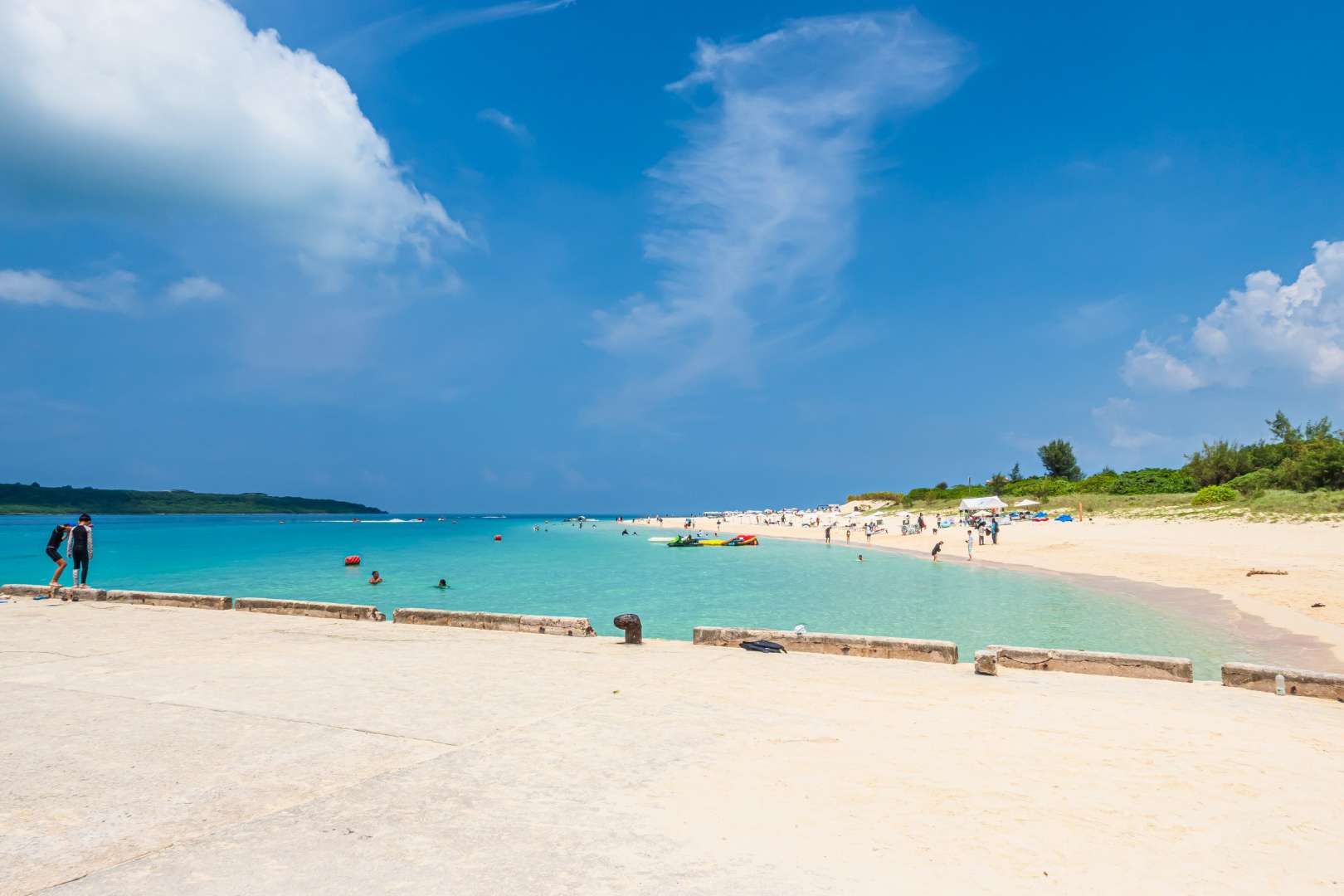
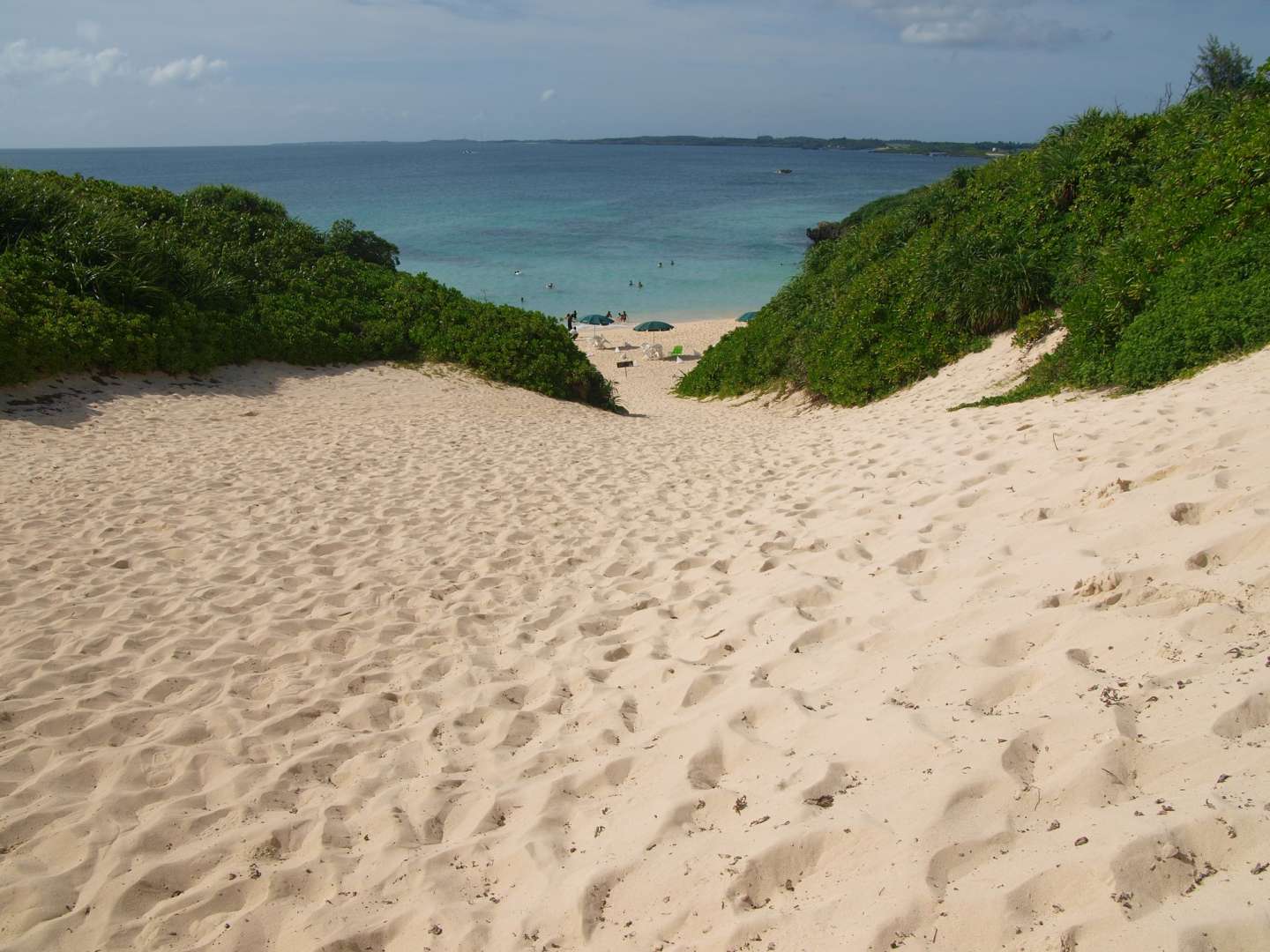
Yonaha Maehama runs seven kilometres of white sand along the southwest coast, and it’s the swim guests repeat. Sunayama hides behind a dune, reached on foot over the sand. Reef tours put snorkellers over coral gardens where sea turtles feed.
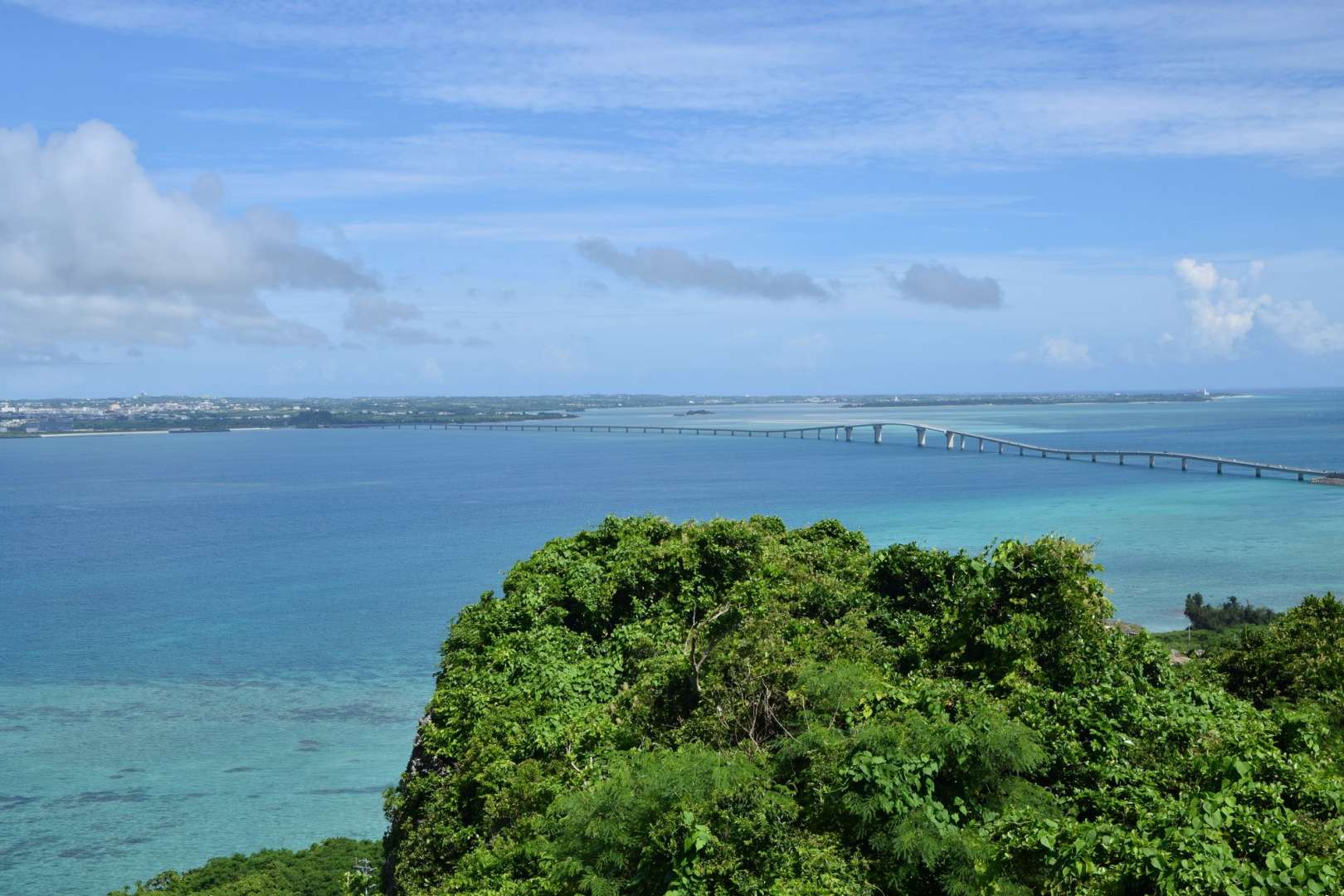
Three bridges turn the stay into a small road trip, and a rental car is the way to run it, since buses here keep island hours. Irabu Bridge, the longest toll-free bridge in Japan at 3,540 metres, carries the road across to Irabu and Shimoji in one long sweep over the blue. Shorter spans reach Ikema and Kurima, so a single tank of fuel covers five islands.
Most luxury groups entering Japan start in Tokyo or Kyoto, where the flag itself carries the launch. Rosewood started at the edge of the map instead, and the edge is the appeal, because the island gives the brand room to build at a scale the capitals can’t offer anymore.
Winter is the quiet season, and the beach months run April to October. Go for the water, stay for the stillness, and pick your zone by the dawn view.