
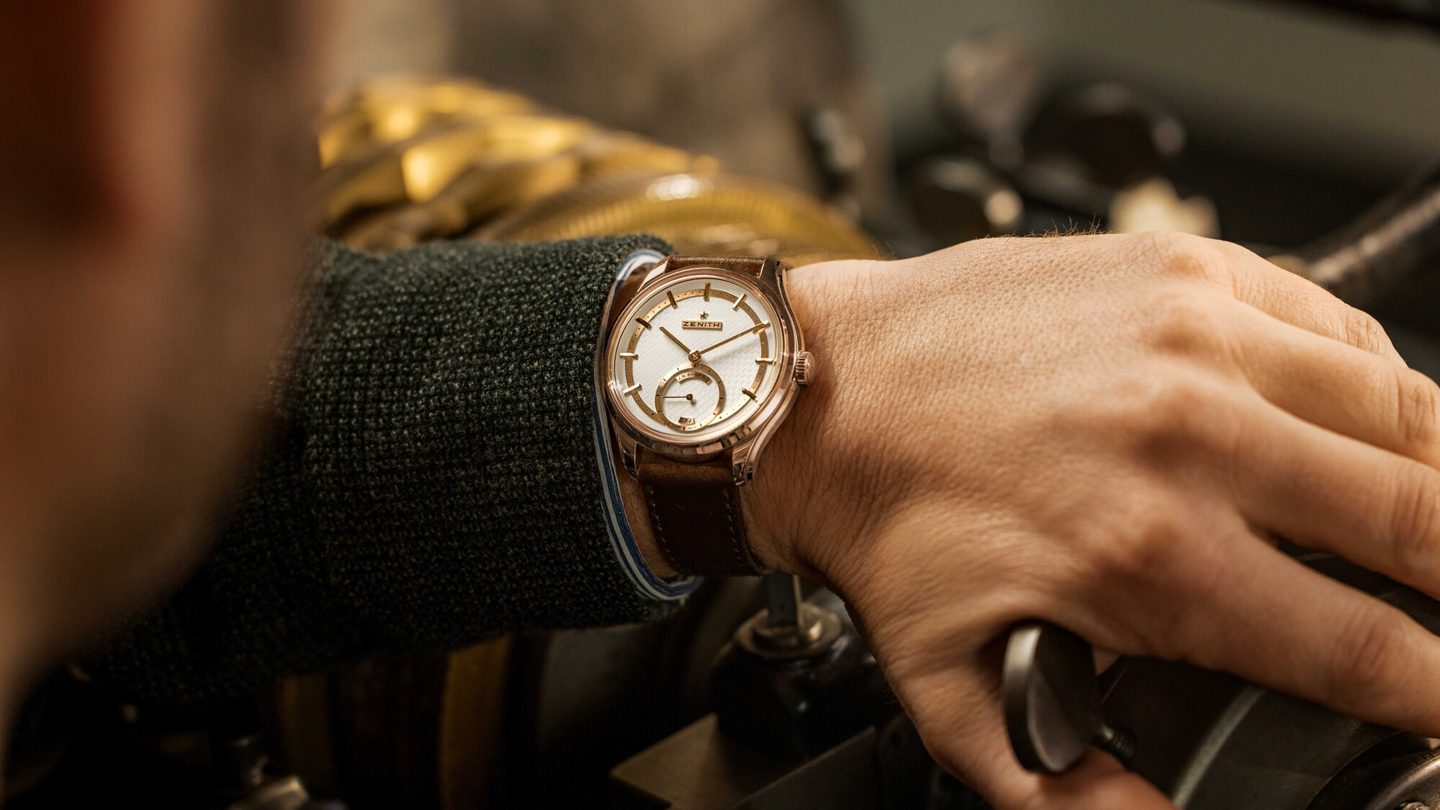
Zenith’s second Double Signed edition hands its G.F.J. Calibre 135 to J.N. Shapiro, the Los Angeles watchmaker who cuts guilloché dials by hand on antique rose engines. Twenty-five pieces, rose gold, and a silver dial made entirely in his California atelier.
Three patterns cut into silver
The dial starts as a plain silver disc in Shapiro’s California atelier, where a rose engine and a straight-line machine cut the patterns one pass at a time, guided entirely by hand.

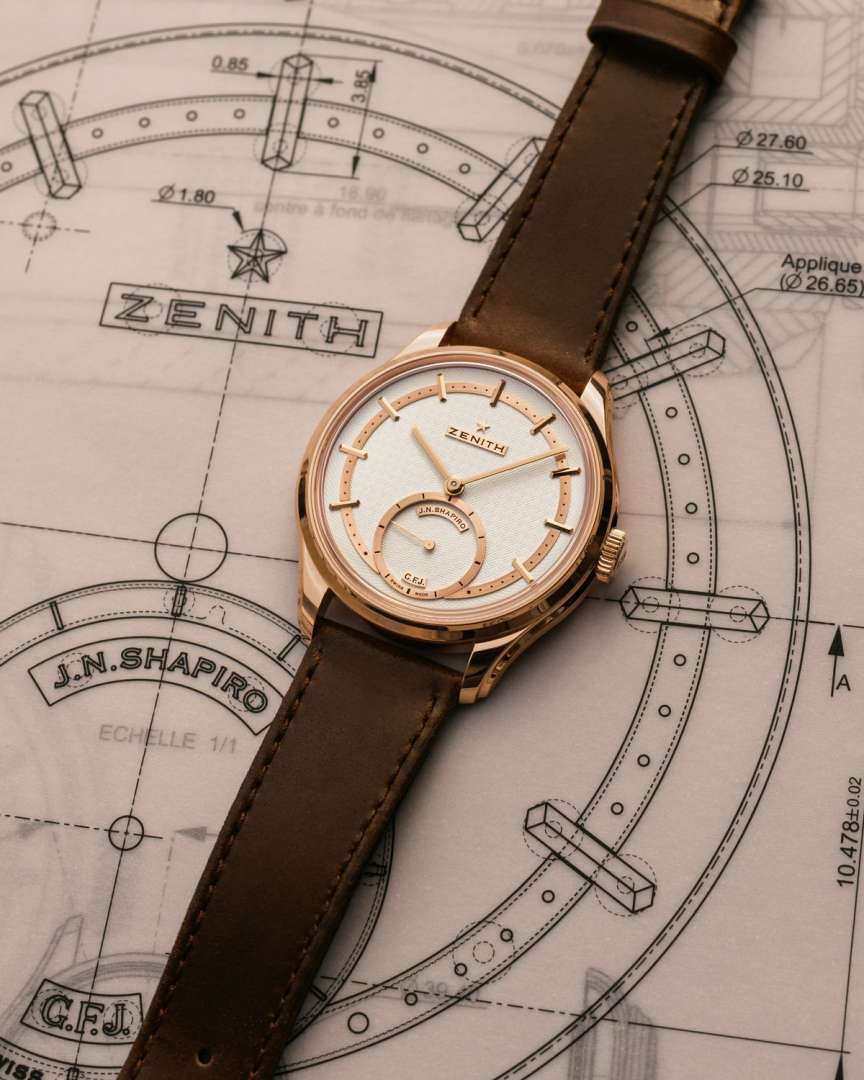
The outer ring carries barleycorn. The center carries basketweave. The small seconds subdial carries the Infinity Weave, the signature pattern Shapiro built his name on. Applied rings, hour markers and plates in 18k rose gold frame the three patterns, and one plate carries the double signature, ZENITH beside J.N. Shapiro, with the G.F.J. initials alongside.
The finish went through the case back too
The Calibre 135 started as an observatory competition movement in the 1950s, won five consecutive first prizes at Neuchâtel from 1950 to 1954, and still holds the record as the most awarded observatory movement of its era.

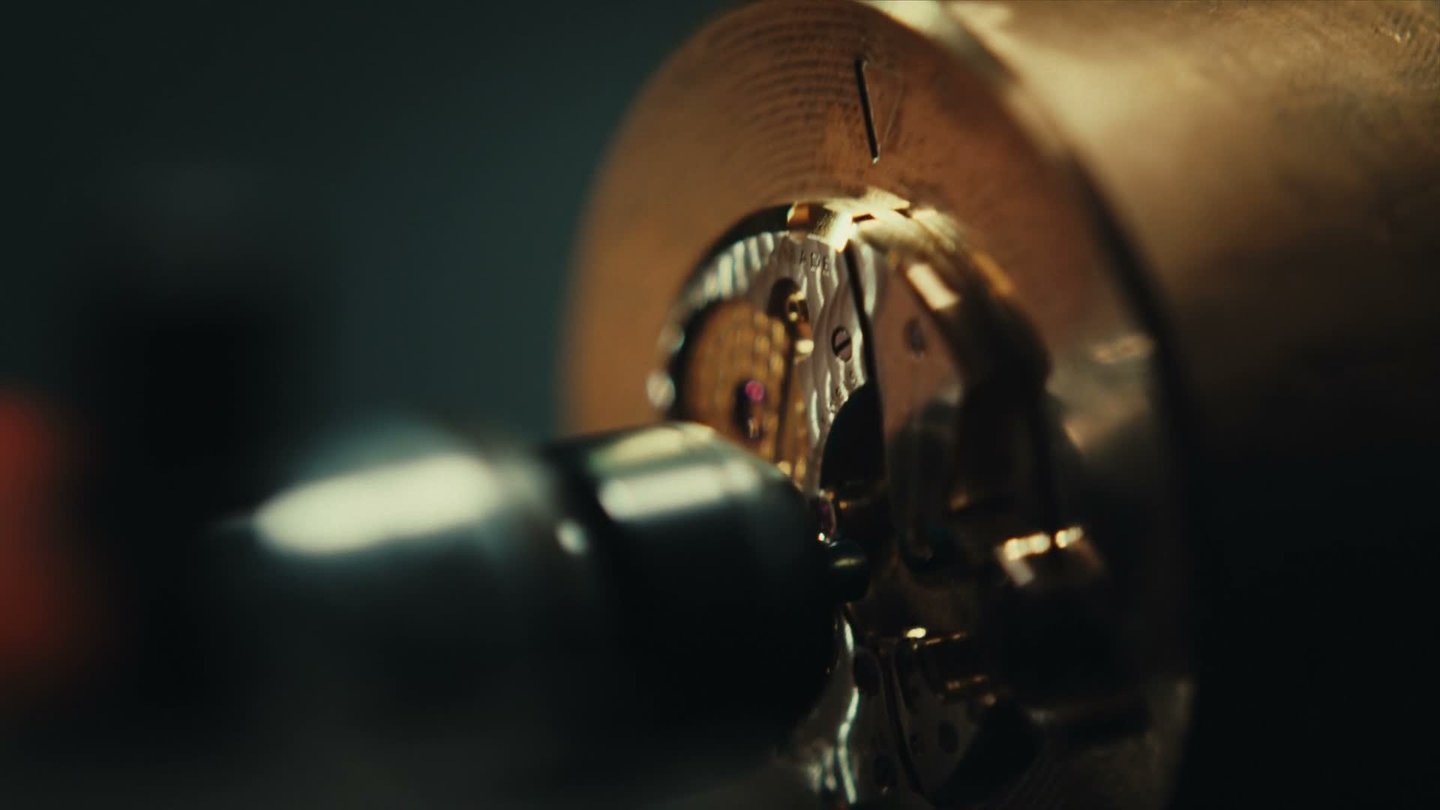
Zenith re-engineered the calibre for the modern G.F.J. with a redesigned barrel, a 72-hour power reserve, an oversized balance wheel with a Breguet overcoil, and spring-mounted jewel settings protecting the balance staff.
Shapiro finished the movement as well as the dial, working damaskeening across the bridges, a wave finish that layers guilloché elements over Côtes de Genève in the tradition of historic American pocket watches. It runs at 2.5Hz with a stop-second mechanism and Charles Fleck’s double arrow regulator, and it is certified as a chronometer by COSC. Accuracy holds within two seconds a day.
A home workshop that grew into a manufacture
Joshua Shapiro founded J.N. Shapiro in his home workshop in 2018, starting with guilloché dials before the California atelier grew into a manufacture of its own. His is the second signature in the series.
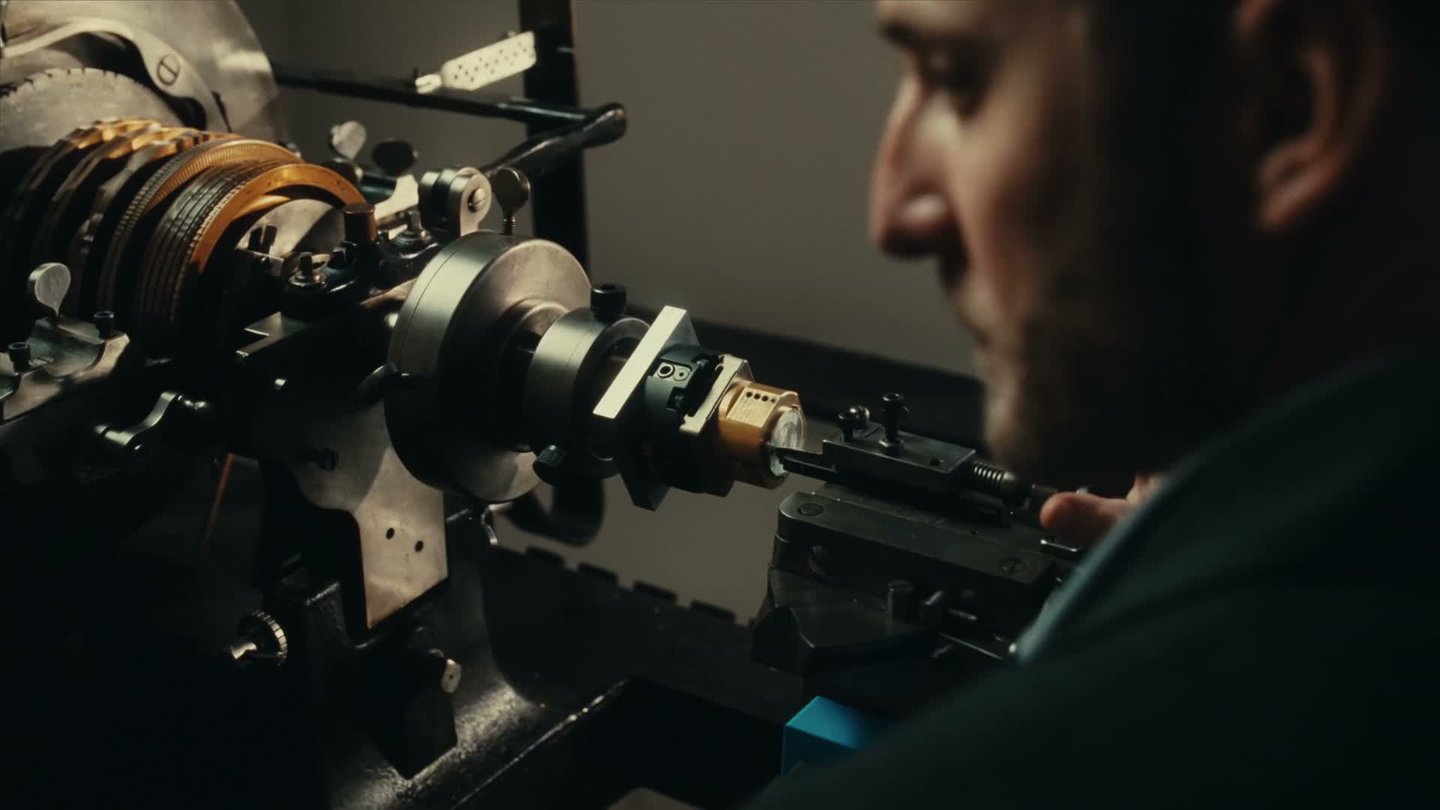
The G.F.J. takes its initials from Georges Favre-Jacot, who founded Zenith in 1865, and the collection exists to house the Calibre 135 in a modern watch. “The Calibre 135 is one of the holy grails of watchmaking. To get to beautify such a functionally historic calibre has been really exciting,” Shapiro said.
The shop now builds its own Caliber 26 movement and the Resurgence watch, which is how a dial specialist became a full watchmaker in under a decade.
Twenty-five pieces, three straps, one decision
The 39mm case is 18k rose gold with a sapphire back, and the watch ships on brown Cordovan leather with beige nubuck alligator and black calf straps in the same box.
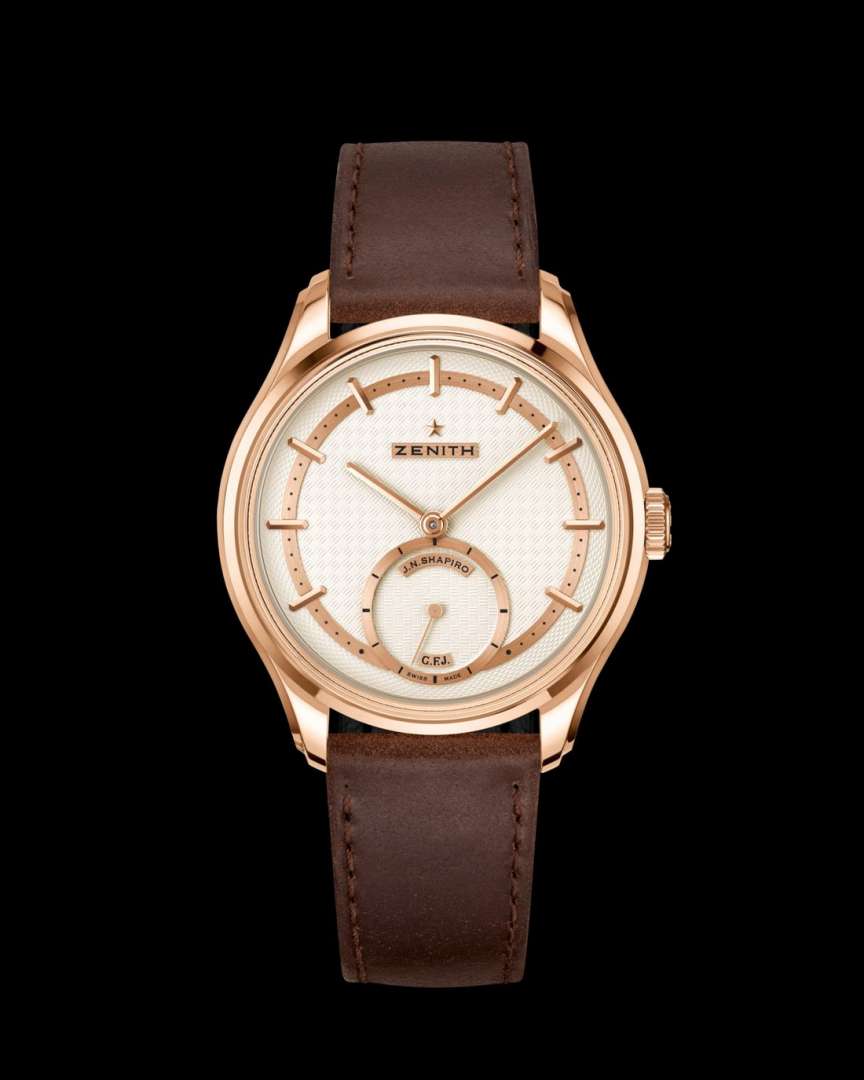
Every strap closes with an 18k rose gold pin buckle engraved with the G.F.J. initials, and a solid rose gold bracelet can be ordered on request through Zenith.
The handwork is the appeal and the constraint in the same breath, since hours at a rose engine are exactly why the run stops at 25 pieces.
Only 25 collectors get one.
Buy it if you collect hand-guilloché, because the $83,150 buys Shapiro’s hand across the dial and the movement, wrapped around the most awarded chronometer calibre in Zenith’s history.
Skip it if the calibre alone is your draw, since the standard G.F.J. runs the same movement without the hand-cut dial or the California finish. The edition stops at 25 pieces, and each dial was cut by hand in California.