
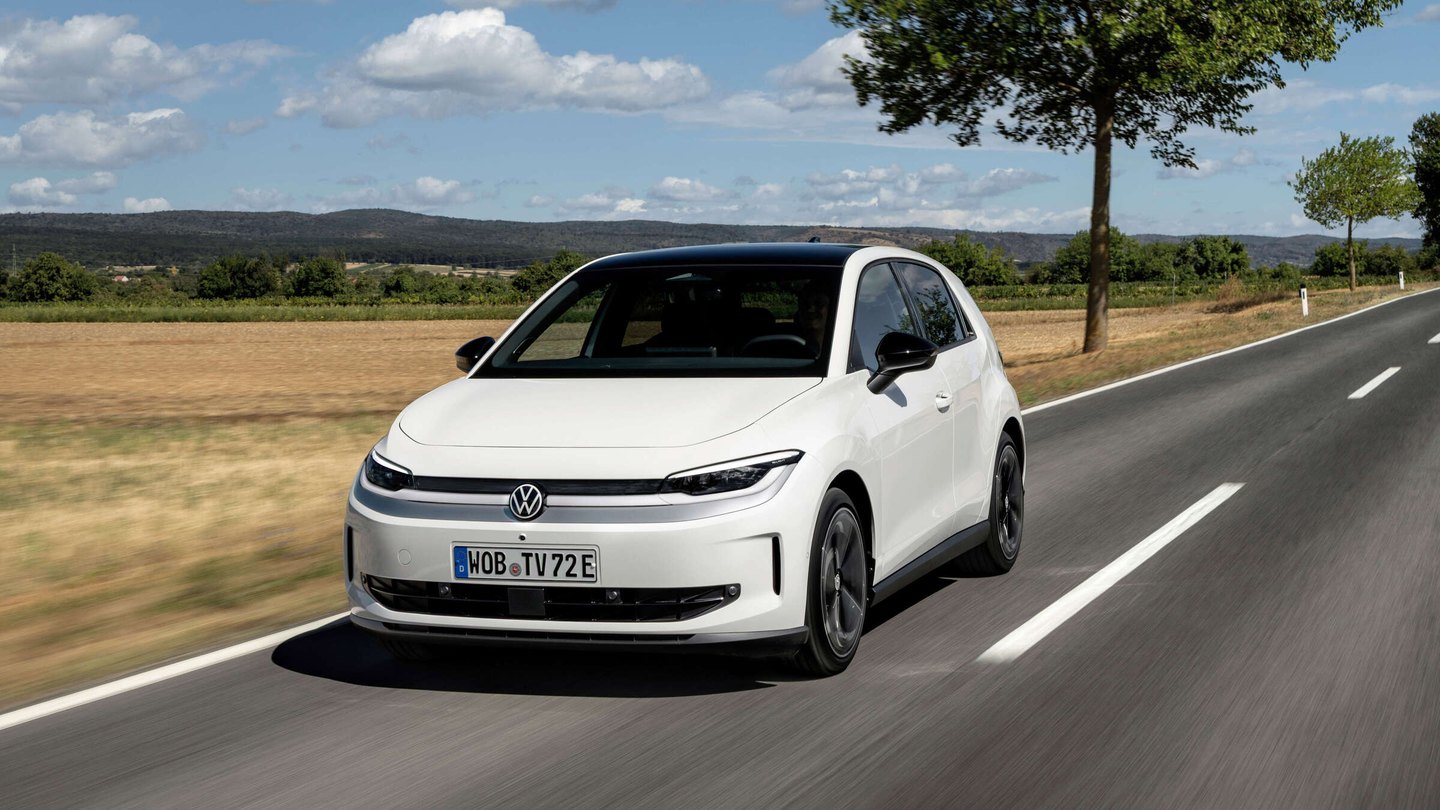
Three major German awards landed on the same small car within a few weeks, and the car hasn’t even had time to settle into showrooms. The all-electric ID Polo took the Golden Steering Wheel 2026, the overall German Car of the Year 2027 title and the Autonis design award, a sweep that covers price, overall package and looks in one pass.
Volkswagen’s own framing of the car starts with design, and the awards suggest the framing works.
The ID Polo is the first production model built entirely around the brand’s new Pure Positive design language, and the Autonis win counts as the first award that language has collected.
Pure Positive gives the small car a face people like
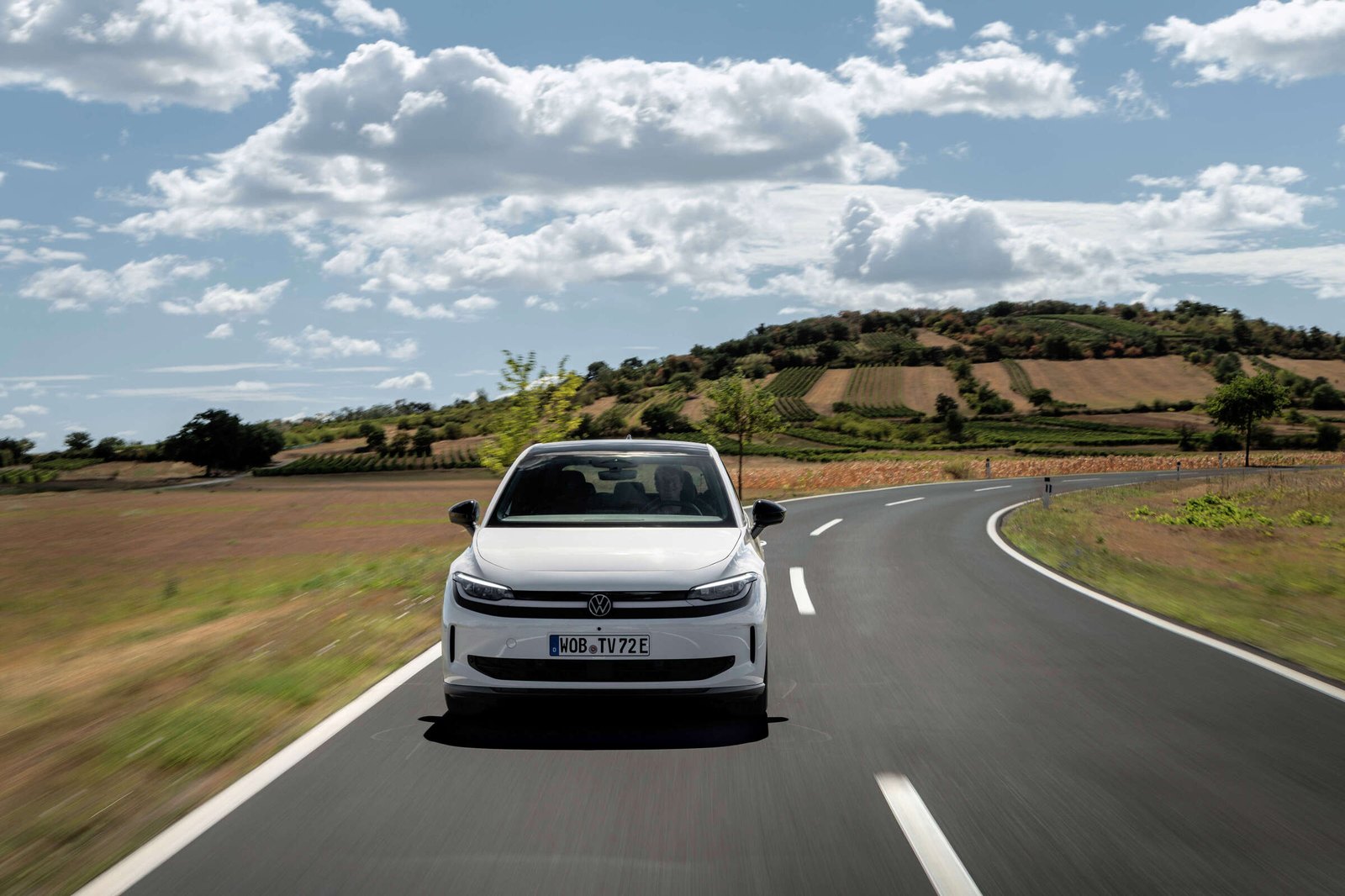
Clean surfaces carry the whole car. There’s no grille shouting for attention and no crease running just for drama, so the eye lands on the proportions first: short overhangs, a calm shoulder line and a C-pillar shape borrowed from the first Golf. The front end smiles a little. Volkswagen calls the look likeable, and the light signature does the smiling, with a horizontal strip and an illuminated logo on the Style trim tying the headlights into one friendly graphic.

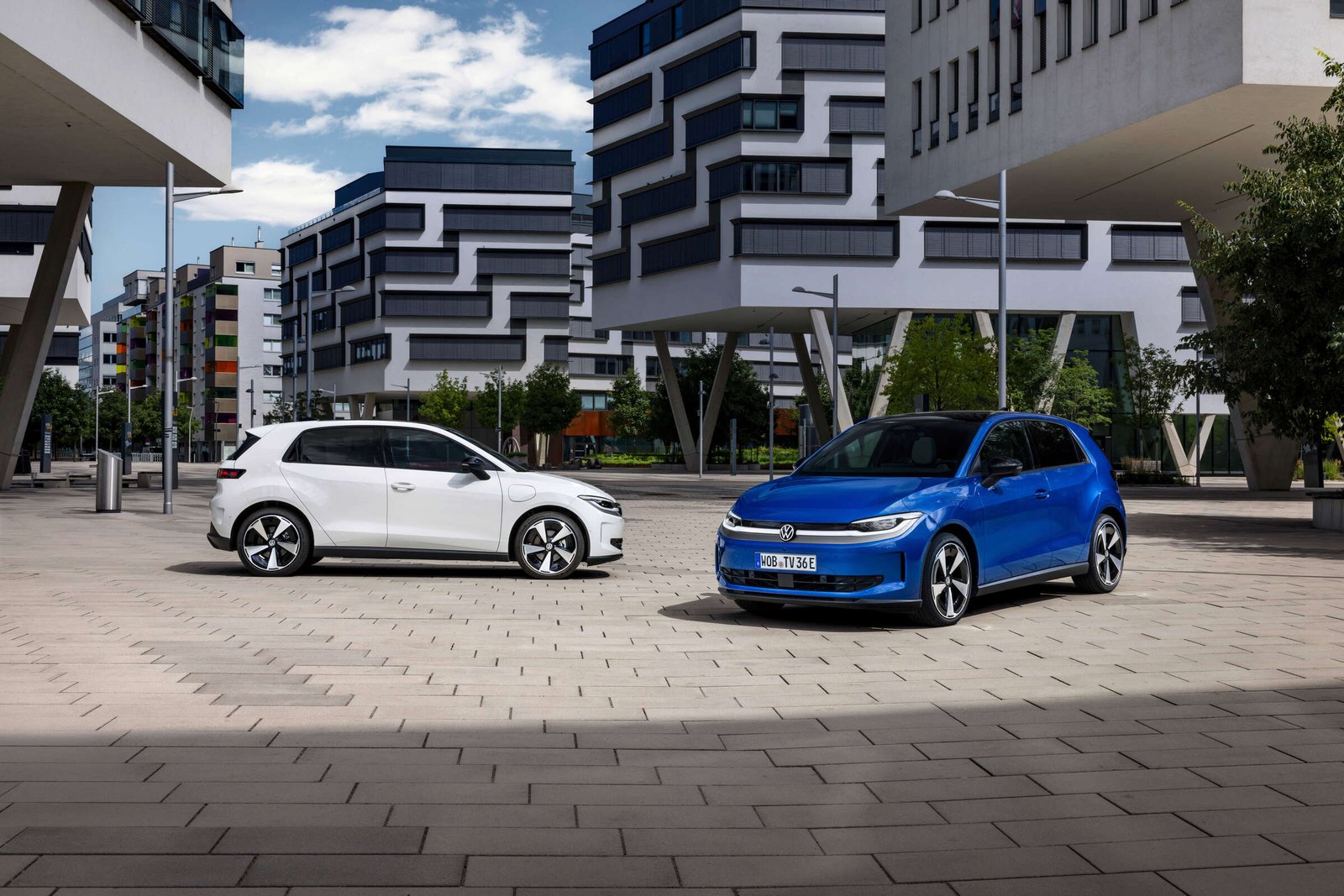
At the rear, the stance widens. A powerful shoulder and full-width light graphics give the small hatch a planted look that photographs bigger than its 4,053 mm length suggests.
Readers of auto motor und sport voted the ID Polo first in the Autonis small car category, ahead of every rival newcomer in the class. Volkswagen also won the Small SUV/Crossover category with the new T-Roc and the Vans category with the Multivan, so the design team swept its own homework too.
Three motors and two batteries sit under the clean lines
Front-wheel drive does the work, and buyers pick from three output levels.

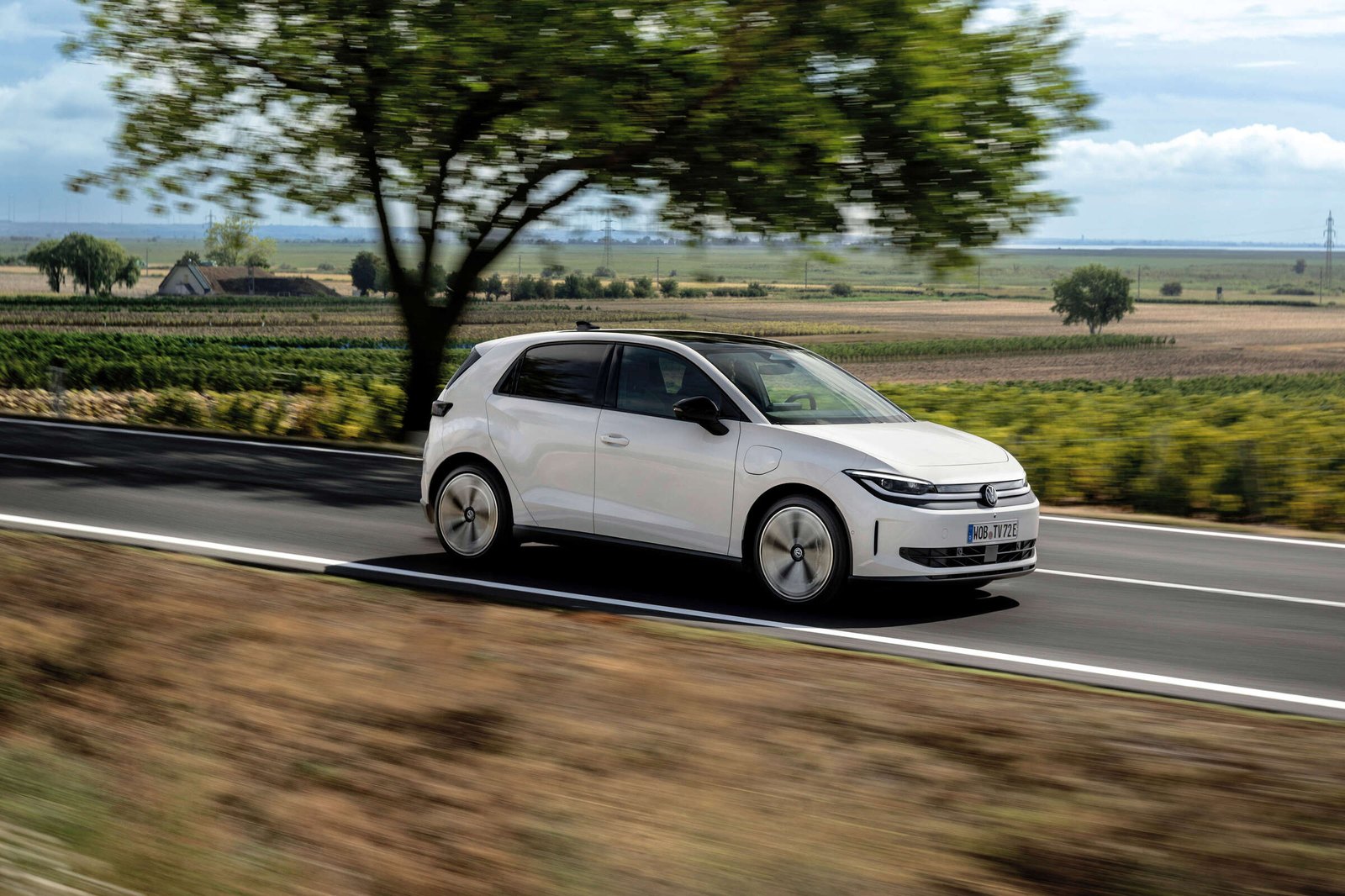
The range opens at 85 kW (116 PS) and 99 kW (135 PS), both paired with a 37 kWh lithium iron phosphate battery good for up to 329 km of WLTP range. The 155 kW (211 PS) version sits at the top.
Its 52 kWh nickel manganese cobalt battery stretches the range figure to 454 km, and a DC charge from 10 to 80 percent takes about 24 minutes, two minutes more than the smaller pack needs for the same window. Space beats the old petrol car by a wide margin. The luggage compartment grows 25 percent to 441 litres, and folding the rear backrests opens 1,240 litres, which puts a small hatch into compact-class territory for load carrying.
One-pedal driving comes standard, and the car can feed up to 3.6 kW back out through its charging socket to run external gear. Vehicle-to-load on a car at this price still feels like a trick borrowed from vans twice its size.
A cabin that borrows its manners from bigger Volkswagens
Physical buttons are back on the steering wheel and dash, a quiet admission that touch sliders frustrated owners of the earlier ID cars. The 26 cm Digital Cockpit sits on the driver’s visual axis, and the 33 cm Innovision display floats in the middle like a tablet. There’s even a retro display mode that redraws the instruments in the style of the Golf I facelift.
It’s a small joke, but it shows the design team thinking about charm as a feature, not an accident.
Connected Travel Assist arrives as an option and reacts to traffic lights, a first in this class. Side Assist, Lane Assist and Emergency Assist ride along as standard kit on the entry Trend trim. Trim lines run Trend, Life and Style, with the Style adding IQ.LIGHT matrix headlights and 3D LED tail light clusters.
Harman Kardon audio with 425 watts, a panoramic glass roof and 12-way seats with a pneumatic massage function all sit on the options list, unheard-of territory for a Polo a generation ago.
The Golden Steering Wheel seals the value end of the story
AUTO BILD and BILD am SONNTAG hand the Golden Steering Wheel to outstanding new models each year, and the ID Polo won the editorial award for the best car under 25,000 euros. The judges singled out the overall package and the fact that electric driving now reaches a price class many drivers can actually pay. German Car of the Year went further.
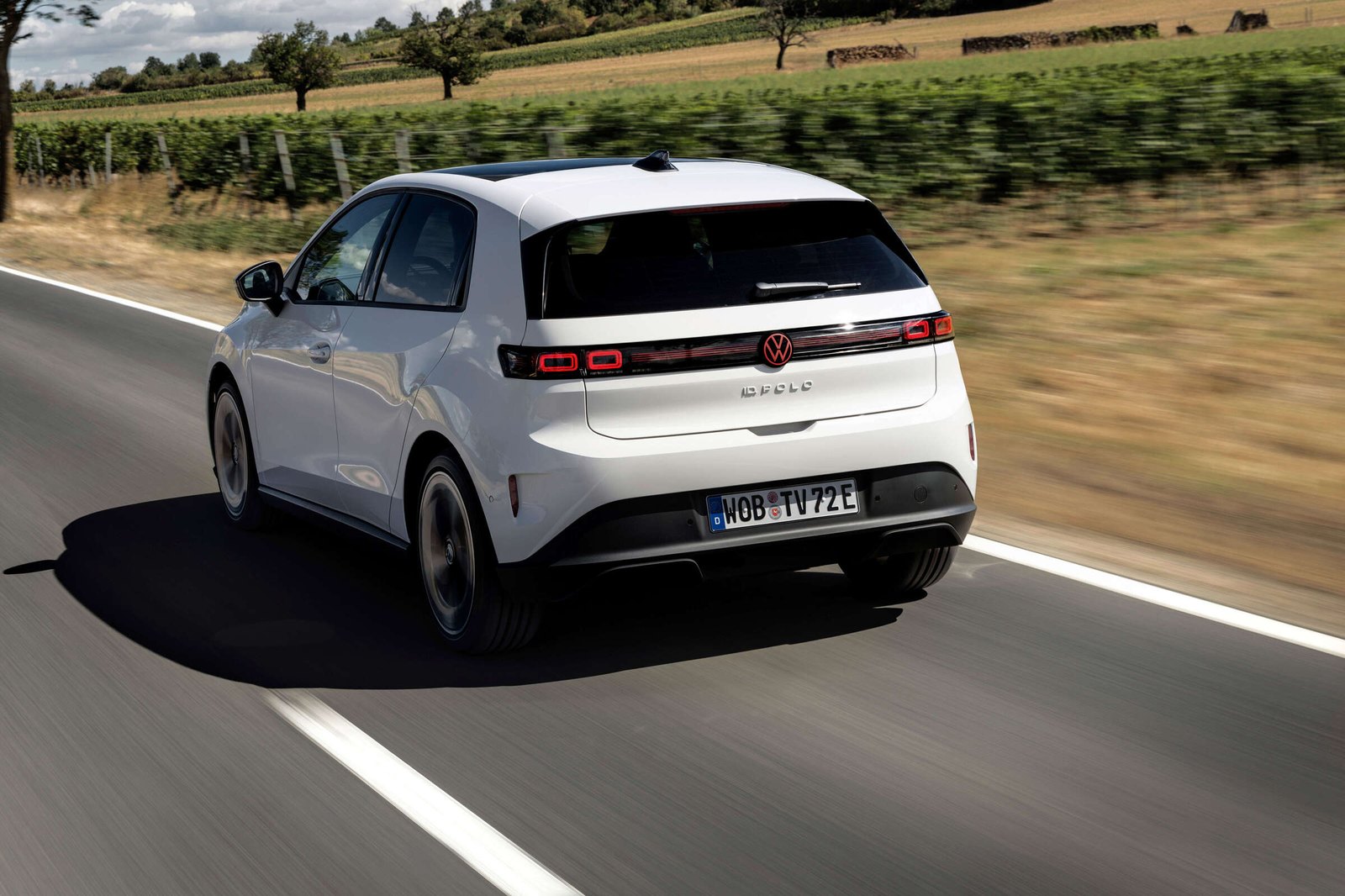
The ID Polo first won the Budget category for cars starting under 25,000 euros, then beat the four other class winners across two test days to take the overall 2027 title, decided by an independent jury of 47 German and international motoring journalists. Europe gets a vote next.
The ID Polo stands among the seven finalists for European Car of the Year 2027, the first final in the award’s history made up entirely of electric cars, with the winner named on 8 January 2027 at the Brussels Motor Show. Thomas Schäfer, who runs the Volkswagen brand, called the run a dream start and said customers, readers and experts confirm the brief: affordable, high-quality, fit for daily use and easy to operate.
Three trophies in a few weeks won’t sell the car on their own, but they’ve already done the hardest job in this segment, which is making a small electric hatch feel like the obvious choice.
Pre-sales in Germany opened with the 155 kW Life version, and the entry car follows in the summer. If the order books match the trophy shelf, Pure Positive won’t stay a design slogan for long.