
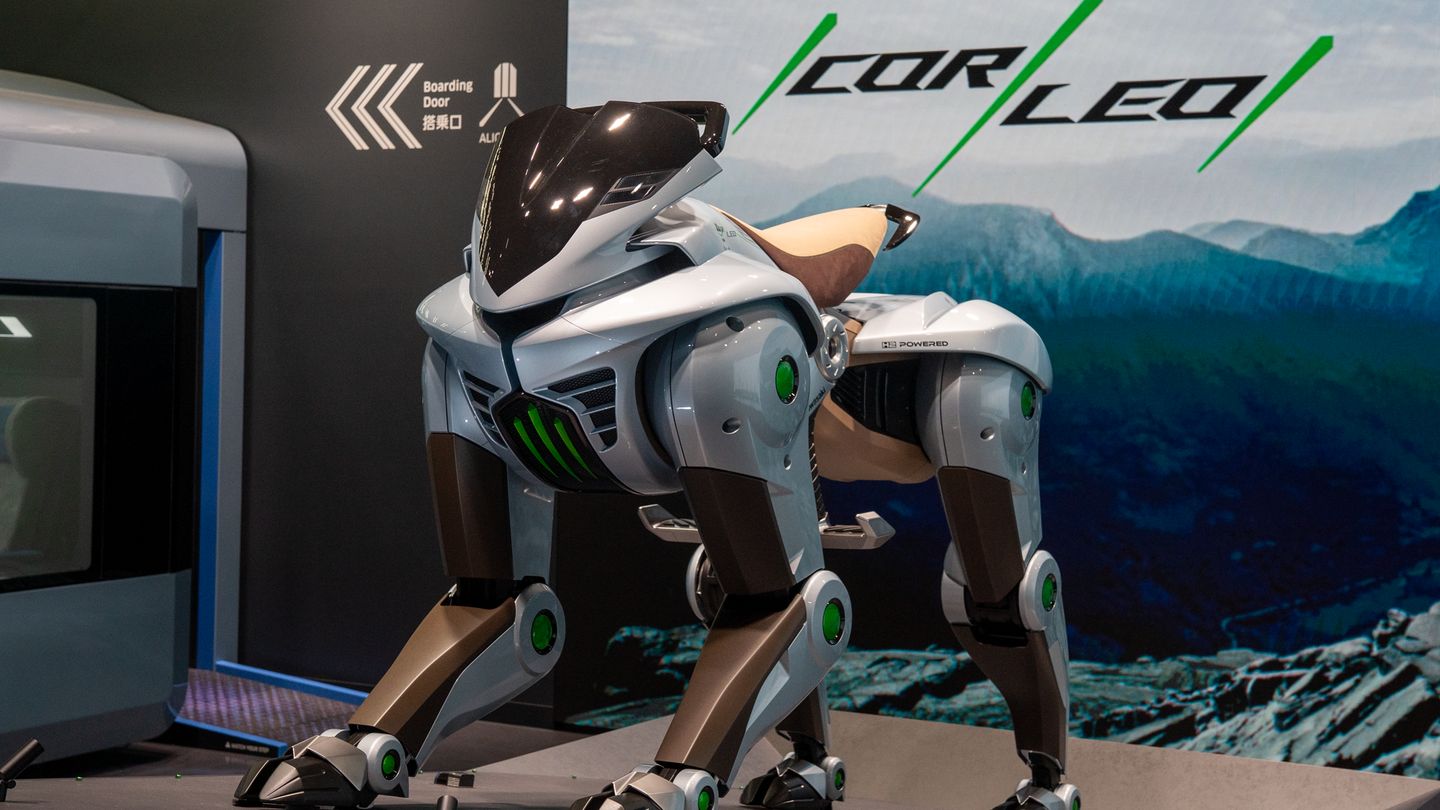
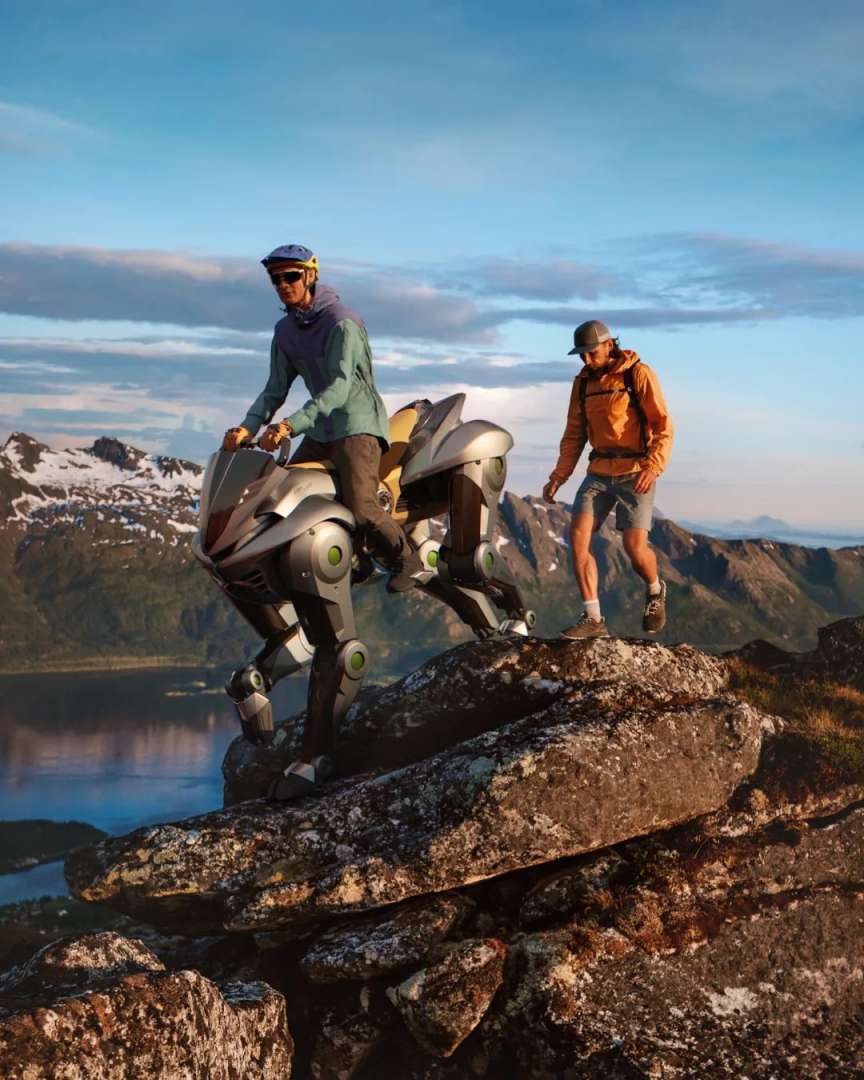
Most concept vehicles are styling exercises with a motor attached. CORLEO is stranger than that. Kawasaki has taken the motorcycle apart and rebuilt it as an animal: four robotic legs, a saddle, and a hydrogen engine where the fuel tank should be.
Filing the whole thing as Expo theater would be easy, and for a while that’s what it was. Then Kawasaki put a dedicated team on it, reporting directly to the company president, and gave the machine a schedule: a riding simulator by 2027, a rideable role at Expo 2030 Riyadh, and commercialization in 2035.
So the design questions are suddenly real ones, with deadlines attached.
Legs built with motorcycle logic
Kawasaki calls CORLEO an RMV, short for Robotic Multi-legged Vehicle, and it may be the only company that could build the thing in-house. The group makes industrial robots on one side of the house and motorcycles on the other. This machine is where those two floors meet.

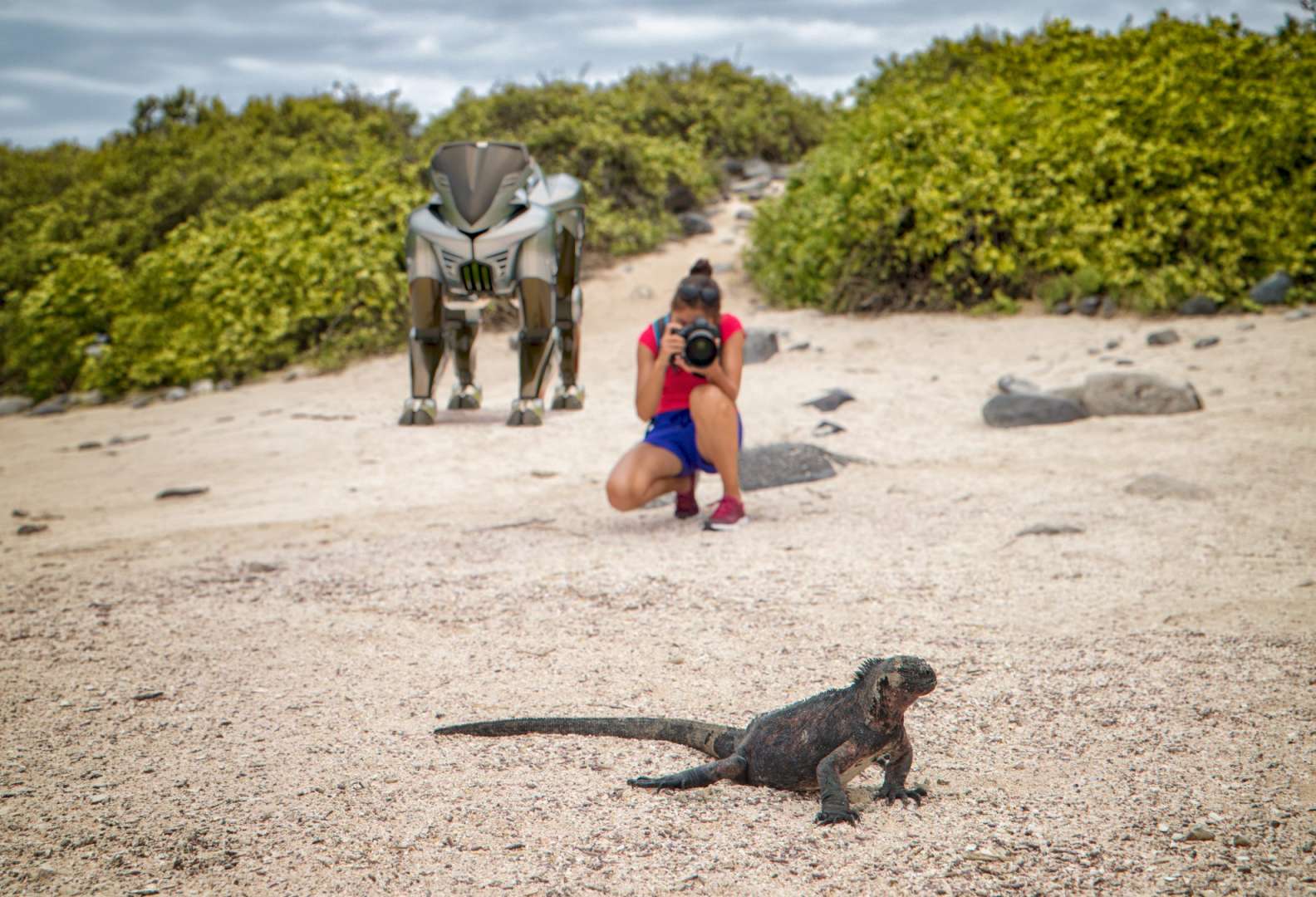
The rear legs hang from a swingarm, the same mechanism that holds a motorcycle’s back wheel, and they move up and down independently of the front pair. Rocks, roots and broken ground get absorbed low in the machine while the rider’s body stays level, eyes up, reading the terrain ahead. That split is the design brief: the legs do the scrambling so the person doesn’t have to.
Each leg ends in a rubber hoof, split to grip loose surfaces.
There’s no tire to puncture and no wheel to bury axle-deep in mud. On a trail, those are the two failures that end a ride, and legs simply route around both of them.
The controls are the rider’s own balance
Sit on a horse and you already know the interface. Lean, shift, settle your weight, and the animal reads the change and answers it. CORLEO is operated the same way, through the rider’s weight shifts, with support functions underneath that work to keep the machine’s footing steady on steep and broken ground.

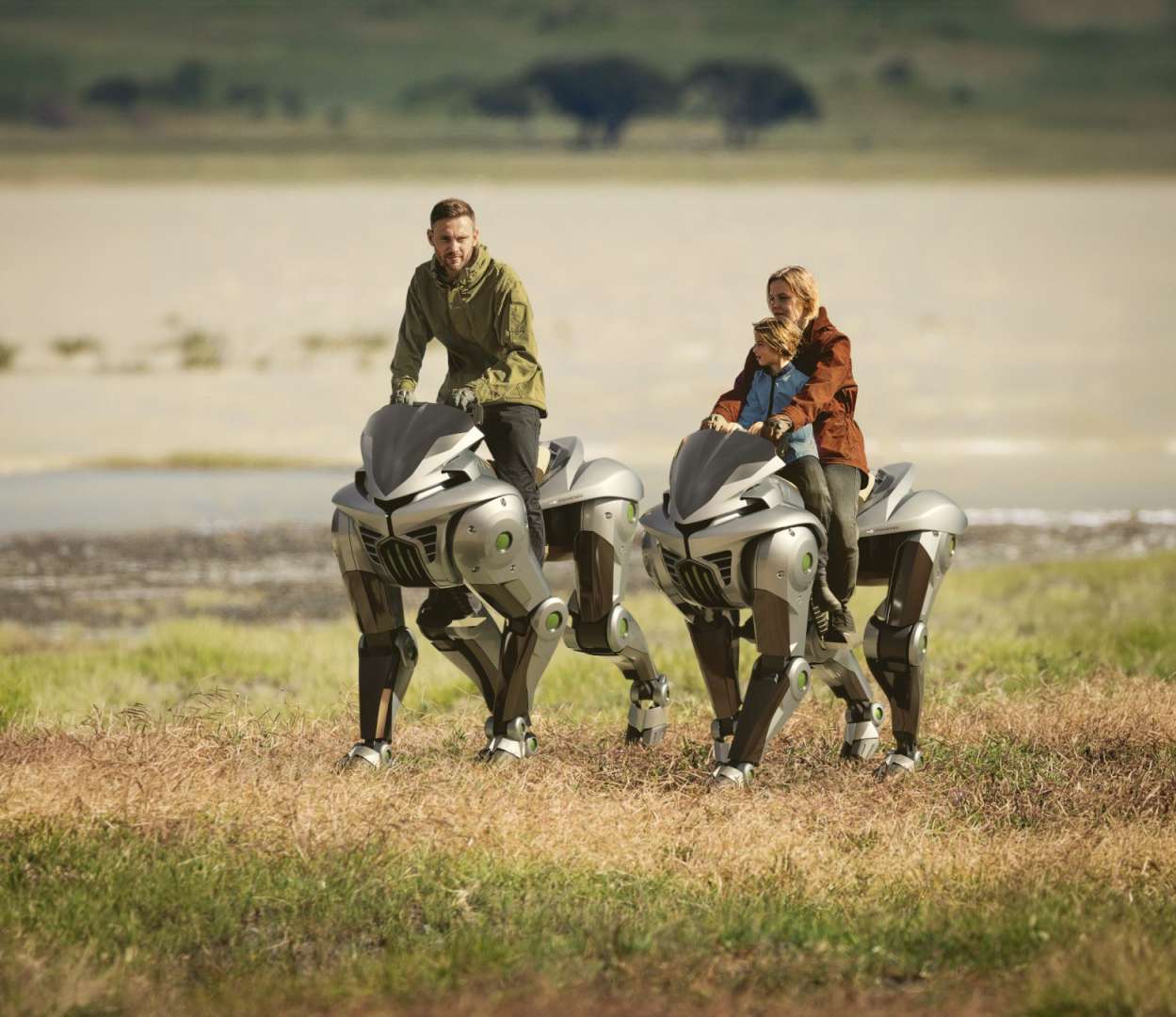
That one choice deletes most of the furniture a rider expects to find.

It also explains the saddle. The riding position is upright and open, closer to a horse than a sportbike crouch, because the rider has to move on top of the machine. Your balance is the steering input, so the seat can’t lock you in place.
Kawasaki’s film shows where all of this is supposed to lead: a rider crossing rock fields, snow and shallow rivers at a gallop, hands quiet on the bar. It’s a rendering of the target rather than a test result, and the company is upfront that the rideable machine doesn’t exist yet. Nothing the public can touch walks.
Hydrogen does the quiet work
The engine is a 150cc hydrogen unit, and it never drives the legs directly. It works as a generator instead. The electricity it makes runs a drive unit inside each leg, so every foot plants itself under electric control while the hydrogen burns in one small, steady place at the front of the machine.

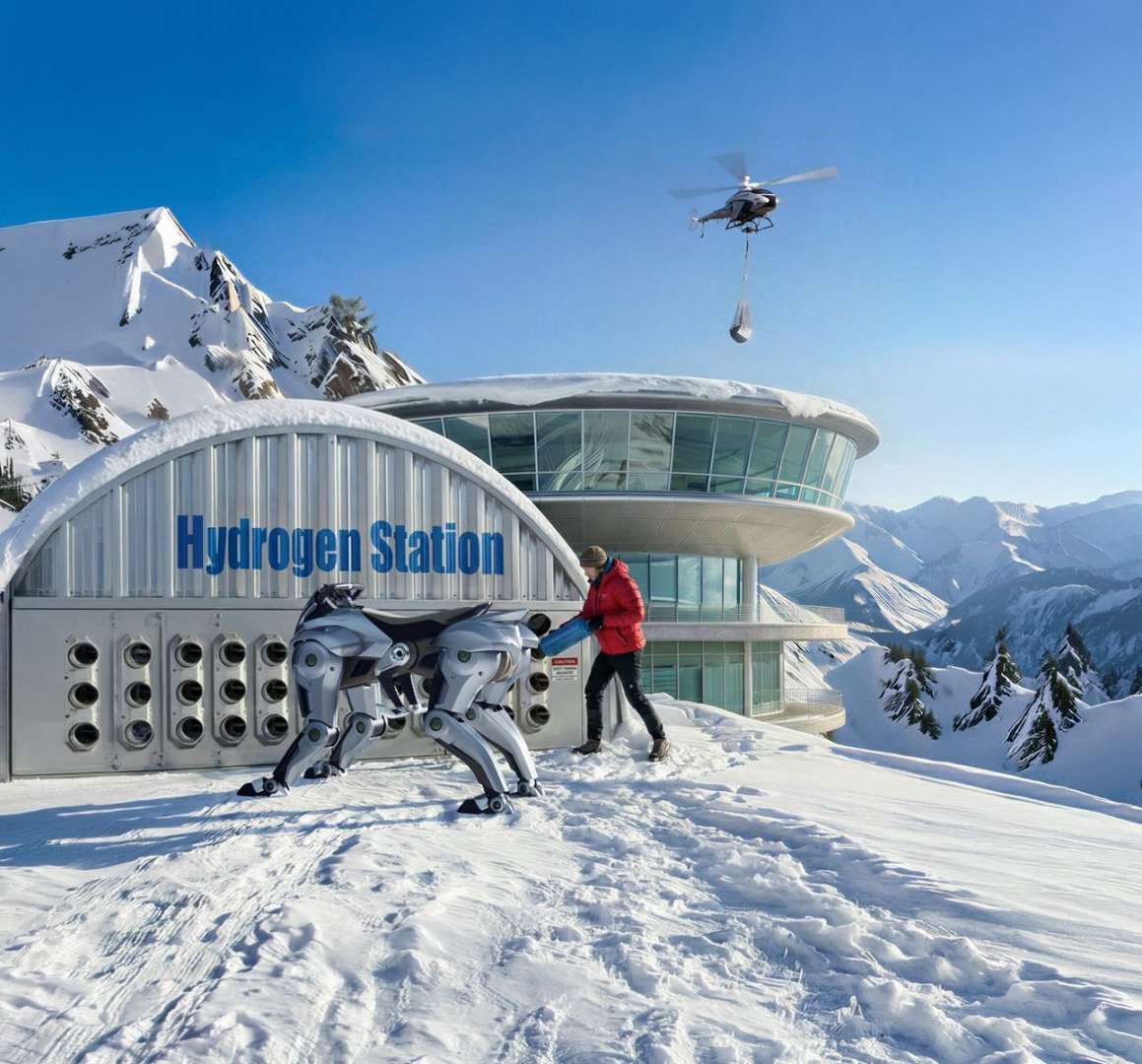
The fuel rides at the back, in canisters slotted into the rear. Kawasaki has spent years building hydrogen into its wider energy business, and CORLEO is that research wearing a saddle. What comes out of the exhaust is water.
What Kawasaki won’t give you yet is a single performance figure.
No top speed. No range. No output figure, and no price either. For now the spec sheet is mostly silhouette, and anyone quoting numbers for this machine is guessing.
A simulator arrives years before the saddle does
The first CORLEO the public gets to ride won’t have legs at all. Kawasaki is building a riding simulator as the development platform for the real machine, and it’s targeted for completion in 2027, years before a production version carries anyone anywhere.

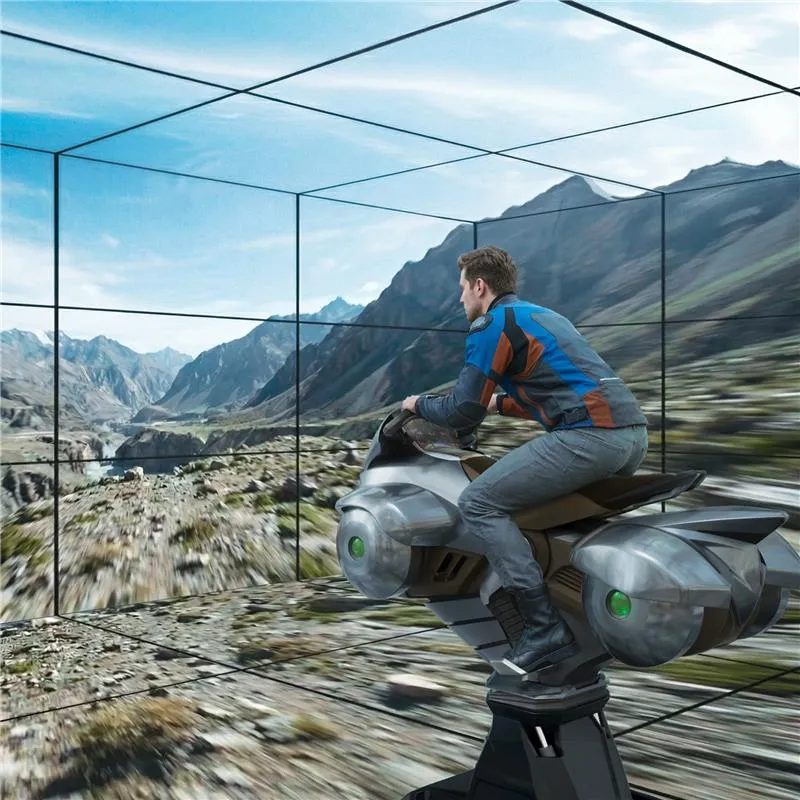
The simulator earns its keep twice over. Engineers feed on its motion data while they teach the real machine how riding should feel, and Kawasaki then plans to hand the whole system, 3D models included, to the gaming and esports industries as a new kind of competition.

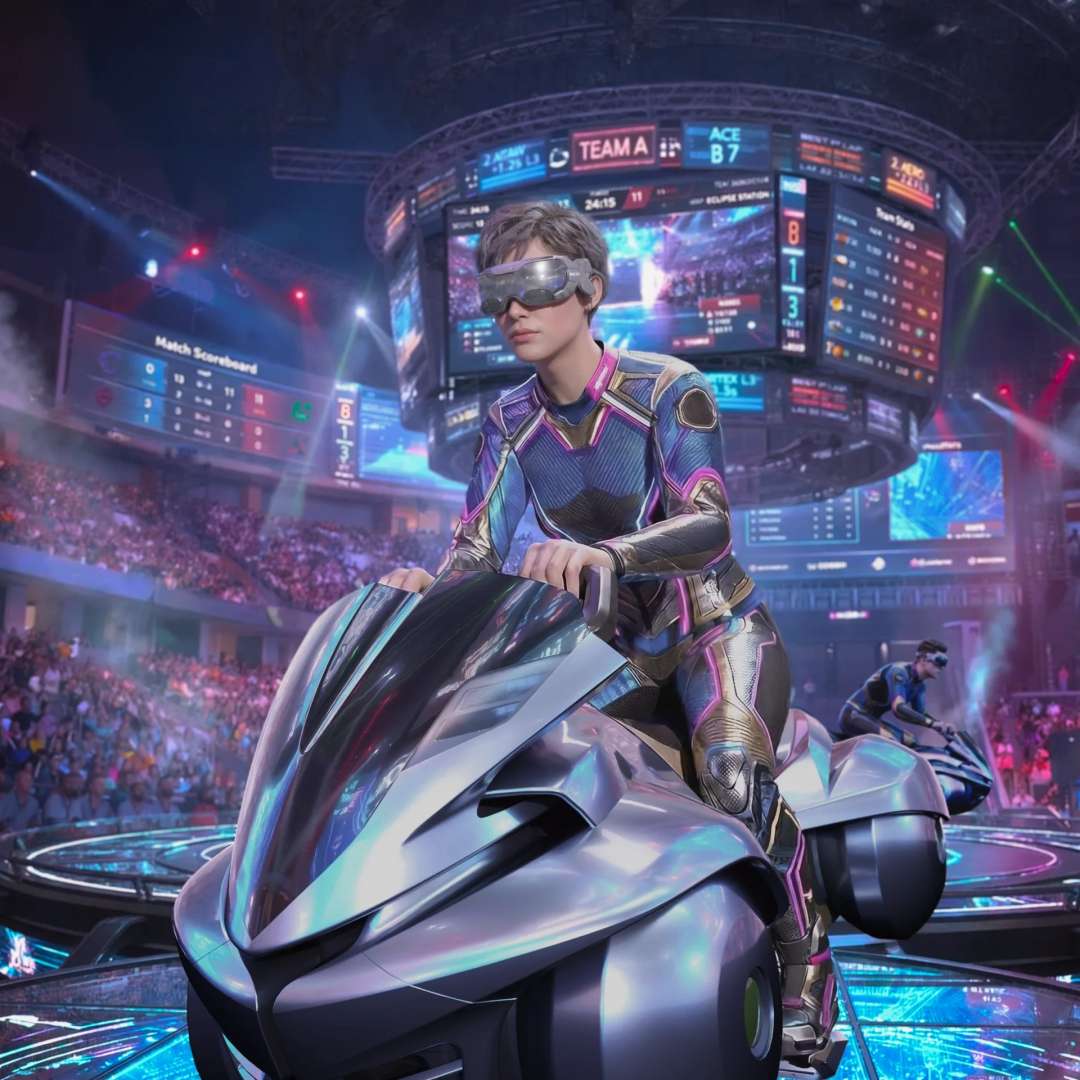
The physical machine has been touring instead. The full-scale mock-up went from Osaka to gamescom in Cologne and EICMA in Milan, where visitors climb aboard and learn its size with their own legs. Kawasaki built the mock-up at full scale for exactly that reason: the machine’s proportions are the argument, and they only land in person.
The mountain is the test track
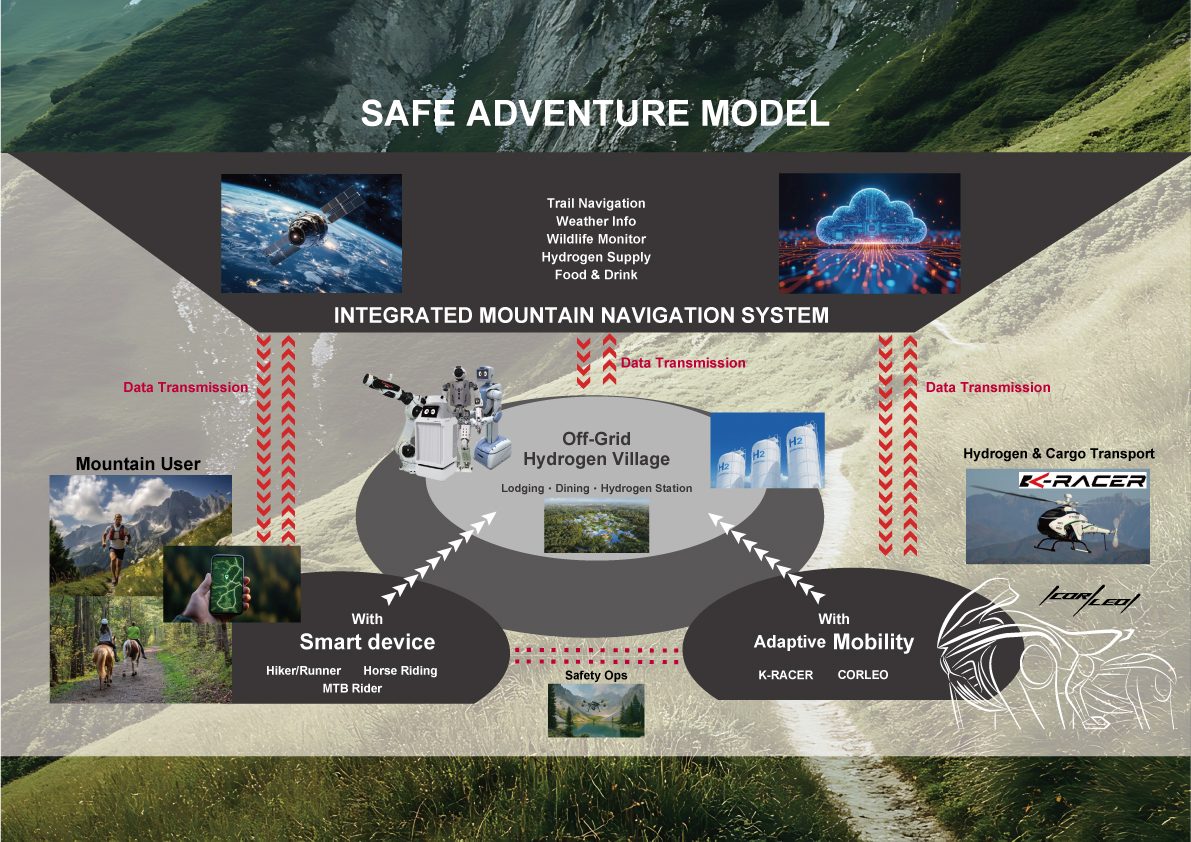
CORLEO is the core project of SAFE ADVENTURE, a wider program built around a plain goal: stop mountain accidents. Alongside the vehicle, the team is developing a navigation system that reads weather, temperature, road surfaces and wildlife, then guides riders toward safer routes.

The concept’s debut at Expo 2025 Osaka pulled in roughly 1.2 billion social media impressions, the kind of attention most concept vehicles never see.

Attention isn’t engineering, but it bought this program the things concepts rarely get: a team, the president’s ear, and a calendar. The 2050 daydream became an official development program in December 2025, and the dates since have only sharpened.
Whether a legs-first machine ever makes sense as a product is still an open question, and 2035 is a long way off. But as a piece of design, CORLEO is already doing its job. It asks what riding means once the wheels, and most of the controls, are designed out of the picture.