
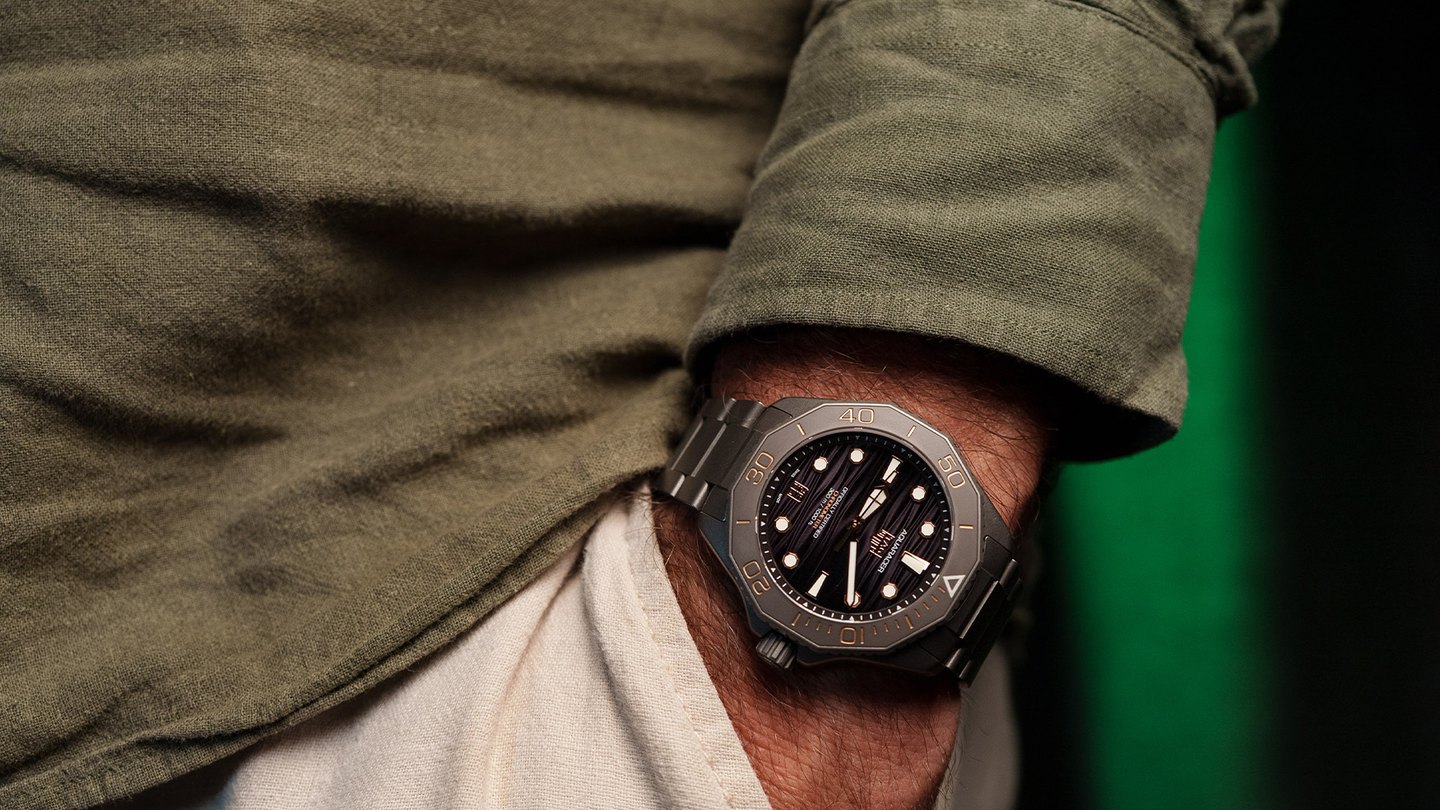
Two years ago a solar-powered diver in sandblasted titanium and rose gold sold out in a day, all 250 pieces, and the loudest complaint afterward was the movement. Buyers loved the look. They wanted gears behind it, not light.
TAG Heuer and Time+Tide listened.
The Sundowner II is that sequel, rebuilt one class up. It leaves the 40 mm Aquaracer Professional 200 platform for the Professional 300, grows to 42 mm, dives to 300 meters instead of 200, and swaps the solar calibre for a COSC certified automatic with an 80-hour reserve. The sunset colors stay. Almost everything else moved.
Time+Tide started in Melbourne as a watch publication, and its collaborations carry a reader’s instincts rather than a marketing department’s. Founder Andrew McUtchen called this one a crowd-inspired sequel, and the phrase fits.
A dial stamped with waves from a South Australian beach
Start where your eye lands. The dial is a brass plate stamped with wave ridges drawn from the water at Sellicks Beach, south of Adelaide, then finished in black sunray and sealed under a transparent varnish. In flat light it reads plain black. Turn your wrist and the ridges catch, ripple, and go dark again.

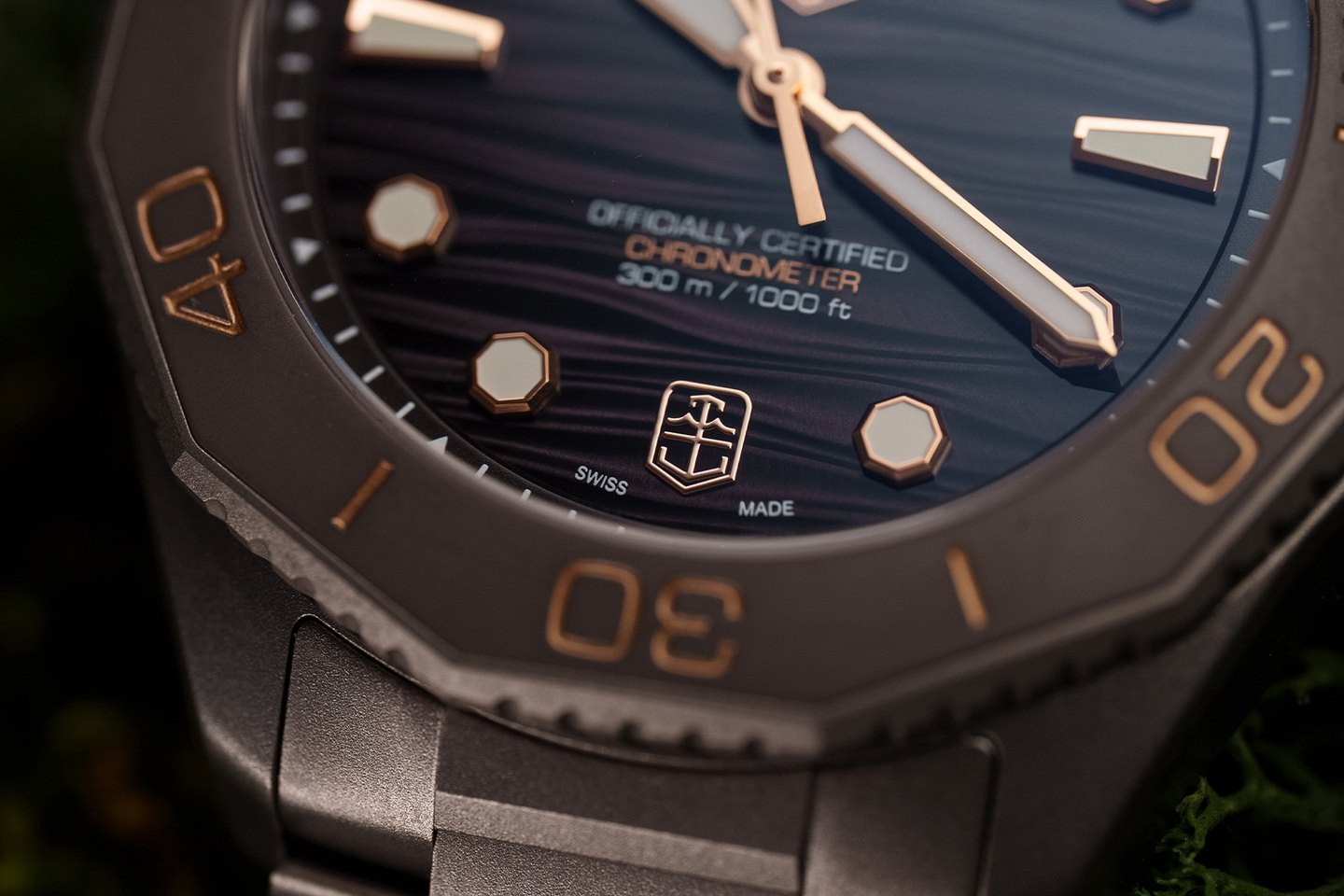
That ripple across the surface carries the design, a shoreline doing its work at wrist scale.
Against the black sit applied markers, hands, and both shield logos plated in 18k 5N rose gold, warm as late light on wet sand. There’s no date window and no magnifier over one, which makes this the only current automatic Aquaracer sold without a date. The dial breathes for it.
Sellicks Beach sits an hour south of Adelaide, its shallows going copper at the end of the day. That’s the Sundowner hour, first painted across a sandy dial, now across black water.
Sandblasted titanium under a grey ceramic bezel
Grade 2 titanium, sandblasted to a matte grey, keeps the 42 mm case light and kills every reflection a polished diver throws back. The finish reads closer to stone or cast metal than to jewelry, and it sets the rose gold off harder than steel ever would.
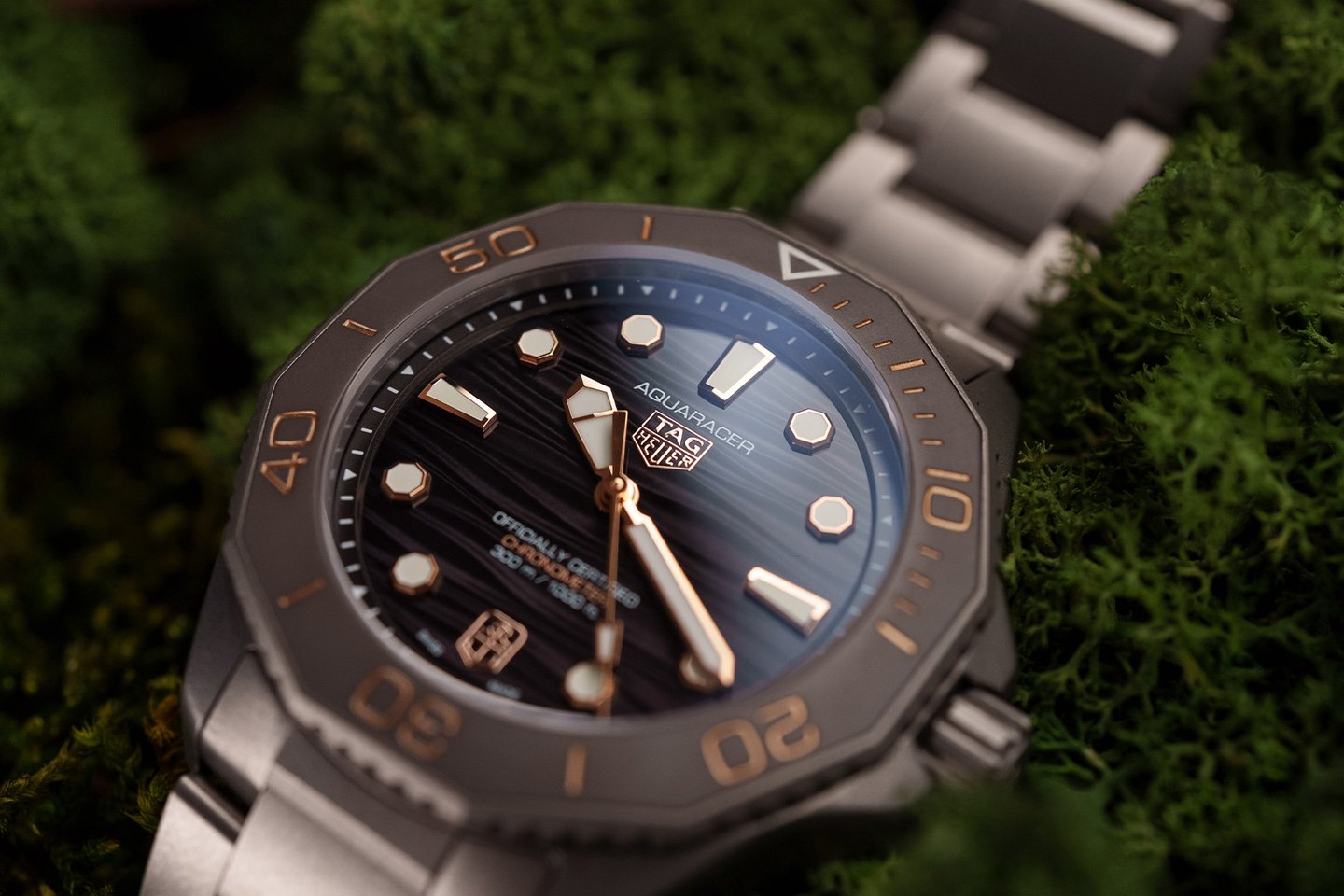
Cold metal, warm markings. The contrast carries the watch.
The twelve-sided bezel is familiar Aquaracer, but the insert is new here, grey ceramic with the diving scale in rose gold tones. A screw-down crown and a solid titanium caseback, engraved with the Time+Tide shield, close the case against its 300-meter rating. It’s a tool watch spec wearing evening colors, and the tension between those two registers is why the first one went so fast.
Titanium also changes the wear. A 42 mm steel diver announces itself by weight before you read its dial. This one sits quiet, all surface and no shine, and the size reads smaller than the spec sheet suggests.
The solar heart is gone and a chronometer sits in its place
Inside is the TH31-01, an automatic calibre built by Sellita’s AMT operation and certified by COSC as a chronometer. It runs at 28,800 vibrations an hour across 30 jewels and stores 80 hours of reserve, so a watch picked up on Monday morning is still running after a long weekend off the wrist.
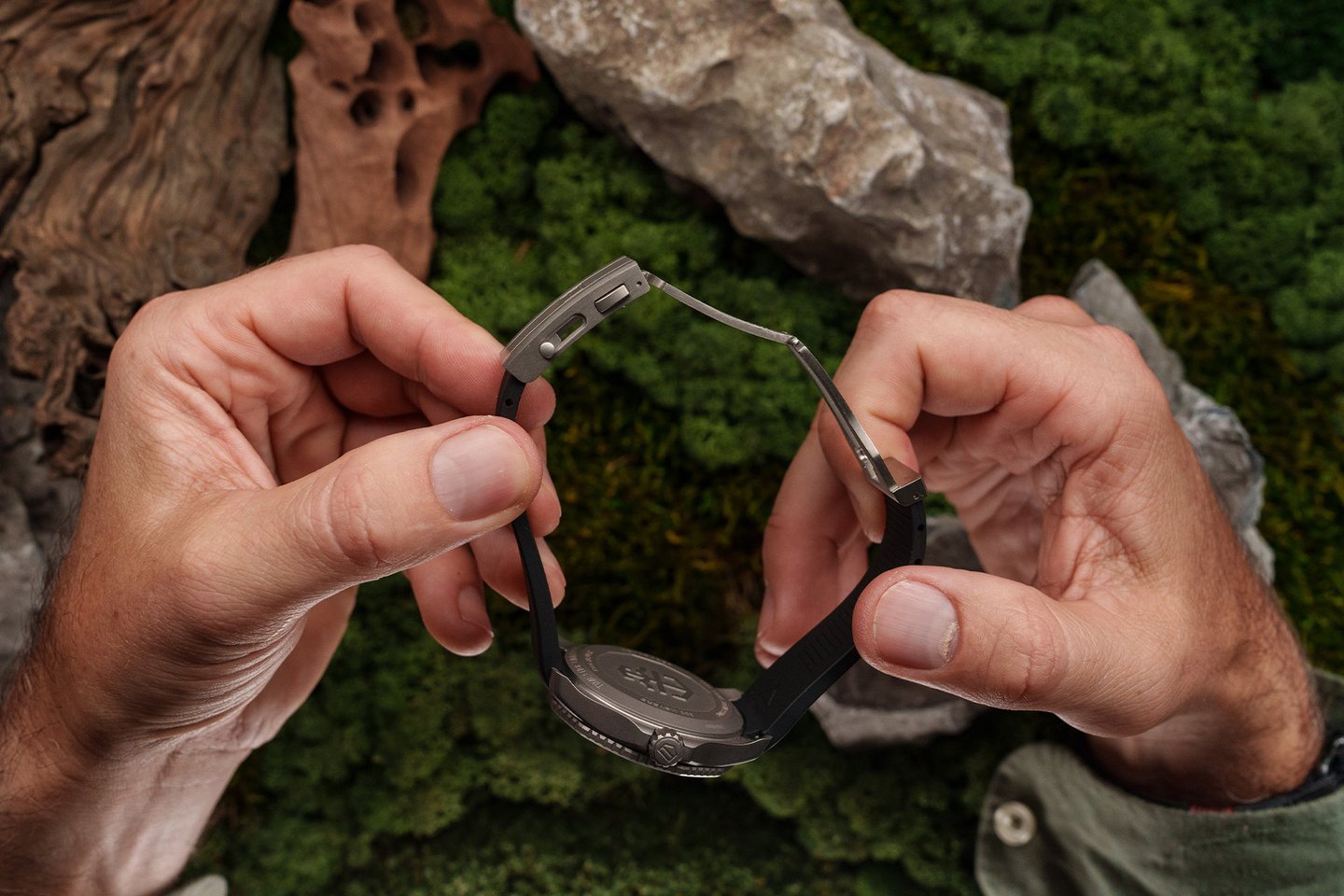
Powered by you, as the launch line puts it. The first Sundowner drank light. This one winds.

That swap also explains the jump in size and price. A solar module is thin and cheap to house. A certified mechanical calibre with this reserve needs the bigger Professional 300 case, and the watch climbs a full tier to sit beside TAG Heuer’s core mechanical divers instead of its quartz and solar flank.
COSC certification is a tested promise, not a styling note. Each calibre is measured across positions and temperatures before it earns the chronometer line on the dial, the same line sitting under the rose gold shield at twelve. On a limited run built with a publication, that third-party stamp keeps the sequel grounded in engineering rather than nostalgia.
Fifty on a bracelet and four hundred fifty on rubber
Two versions, split with intent. The rubber strap watch runs 450 pieces at $5,100, on a black strap you trim to size, closed by a titanium folding clasp with micro-adjustment. The bracelet watch stops at 50 pieces, $5,750, on a three-link titanium bracelet.

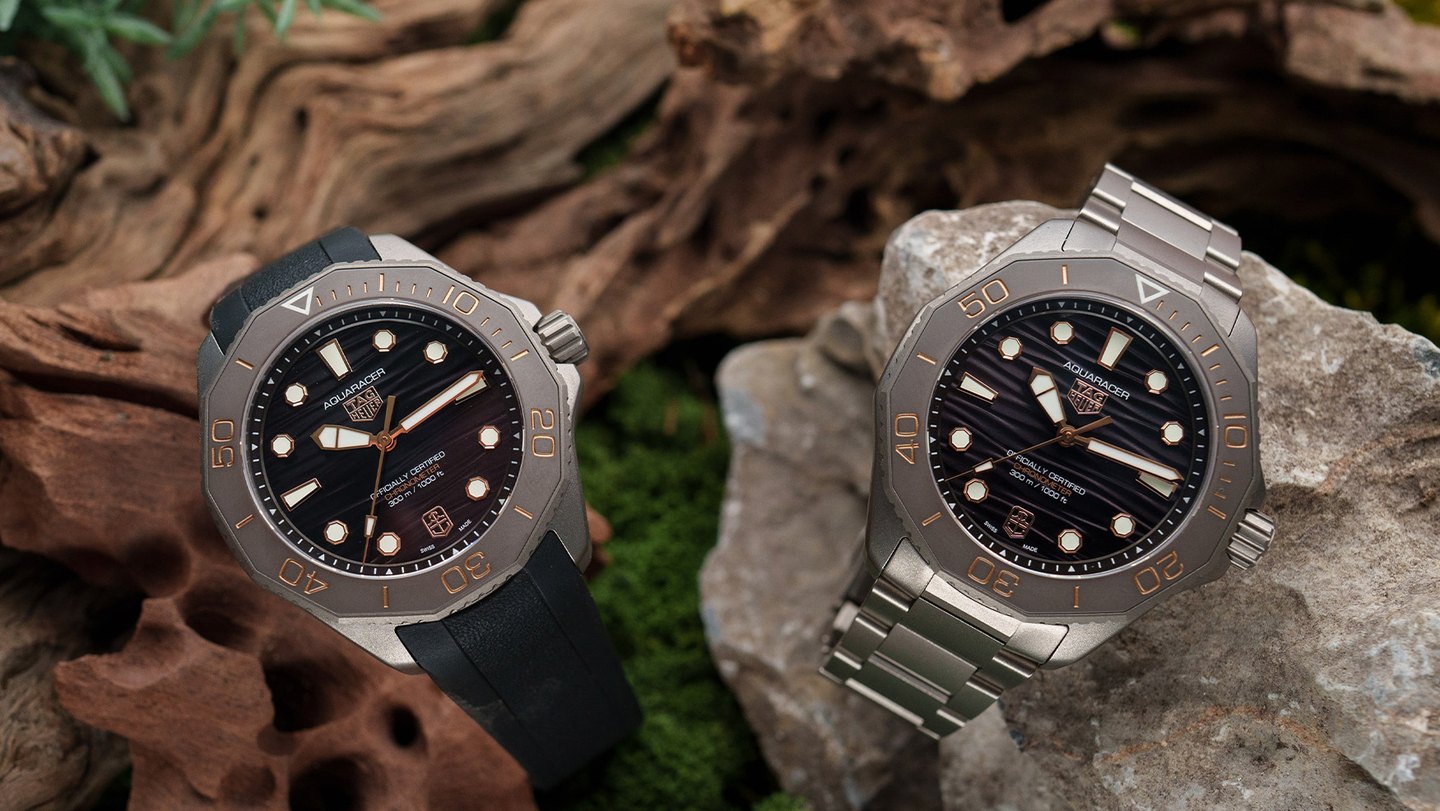
Fifty. That number will do the selling by itself.
Sales run through the Time+Tide shop and its studios in London, New York, and Melbourne, with priority access opening on November 12 ahead of the public sale later that day. The first Sundowner’s 250 pieces lasted a day. This run totals 500 across both versions, and the bracelet allocation is a fifth of the original’s entire production.
Pick by how you wear a diver. Rubber for the water, light and quick to rinse. Titanium for the desk-to-dinner run, where the matte bracelet forms one unbroken surface from case to clasp.
What the numbers say
The full sheet, for the reader who specs a diver before admiring one.
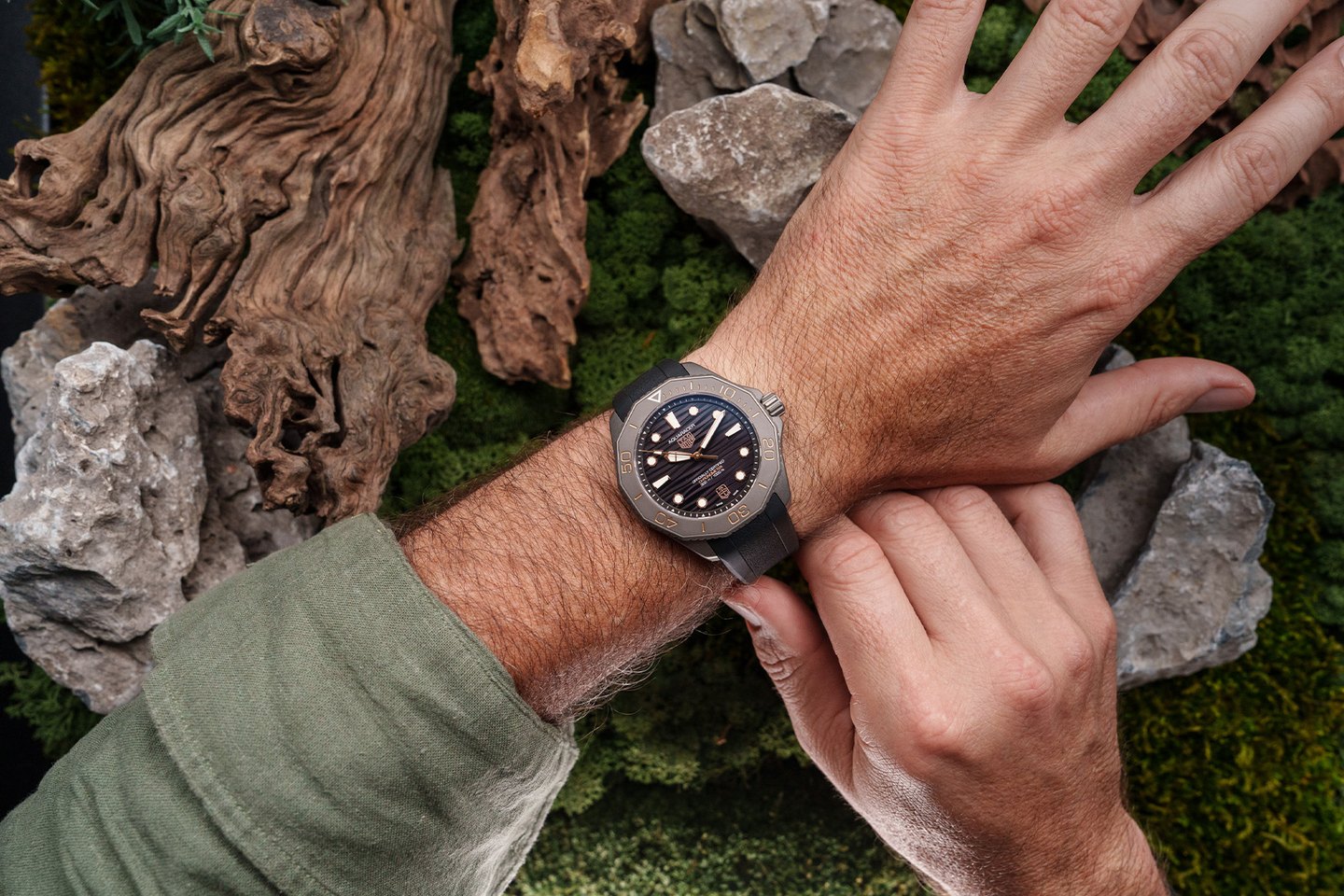
| Case | 42 mm by 12 mm, 48 mm lug to lug, sandblasted Grade 2 titanium |
| Bezel | Twelve-sided, grey ceramic insert, rose gold toned diving scale |
| Dial | Black sunray over stamped wave ridges, transparent varnish, 18k 5N rose gold plated markers and hands |
| Movement | TH31-01 automatic, COSC certified, 28,800 vibrations per hour, 30 jewels |
| Power reserve | 80 hours |
| Water resistance | 300 m, screw-down crown |
| References | WBP5184.FT6257 on rubber, WBP5185.BF0010 on bracelet |
| Price | $5,100 on rubber, $5,750 on bracelet |
Sequels in watchmaking usually add a color and call it a year. This one answered the single criticism its predecessor earned, rebuilt itself around a certified mechanical calibre, and kept the one thing nobody complained about, that dusk light caught in rose gold over black water. Design first, hardware second, and the design held.
There’s a wider read here too. Watch publications rarely get to build the sequel to their own collaboration, and brands rarely hand the pen back after a sellout. This project kept both sides in the room, and the watch is better for the debate the first one started.
If the bracelet is your pick, November 12 isn’t a date to browse. It’s a date to be early.