
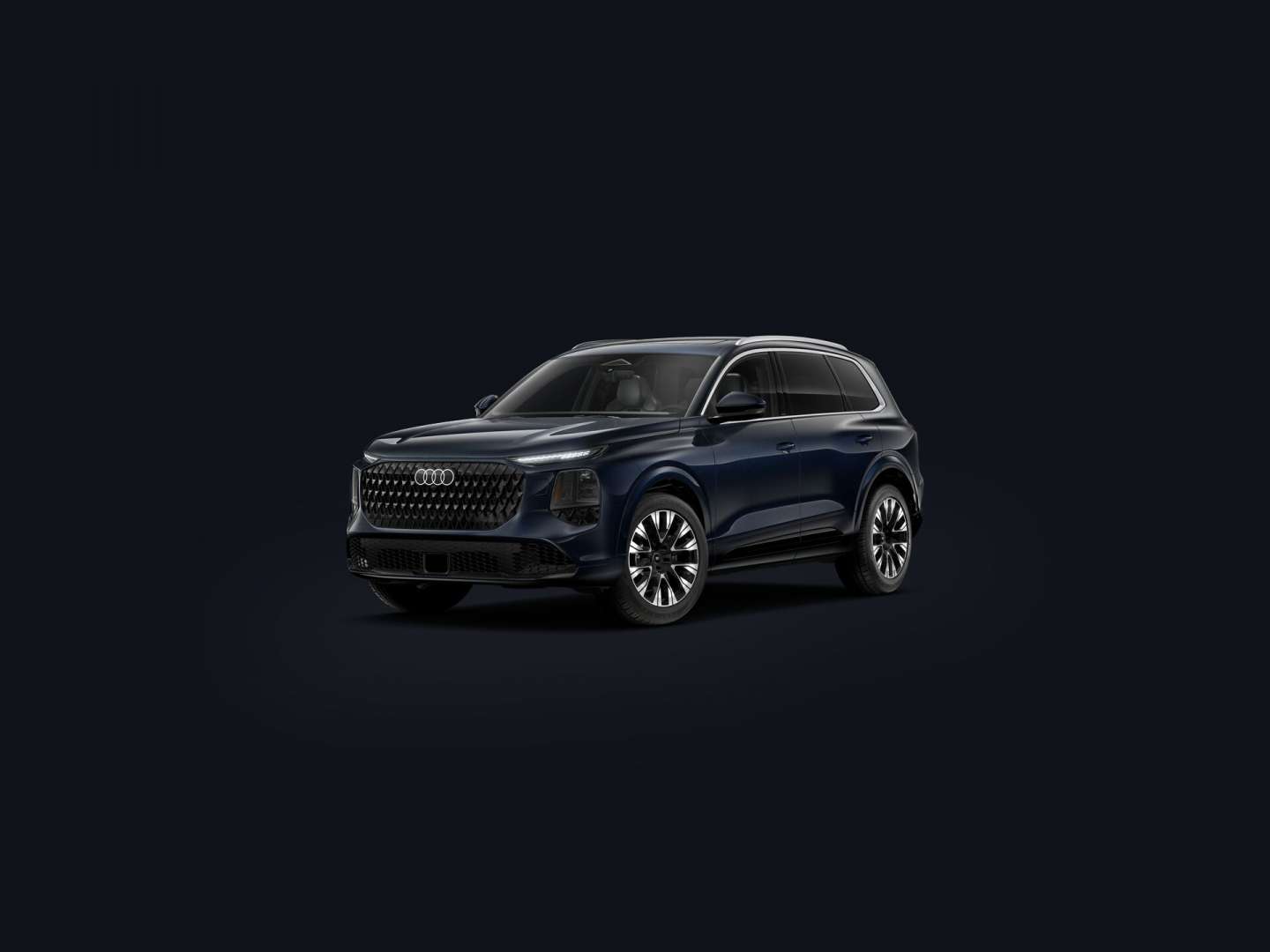
The third generation Audi Q7 arrives with the feature American buyers have watched Europe keep for a decade, Digital Matrix LED headlights that stay bright while carving shadow around traffic. The wait for them is over at last.
Each headlight carries about 25,600 individually controllable micro LEDs, and the system switches individual elements off as its cameras track other vehicles, so the high beams stay on without blinding the driver ahead. Pricing opens at $72,295 including destination. The body stands two inches wider and three inches taller than the SUV it replaces, wheelbase unchanged, third row standard. The accessory shelf is stocked too, with WeatherTech cargo liners for the outgoing Q7 on Amazon.
Price: From $72,295 for the Q7 and $100,095 for the SQ7, including destination
Where to buy: Buy at Audi
Power moved up a class on both models

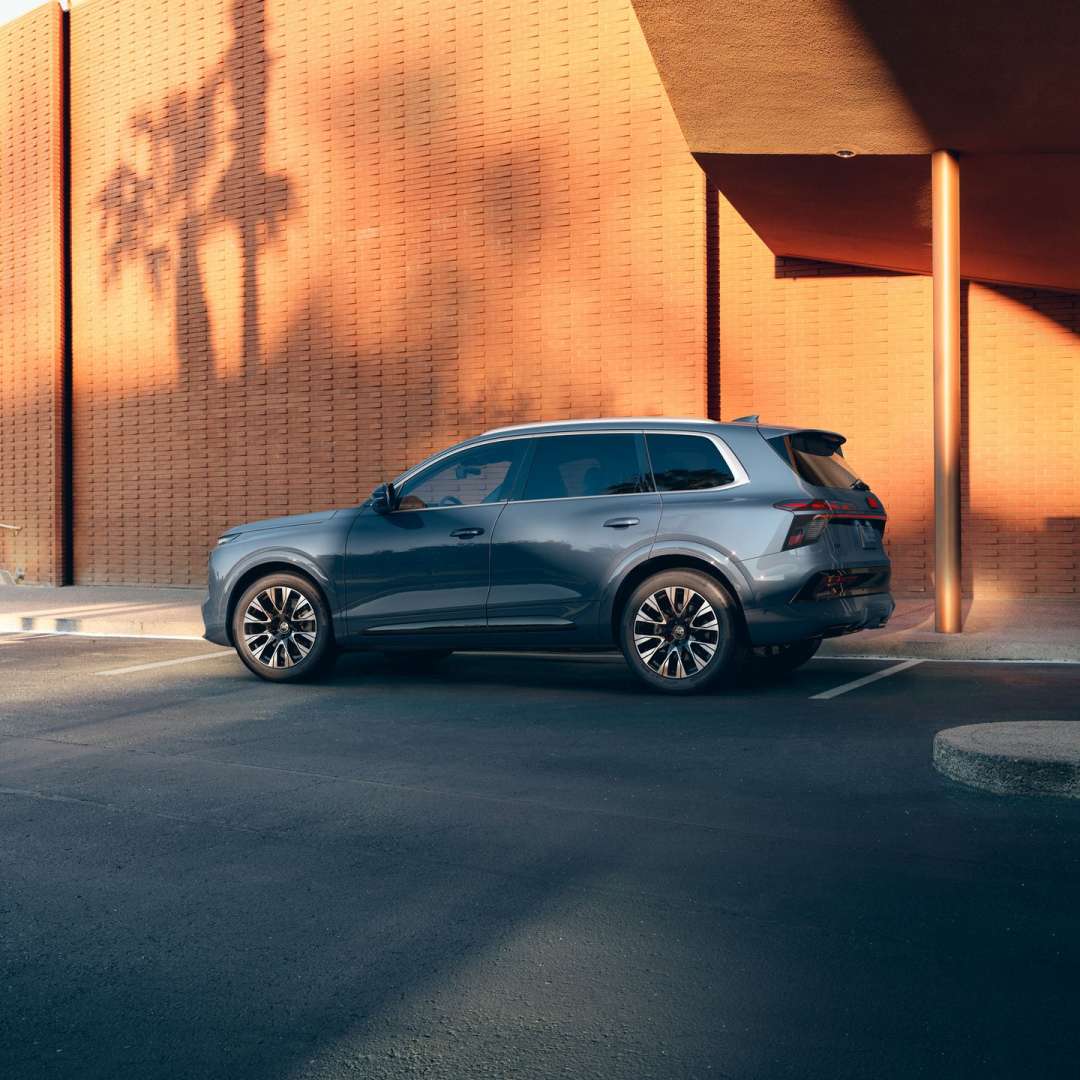
Every Q7 now runs one engine, a 2.9 liter twin-turbo V6. The old four cylinder option is gone for good.
That V6 makes 429 horsepower and 442 lb-ft of torque, a gain of 94 horsepower over the old V6, driven through an eight speed automatic and quattro all-wheel drive with a new limited-slip center differential. Audi claims 4.8 seconds to 60 mph. The same powertrain tows up to 7,700 pounds, so the family brief and the performance brief finally share one engine room for the first time in the nameplate’s run.
The SQ7 answers with a 4.0 liter twin-turbo V8 making 591 horsepower and 590 lb-ft of torque, good for a claimed 3.7 seconds to 60 mph in a three row SUV. Air suspension is standard there. Rear axle steering joins the options list to shrink the turning circle that made the old car feel its size in parking structures and tight city garages.
Three screens and a cabin built around them
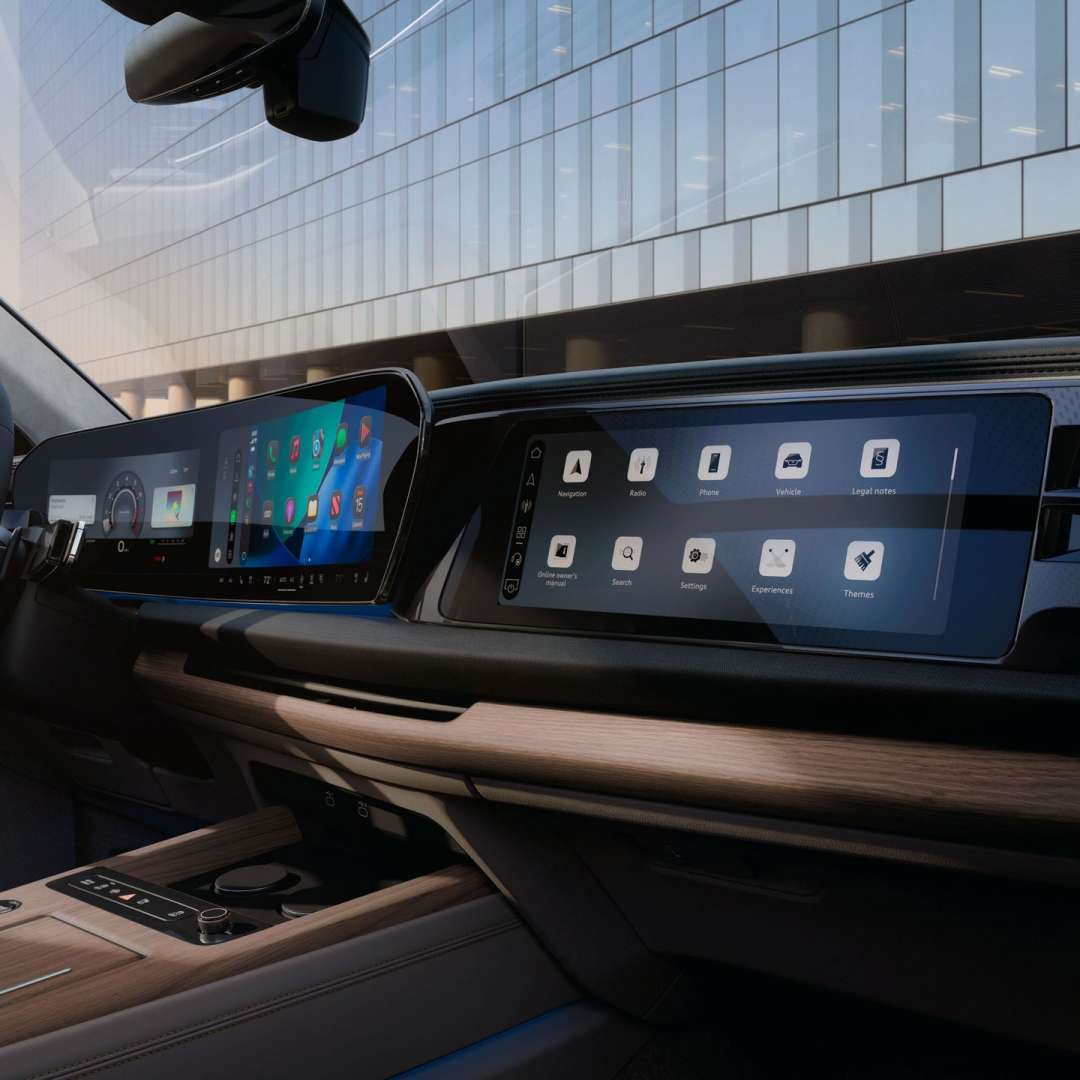
The dashboard runs three displays as standard equipment across both models in the range. Screens run this cabin.
An 11.9 inch instrument panel sits beside a 14.5 inch center screen, and a 12.3 inch passenger display completes the row, while cargo space measures 15.1 cubic feet behind the third row and 78.1 with both rows folded flat. The second row can trade its bench for captain chairs. That swap cuts seating to six and turns the middle row into the two best seats in the house for long drives down dark two lane highways.
An available hands-free highway driving system handles steering, throttle and braking on divided highways under supervision, and a 22 speaker Bang & Olufsen system with seat exciters leads the options list. The cabin trade is plain to see. Nearly every control now lives on a screen, and drivers who prefer physical switches for climate will find almost none left to press anywhere on the dash.
Why the lights change the car
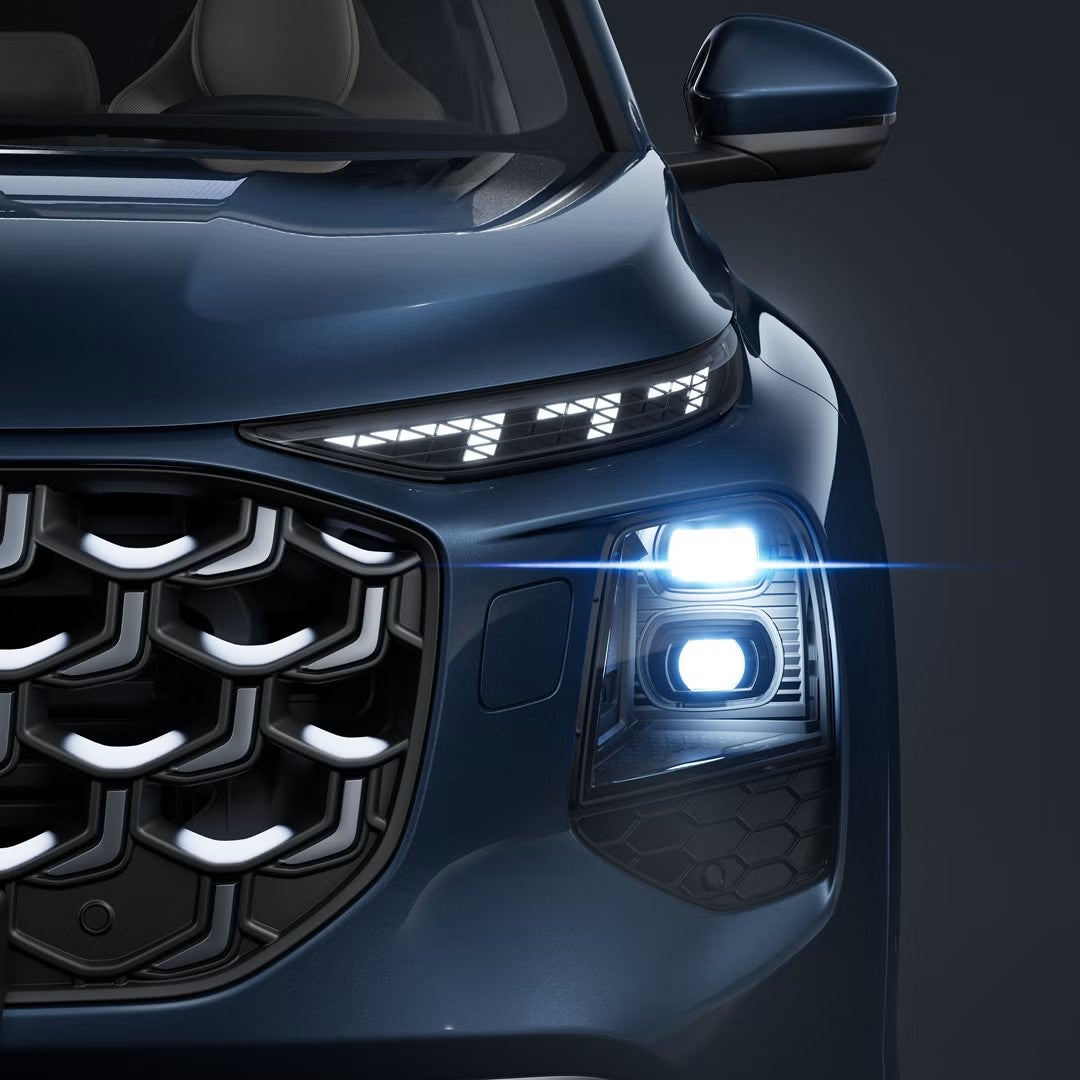
Adaptive beam technology has been legal in Europe and Canada for years while American rules kept it off this market. Its arrival on a mainstream luxury SUV marks a genuine change rather than a trim walk novelty for the brochure. At the rear, digital OLED taillights carry 436 segments with customizable signatures, and an extended turn signal projects its indicator onto the road surface at night for the cyclists and pedestrians riding beside the car in traffic.
The Q7 at $72,295 undercuts its German rivals while carrying more standard power than either of them offers at the price. Families who drive dark rural roads gain the most here. The matrix lights and the stronger V6 answer the two complaints the old car heard most, while city buyers pay for capability they’ll rarely switch on during the school run, the commute and the airport run.
Price: From $72,295 for the Q7 and $100,095 for the SQ7, including destination
Where to buy: Buy at Audi