
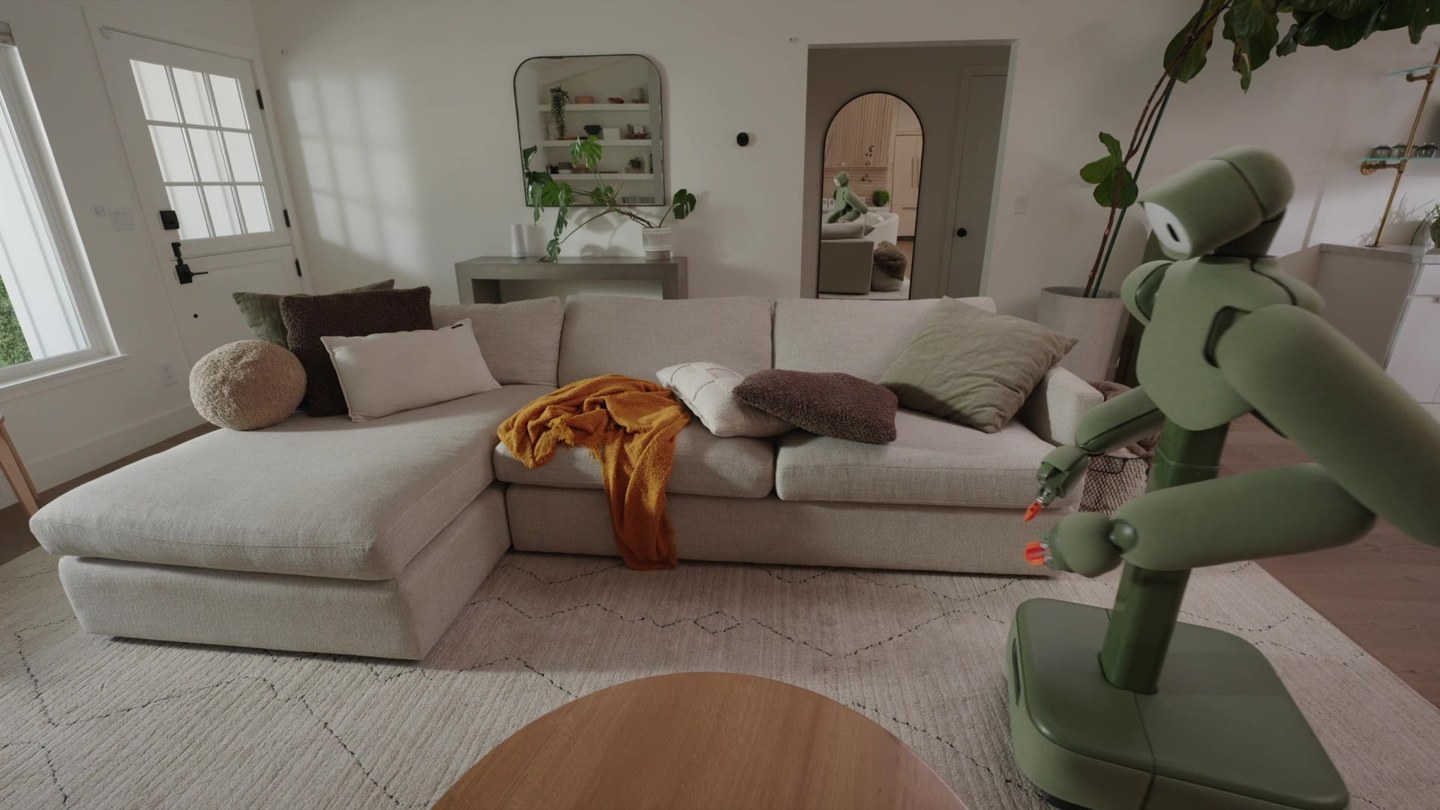
Weave Robotics built Isaac 1 for housework. It’s a mobile robot, a torso and two arms on a wheeled base that folds laundry and tidies rooms, with remote assistance when a task stalls. Built in San Francisco, it runs autonomously by default.
Soft fabric shells wrap the machine, swappable and removable, over a solid inner structure that carries the load. The torso collapses when the robot sits idle and extends to human height when work starts, so the machine parks smaller than it works. Passive safety comes from the padding. The stable wheeled base does the rest, with no cages or barriers around the machine. The shells come off for washing and swap like covers, so the robot’s look can change with the room.
The price is $7,999 paid up front, or $449 a month on a subscription. A fully refundable $250 deposit holds a place in the queue, and an order starts on Weave’s site with the deposit, the balance following the plan picked at checkout, purchase or subscription. The premium membership stays optional, a service layer over the machine rather than a requirement.
Laundry Flow handles the wash day

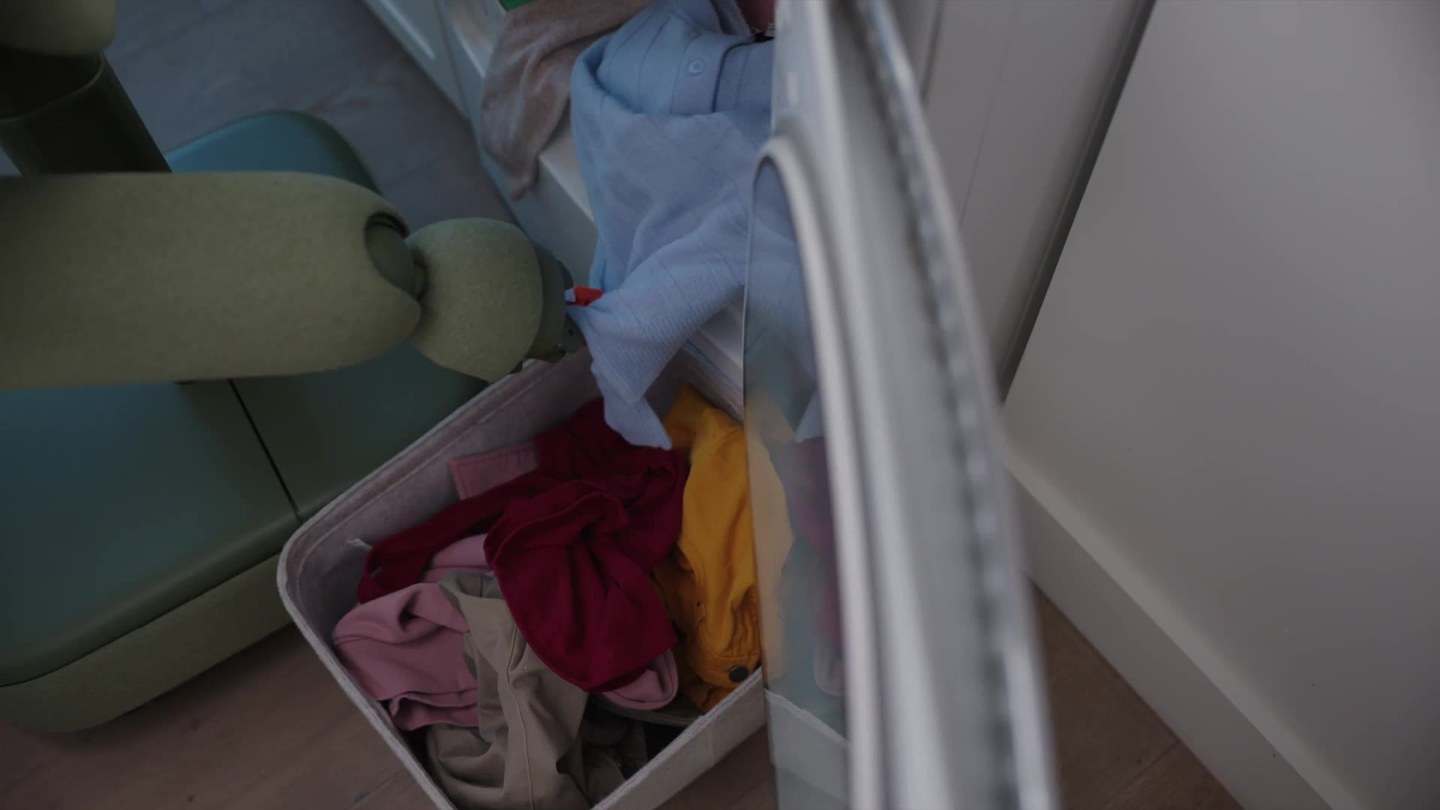
Laundry Flow finds dirty clothes where they land. It picks them up, handles a loaded hamper and folds what comes out of the wash before putting each piece away. Loading and unloading the washer and dryer sits inside the flow where the home allows it.
The robot works through the companion app on demand or on a schedule, so laundry can run in an empty house and the reset can land before anyone gets home. Owners start tasks when they want them or set them to recur through the week, and recurring schedules suit laundry because the basket fills on a rhythm that repeats every week. Folding is the skill Weave proved before this robot existed, and its folder has logged thousands of hours at it.
Daily Reset puts the room back

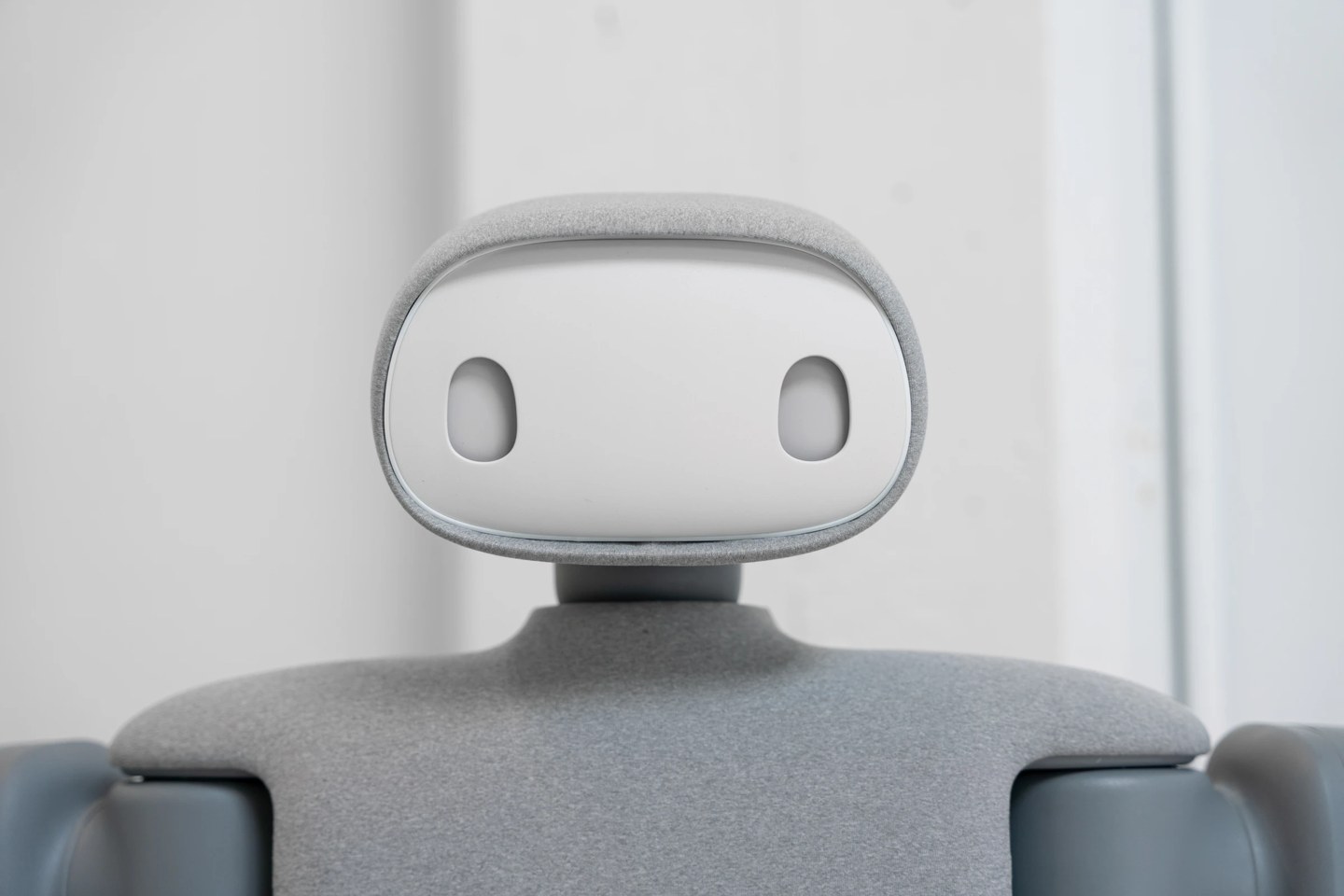
Daily Reset makes the bed, straightens pillows and blankets, and returns toys, shoes and loose clutter to their places across the home. Two arms with six degrees of freedom each do the reaching, the neck adds two more, and the base rolls on three, for 21 degrees of freedom in total. Vertical reach runs to 80 inches, horizontal reach to 38.
The footprint stays small at 20.5 by 22 inches. Height adjusts from three feet to five foot nine, and the machine turns in close to its own length.
Weave designs and builds its own actuators, its remote actuation system and its safety systems rather than assembling the robot from outside parts bought off a supplier’s shelf. That vertical stack is how the company plans to make a home robot reliable enough to leave alone in a house.
Privacy is built into the hardware
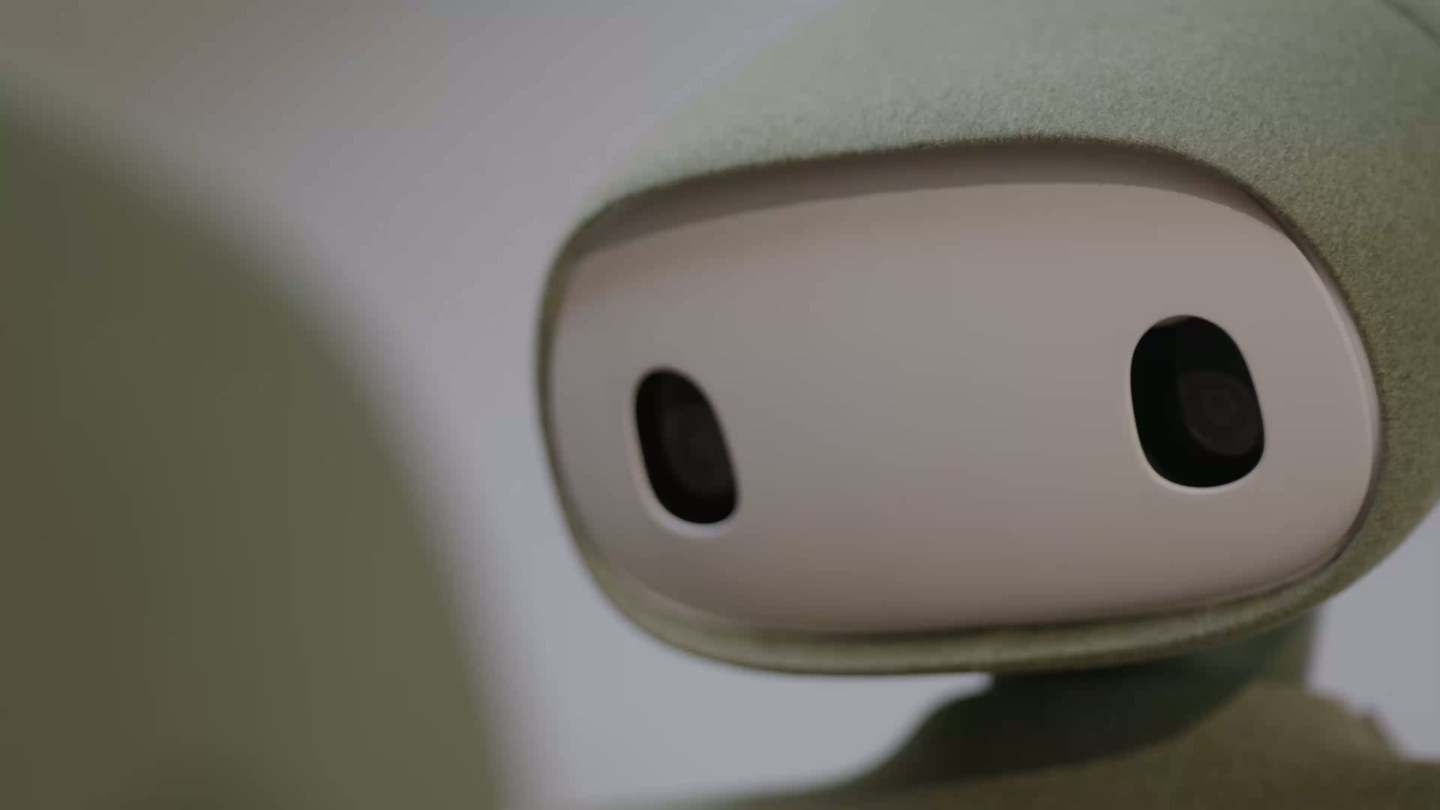
Physical shutters cover the cameras, and Weave builds privacy cues into the body so a household can see when the robot is watching and when it isn’t. Remote operators step in when autonomy stalls, and the robot asks for help instead of guessing at a task it can’t read. Battery life is listed at eight hours, with a two-hour charge, and the machine connects over Wi-Fi. The shutters are physical, not software. Shipments start in California this fall, and broader US availability runs through 2027 as production scales beyond the launch state, and an optional premium membership at $99 a month sits on top of the purchase for households that want it.
The folder that shipped before it

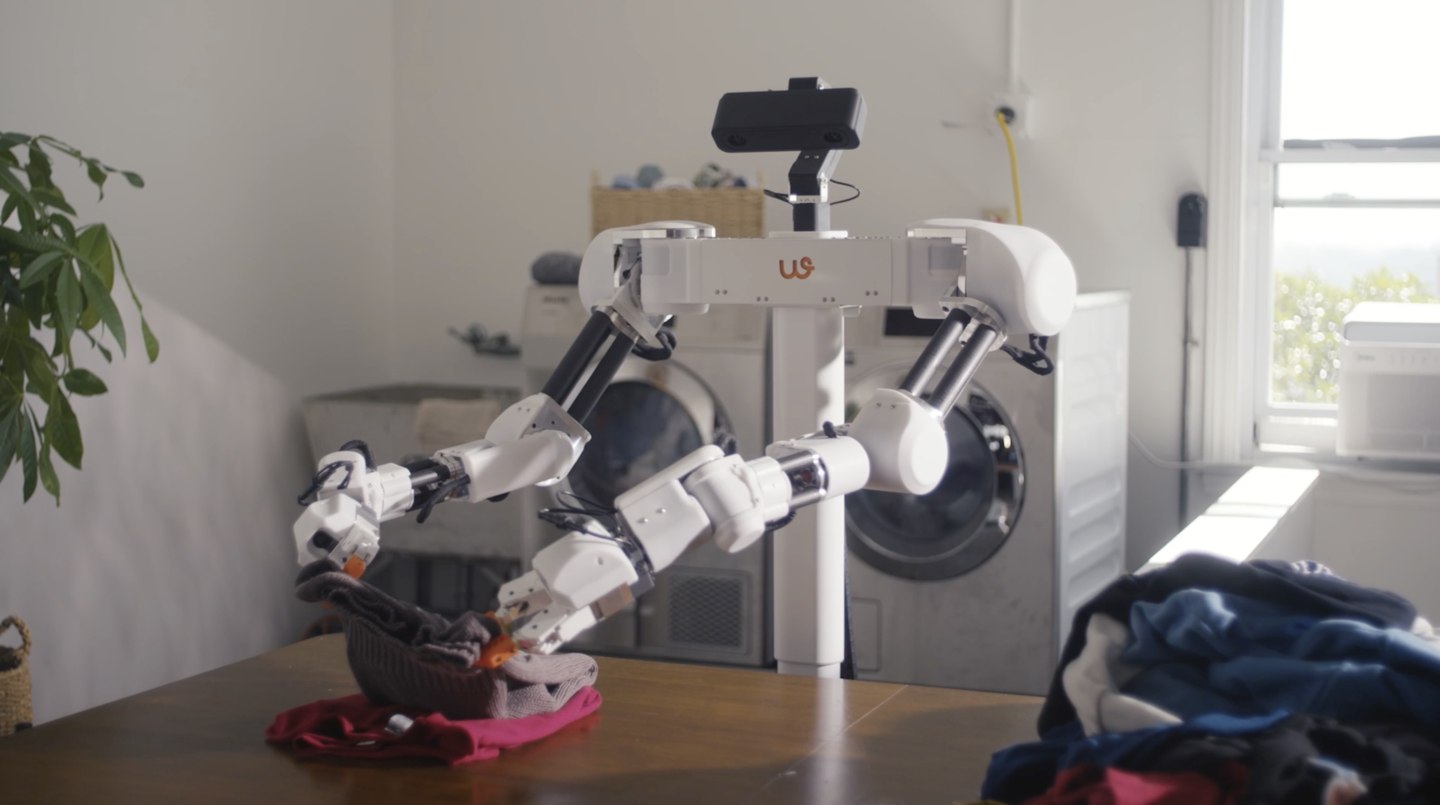
Isaac 0 is the stationary machine Weave already ships, a laundry folder that has logged more than 2,000 field hours and folds over 1,000 pounds of laundry a week across its installed base so far. That record is the evidence under Isaac 1’s broader pitch, because the folding skill transfers while the mobility is new; the company started building robots in 2024, and the home machine is its second product. Weave counts those hours as its training ground.
The buyer here is a household that already pays for cleaning help and would rather own the machine than rent the hours. Everyone else is watching the California shipments for proof that the folding record survives contact with lived-in, single-floor homes.
Buy it if laundry and daily tidying are the chores you’d hand over before any others, and if a robot that occasionally phones a human for help sounds like candor rather than a shortcoming. Wait if your home’s laundry lives up a staircase and you’re not ready to be an early customer, because the wheeled base doesn’t climb, and early shipments stay inside California through the opening year. The deposit is refundable, which lowers the cost of finding out.
The tradeoff is scope against maturity: Isaac 1 attempts the whole house, while the folder behind it does one job, with thousands of hours logged. The folder has the hours.
Design is the bet here, a padded, collapsing machine shaped for hallways, laundry baskets and lived-in rooms rather than a humanoid shaped for a stage. If the folding record transfers to a moving platform, the house robot category gets a working example with a service record behind it. The shape is the pitch, as much as the software.