

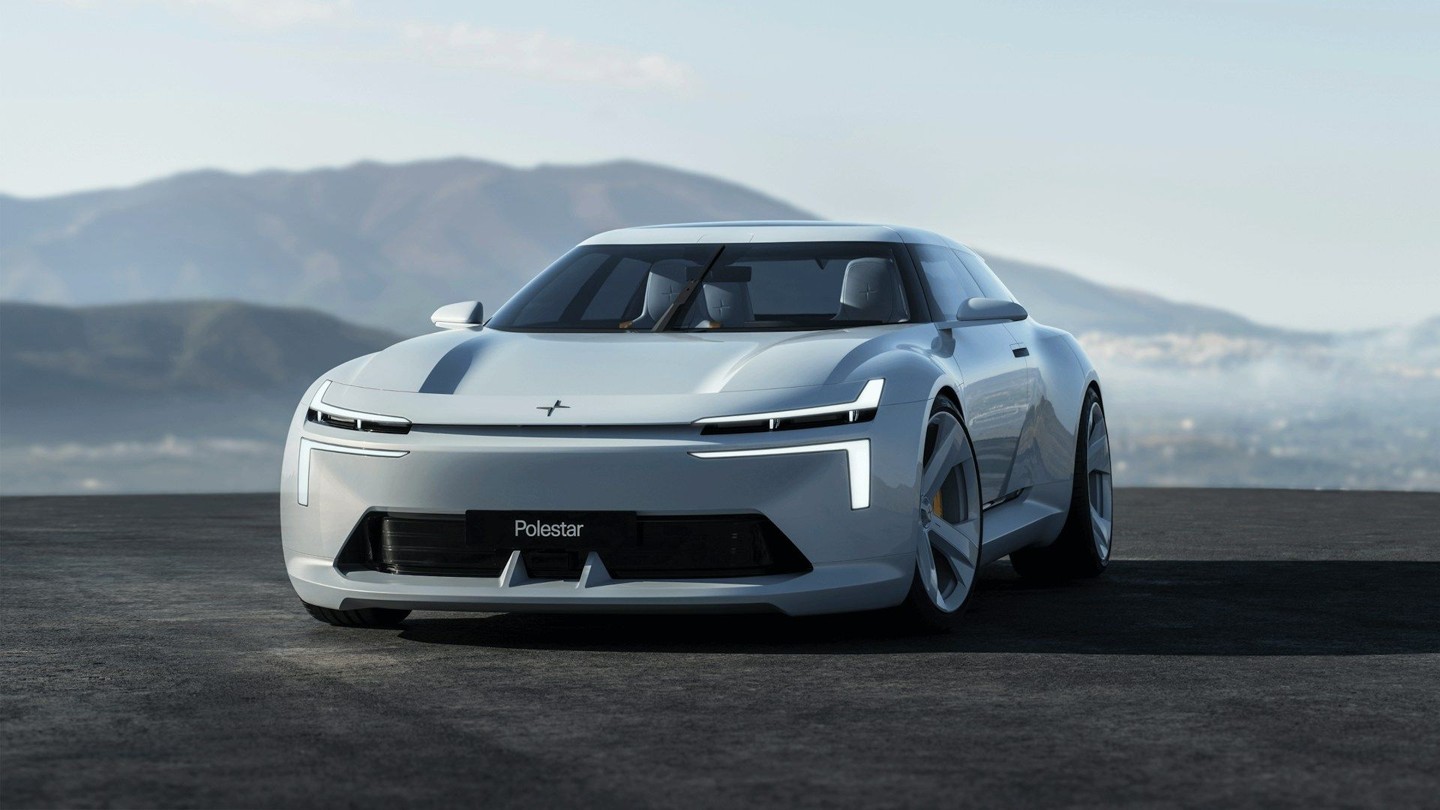
The lowest car Polestar has ever put its name on is not a supercar. The Formula 2030 concept stands 1,350 mm tall, lower than the Polestar 5 Grand Tourer, and it exists for one reason: to put the brand’s next design language on a physical car. It’s the first showcar created under head of design Philipp Römers.
Polestar calls it a compact, practical four-door sports car, and its design attributes are already assigned. The front end previews the next-generation Polestar 2, planned for 2027. The rest points at the Polestar 7 compact SUV in 2028. Römers calls the approach a bold evolution rather than a revolution. There are no power, battery, or range figures, because this car is an argument about form and controls, not a spec sheet.
The face the next Polestar 2 will wear
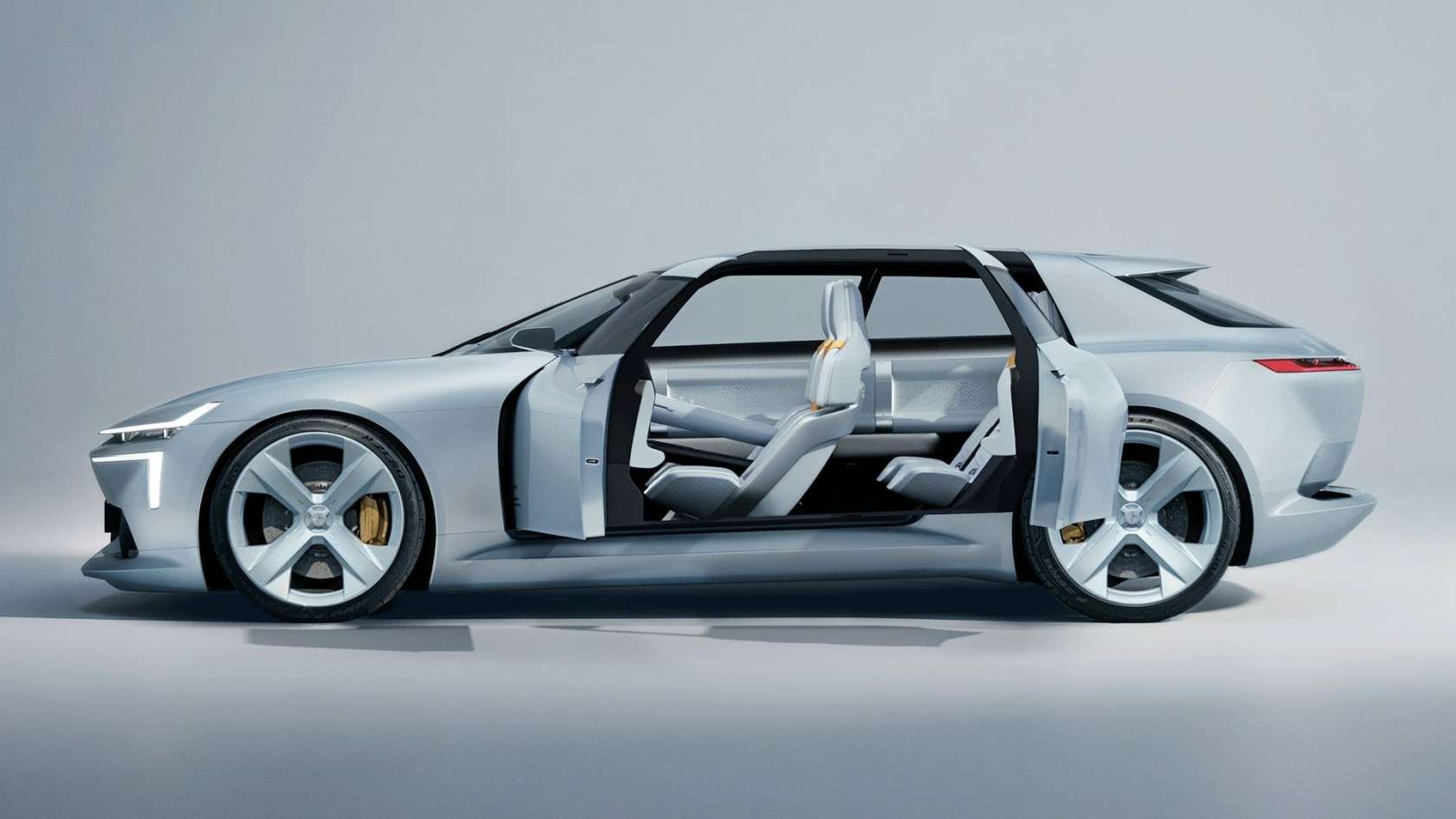
The Dual Blade headlights stay, and they stay unmistakable. They are integrated into a front aero wing, with inspiration from the Polestar 3, and Polestar says this is the face the 2027 Polestar 2 will wear. Below it sits a shark nose and a deep front splitter, anchored to the body through a central spine.
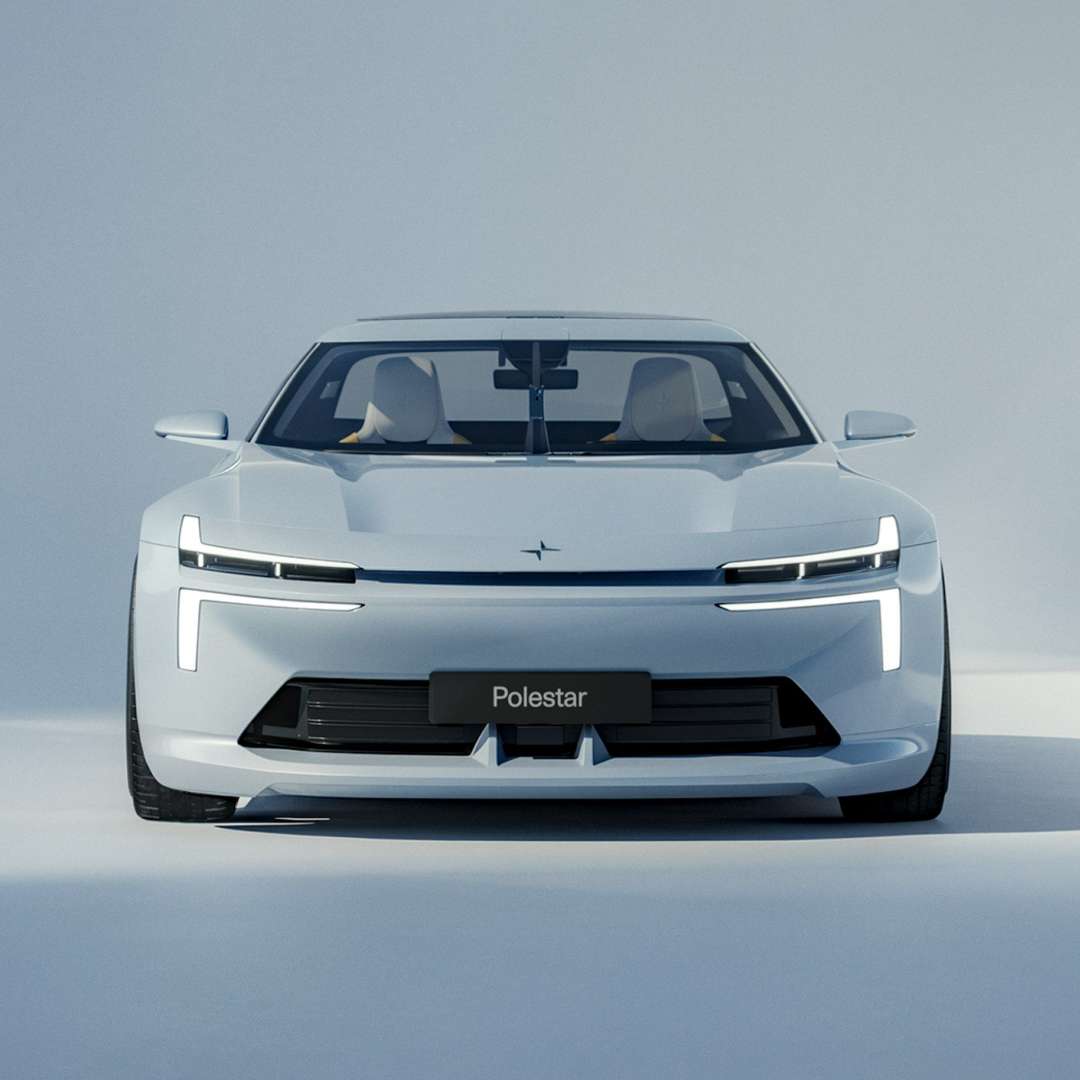
One wiper does the work of two. It stands vertically at rest on the wraparound, visor-like windscreen, a motorsport reference and a nod to the first-generation Polestar 2. A concealed LiDAR unit hides beneath an aerodynamic shroud until the autonomous mode needs it, and the guiding star is projected into the panoramic glass roof.
The lightbar is gone
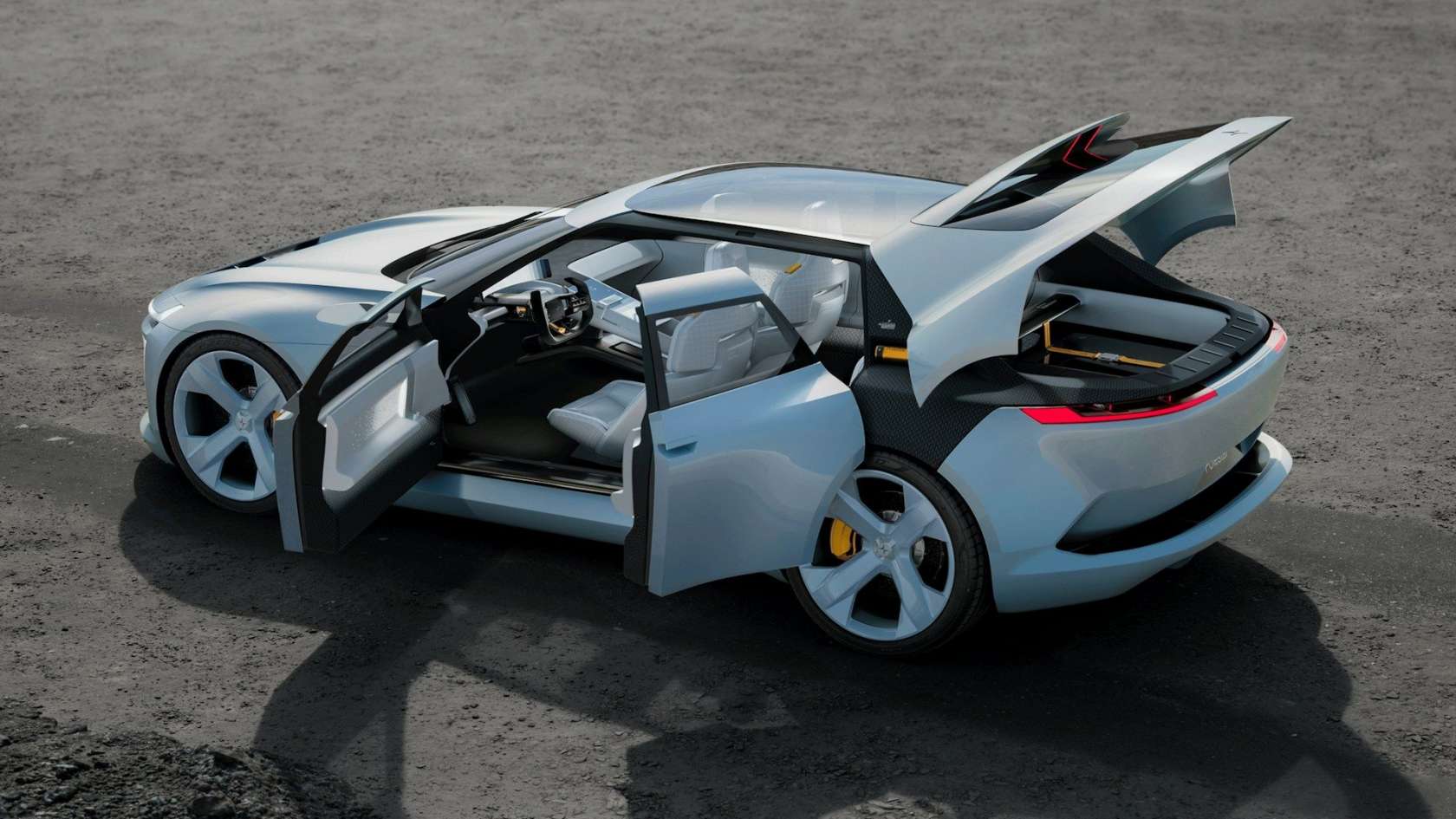
Every Polestar so far has worn its rear lights as one full-width bar. Formula 2030 deletes the bar entirely. In its place sit separated Single Blade rear lights, which Polestar intends for series production, set into a rear the design team describes as UFO-esque. The rear glass wraps toward the side glazing, interrupted only by a strong C-pillar.
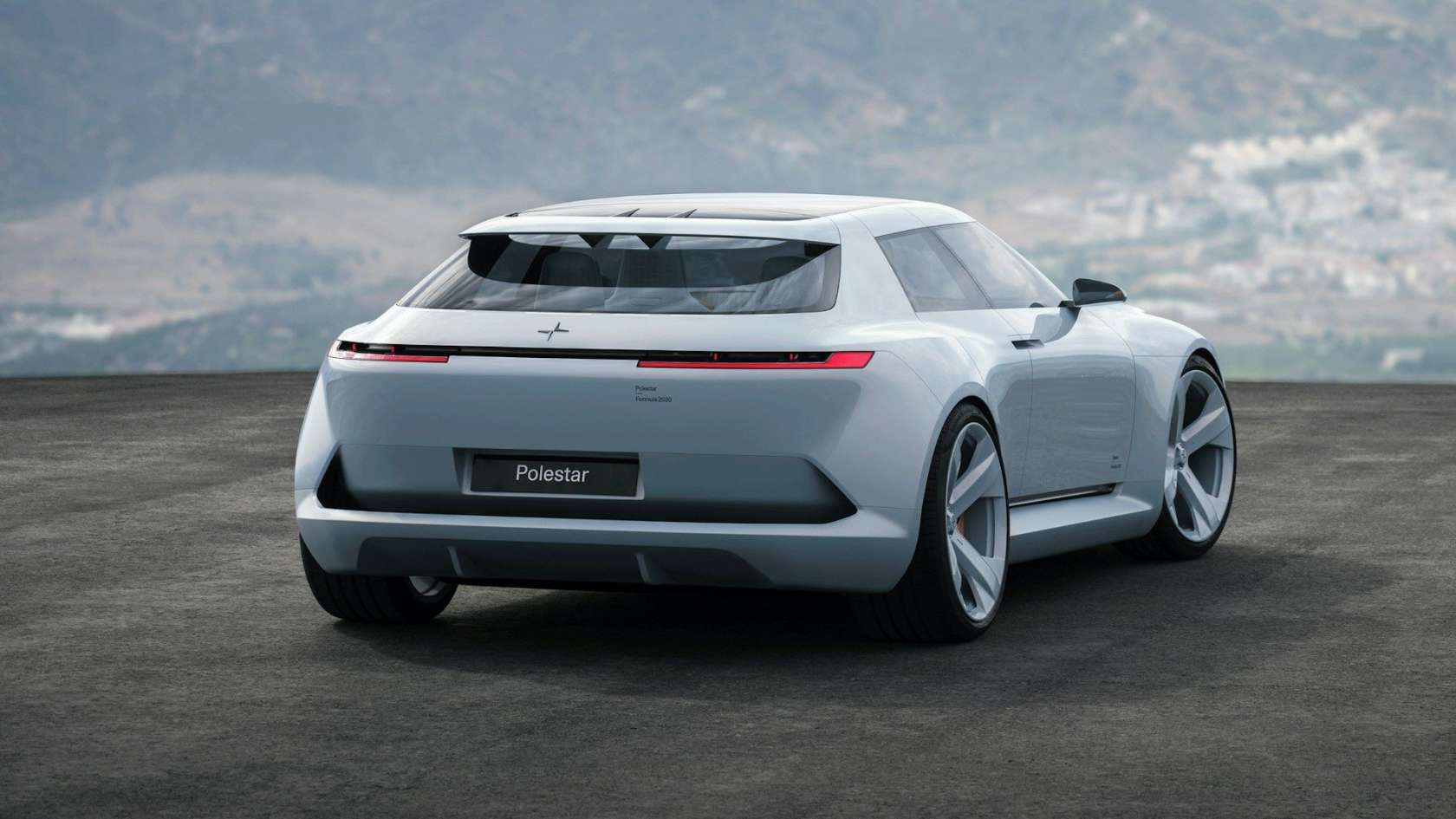
The stance pushes everything rearward. A long bonnet, short overhangs, and a cab-rearward posture load the visual weight over the 22-inch wheels and the powerful rear haunches. The numbers match the intent: 4,680 mm long, 2,021 mm wide, a 2,780 mm wheelbase, dimensions that park the concept between the next 2 and the 7. A rear wing rides on lit mounts above the diffuser.
Race hardware, worn openly
There is no powertrain to report, because Polestar hasn’t released one. What the concept displays instead is running gear as jewelry. Öhlins dampers sit exposed beneath the rear clamshell, Brembo calipers wear Swedish Gold behind center-lock four-spoke wheels, and the front luggage compartment is built to carry race helmets and a fire extinguisher.
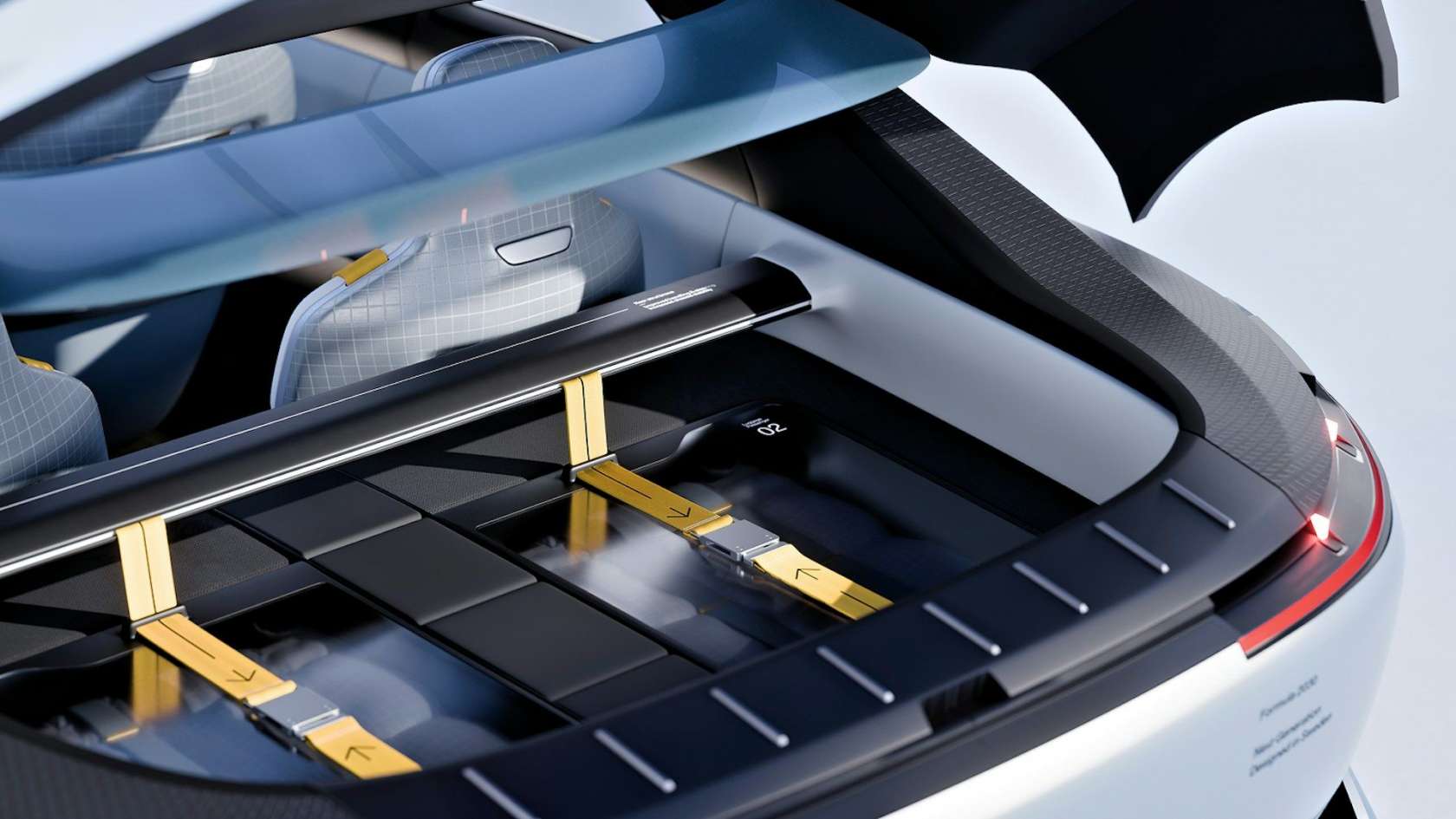
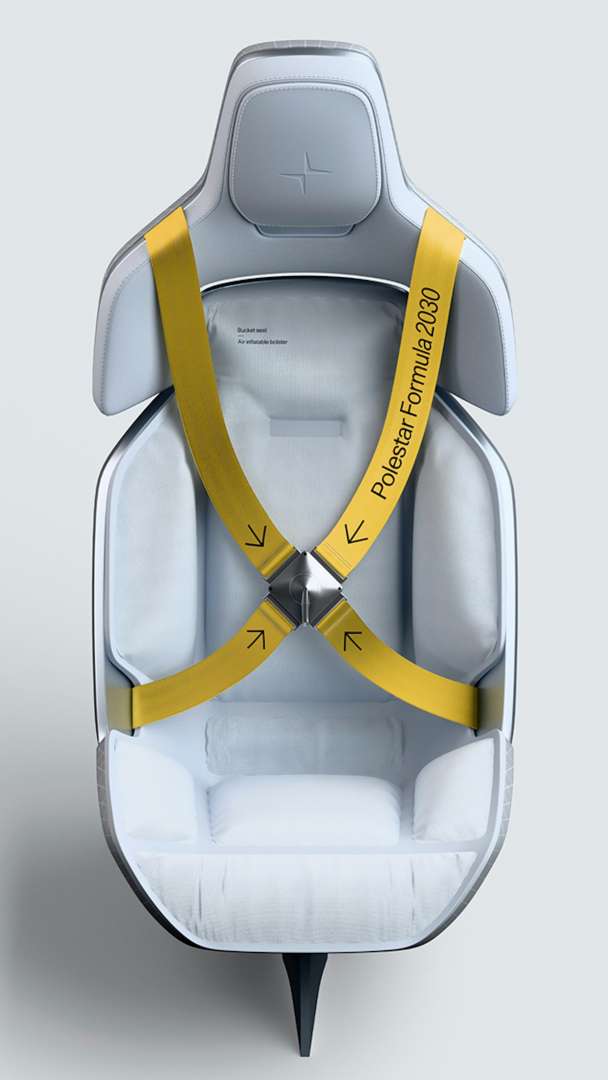
Opposing doors open without a center pillar onto four individual seats, each with air-inflatable bolsters that mold to the occupant. Under the transparent boot floor, bespoke bags are strapped down in Swedish Gold webbing. The structure around them is Bcomp natural fiber composite, left exposed on purpose, weave and all.
Buttons are back
The cockpit concentrates everything on the driver. A curved 20-inch display, which Polestar calls HyperDIM, is mounted directly to the steering column, and a 12.2-inch center screen rises out of the center tunnel. Three drive modes, Performance, Normal, and Autonomous, are selected by sliding a selector forward through the plane of the console.
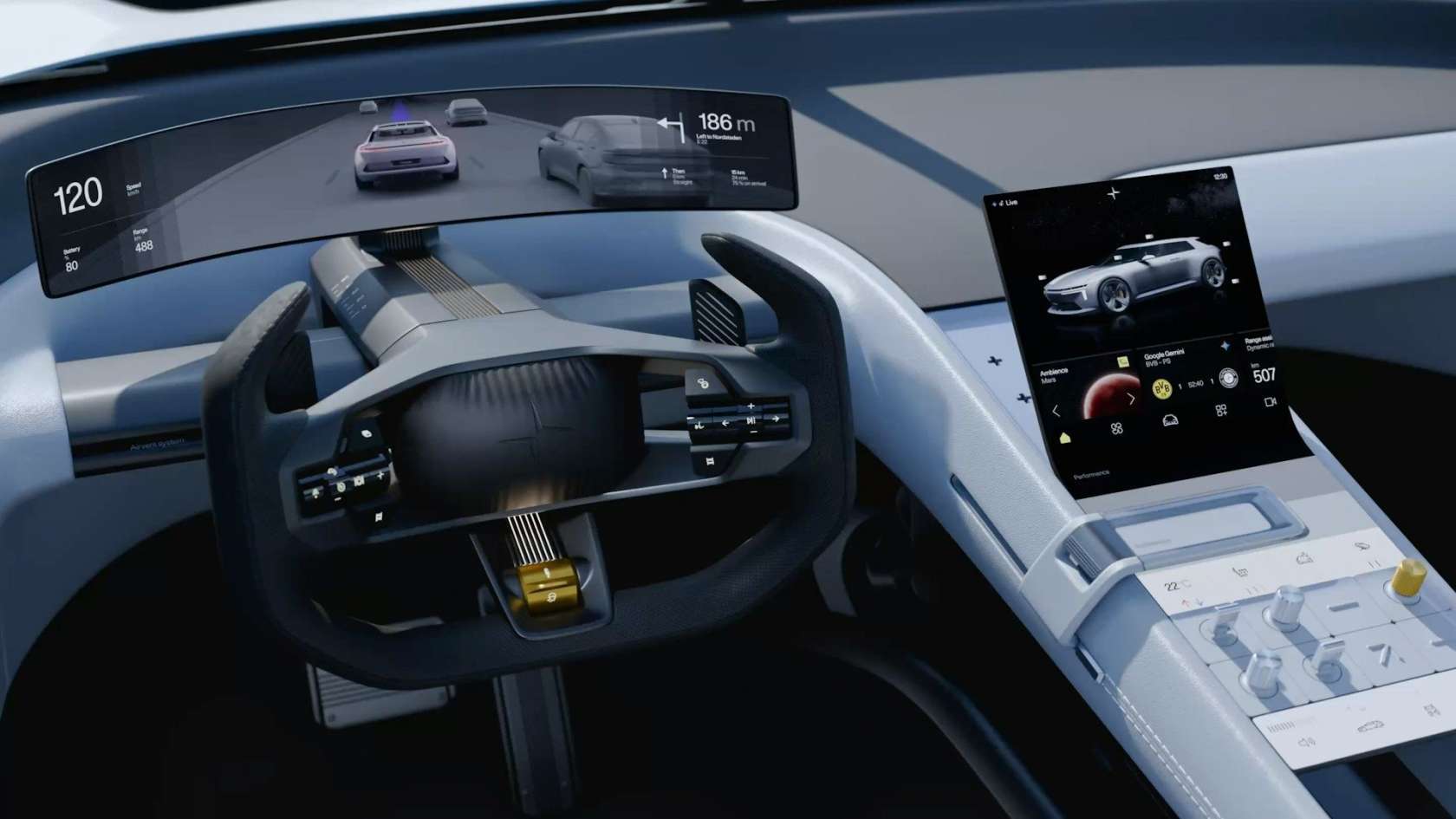
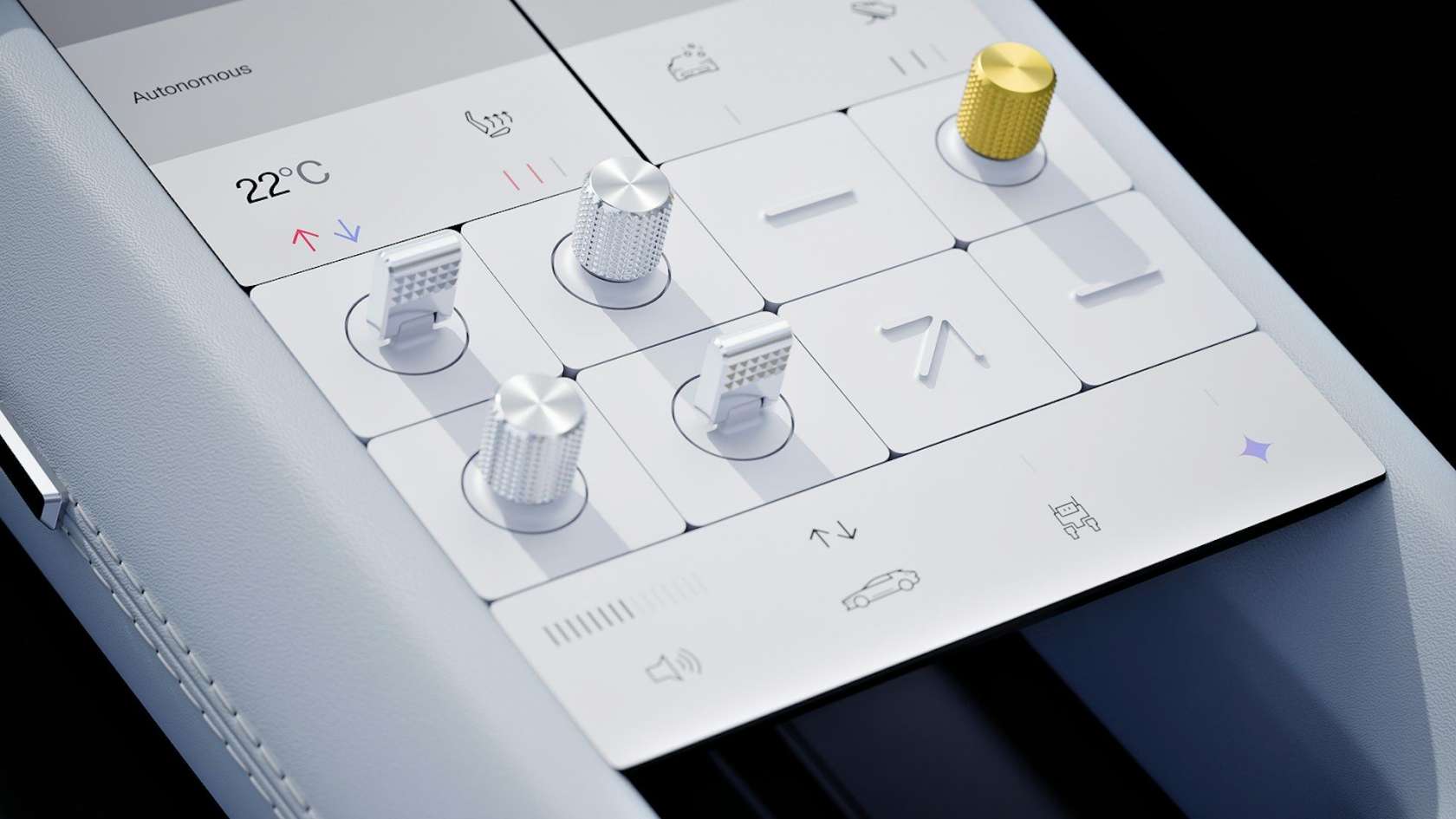
The cabin then moves. In Autonomous mode the seat and steering wheel drift apart as the car takes control; through Normal and into Performance, the center screen sinks flush into the console and the wheel pulls closer to the driver’s chest. Below the screen, eight physical controls can be configured as rocker switches or rotary dials, with programmable hot keys beside them.
Google Gemini is built in, with conversational voice for everyone in the car. The tactile hardware still leads, because Polestar is rebalancing digital and physical on purpose.
One color, end to end
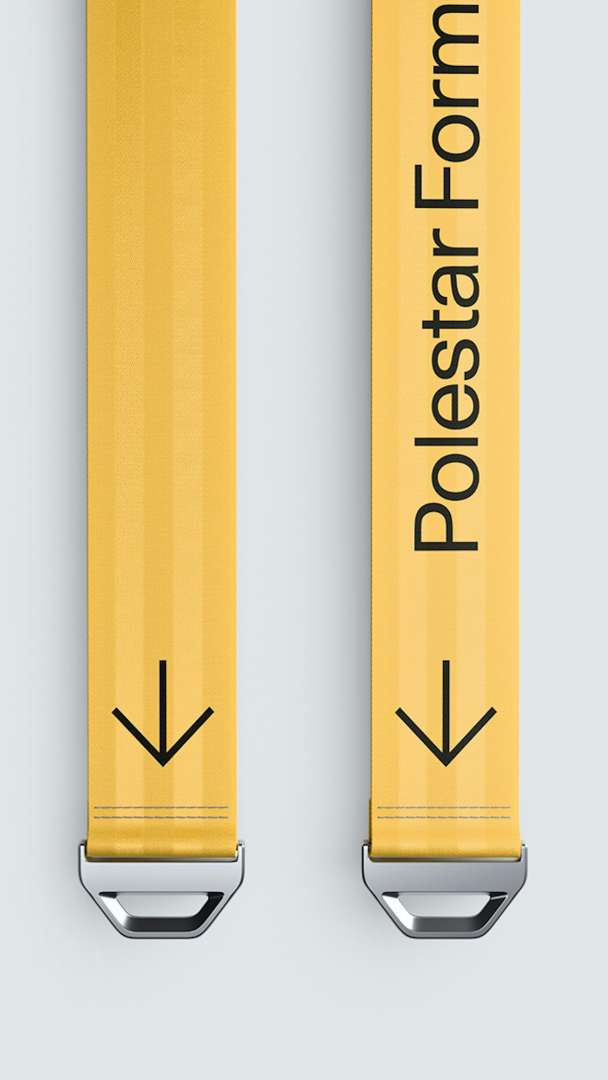
The paint is called Nitrogen, mixed for this car to react to natural light, and it doesn’t stop at the body. It flows over the wheels, the side cladding, the front splitter, and the rear diffuser, shifting between gloss, matte, and satin finishes so each component still stands apart. Swedish Gold is the only accent, on the calipers, the valve caps, the seat belts, and the interior detailing.
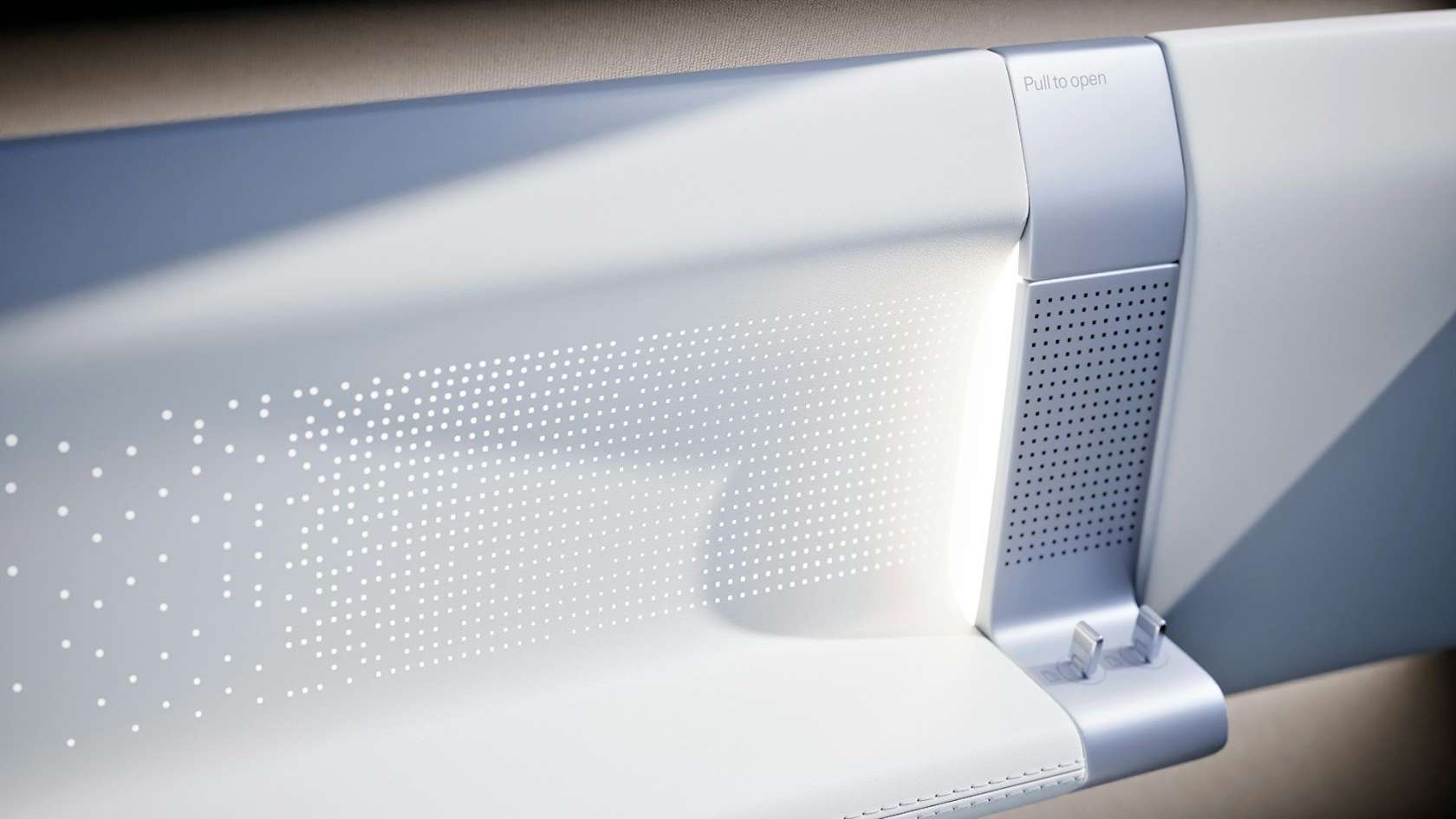
The materials carry the sustainability brief without dressing it up. Seat backs are a bio-based composite of European flax and bio-based polypropylene, woven in a grid pattern drawn from the fields the flax grows in. Door interiors follow a mono-material strategy aimed at full recyclability, and the exposed structure, seat frames and cross-car beam included, is low-emission galvanized steel made with recycled content and renewable energy.
Concepts promise more than production usually delivers, and Polestar hasn’t confirmed this car for production at all. But the important pieces are already assigned jobs. The face goes to the 2 in 2027, the Single Blade rear is headed for series production, and the physical controls are a decision the brand is stating out loud. The wedge can stay a showcar. Its details are already spoken for.


