
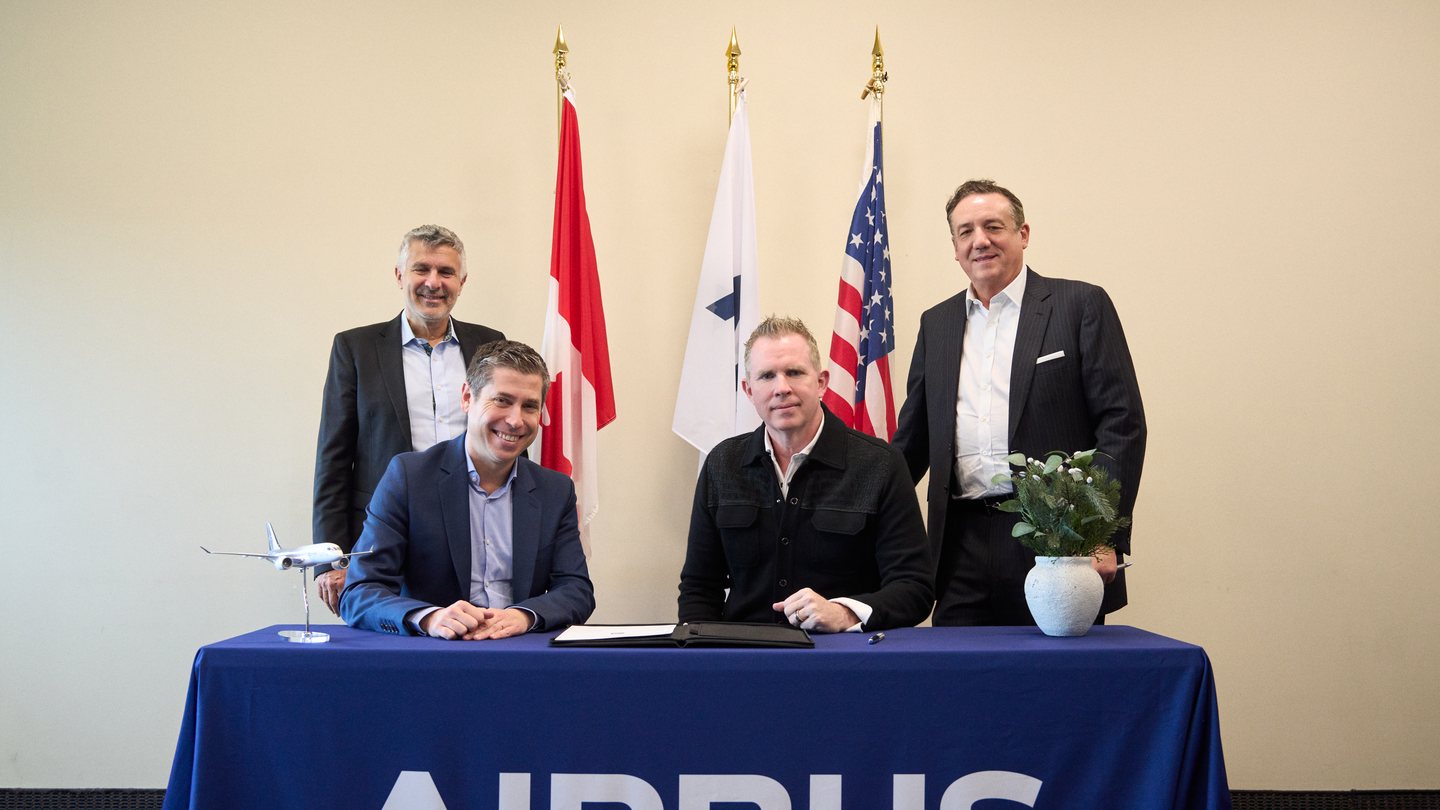
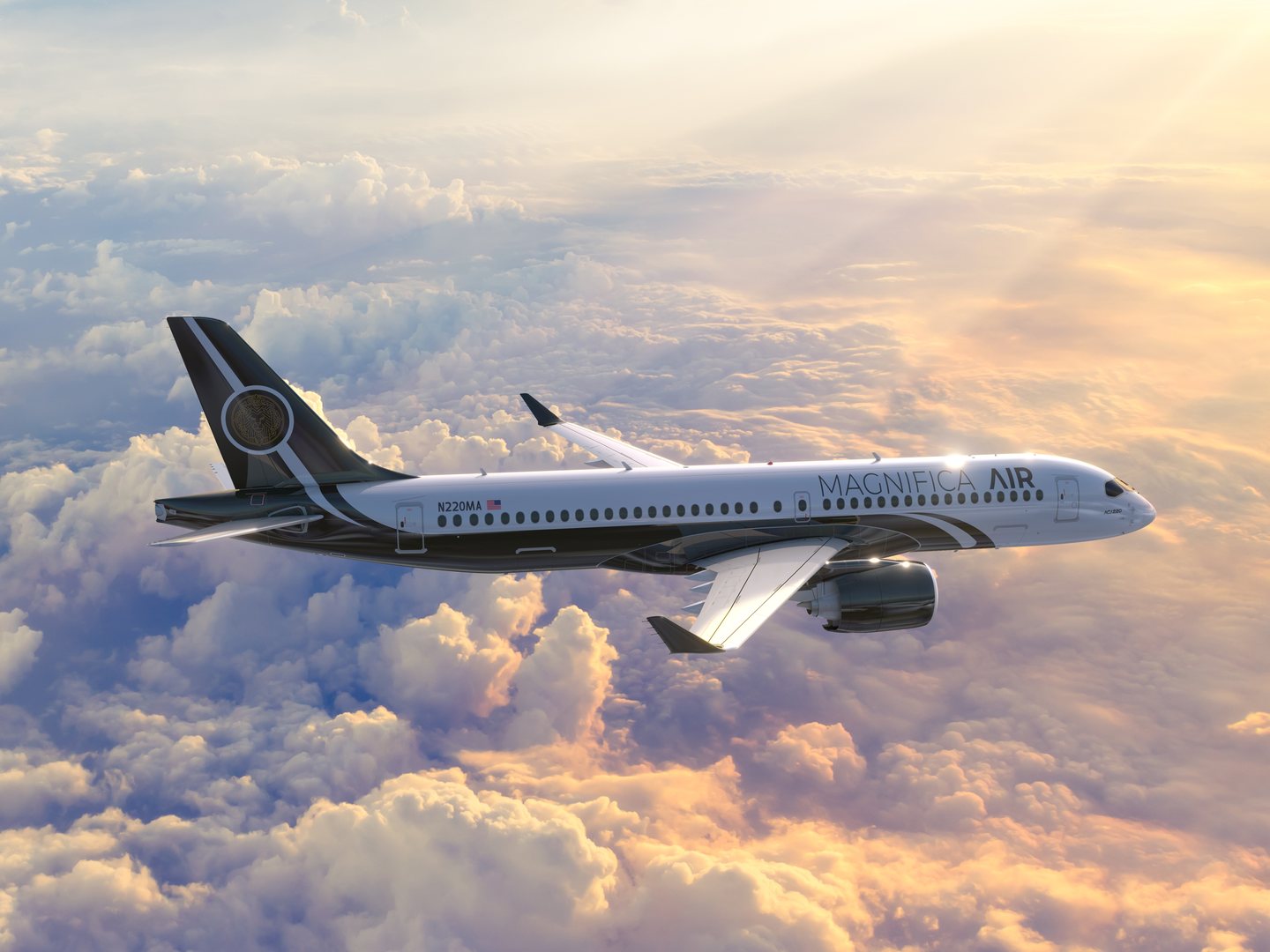
Magnifica Air sells individual seats, yet its cabins borrow their manners from private jets rather than airliners. Airbus Corporate Jets has now confirmed the Florida startup as the customer behind a firm order for ten ACJ220-300 aircraft.
The order sat in the Airbus books under an undisclosed name until this confirmation. Planned fleet size reaches 17 aircraft once the new jets join.
Seventeen aircraft split into 14 ACJ220s and three ACJ321neos under the current plan. Magnifica launched at the 2025 NBAA-BACE show with a service idea it calls Private Class, built around one principle the company names Beknown.
Private Class targets the gap between first class and chartering a whole jet. Members book a seat, and the airline handles the rest of the journey around that seat.
Undisclosed orders are routine in the Airbus book, where buyers often stay anonymous until contracts, cabins and delivery slots settle. Naming Magnifica now signals that the cabin design and the service plan have moved past the sketch stage, even while the launch date keeps sliding.
Space replaces seat count inside the cabin
Fifty four passengers ride in a cabin that includes a private suite, in an airframe airlines fill with roughly 140 to 150 seats. Airbus describes each interior as a bespoke, low-density ultra-premium cabin with an open, airy ambience, and the reported palette runs to burnt-orange and cognac leather with dark wood-look finishes.
No overhead bins line the ceiling. Residential-style bathrooms, humidifiers and a lower cabin altitude feature in the reported cabin plan, which trades storage volume for headroom and sightlines.
Space is the product here.
Range supports the concept on mid-haul routes, with Airbus putting the type at 4,000 nautical miles in a full business class configuration. Initial markets under consideration include South Florida, New York, Dallas, Houston, Los Angeles and San Jose, a map drawn around premium leisure and executive traffic.
Seat count drives the economics in the other direction. Airlines earn from density, while Magnifica earns from scarcity, pricing each of those 54 seats against the privacy of the cabin rather than the seat count of the aircraft. Filling a small cabin at premium fares is a different discipline from filling a large one at any fare.
Comfort details carry unusual weight on sectors of three to five hours, where dry air and cabin pressure decide how a passenger feels at dinner that evening. Humidifiers and a lower cabin altitude, both in the reported plan, target exactly that arrival feeling. Residential-style bathrooms replace the cramped lavatory shuffle of a standard single-aisle cabin with something closer to a hotel corridor moment.
Private terminals and software carry the idea the rest of the way
Dedicated private aviation terminals anchor the ground plan, with streamlined boarding, transfers handled for the passenger and dedicated concierge services throughout. The cabin promise would collapse at a crowded gate, so the airline moves the whole departure away from the main terminal flow.
Chadi Saade, President of Airbus Corporate Jets, ties the aircraft choice to cabin space and intercontinental range at lower operating costs. Wade Black, the airline chief executive, credits the type and its support systems with giving Private Class its cabin, its range and its operational backbone.
Magnifica selected a Skywise suite alongside the aircraft, covering the Skywise Core X1 data backbone for analytics, flight planning, operations and crew management tools and navigation databases. An operations control centre and flight operations suite are meant to optimise performance across every route and flight phase, giving a young airline the dispatch discipline that legacy carriers built over decades of route data.
Reported timing has slipped, though. Launch plans have moved from the third quarter of 2027 to early 2028 in the latest reported schedules, so the fleet order lands well ahead of the first revenue flight.
Orders are easy to announce. Delivery slots decide the rest.
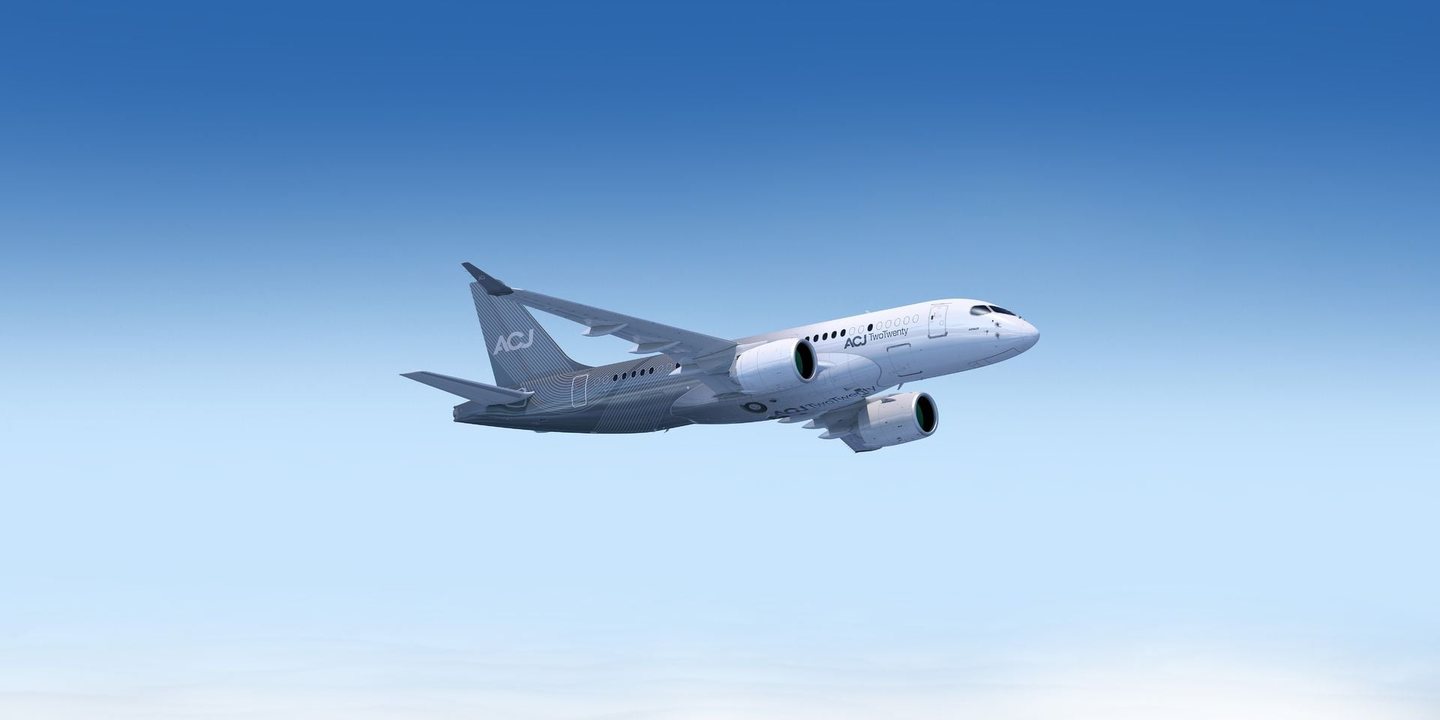
Fleet discipline will decide whether Private Class survives contact with daily operations, because a 54 seat cabin leaves little margin for empty rows. Ten firm aircraft, added to four already counted in the plan, give the airline density on chosen routes rather than a token presence in many cities. The smaller ACJ TwoTwenty already proved the corporate A220 formula, and this order stretches that formula into a larger airframe.
Route announcements come next in the sequence, since the six candidate markets under consideration will narrow to a launch network with frequencies, fares and a membership pitch attached. That announcement, more than the order itself, will show whether Private Class prices like a premium airline product or drifts toward charter money.
Watch the first delivery, not the renderings. A delivered jet with the suite fitted turns this order from a concept into an airline. Until then, the confirmed order, the named fleet and the chosen software form the clearest picture yet of how Magnifica intends to fly. It’s also the clearest test of whether scheduled private travel can hold an airline together.