

Five objects carry November: a game system with a crank, a soundbar in fabric, a coffee maker that thinks in profiles, a lamp that leaves its base and a clock for the bedroom. Each is built around a single idea.
Every pick here costs more than the plain version of the same object, and most of them do less on a spec sheet than the plain version does, and none of them apologizes for it. The money goes to one idea, carried through the materials, the controls, the shape and the way the object behaves on its hundredth day, not its first, and you pay for the idea in full.
1. Playdate, a game system with a crank
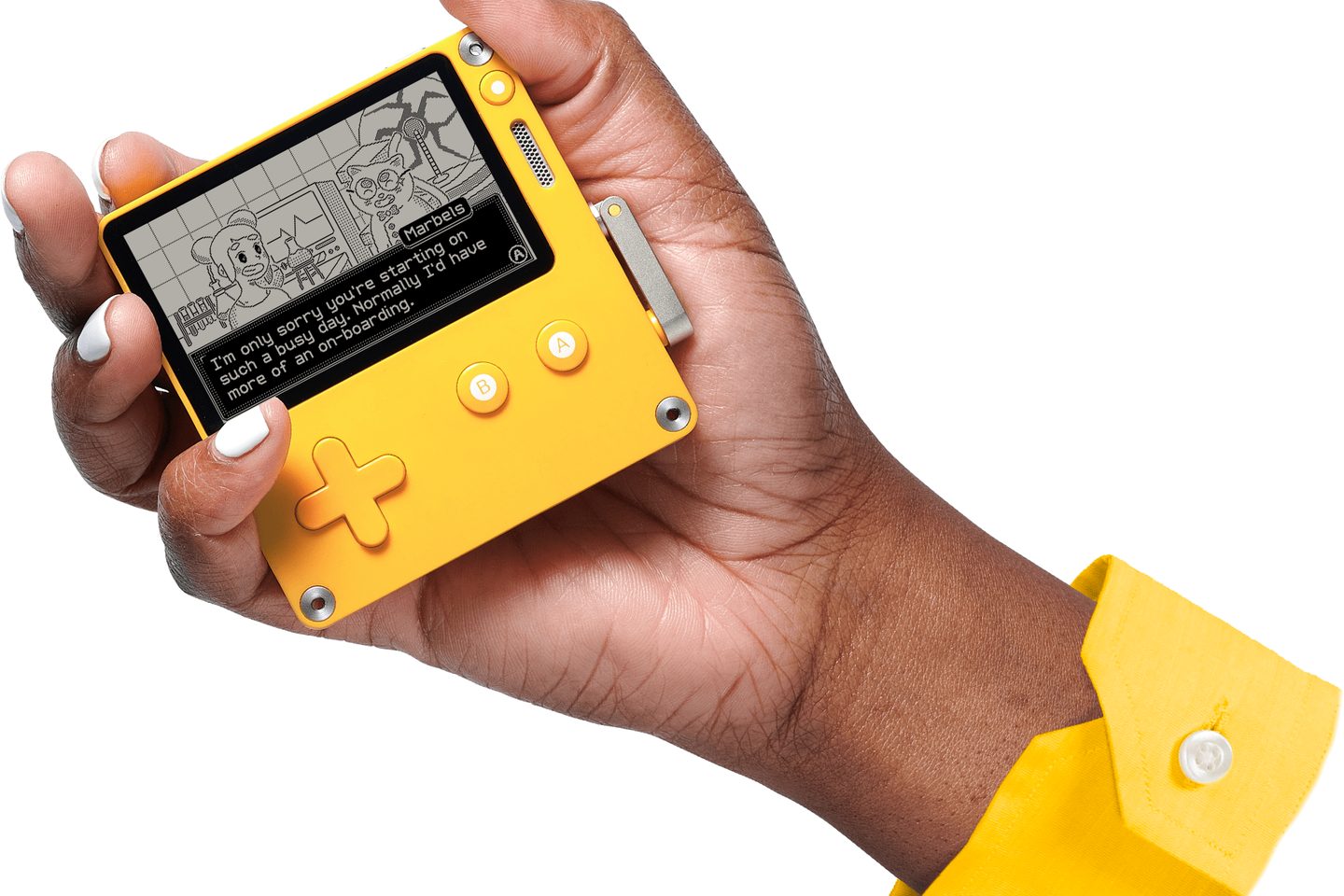
Playdate is a pocket game system in yellow, built by Panic with Teenage Engineering on the industrial design, and its screen is a reflective black-and-white panel with no backlight at all, just reflected room light. Games arrive on a schedule: Season One is included, two new titles every week for twelve weeks, twenty-four games in all, and the screen turns into a low-power clock between sessions instead of going black in a drawer.
The crank flips out from the side and works as an analog controller, precise enough to reel in a fish or scrub through a timeline in games built around it. The crank never charges the battery, and Panic says so plainly on its own page, which tells you the crank exists for play and nothing more serious than play. Playdate is a toy, proudly.
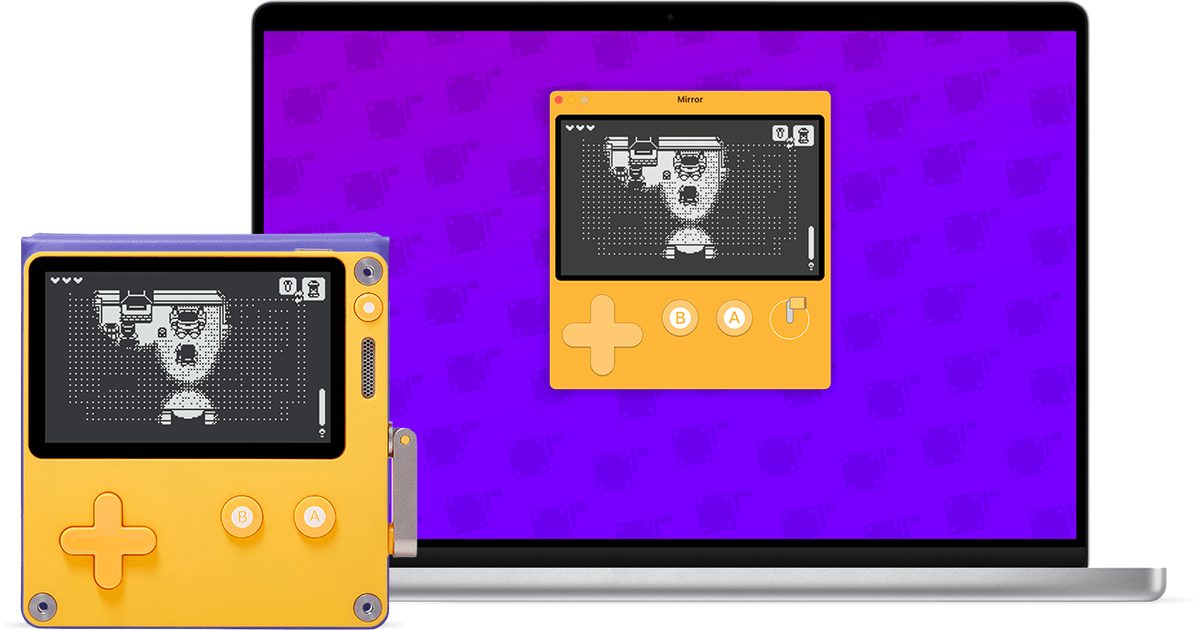
The box holds the system and a yellow USB-C to USB-A cable, and the Mirror app streams games to a Mac, Windows or Linux screen when the little panel feels small. The Catalog store lives on the device itself, so the library keeps growing long after the twenty-four season games run out and the weekly drops stop arriving.
What we like: the crank is a real controller, and the included season means the library grows for three months after the box first opens and the crank gets its first workout.
What we dislike: the screen has no backlight, so dim rooms, evening trains and red-eye flights are all out.
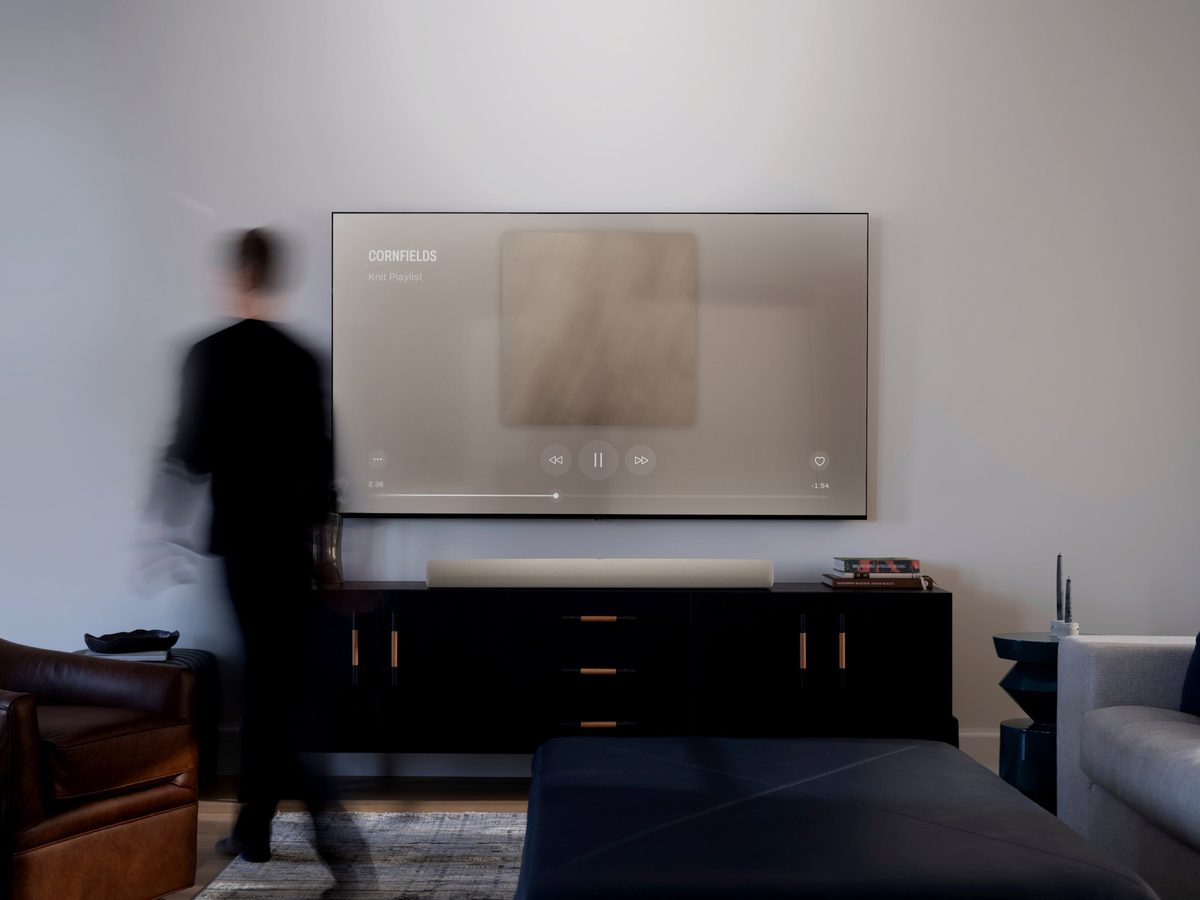
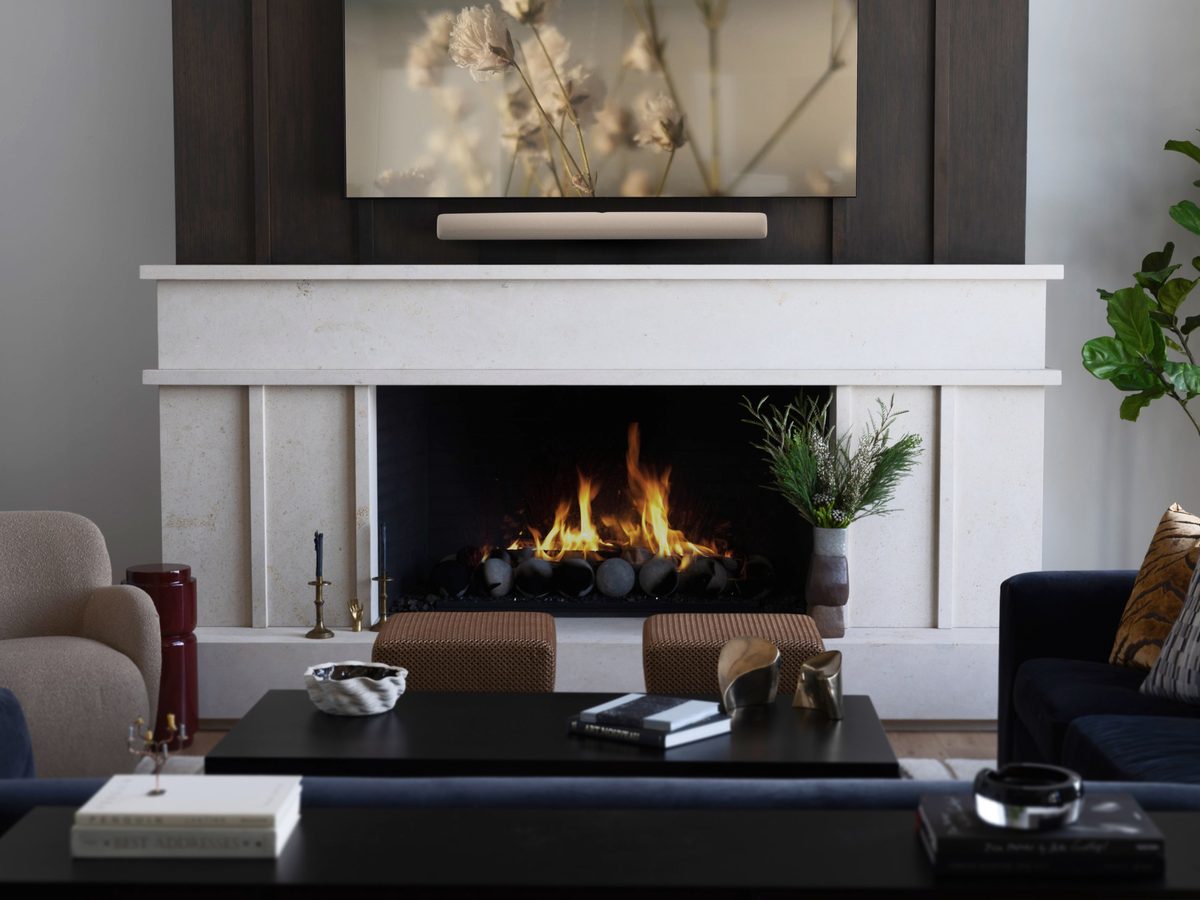
2. Knit Form, a soundbar dressed like furniture
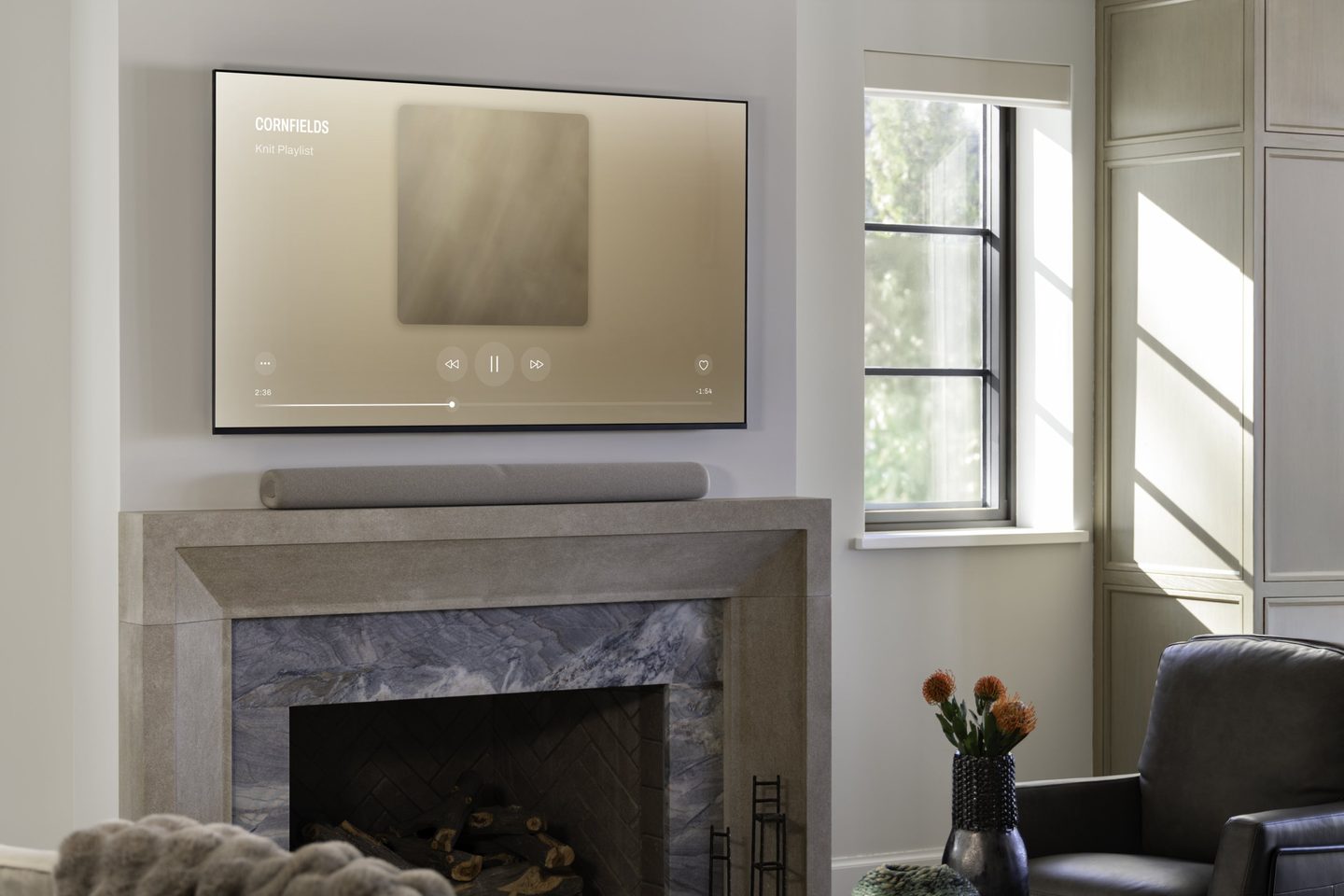
Form hides a true 5.1.2 Dolby Atmos system, fourteen channels of amplification and dual built-in subwoofers inside a cabinet wrapped in acoustic fabric. It runs 45.9 inches wide, 3.7 tall and 5.4 deep, sized for TVs of 55 inches and up, and the fabric, not a grille, is what faces the room every day.
A vertical dual tweeter voice array handles the height channels from inside the same wrapped cabinet, and the whole bar weighs 6.4 kilos, so the shelf under the TV has to be serious.
The color names read like a textile rail: Sandstone, Slate Black, Pebble, Ember and Cloud White, each one covering the drivers, the up-firing speakers and the passive bass radiators under the same cloth. Most soundbars are black plastic bars. HDMI eARC ties the bar to the TV, Bluetooth 5.3 covers the phone, and four sound modes, Universal, Stream, Studio and Arena, tune the same hardware to the room it sits in.
The box holds the bar, its power cable, a high-speed HDMI 2.1 eARC cable and a quick start guide.
What we like: five fabric colorways, a textile rail of finishes, and no separate subwoofer box to hide in a corner.
What we dislike: flagship money is flagship money, and $999 lands before a single note plays, which is a lot to ask of a bar you can’t hear first in your own room.
The comparable bar with an Amazon route is the Sonos Arc Ultra, a single-bar Atmos system in black or white.
3. Fellow Aiden, pour-over without the ritual
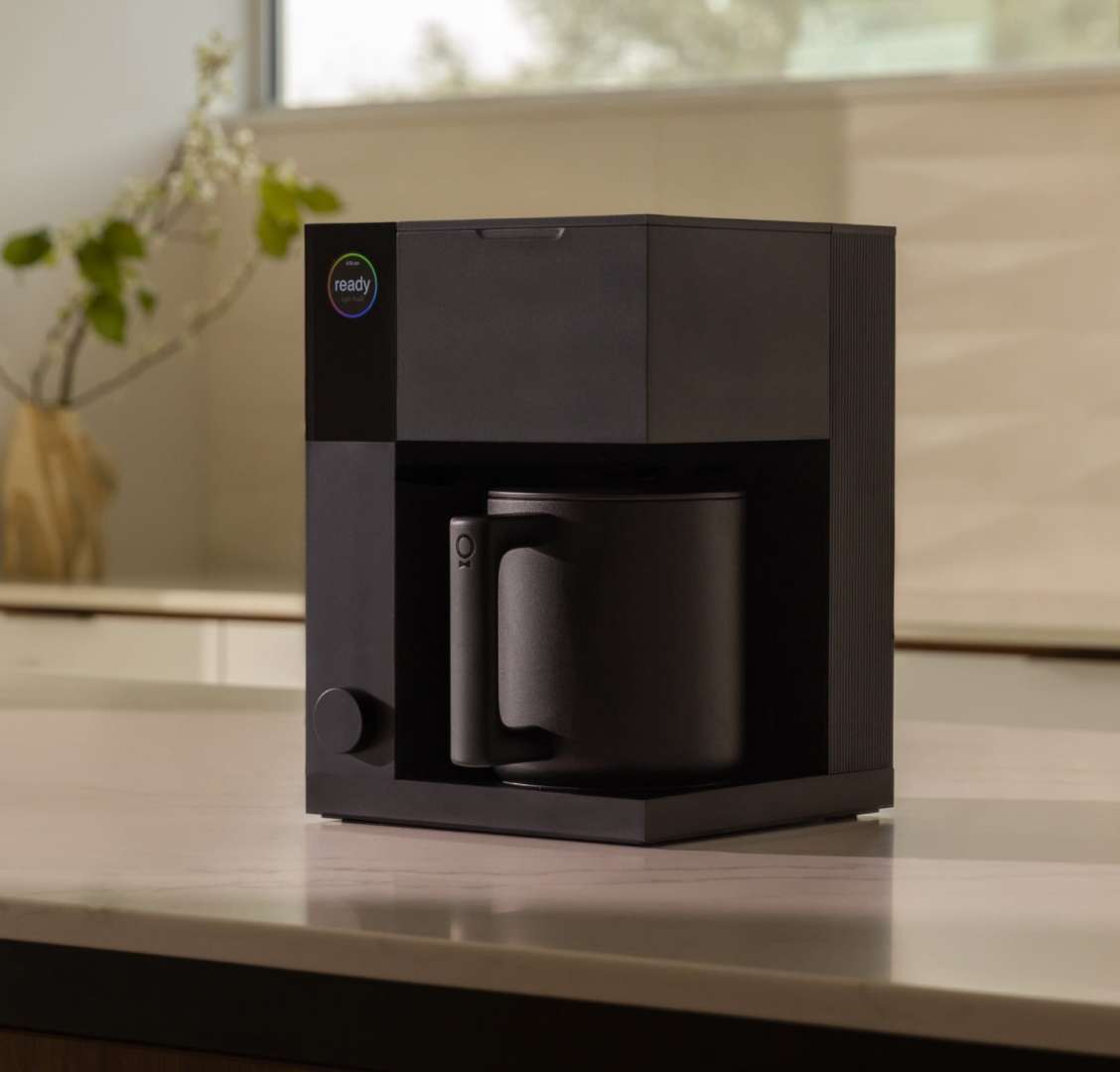
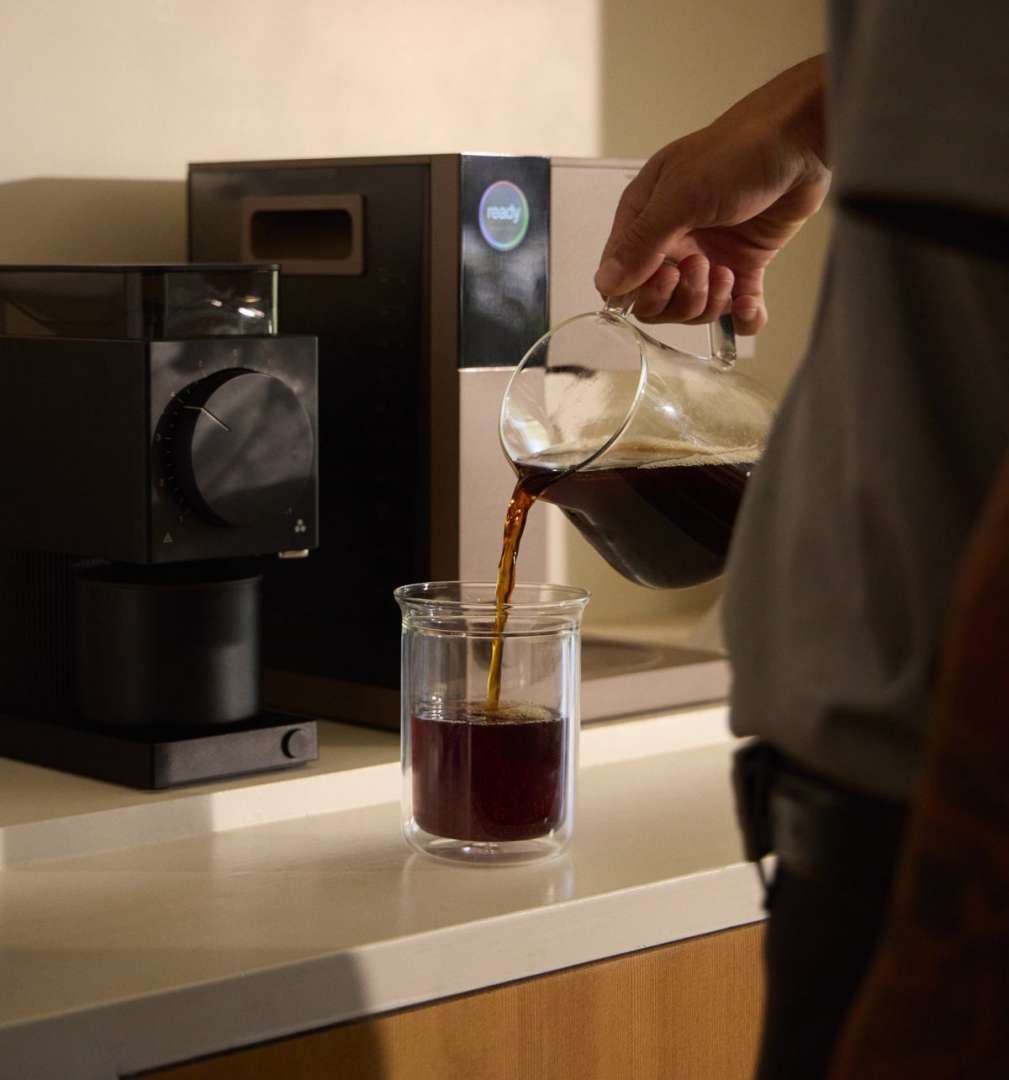
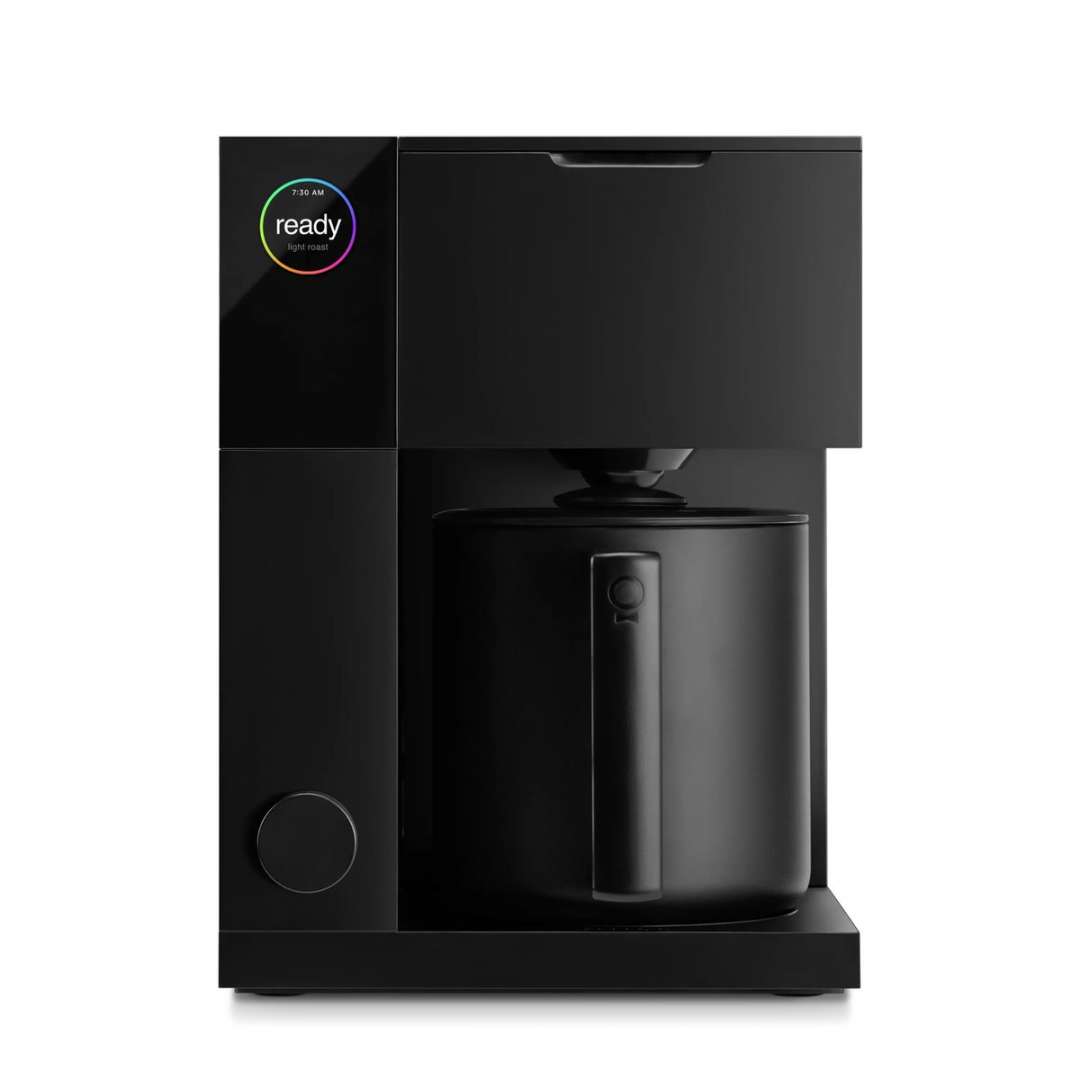
Aiden automates pour-over: it manages temperature to the degree, opens with a bloom, then pulses water through a dual showerhead that adjusts its coverage for a single cup or a full carafe. The result is a drip machine that brews like a person standing over a kettle, watching the bloom and counting the pulses down to the last one.
Brew Profiles run the show from a full-color LCD or the app: pick one by roast level, follow a roaster’s, or save your own. A cold brew profile finishes in ninety minutes off a hot bloom. Six colors ship, Matte Black to Woodland.
The build is BPA-free food-grade plastic, stainless steel and silicone, the single-serve basket takes standard #2 cone filters, and the batch basket takes standard 8-to-12-cup batch filters, sized for the full carafe.
What we like: to-the-degree control of the water and the bloom, without a gooseneck kettle, a scale or a timer in hand at six in the morning.
What we dislike: at $399.95 before filters and beans, it prices like two good drip machines.
4. NOX, the light that leaves its base
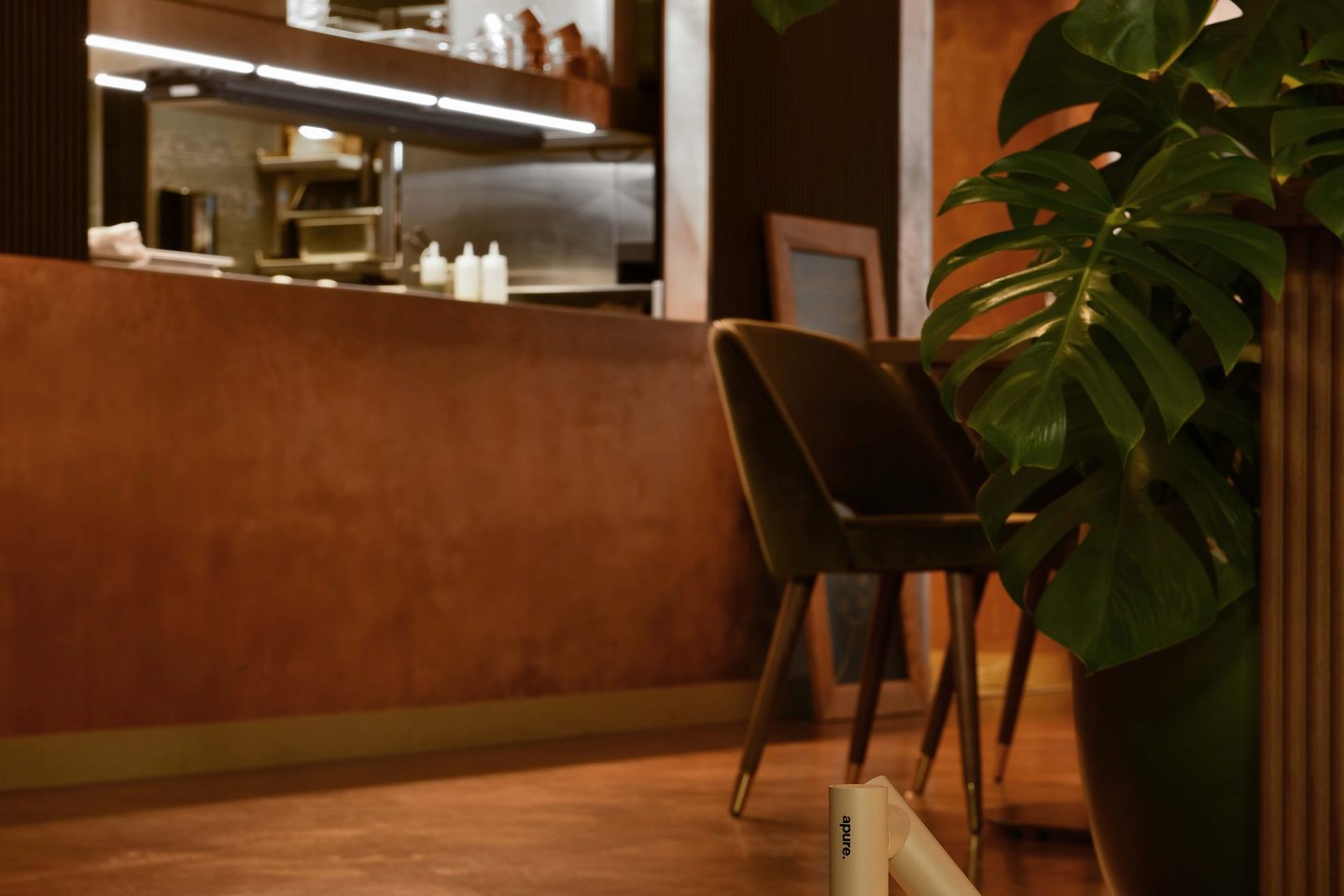
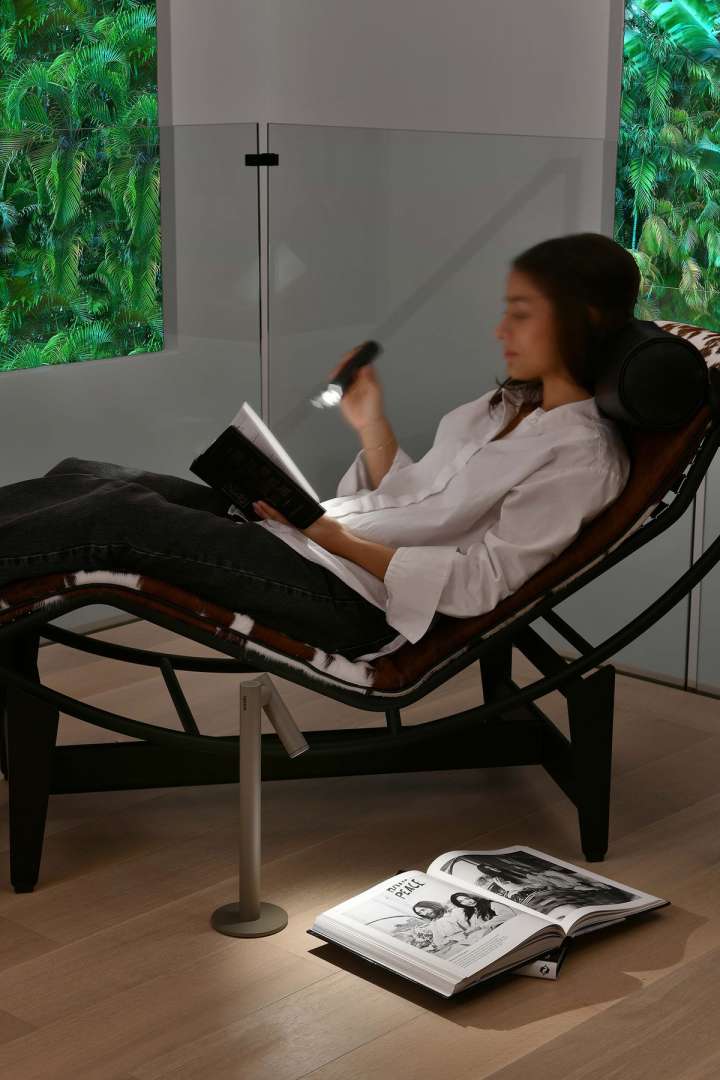
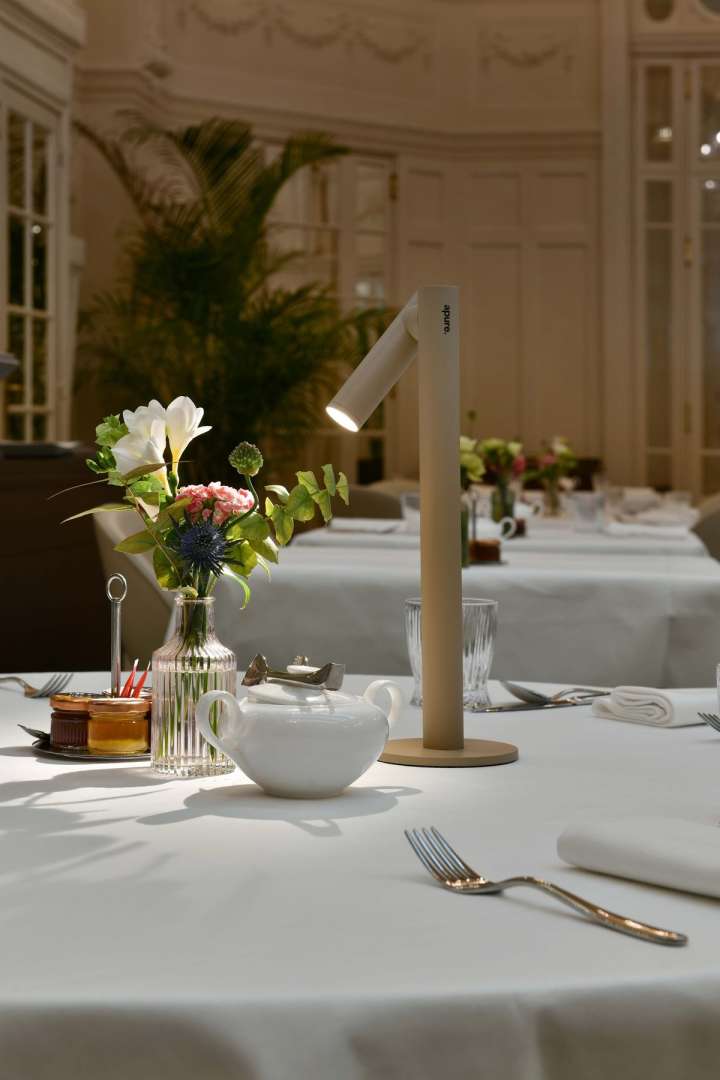
NOX splits in two: a magnetic light element lifts off the base and works as a torch, then docks back home and rotates a full 360 degrees in its cradle. The lens adjusts the beam from a wide ambient glow to a focused pool, and a touch surface handles the dimming without a dial or a switch.
Studio Apure rates the base at twelve to fourteen hours per charge, with the detached torch running about an hour at full brightness by the maker’s estimate, and the whole piece carries an IP54 rating for covered outdoor use. We covered NOX on its own earlier this season, and nothing since, lamp or otherwise, has taken the slot from it.
The Launch Edition finishes are Onyx, Nimbus and Dune. Three matte finishes, all furniture tones.
What we like: the torch leaves the base, so the light goes where the task is, not where the outlet is or where the base happens to sit.
What we dislike: one hour of torch time at full brightness is a short leash, and the torch is the part you’ll use every day.
5. Loftie Clock, a guard for the bedroom
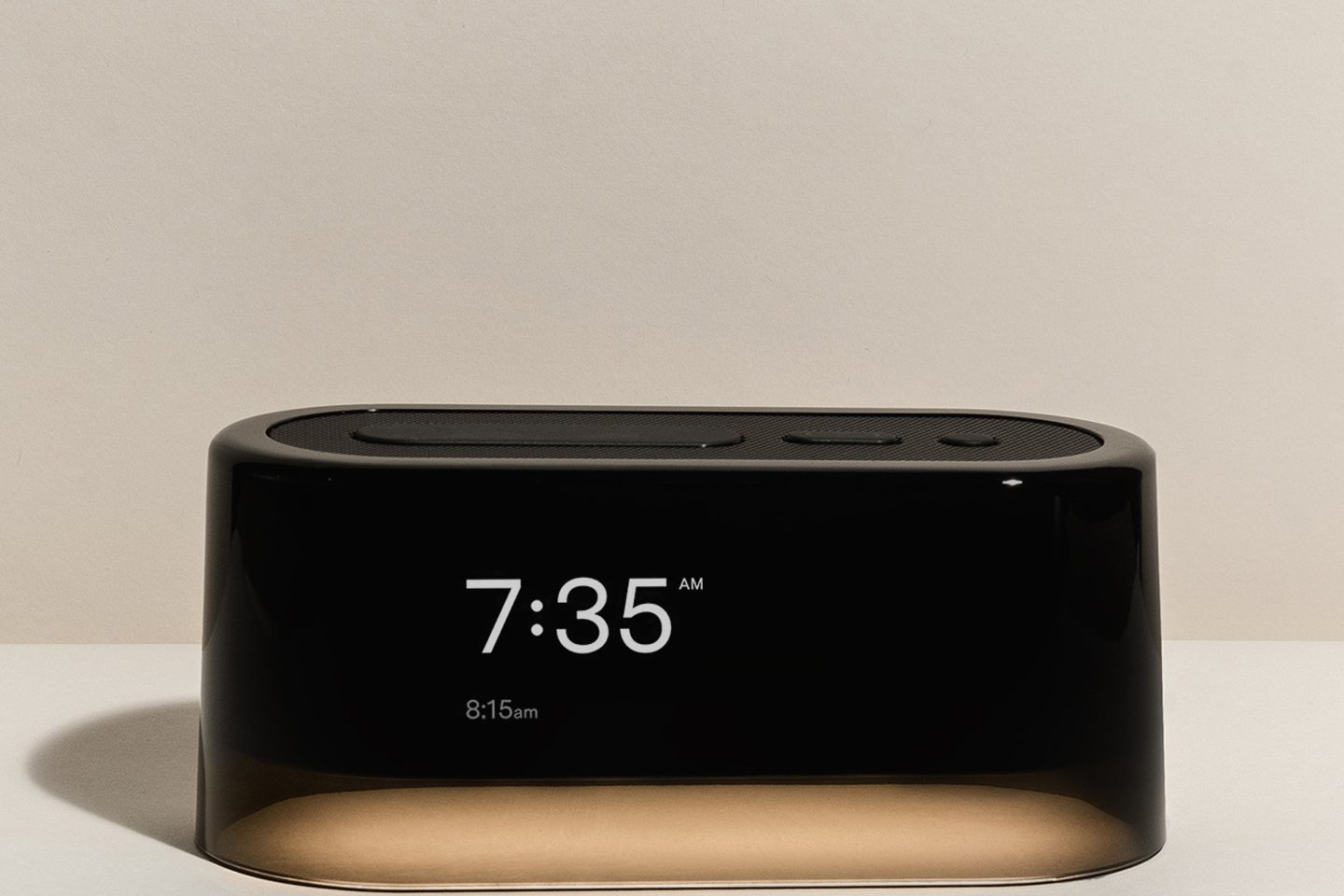
Loftie is an alarm clock built to get the phone out of the bedroom: its two-phase alarm starts with soft sounds that fade after thirty seconds, then returns three, six or nine minutes later with a melody. Alarms run on the clock itself, no phone and no Wi-Fi needed.
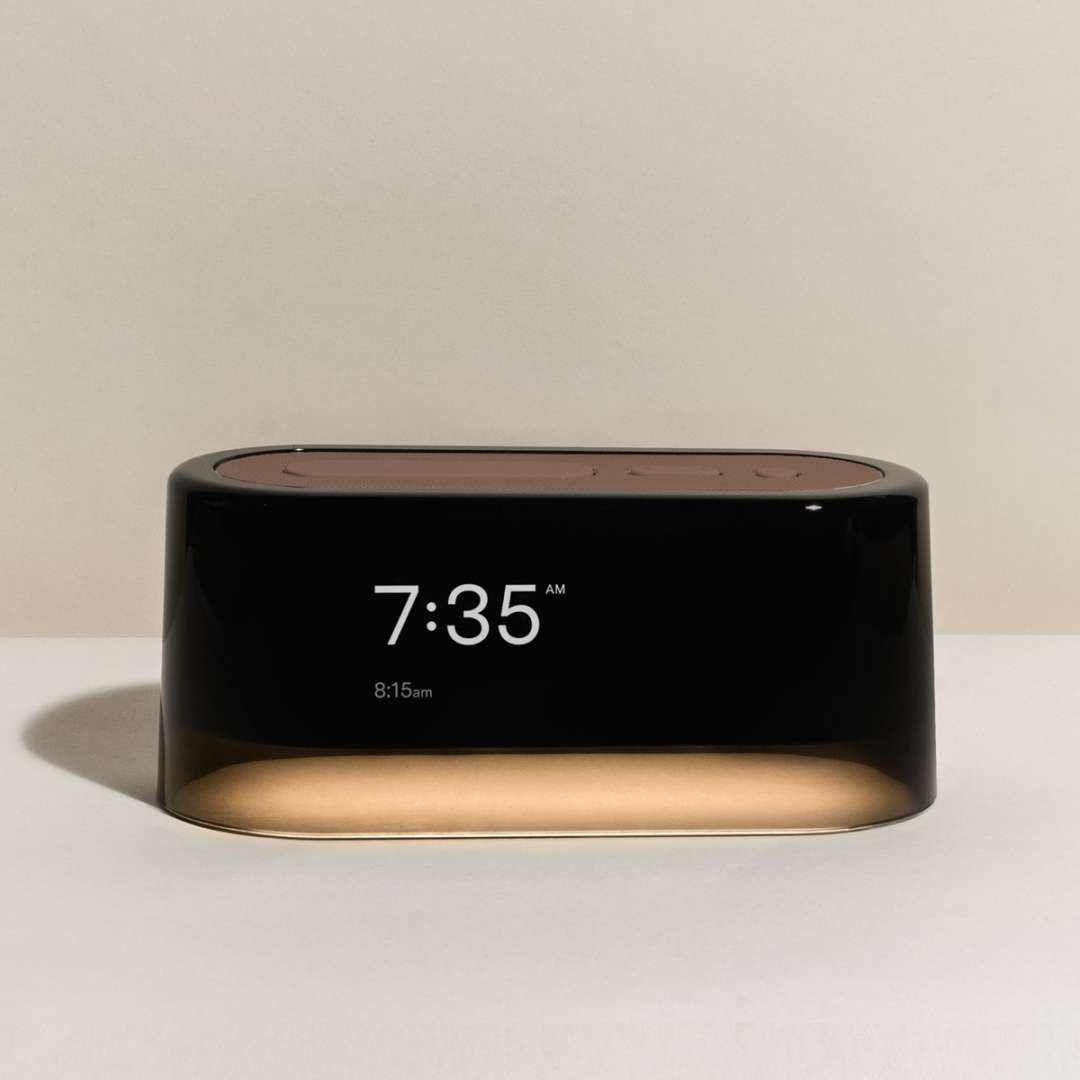
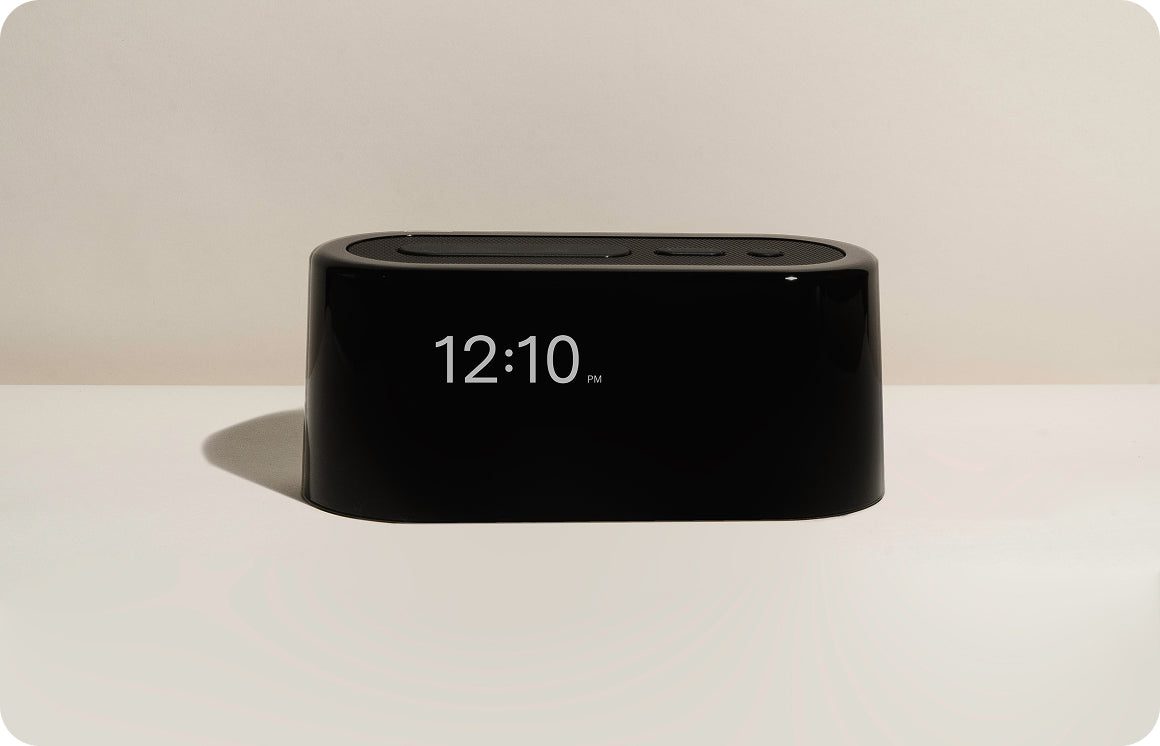
A hundred-plus sounds are included with no subscription, the display dims to blackout, a nightlight glows at bedside strength, and Drift locks your chosen apps when you walk into the room, before the phone reaches the nightstand. The shell is polycarbonate with a steel top grill, in eight colors that run from Black and White to Red Shell, Coffee, Powder and Butter, and a cloth-wrapped USB-C cable rides in the box.
It measures 6.5 by 2.75 inches, 1.8 pounds.
What we like: it works with the phone in another room and the Wi-Fi off, and it never asks for a subscription.
What we dislike: the backup battery covers a night, not a trip, at five to seven hours unplugged, so a dead outlet still wins on the second night.
Buy into this list if your rooms are full of objects that only do their job; every pick here does its job and says something while doing it. Skip all five if spec sheets decide your spending; the money in these five went somewhere else entirely.