

Car interiors used to be cockpits, all gauges and a wheel in your hands, and a job to do. That era is over.
The best cabins of 2026 borrow from living rooms and hotel lounges instead, right down to the lounge chairs and the lobby bars. And the shift is changing what luxury means when people shop for a car. Ambient light pools where a reading lamp would, and seat fabrics invite touch instead of wiping clean, the way good upholstery should on a chair you sit in every day.
That’s the goal now. A cabin you want to stay in after you arrive, and these five get there five different ways, none of them by adding more buttons.
Genesis GV60: the interior that won every award
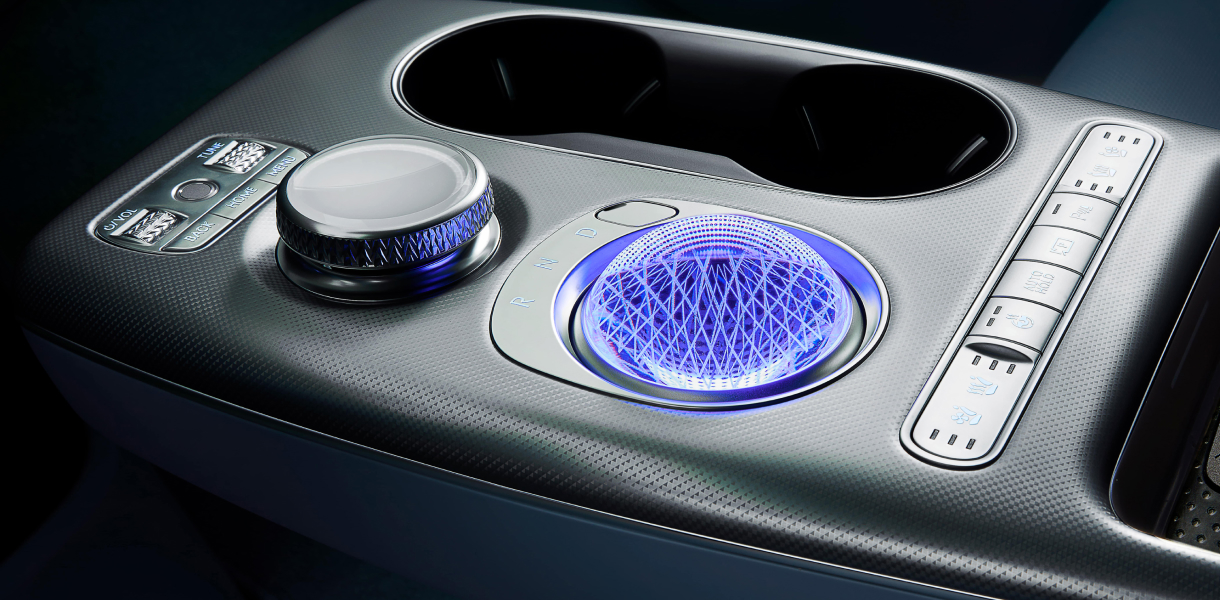
Most cabins in this price range play it safe. The GV60 doesn’t, which is how it landed on the Wards 10 Best Interiors and UX list in both 2022 and 2023 and took a Good Design Award for its interior. The Crystal Sphere in the center console is the signature: it glows as mood lighting when the car is off, then rotates to reveal the gear selector when you start it, in full view of the cabin.
A 27-inch OLED display stretches across the dash of the current car, and a Bang and Olufsen premium audio system handles the sound, and sustainable materials run throughout the cabin. The whole interior feels considered rather than assembled, and it does that at a price the German cars in this piece can’t match and mostly don’t try to.
Lucid Gravity: minimalism that expands the space
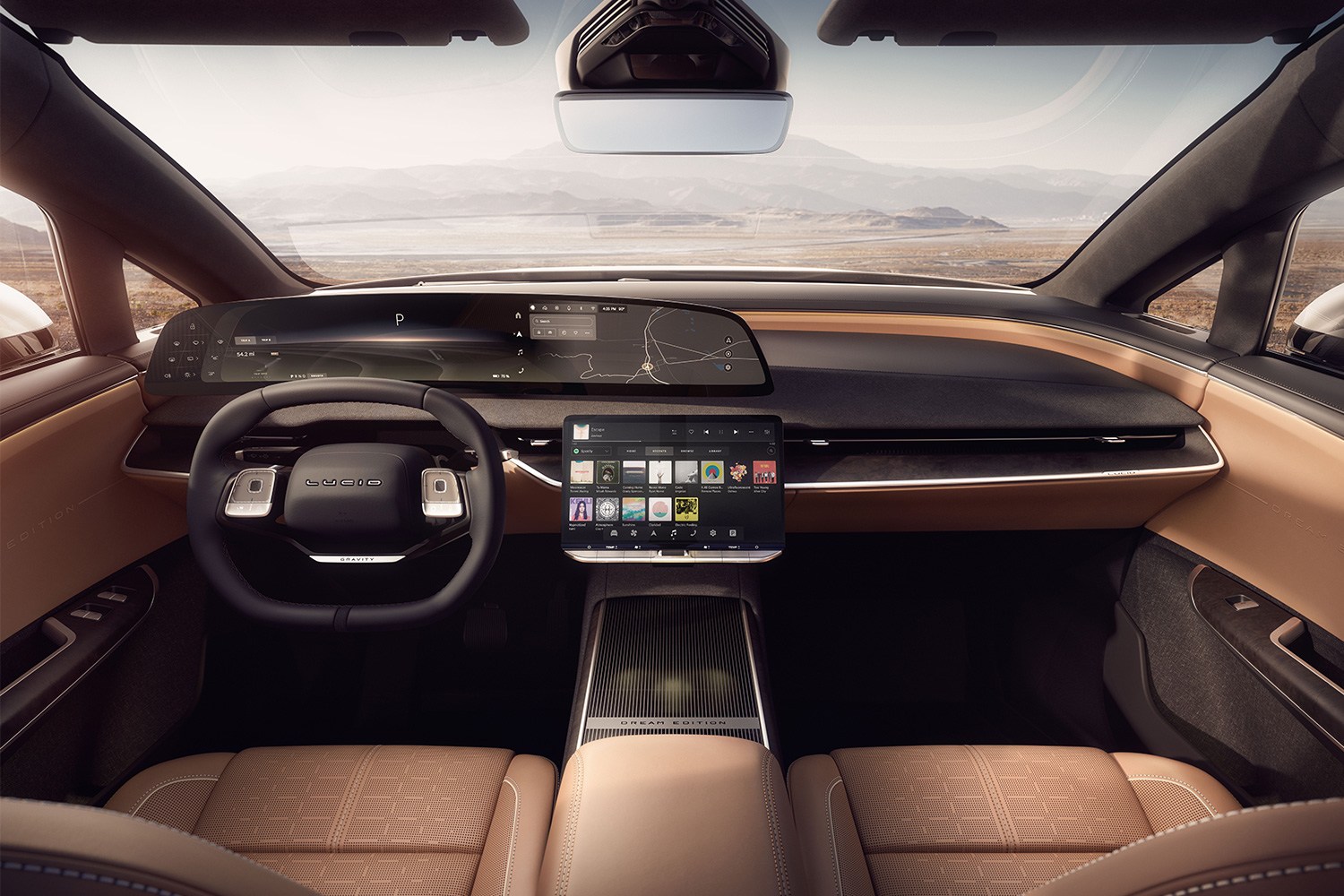
Luxury has an adding problem: more screens, more materials, more trim pieces competing for your eye. Lucid went the other way, and the Gravity’s dash is one clean sweep of glass and screen with almost nothing interrupting the line.
Less, arranged better. Nothing in the cabin shouts for attention, and the quiet that leaves behind is the luxury, and you notice it immediately.
The flat floor and the glass canopy do the rest, opening sightlines that a conventional SUV cabin can’t offer, and the judges noticed: the Gravity was named World Luxury Car of the Year 2026 at the World Car Awards. Subtraction, done this well, looks like confidence, because adding is always the easier brief. Nothing in the cabin is showing off, and that’s exactly why it works.
Mercedes-Benz EQS: the Hyperscreen changed everything
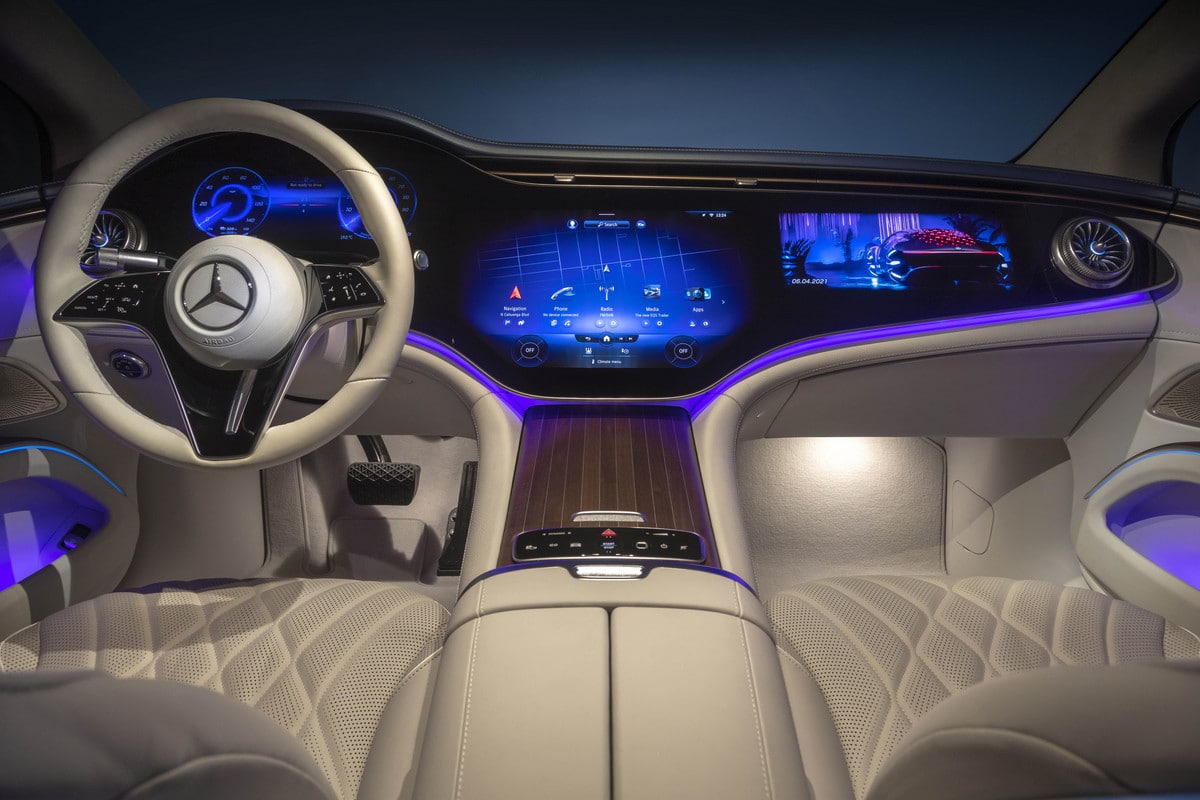
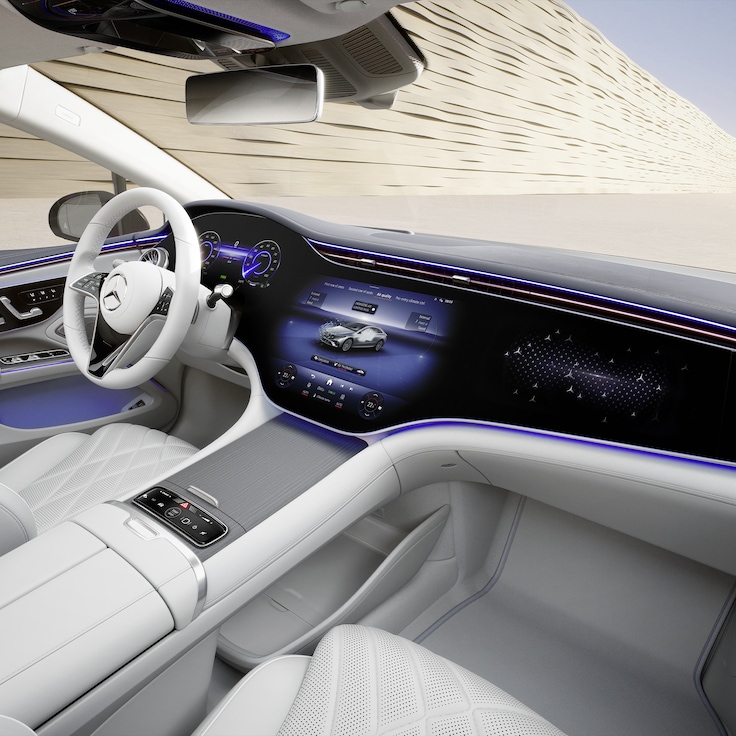
A 56-inch curved glass panel spans the EQS cabin from A-pillar to A-pillar. Three displays live under that sheet of glass: one for the driver, one for central infotainment, and one for the passenger, who can watch video on the move. The system watches the driver and dims that screen if their eyes drift toward it, without interrupting the film, which is the kind of overengineering that defines this car. It’s a lot of glass, and it works.
Beyond the glass, the Energizing Comfort system coordinates seat massage, ambient lighting, climate, audio and fragrance into programs you pick by mood, from alert on the morning run to calm on the way home. The cabin stops being a passive space and becomes an environment that adjusts to how you feel, and on a long night drive that stops sounding like a gimmick.
Glass is the architecture here. Everything else is furniture.
Range Rover: sustainable luxury without compromise
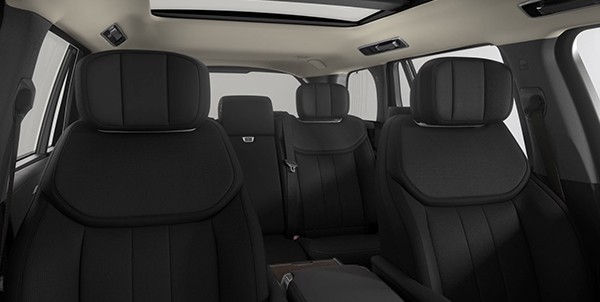
Range Rover did something the rest of the industry talked about for years and then mostly didn’t do, at last offering a full interior in non-leather materials that still feels like a Range Rover. Ultrafabrics, a technical textile developed for yachts, covers the seats and door panels. A Kvadrat wool blend made with recycled wool handles the rest, with a stain resistance most leathers can’t match.
Order through SV Bespoke and the cabin adds ceramic finishes and semi-aniline leather. The air purification system filters fine particles and allergens out of the cabin air before you ever breathe them.
Sustainable luxury only works if it feels more luxurious than what it replaced, in the hand and under you. Range Rover understood that before anyone else did.
BMW 7 Series: the theater lounge on wheels
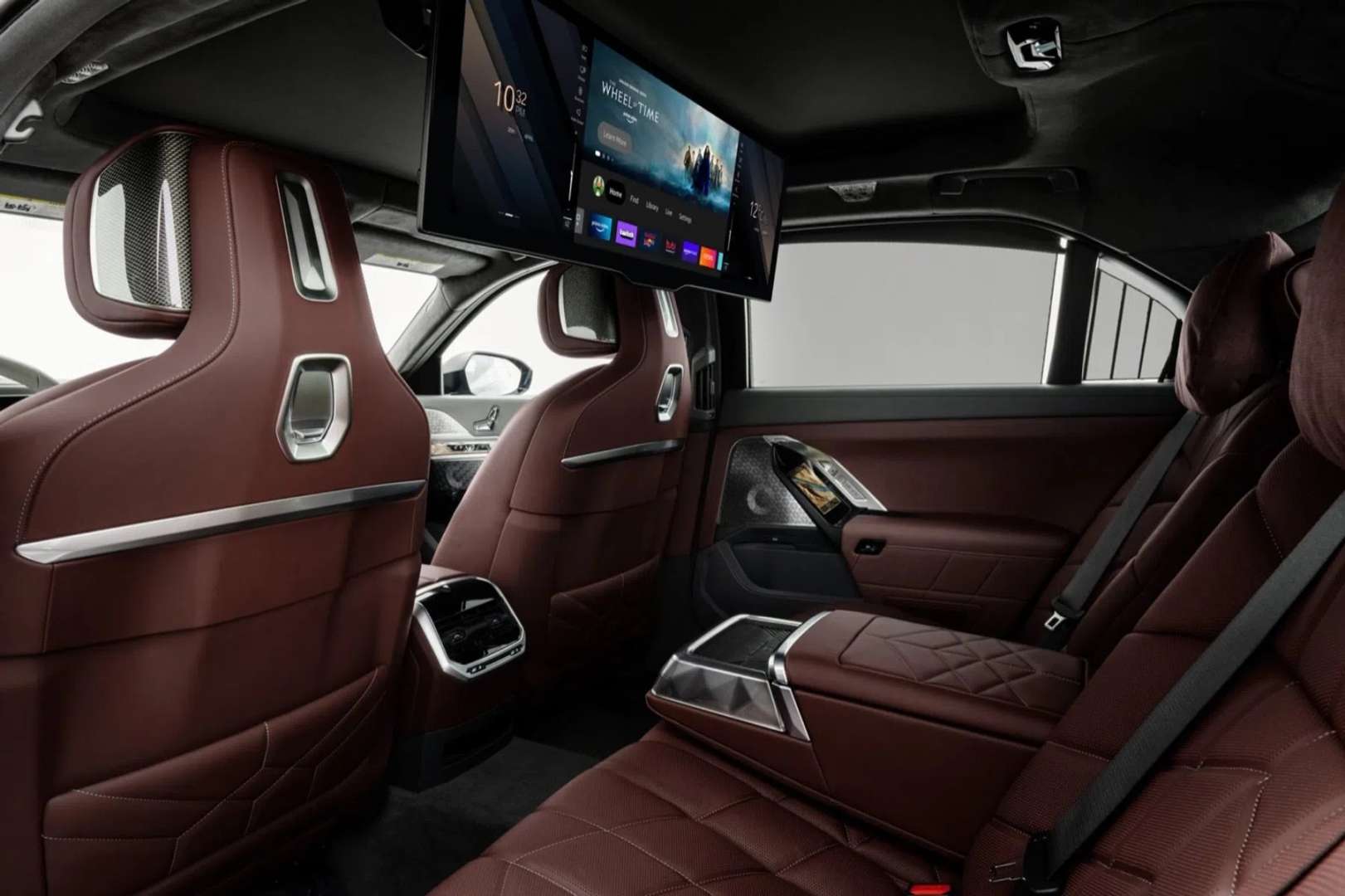
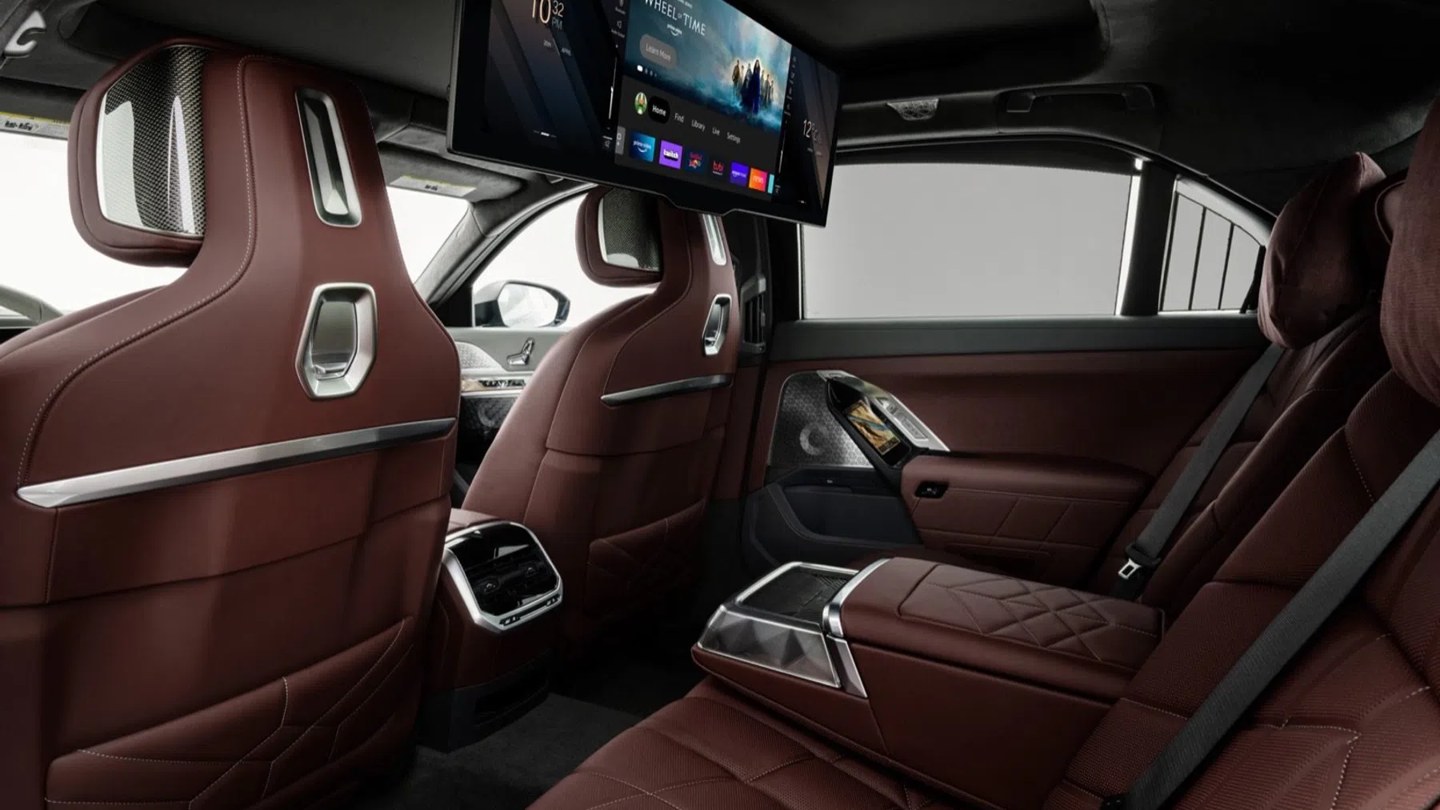
Most car interiors are designed for the driver, and the 7 Series is designed for everyone else, starting with a 31-inch 8K Theatre Screen that folds down from the ceiling and runs Amazon Fire TV. The back seat is the room. The optional Bowers and Wilkins Diamond system fills the cabin with up to 36 speakers and 1,965 watts, now with Dolby Atmos, and on a long evening drive home, that changes the whole car.
The optional rear lounge seat reclines like a first-class airline pod, footrest and all. The effect is a back seat that stops being a place you sit and becomes a place you watch films the way you’d at home, only quieter and with better sound.
What this shift means
The common thread across all five is unmistakable. The Genesis focuses on intention, the Lucid subtracts to expand, the Mercedes uses software as architecture, the Range Rover filters the outside world, and the BMW hands the best seat to the passenger, and each one is convincing. Car interiors are no longer about driving. They’re about being somewhere, not just going somewhere.
If you’re shopping for a luxury car in 2026, the engine figures weigh less than they did five years ago, and what counts is how the cabin makes you feel 45 minutes into a drive. The best luxury interior isn’t the one with the most screens; it’s the one that makes you want to keep driving.
Sit in all five before you sign anything, because cabins are the part of the car you actually live with, and a ten-minute test drive on a bright afternoon won’t tell you what a February commute feels like. Pick the room you’d rather sit in for three years, and the spec sheet will take care of itself.


