

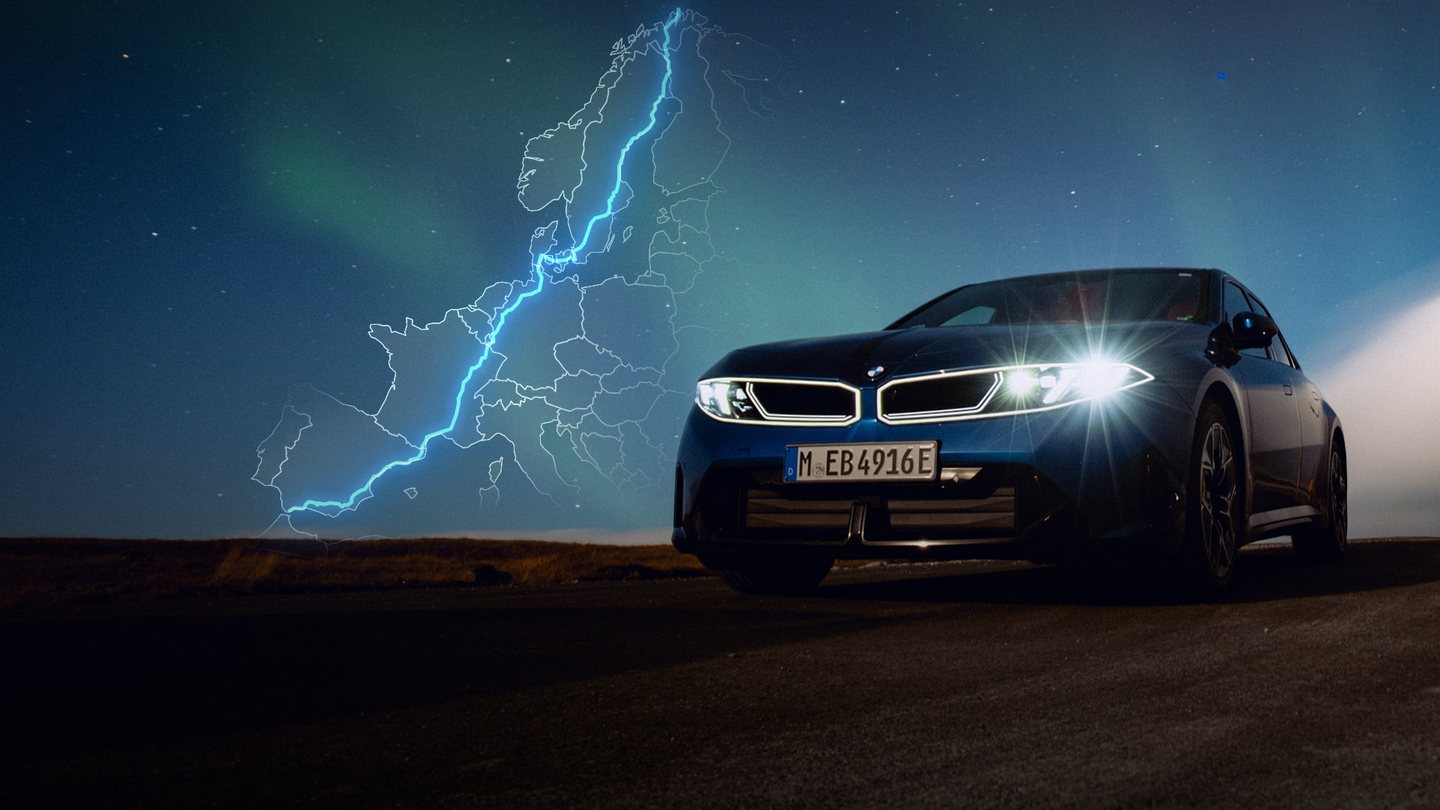
Five drivers, one sedan, and a route that starts where the road runs out. BMW sent its new i3 50 xDrive from the North Cape in Norway to Tarifa at the southern tip of Spain, 5,886.7 kilometers of Europe end to end, and the car spent a total of 2 hours and 46 minutes plugged in along the way.
The 2017 record it beat needed over seven hours more at the chargers. The telling figure is the consumption, 12.5 kWh per 100 kilometers across the whole route, highways included.
A sedan shape doing quiet work
Look at the car first, because the efficiency starts with the shape. The new i3 wears the Neue Klasse face, a wide lit panel stretching across the nose where the kidney grille used to sit as two separate openings, with slim headlights drawn into its edges and clean surfacing down the flanks.
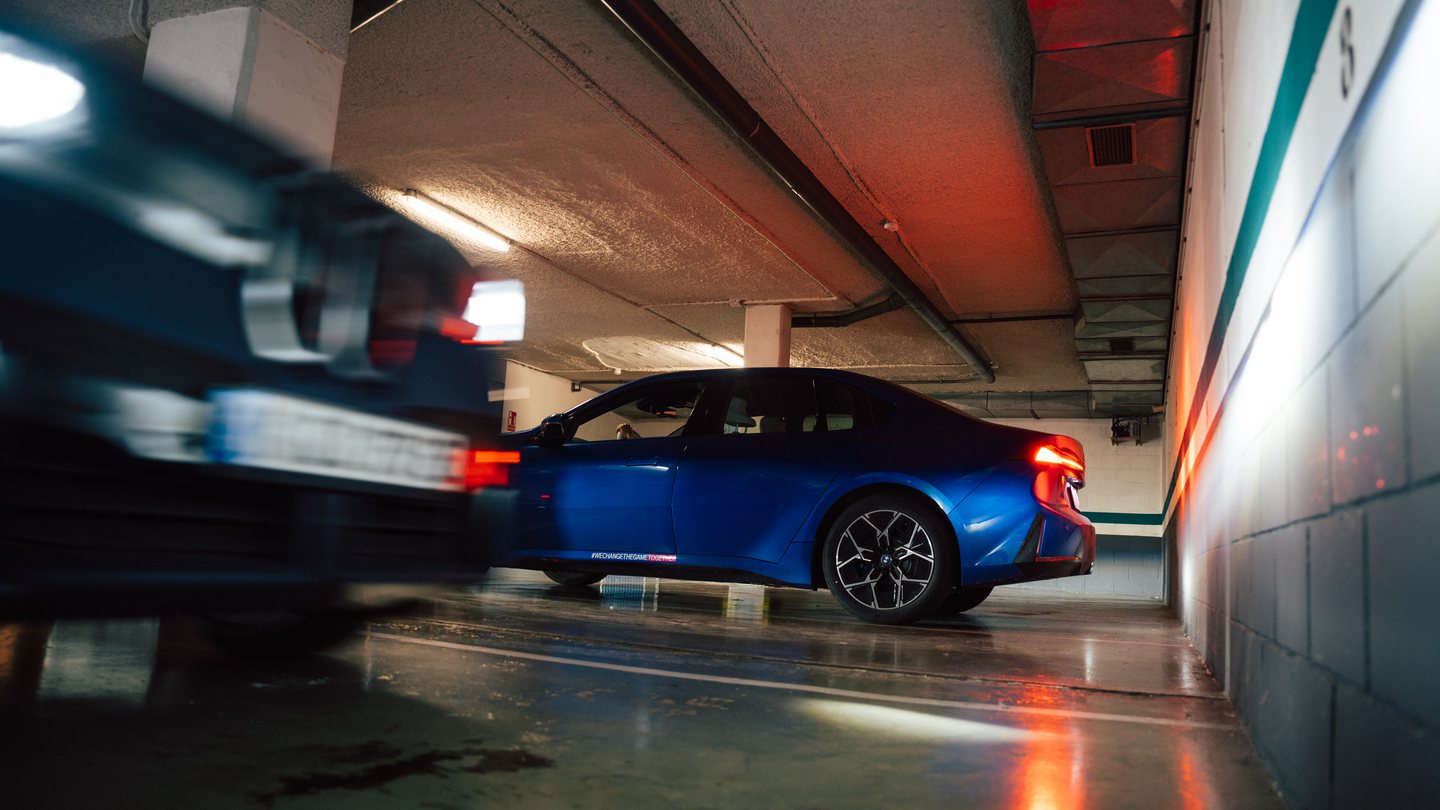
At night it becomes one lit graphic. In daylight it settles back into a plain, well-proportioned sedan, which is exactly what the Neue Klasse design language is going for.
The proportions do the rest of the work. A long hood, the cabin set well back, and a short rear deck give it the classic rear-drive sedan stance, carried onto an electric platform that never had a transmission tunnel to package around.
North Cape to Tarifa is a long way down one continent
The team started at the North Cape, the cliff-top landmark under its steel globe where mainland Norway gives up and the Barents Sea takes over. From there the Paneuropeana route runs the length of the continent, through Scandinavia, down through Germany and France, and across Spain to Tarifa, the wind-beaten town facing Morocco across the strait.
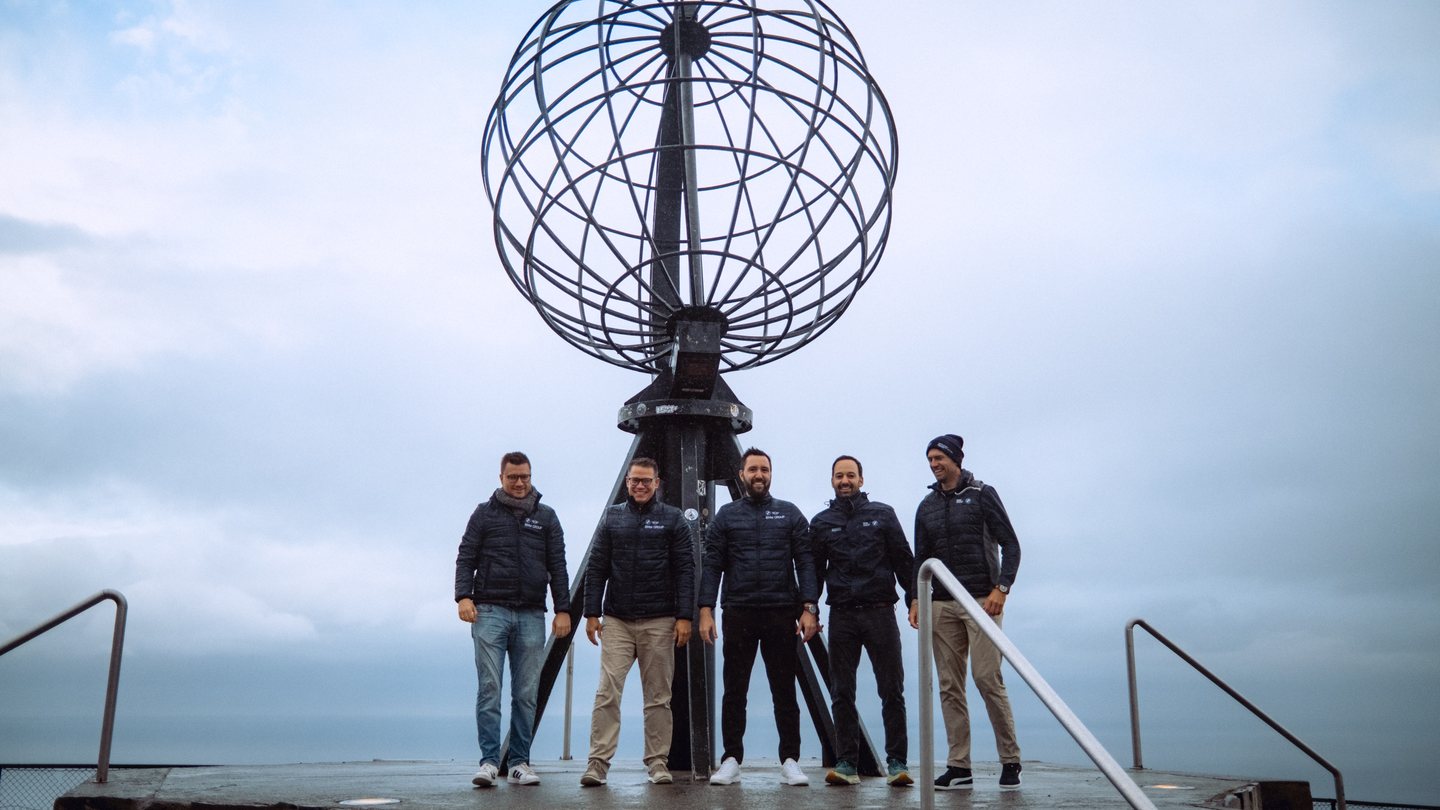
Two endpoints, one ocean each, and everything European in between.
BMW ran the drive as a team effort with rotating drivers, the way a real owner would cross the continent on a deadline, and the car that did it wears the same specification customers can already order in Europe as the i3 50 xDrive First Edition. The route name, Paneuropeana, is BMW’s own, and the company has used this line before as its long-distance proving run.
The charging numbers carry the story
Under the skin sits BMW’s sixth-generation eDrive hardware, built around cylindrical battery cells, an 800-volt architecture, and a 108.7 kWh pack that forms part of the car’s structure. Peak DC charging runs to 400 kW, and at a charger that can deliver it, BMW quotes up to 423 kilometers of range added in ten minutes.
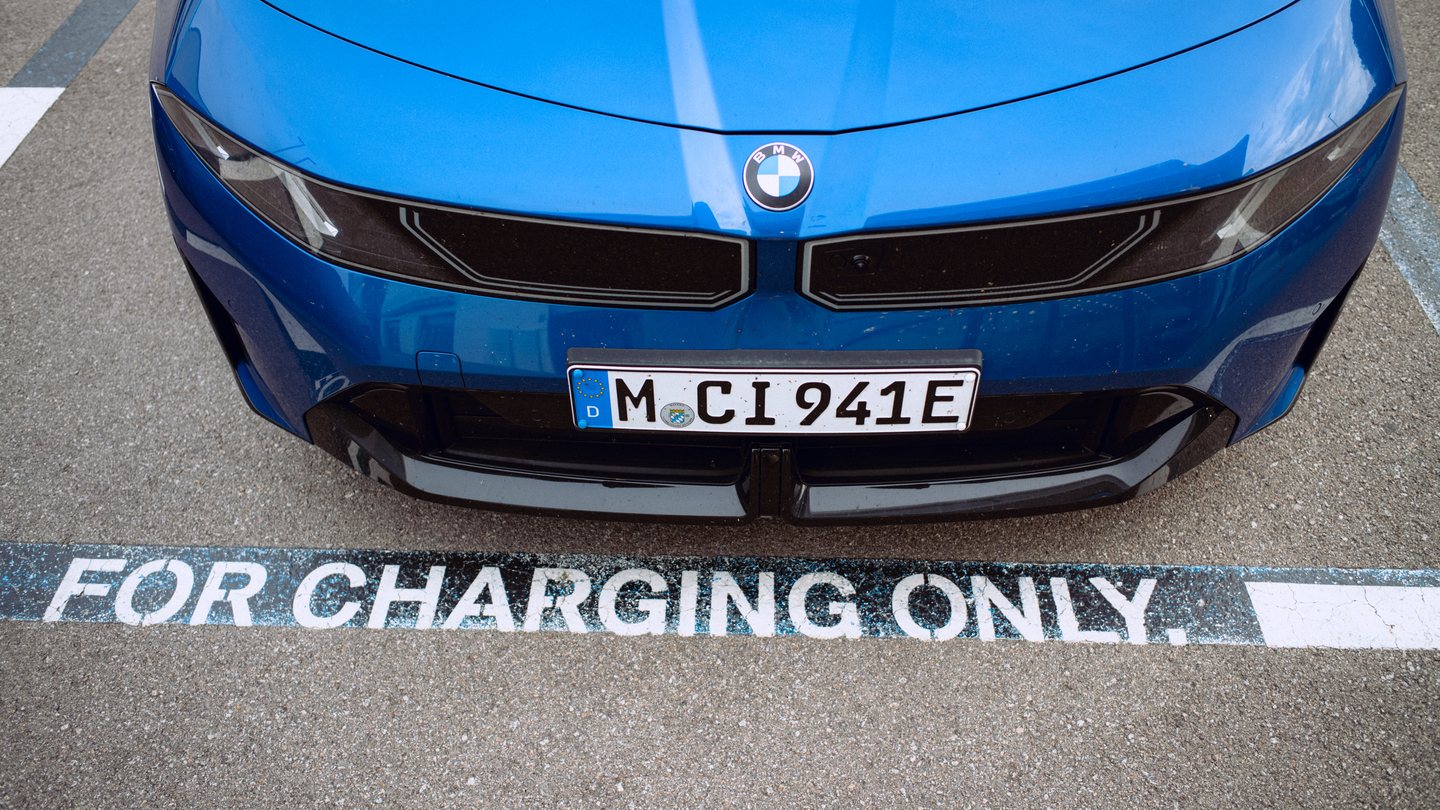
Spread over the full distance, the 2 hours and 46 minutes works out to under half an hour of charging for every 1,000 kilometers covered. Bidirectional charging is part of the package too, so the car can hand power back when it is parked.
Gen6 trims losses everywhere the old hardware wasted them, from the motors to the power electronics, and the latest EfficientDynamics package ties the system together. The same hardware sits under the iX3, the first Neue Klasse model, and the i3 is the second car to carry it, so this run proves the platform and not just one sedan. Small gains, stacked over 5,886.7 kilometers, are how a record like this gets built.
469 horsepower when the road opens up
None of that frugality makes the i3 50 xDrive slow. Two electric motors, one at each axle, deliver 469 horsepower and 645 Nm of torque, and the sprint to 100 km/h takes 4.7 seconds. That is M-car pace wearing a consumption figure most hybrids would be proud of.
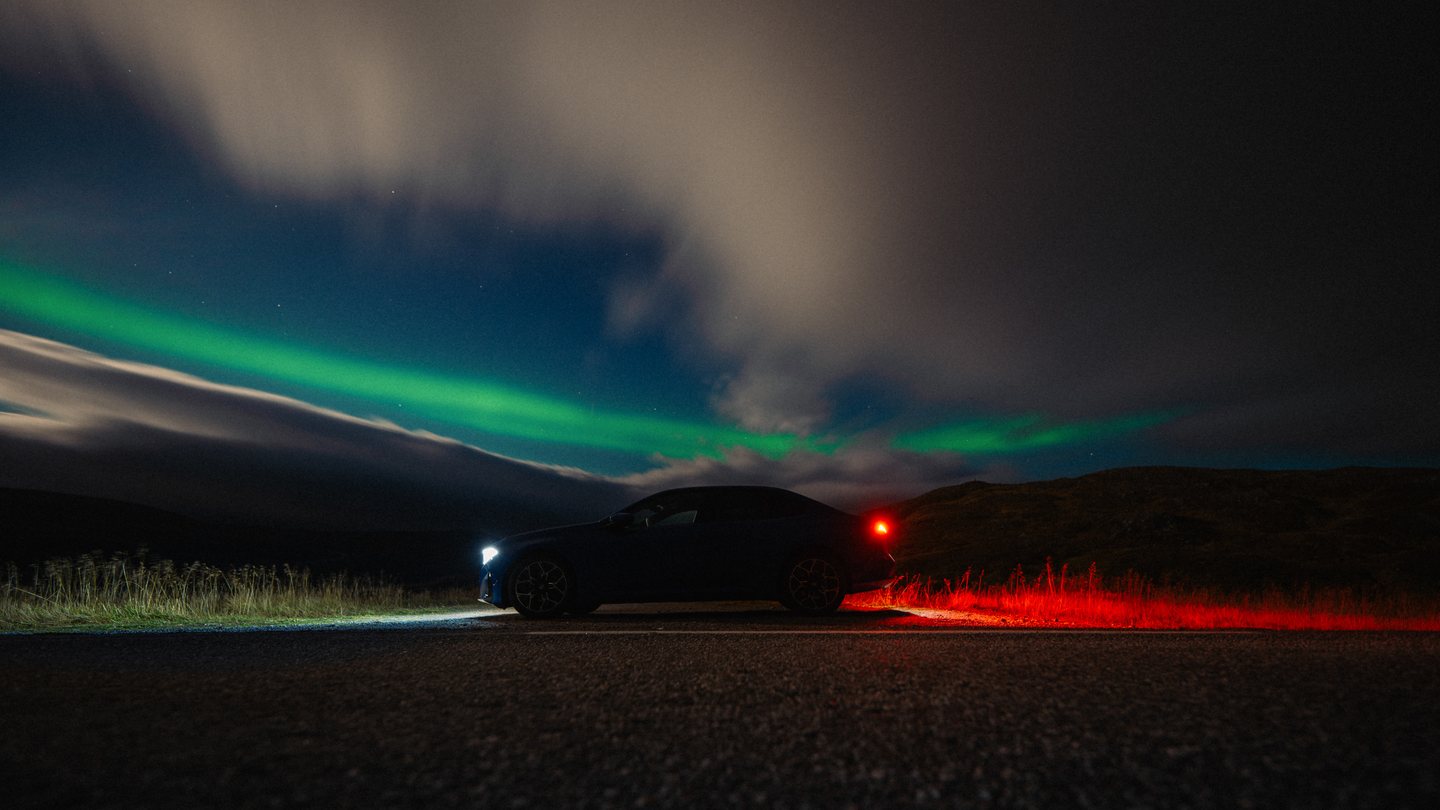
The record run was driven at road pace, not hypermiling pace, which is why the 12.5 average lands so well. Efficiency you have to nurse along is a lab result. This one survived real traffic, real weather, and real deadlines.
It helps that the efficiency hero here is a dual-motor all-wheel-drive sedan rather than a stripped special. Nothing in the specification looks like a sacrifice made for the headline.
The shape is what stays with you
Come back to the design, because it is the part owners will live with after the record fades. The Panoramic iDrive display runs the width of the windshield base inside, the surfaces stay uncluttered, and the whole car has the calm, drawn-with-one-line quality BMW has been promising since the first Neue Klasse concepts appeared.
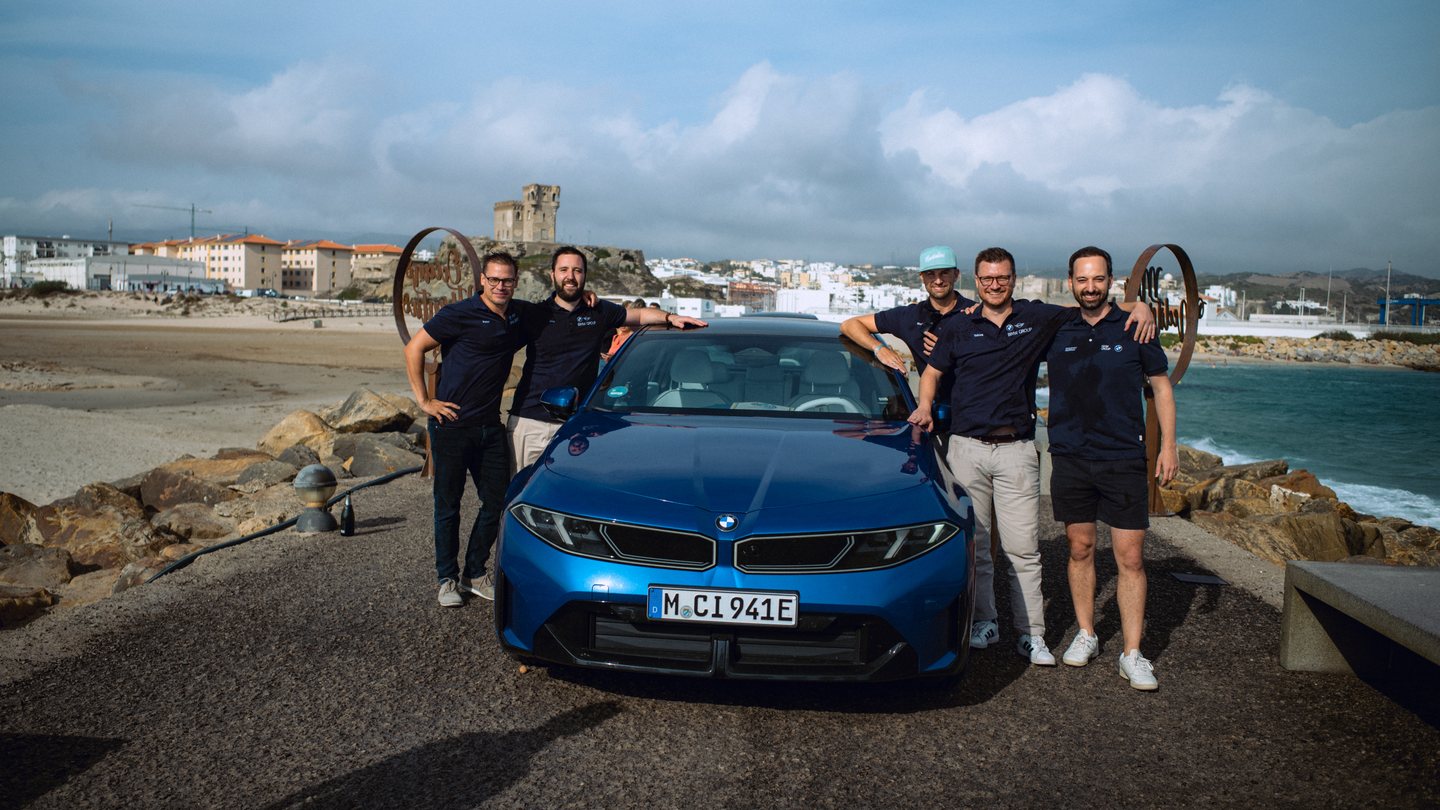
Tarifa suits the finish. The team photos show a blue sedan at the bottom of Spain with the sea behind it, looking entirely ordinary, which might be the most radical thing about the whole exercise.
The i3 reaches European showrooms first, with the USA and Canada following by the end of 2026 under BMW’s launch plan. US pricing has not been announced yet, and the record run makes the case without it.
Electric range claims usually collapse somewhere around the second mountain range or the first cold night. This one held from the Barents Sea to the Strait of Gibraltar, on less charging time than a long lunch, and it did it in the sedan shape BMW sells by the hundreds of thousands.
Range on the official cycle runs to 912 kilometers for the 50 xDrive in its longest specification, which is the number this drive set out to prove in the real world.
If this is the electric 3 Series era opening its account, the opening number is a strong one.


