

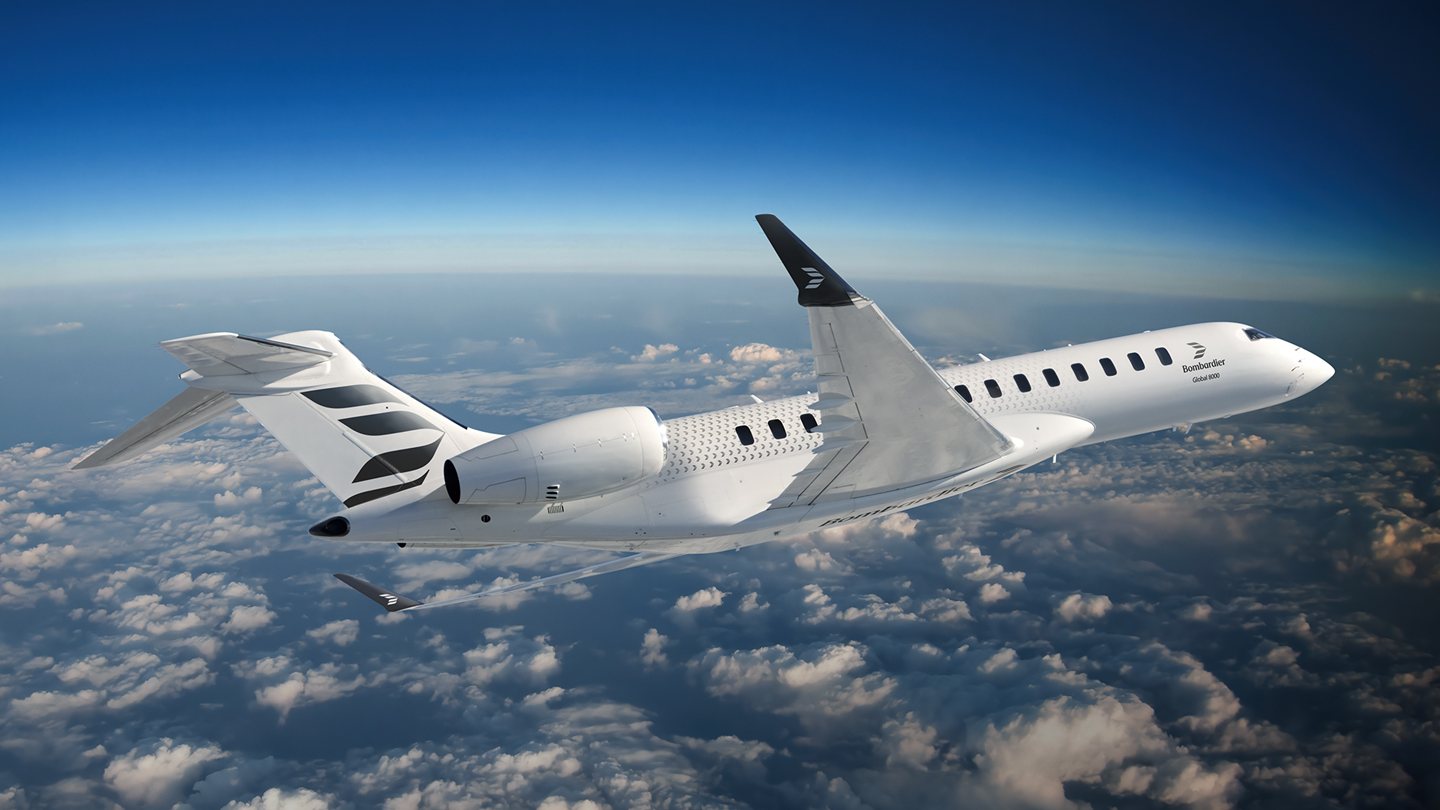
The Helicopter Company built its name on rotary flight across Saudi Arabia, and its next fleet wears fixed wings and Bombardier badges. Binding purchase agreements signed in Montreal convert a summer letter of intent into firm orders for business jets.
Twelve aircraft are firm, with options covering 48 more.
Five Challenger 3500s, five Global 5500s and two Global 8000s form the firm order, valued at approximately US$568 million based on 2026 list prices. The mix spans super-midsize missions inside the Gulf and intercontinental sectors beyond it, which tells you the operator is buying a network, not a trophy fleet.
July’s letter of intent, announced at Farnborough, set the same mix in outline. November’s agreements make it binding, described by both companies as the largest transaction of its kind in Saudi Arabia.
From rotorcraft routines to a jet fleet
THC has operated since mid-2019 as the Kingdom’s leading commercial helicopter operator, flying more than 60 aircraft across emergency medical services, aerial work, private charters and tourism. The company was established under the Public Investment Fund strategy that supports Vision 2030, and business aviation extends that brief into premium travel within the Kingdom and across the region.
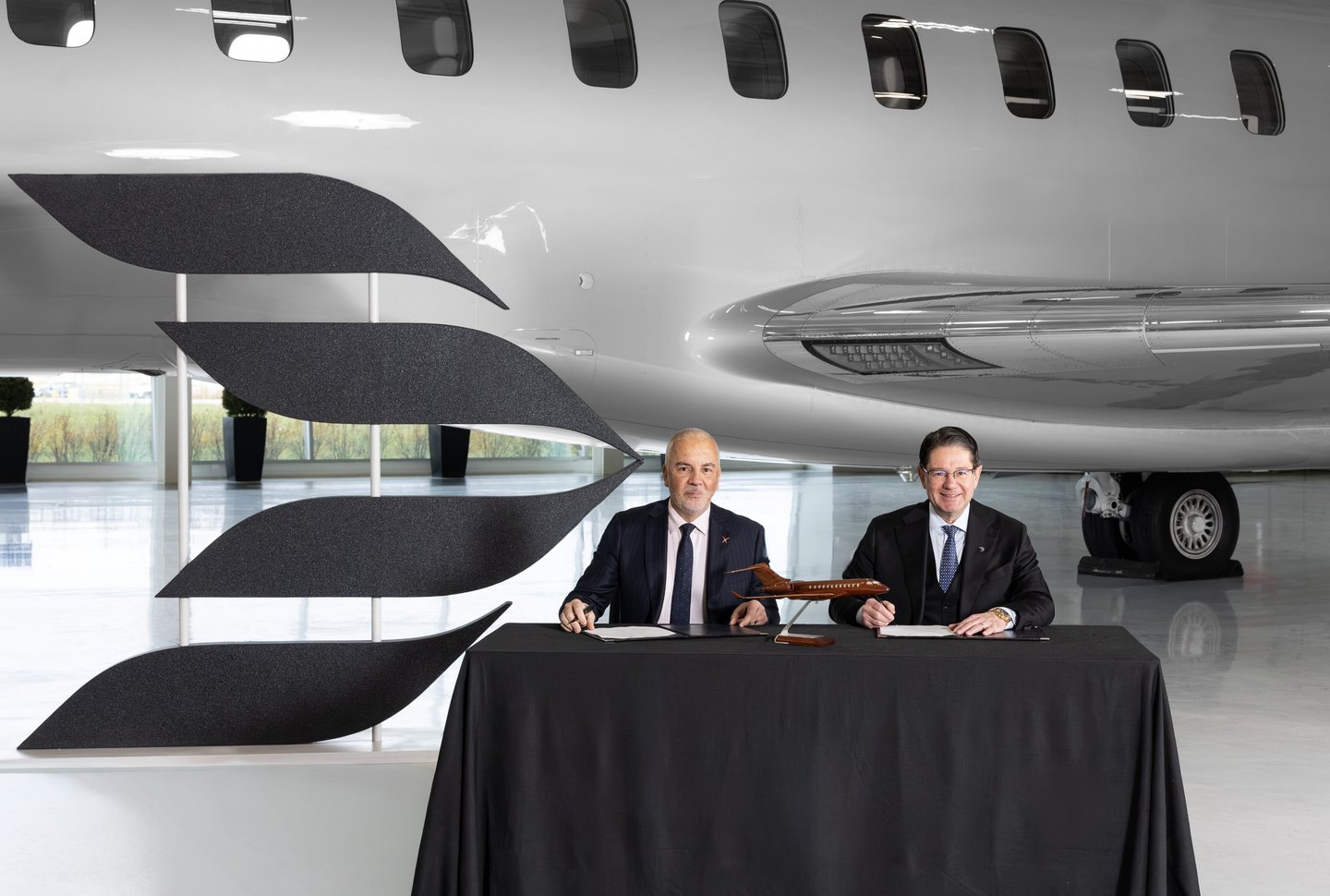
Captain Arnaud Martinez, chief executive of THC, calls the transaction the company’s entry into business aviation and the next step toward an integrated aviation operator for the Kingdom. Demand for business aviation services in Saudi Arabia and the wider region keeps growing, he notes, and the fleet is sized to serve that demand from the first day of jet operations.
Bombardier answered with a commitment beyond airframes, pledging a long-term strategic investment that includes a local footprint in Saudi Arabia. Support on the ground decides whether a new fleet earns its keep, and both sides have written that support into the announcement itself.
Éric Martel, president and chief executive of Bombardier, describes THC’s fleet as foundational and the agreements as a partnership built for the Kingdom’s growth. Manufacturer language at signings always runs warm, yet the local footprint pledge gives this one a measurable follow-up, since facilities and staff either appear in Saudi Arabia or the promise expires on paper.
No delivery schedule came with the agreements. Timing stays open.
Three aircraft, three kinds of mission
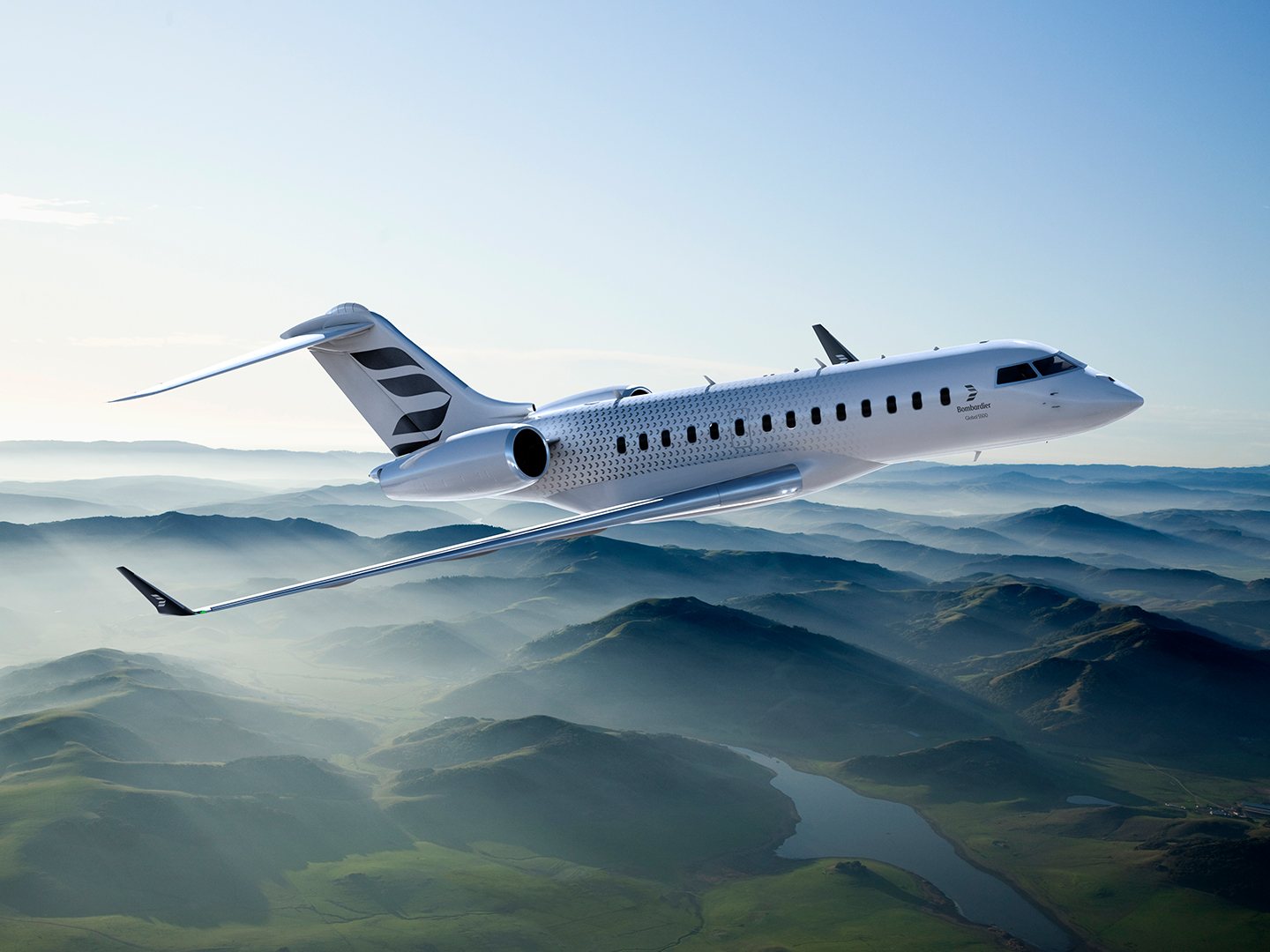
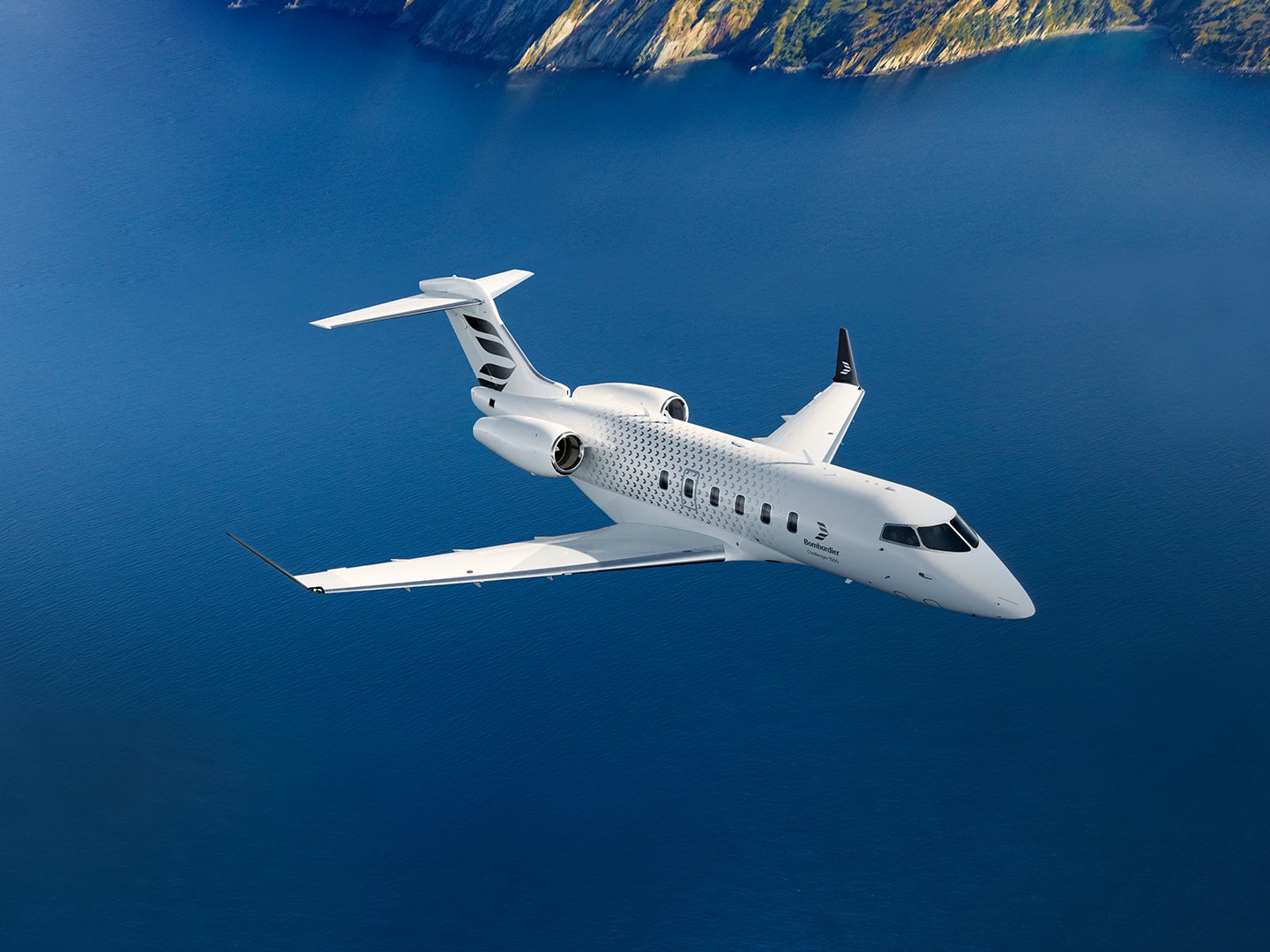
Challenger 3500 covers the regional work, accommodating nine passengers with a range of 3,400 nautical miles that suits missions within the Gulf Cooperation Council region. Global 5500 stretches the map to 5,900 nautical miles and seats 16 passengers across three living zones, while the flagship Global 8000 reaches 8,000 nautical miles with four cabin zones and nonstop pairings such as Riyadh to Los Angeles.
Range buys the schedule, though cabin zones buy the passenger experience that premium charter clients actually remember after landing. THC ordered both halves of that trade in a single signature, which keeps its sales team from choosing between distance and comfort on any given trip.
Options for 48 additional aircraft sit at THC’s discretion under the agreements, so expansion follows demand rather than a fixed calendar. Exercising even part of that option book would multiply the fleet several times over and deepen the Bombardier footprint across the Kingdom, while keeping the capital commitment paced to routes that have already proven themselves in service.
Twelve firm jets start the story. Sixty describe its ceiling, and deliveries will fill in the middle chapters.
Why a helicopter fleet wanted jets at all
Helicopters solve the last short leg brilliantly, landing close to hospitals, worksites and resorts where runways never reach. Jets solve the long leg between cities and continents, and a charter client booking both legs with one operator simplifies contracting, crewing and accountability across a whole itinerary.
Design of the offer counts here as much as metal, because THC is packaging point-to-point regional access under one brand passengers already trust with medical and tourism flying. A traveller can land by jet in Riyadh and continue by helicopter to a Red Sea resort without changing operator, paperwork or service standard midway through the trip.
Bombardier gains a flagship customer in a market it plainly wants, with more than 5,300 of its aircraft already operating worldwide behind the sales pitch. THC gains instant credibility in a segment where it has no track record, borrowed from three proven type families and from a support network that already spans the region’s main business aviation hubs.
The risk sits in execution, since crewing, maintaining and selling jet capacity differs sharply from rotary work. The option structure hedges that risk in plain sight, letting the fleet grow only as fast as the order book proves itself.
Vision 2030 runs underneath the whole transaction, since THC exists because the Public Investment Fund strategy called for a national helicopter champion in the first place. Adding jets turns that champion into a broader aviation group, and the Bombardier agreement hands it the fleet, the training pipeline questions and the regional ambitions in a single signing. Aircraft delivered and routes actually flown will be the judge of it.


