

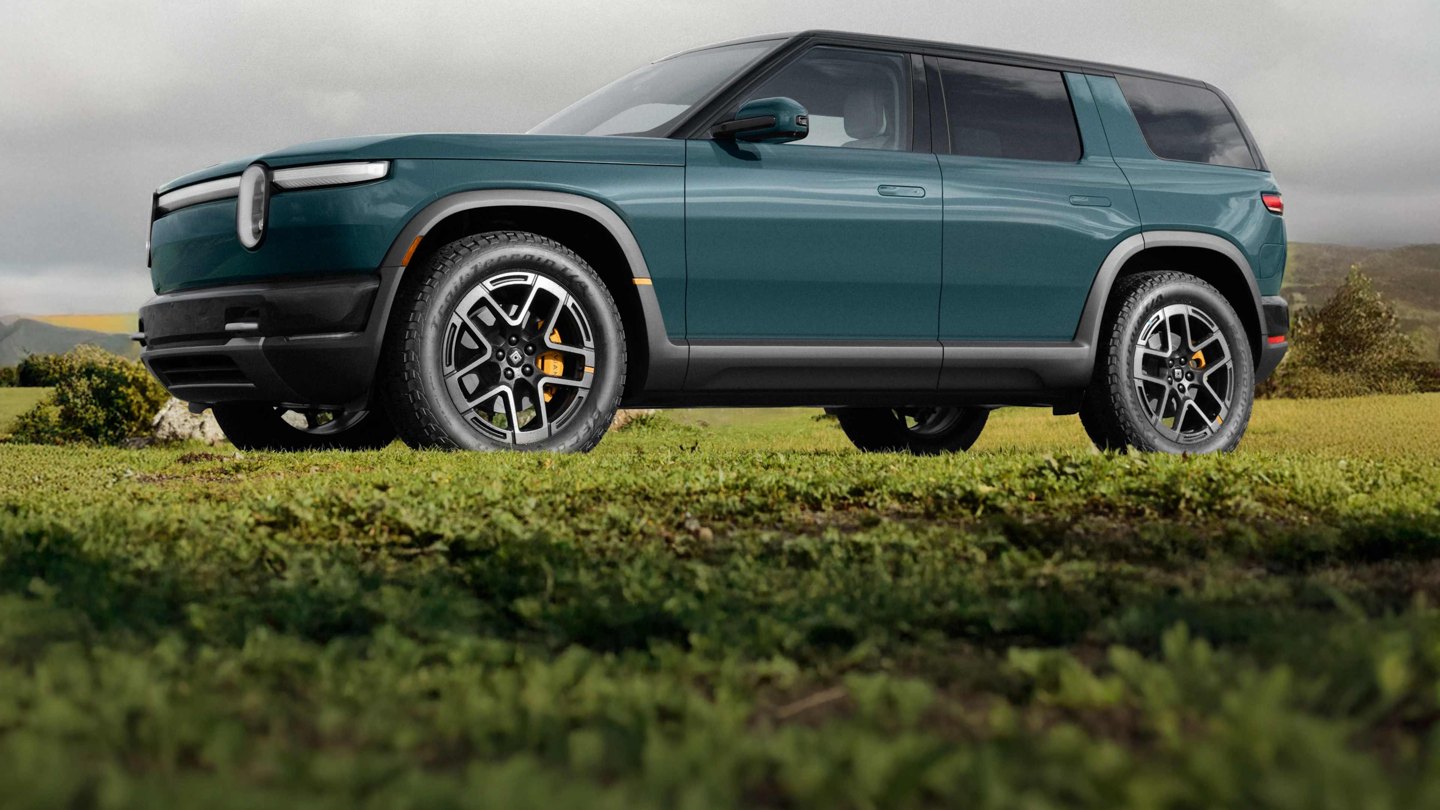
Rivian’s R2 keeps the upright silhouette and oval light signature that made the R1S recognizable at a glance, then cuts the body down by roughly fifteen inches in length while keeping five seats inside. It’s the same design language, tightened.
The shorter body changes how the car looks on the street, because its proportions sit closer to a wagon’s ease than a full-size SUV’s bulk. The R2 also keeps the R1 family’s two-row layout, so families cross-shopping the two cars are trading size and price rather than giving up seats or the basic shape they liked in the first place.
A familiar silhouette, cut smaller
At 185.9 inches long on a 115.6-inch wheelbase, the R2 carries its wheels near the corners and keeps its overhangs short, so the stance looks planted rather than stretched. Rivian lists the R1S at 200.8 inches long, and that gap shows most in profile, where the roofline resolves sooner. Nothing looks pinched. The team kept the tall glass, flat sides and clean rear, then let the smaller footprint do the visual work.
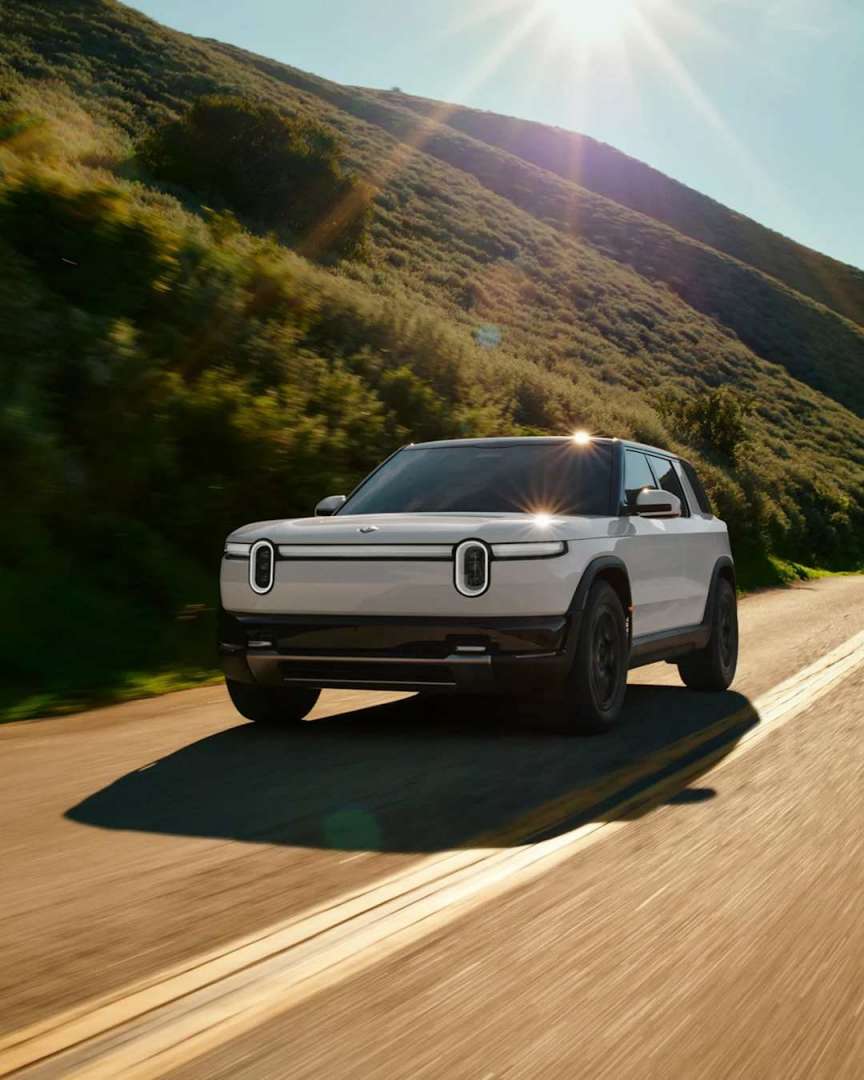
New colors carry part of that work, including Catalina Cove, which shifts from deep Pacific blue toward green in changing light, plus Esker Silver and Half Moon Grey. Every wheel option shares a 32-inch overall diameter. The blue-green car is the one people will remember when the first cars start showing up in public.
Birch, textiles and a window that drops away
Inside, Performance and Premium use two signature cabins built around upcycled birch wood and textile accents, one called Black Crater Signature and the other Coastal Cloud Signature. Standard keeps a plainer Black Crater cabin with dark tones, a light headliner and natural fiber accents, so the base car doesn’t read as stripped. The materials do the decorating. There’s no glossy panel competing with the wood grain, and the cabin stays calmer for it.
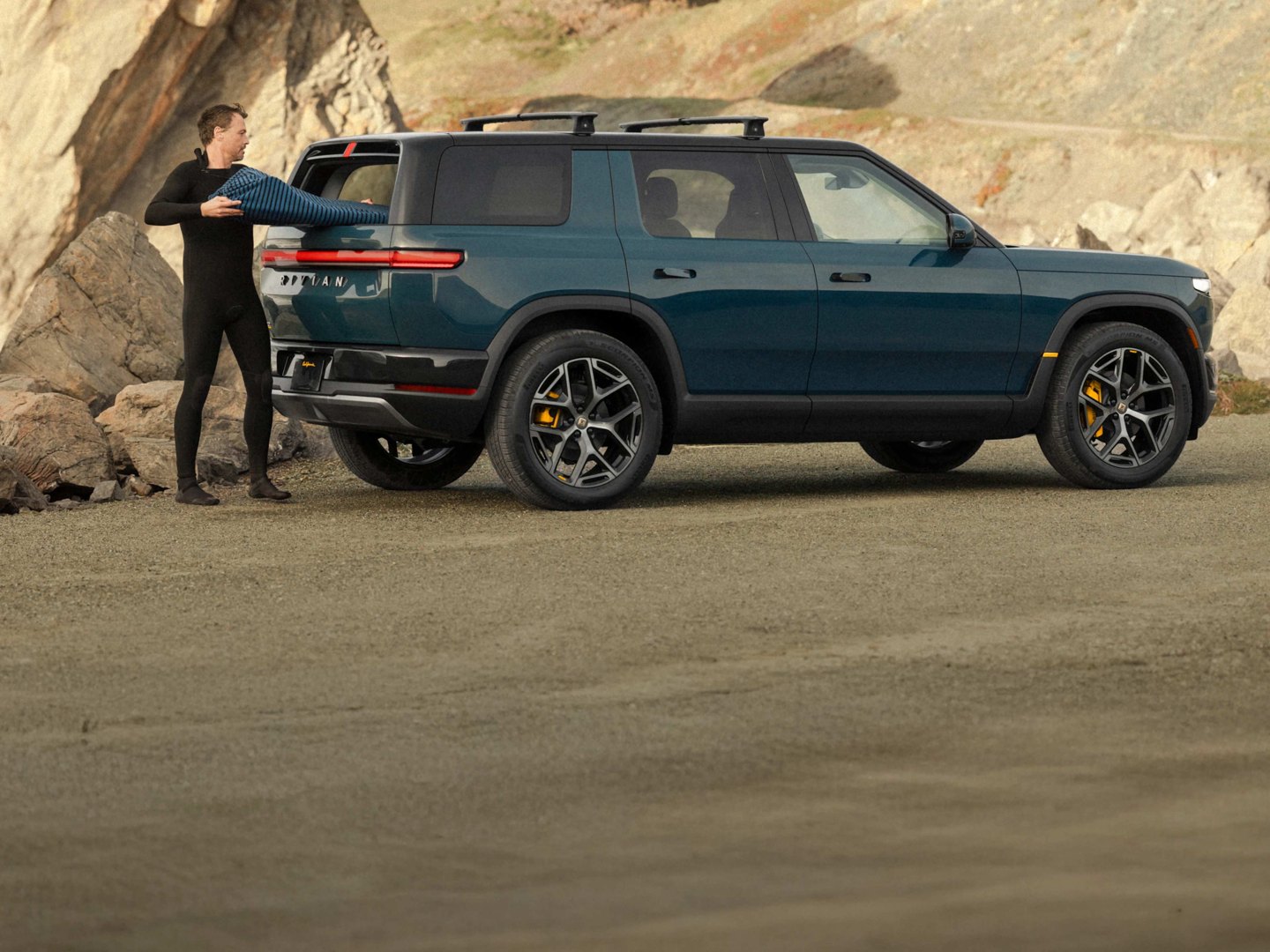
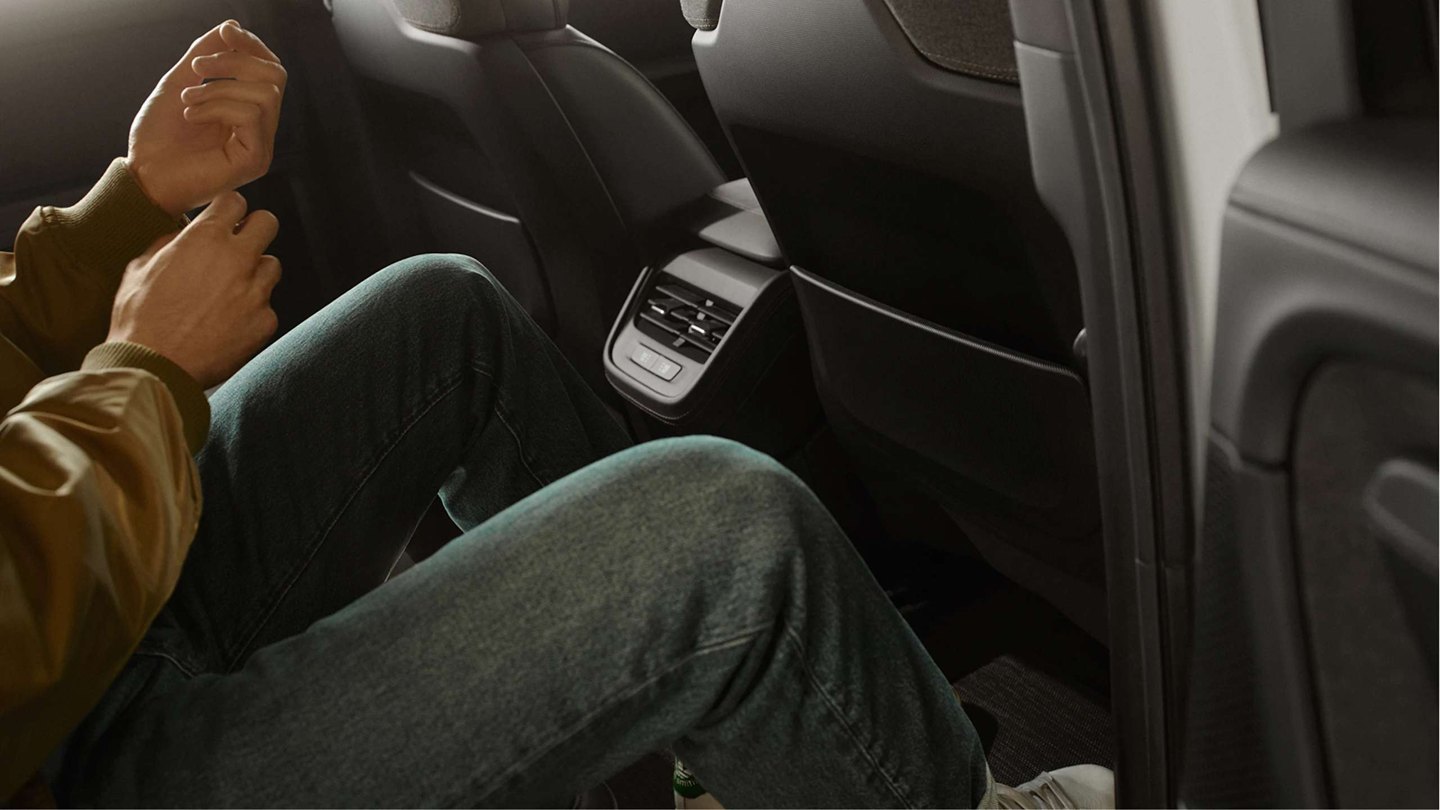
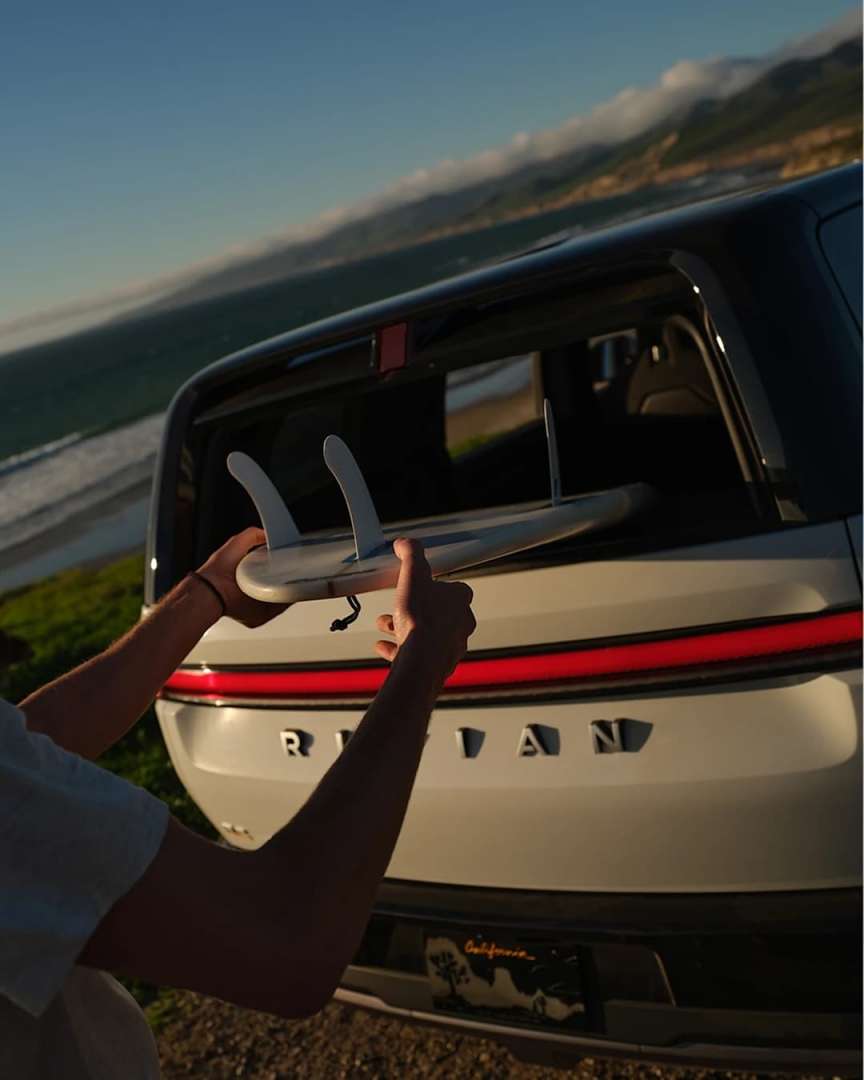
Space figures back up the calm, with 40.4 inches of rear legroom, 40.9 inches of headroom and a 40/20/40 folding rear seat that lets long gear pass through. Rivian counts 90.1 cubic feet of total storage, including a 5.2-cubic-foot front trunk, dual glove boxes and fold-flat seats that leave a level surface. On Performance and Premium, the rear glass drops fully into the liftgate at a button press.
Three trims, three different answers
Performance arrives first in spring 2026 with the Launch Package at $57,990, using dual-motor all-wheel drive to make 656 horsepower and 609 lb-ft of torque. It reaches 60 mph in 3.6 seconds, covers 50 to 70 mph in 1.55 seconds and carries an EPA-estimated range of up to 330 miles. That’s sports-car pace. The Launch Package adds lifetime Autonomy+ access, a tow package rated at 4,400 pounds and a limited Launch Green color.
Premium follows in late 2026 at $53,990, also dual-motor and all-wheel drive, with 450 horsepower, 537 lb-ft of torque, a 4.6-second run to 60 mph and the same basic hardware layout as the faster car above it. Its EPA-estimated range also reaches 330 miles. It keeps the heated and ventilated front seats, rear drop glass and premium audio found on Performance, so buyers aren’t paying the difference only for speed they may rarely use on public roads.
Standard Long Range lands in the first half of 2027 at $48,490 with a single rear motor, 350 horsepower and a slower 5.9-second run. It’s slower. It’s also the range leader, at up to 345 miles on Rivian’s estimate, and a further Standard variant follows in late 2027 at around $45,000 with more than 275 miles of estimated range.
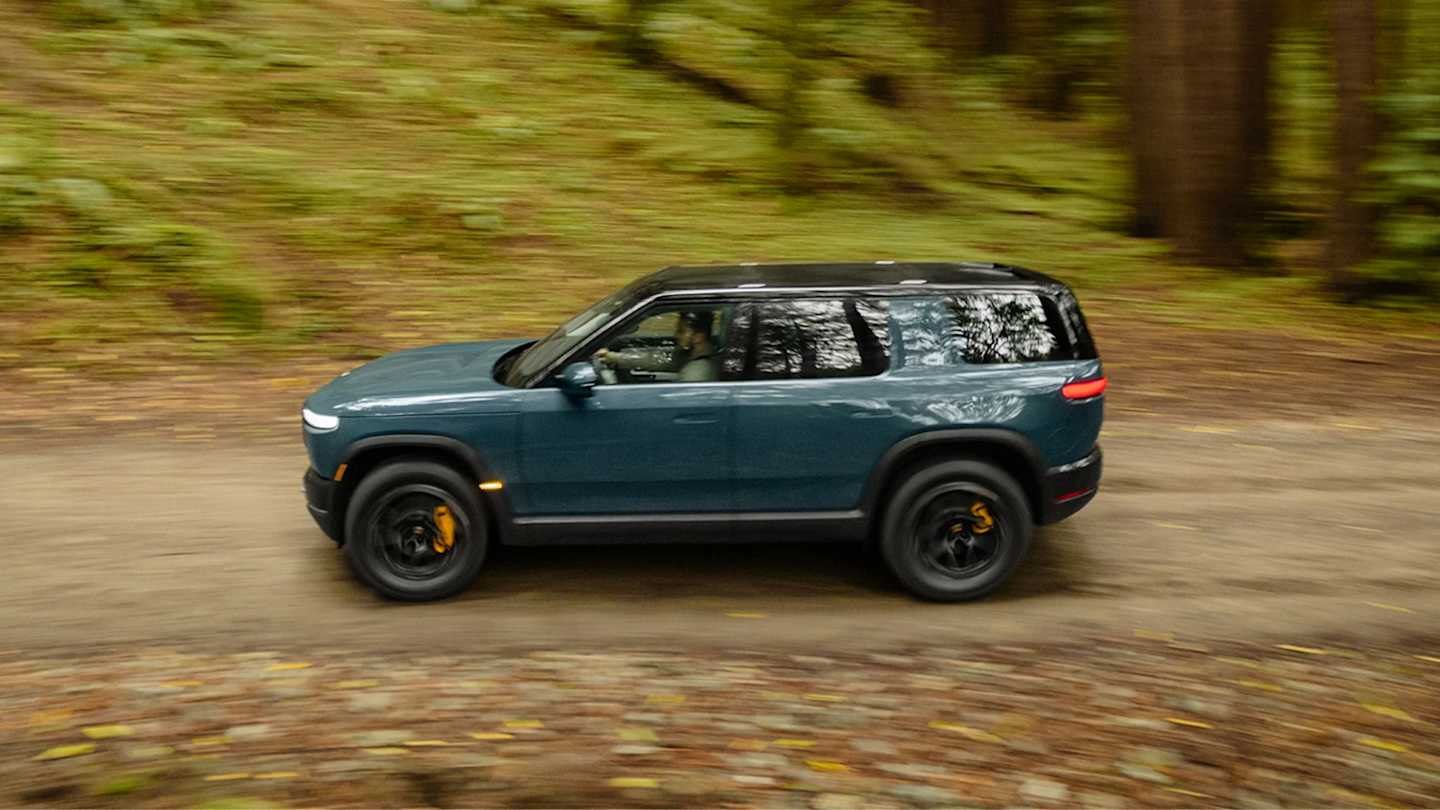
Underneath the trim walk, the R2 sits nearly 2,000 pounds lighter than the R1, and Rivian credits a structural battery pack for a low center of gravity. Performance alone gets semi-active suspension. Its drive modes run from All-Purpose and Snow through Rally, Soft Sand, Sport and Launch, covering winter roads and sand alike. Ground clearance measures 9.6 inches, with a 25-degree approach angle and a 26-degree departure angle, so the smaller car hasn’t given up the trail numbers.
Charging, clearance and the everyday numbers
Every R2 carries a native NACS charge port, giving it access to the Supercharger network alongside Rivian’s own Adventure Network, with CCS adapter support for other networks. Rivian puts a DC fast charge from 10% to 80% at 29 minutes, though it hasn’t published a peak charging rate with the lineup. Plan around the time, not a headline number. The 330 to 345 miles on offer should keep most owners away from public chargers on ordinary weeks.
Reservations are open at $100 and refundable, and every trim carries Autonomy+ hardware, with a 60-day trial included at delivery. Universal Hands-Free covers 3.5 million miles of roads in the United States and Canada, which gives the system a genuinely national footprint from the day the first cars reach their owners. The tradeoff is timing, stated plainly. The fastest R2 arrives first at the highest price, while the longest-range and cheapest versions ask buyers to wait into 2027.
Back to the shape you’ll live with
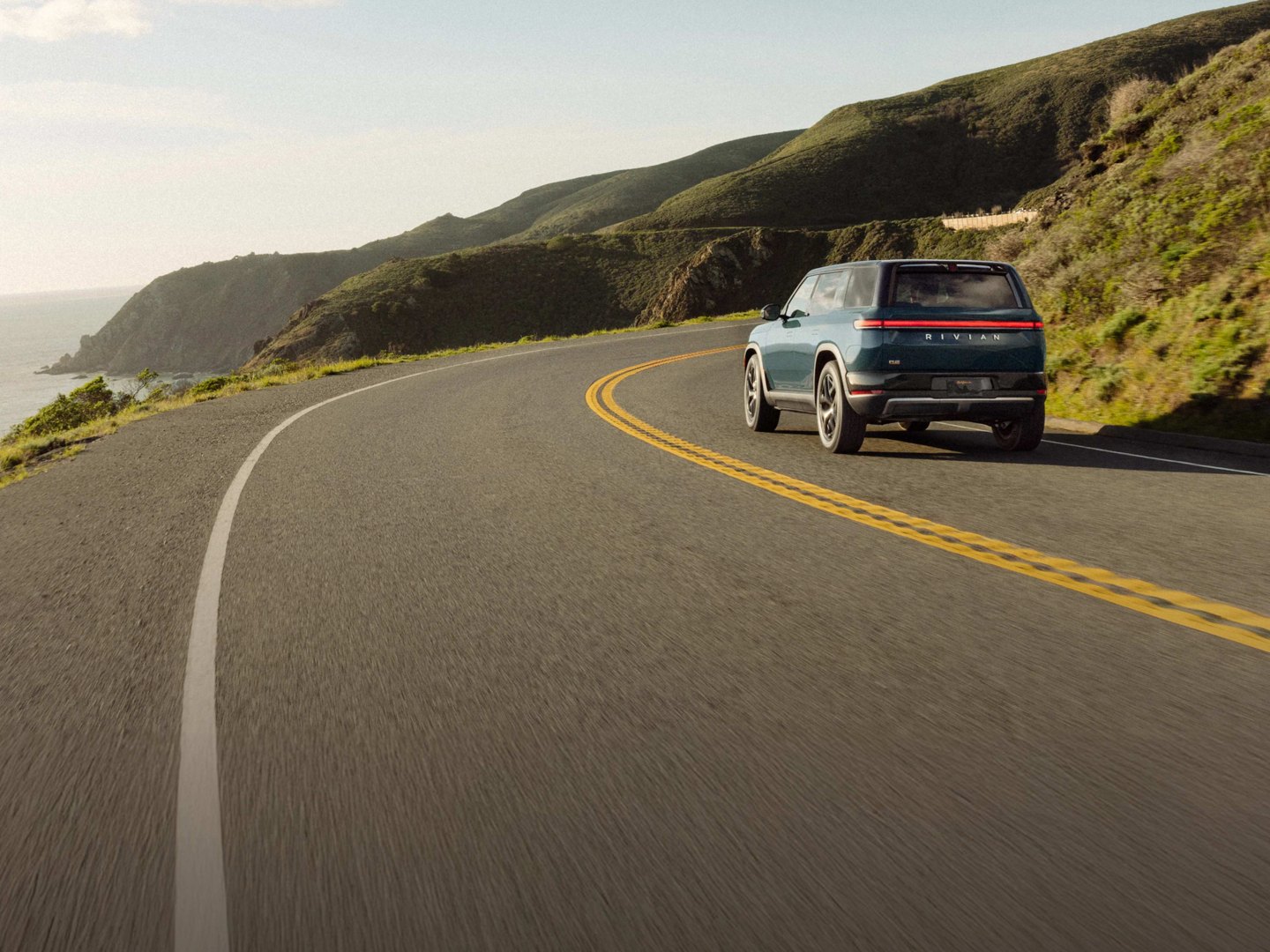
Seen from behind, the R2’s dropped rear glass, flat tail and short overhang give it a tidier finish than the bigger R1S, whose extra length looks like cargo space first. Rivian’s designers didn’t chase a coupe roof or a sloped hatch to make the smaller car feel sporty, and the restraint suits it. It looks like a Rivian, only handier. A broader audience still has to recognize the brand in a parking lot at fifty paces.
Buy the Performance with Launch Package at $57,990 for the 3.6-second car this spring, and buy the Premium at $53,990 if you can wait for late 2026. Buy the Standard Long Range at $48,490 if range comes first. For everyone else, the R2’s smaller shape and 345-mile ceiling make it the Rivian most people will choose.


