

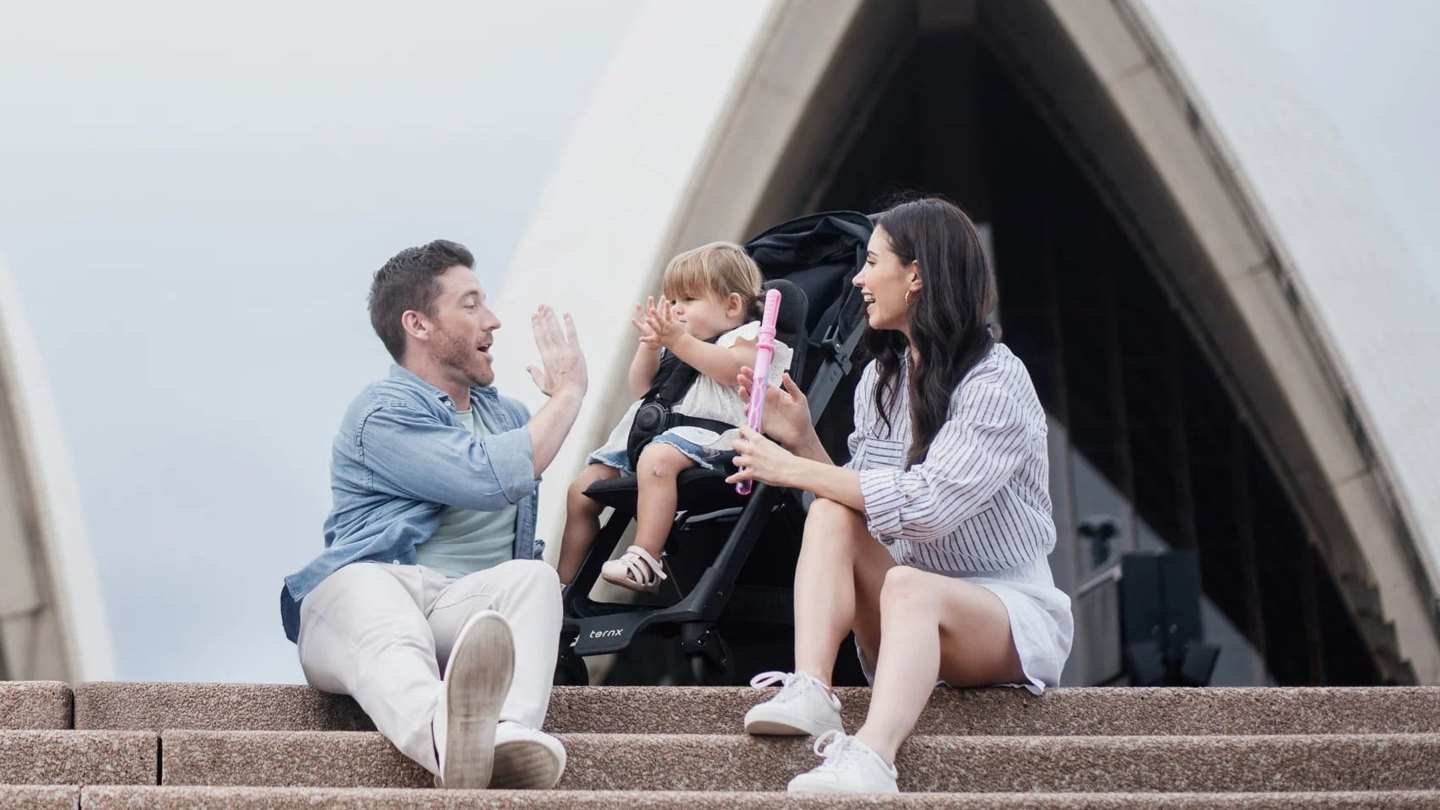
The TernX Carry-On packs a child’s clothes, diapers and snacks into an 18-liter hardshell and seats the child on that same case. Then it folds down into a cabin bag, packing still inside, ready for the overhead bin.
Nothing gets emptied at the gate.
Most travel strollers ask for a trade at the worst moment of the trip. You fold the stroller, hand it over at the jet bridge, and carry the child and every loose bag separately until the far end. TernX removes that handoff from the journey entirely.
The fold keeps everything packed
The sequence runs pack, roll, fold. Gear goes into the hardshell behind the seat, and the child rides through the terminal in that seat. The frame then collapses around the load it already carries, so no stage of the trip asks you to unpack anything you packed at home.
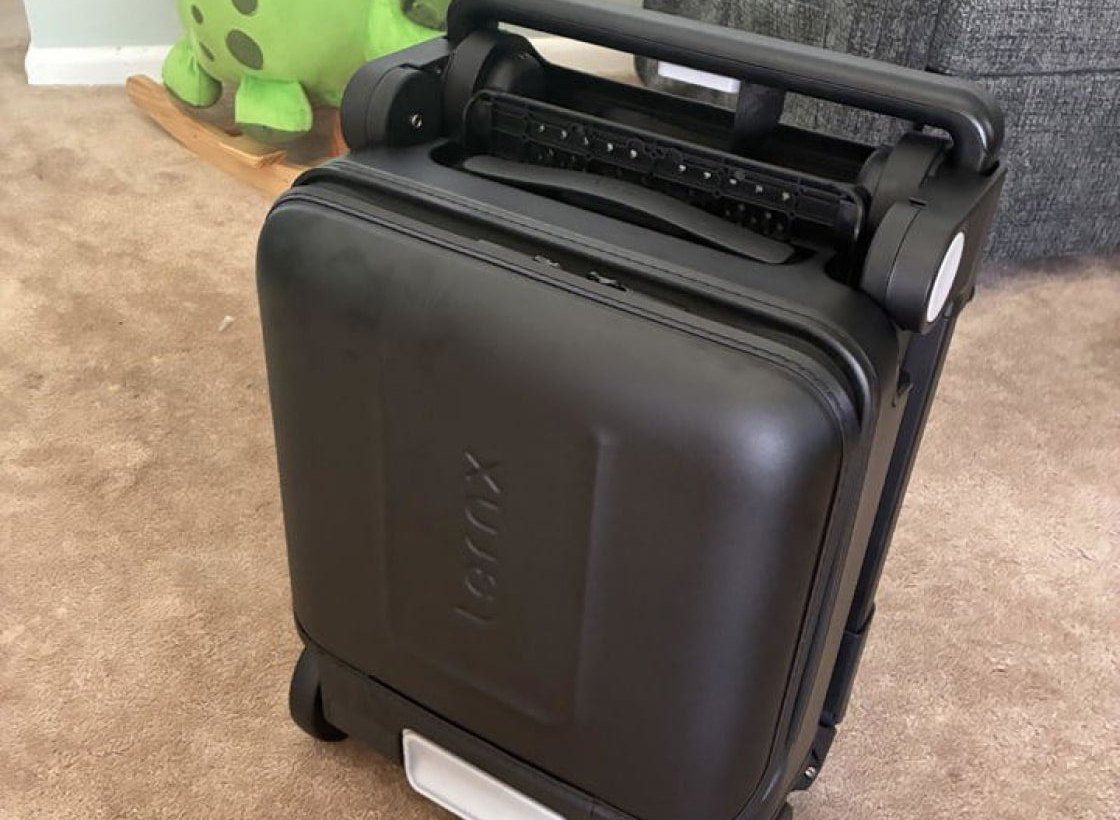
That order sounds minor on paper.
Picture it at a crowded gate instead. Bags come off hooks, baskets get emptied by hand onto the floor, and a sleeping toddler changes arms twice before boarding even starts, while the queue behind you keeps shuffling forward. Here the case simply stays shut, and the family walks down the jet bridge with one object on wheels instead of four things in their arms.
Built to the cabin sizer, not near it
Folded, the TernX measures 55 by 35.5 by 23 centimeters. TernX builds it to the IATA carry-on size, and that folded shape fits the published cabin sizer of more than 120 airlines, which is the whole reason the overhead bin becomes an option at all.
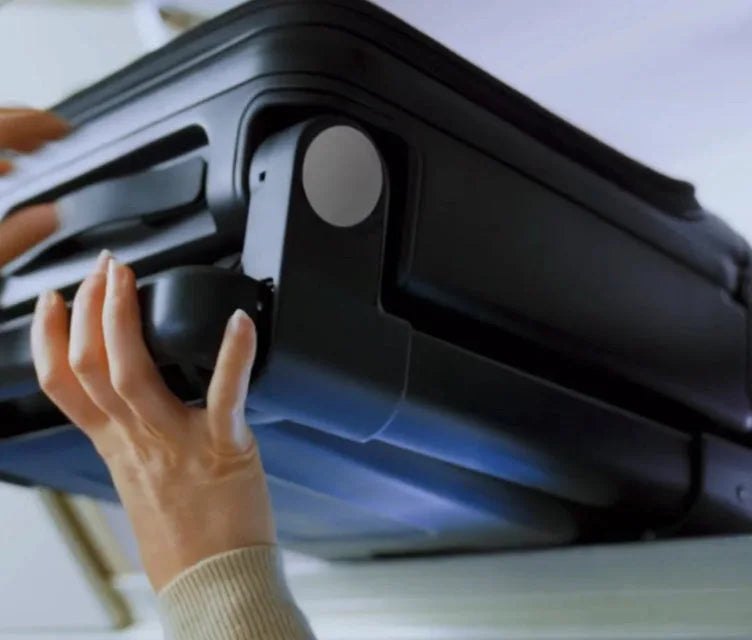
A typical sizer allows 56 by 36 by 23 centimeters. The case slides in with a centimeter to spare on two sides, and that margin is the design brief itself, not a rounding error the marketing team rounded up later.
Unfolded, it stands 97 by 36 by 88 centimeters.
Handlebar heights sit at 105, 114 and 123 centimeters, so a taller parent and a shorter one both push at a height that suits them. It weighs 7.8 kilograms, about 17.2 pounds, before any packing goes in.
It isn’t a light build. The frame carries a rigid suitcase inside its structure, and the kilograms sit exactly where that structure lives.
Two days of gear ride behind the seat
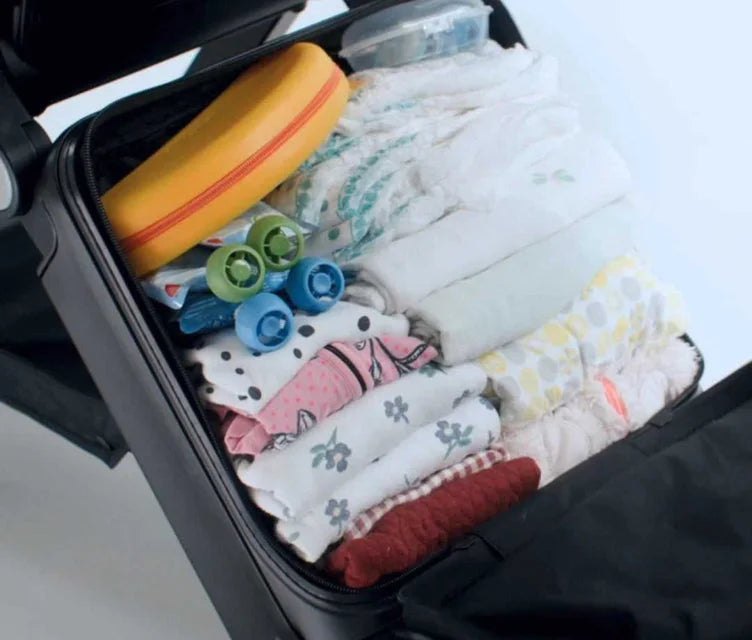
The hardshell behind the seat holds 18 liters, which TernX sizes at two days of baby gear for one child. Clothes, diapers, snacks and the just-in-case layers sit inside rigid walls instead of a soft basket slung low underneath the seat, where everything sags.
An under-seat basket takes a further 2 kilograms. Wipes, bottles and the toy that ends meltdowns stay reachable there, while the main load rides sealed behind the child for the whole journey.
Rigid walls change how packing behaves in transit. Nothing spills sideways, nothing gets crushed by the frame’s fold, and the sealed case protects its load when it slides into the overhead bin beside strangers’ bags. Soft baskets do none of that.
A proper seat with room to grow
The seat is certified for children from six months to 48.5 pounds, roughly four years of growth, and a quick-release five-point harness holds the child in place through terminals, jet bridges and city streets. The backrest reclines from 99 to 126 degrees, far enough back for a proper nap in transit.
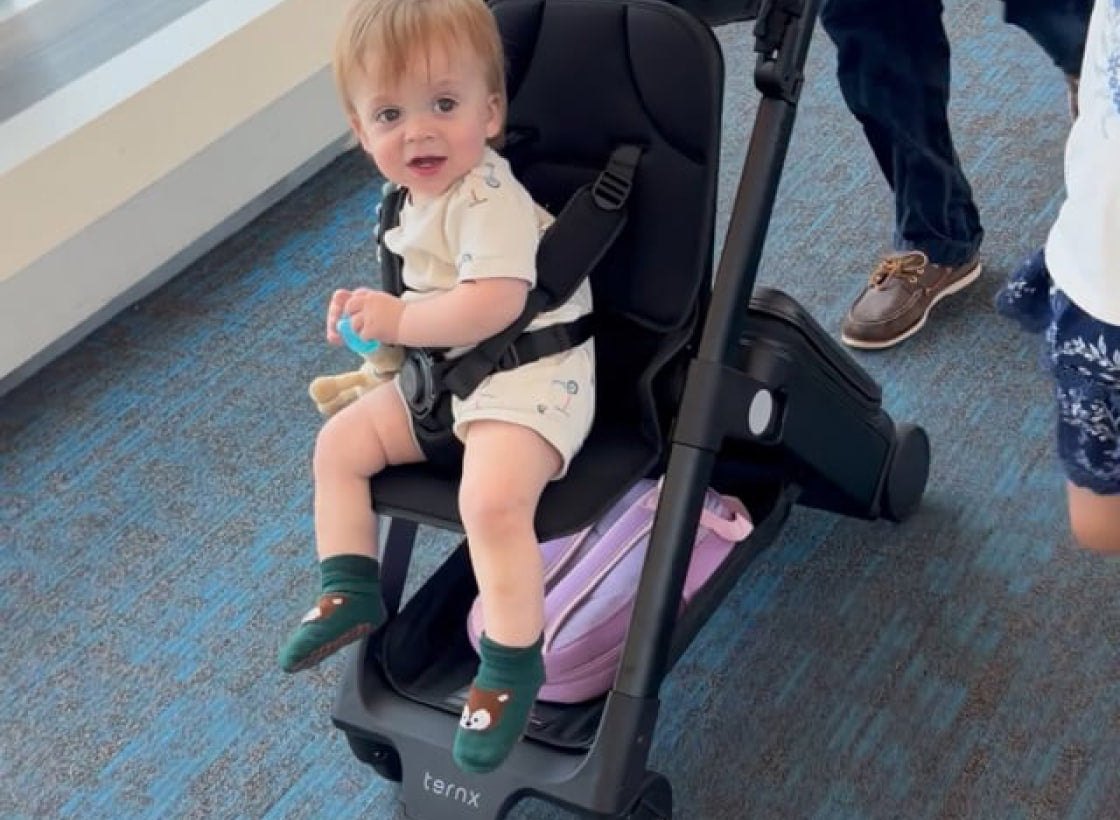
That backrest extends as the child grows, running from 38 to 50 centimeters.
A detachable canopy rated UPF 50+ covers the seat. Front-wheel suspension takes the sharp edges off terminal floors and old pavement, and the harness releases with one quick mechanism when a restless toddler decides the ride is over.
Growth room is the quiet spec in this design. A travel stroller a child outgrows within one season is a rental wearing a purchase price. The extending backrest is how this one makes its case for a longer life, in centimeters rather than slogans.
The trip continues past the arrivals hall
The shell is recycled German polycarbonate on an aerospace aluminum frame. Founders Tack and Hoe Ping started TernX after juggling a diaper bag, a restless toddler and ordinary luggage through one crowded terminal too many. The case and stroller became a single object because the product they went looking for didn’t exist on any shelf.
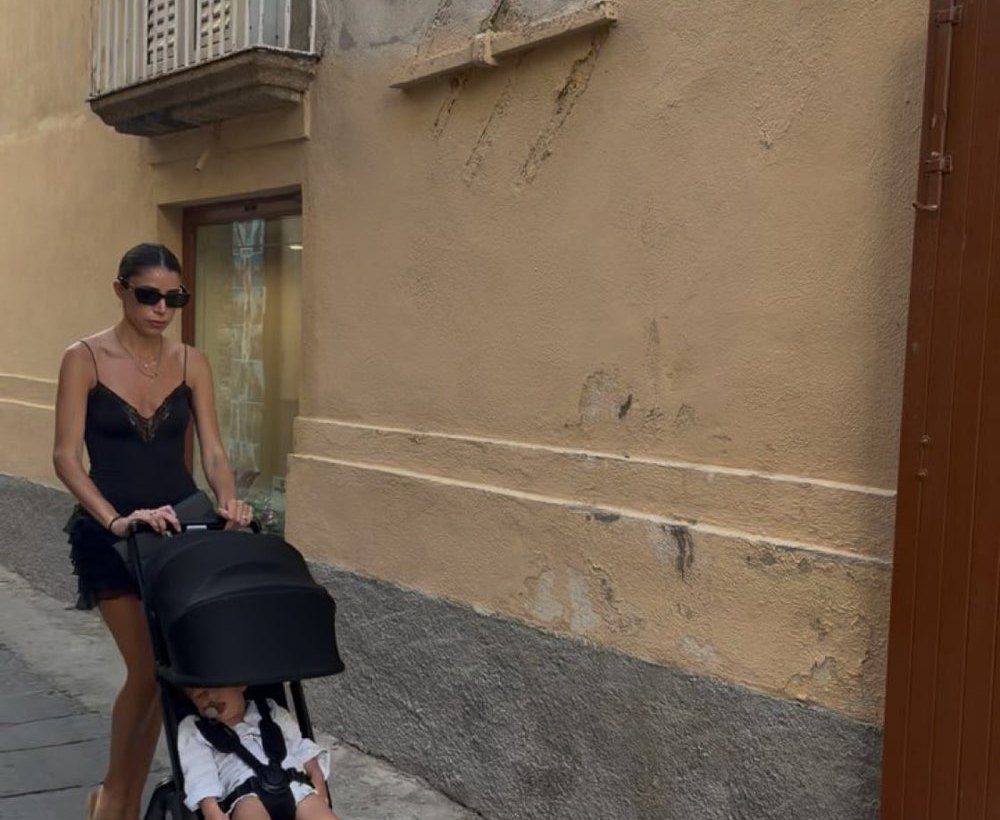
Off the plane, it keeps working.
Hotel runs, old-town streets and park paths all take the same wheels, and the case still carries the day’s gear behind the seat while the child rides up front. One object covers the airport, the transfer and the destination, which is the part of the design that keeps paying out after landing day.
Families who fly twice a year will feel the price more than the benefit, because a gate check twice a year is an annoyance rather than a pattern. Families who fly every month will feel the opposite on every trip.
Buy the TernX Carry-On if your family flies often with a child under four, because it turns three pieces of luggage into one at $529. Skip it if your trips are rare, since a plain travel stroller and a cabin bag cover the same ground for far less money.


