

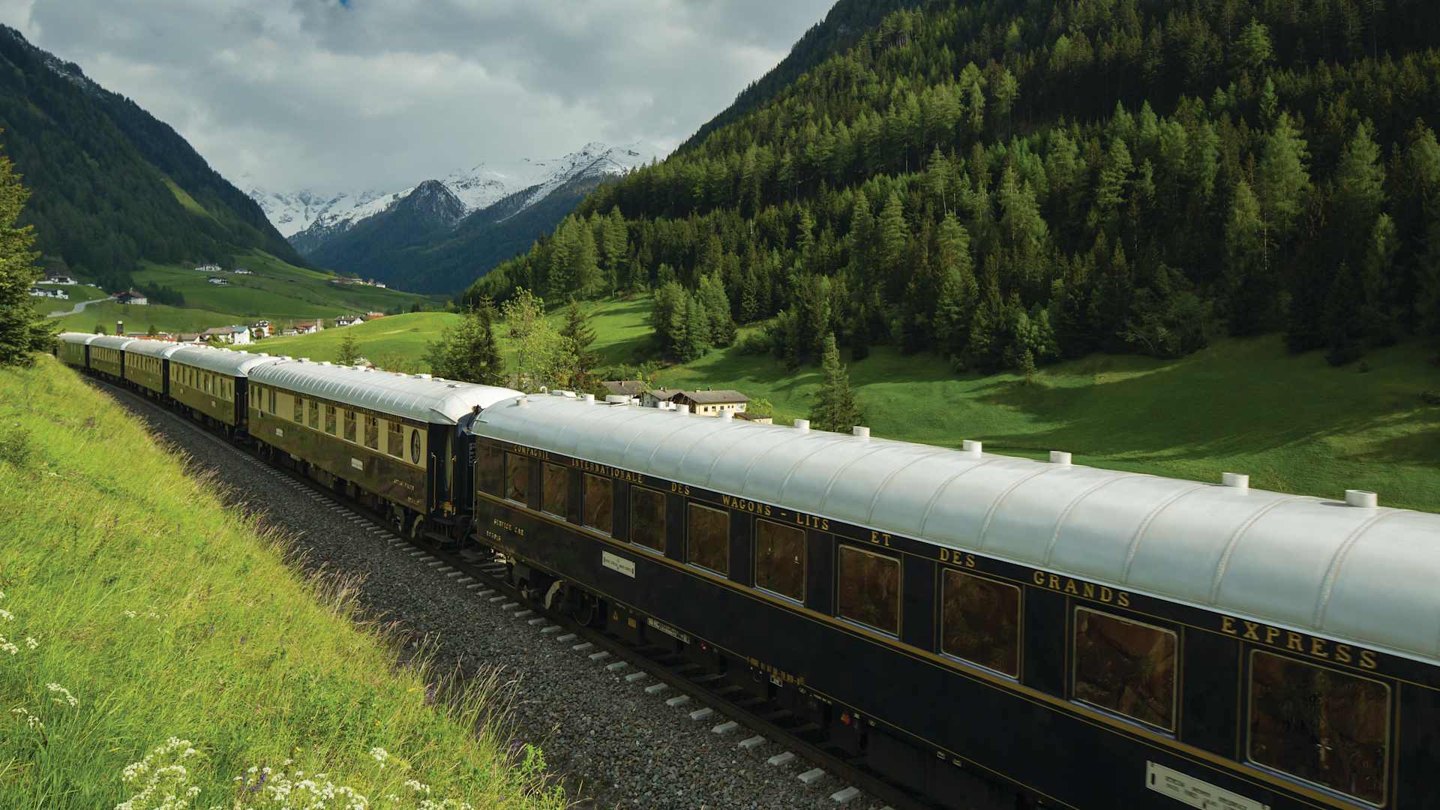
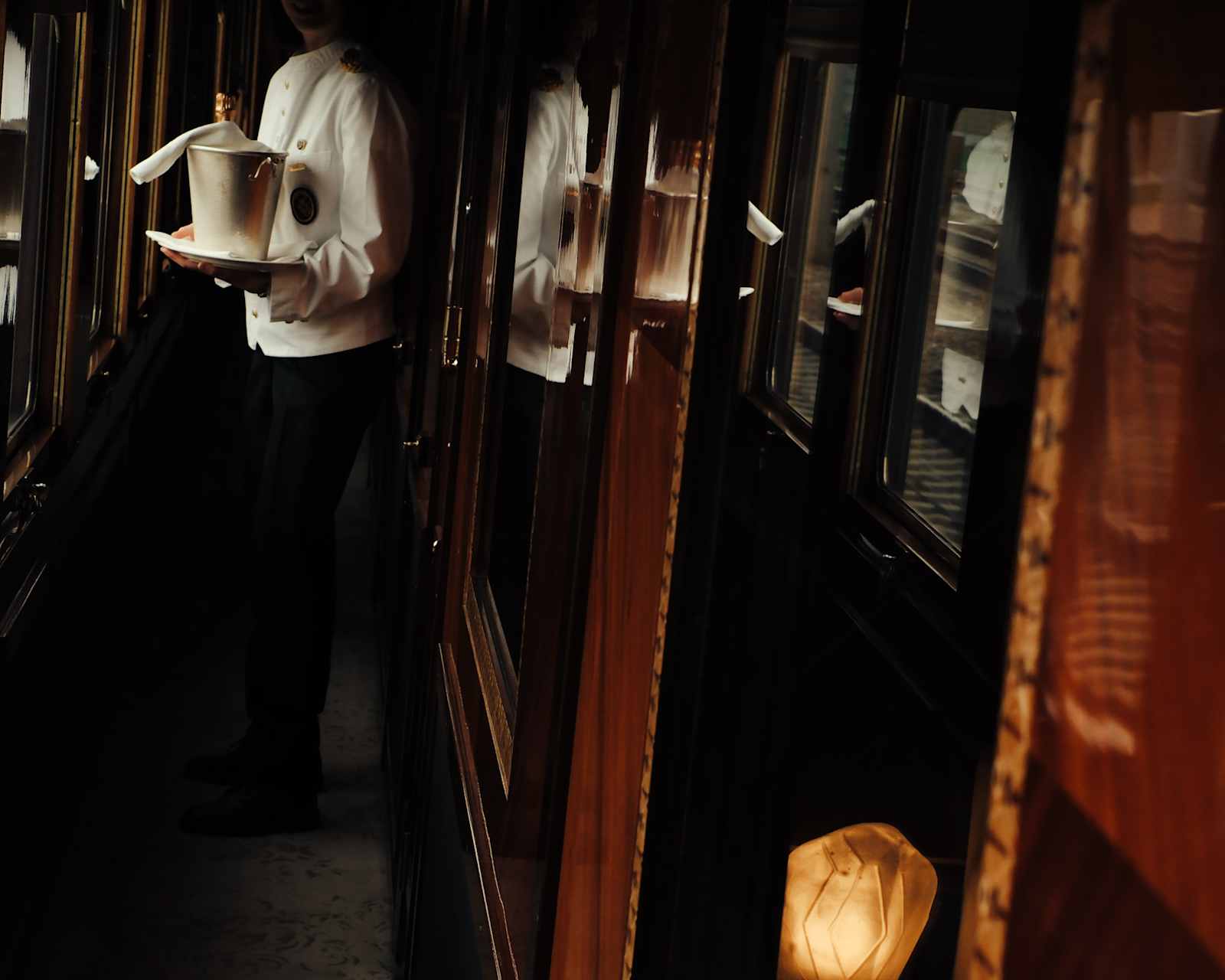
Late at night, the corridor runs narrow, polished, and quiet, with brass fittings catching the light as the train knocks softly over the joints in the rail. Your steward worked while you were at dinner, and the seat you left is now a bed.
I’d say the whole booking decision hides in that late hour, in slippers, because where you wash and change is exactly what the fare bought. We sell ourselves the romance first and read the floor plan later, and the floor plan tells the truth faster.
The train runs routes to over 15 European cities, and the signature journey is still Paris to Venice in a single night. You’ll board in the evening, dine while the countryside rolls past the window, and sleep in a restored 1920s carriage while the Alps do the overnight work. It’s a timetable built around dinner, not around speed. Nobody’s racing anywhere.
The Historic Cabin keeps the original bargain
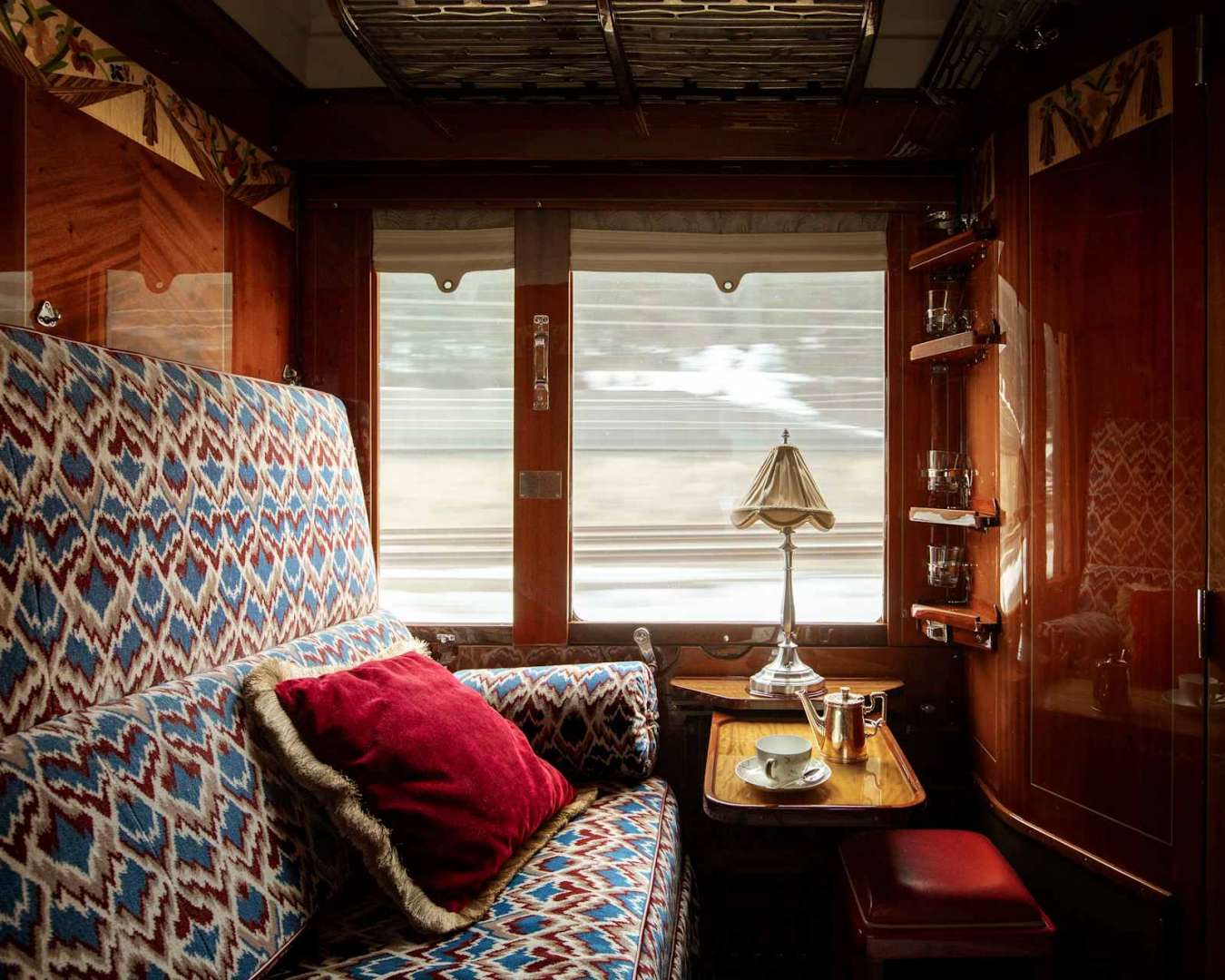
The Historic Cabin is the train as the 1920s left it, a private twin cabin at 3.3 square meters on Belmond’s own cabin selector. By day it’s banquette seating facing the window, and by night that same small footprint converts into upper and lower berths while you’re down the corridor at dinner.
Your bathroom here is a washbasin cabinet with hot and cold water, and the restrooms sit shared at the end of the sleeper carriage, eight Historic Cabins to a carriage. There’s no shower behind your door, and that’s the one drawback, stated plainly. The berths come with crisp damask sheets and fine blankets, and the climb up top is part of the ritual. You aren’t buying a small hotel room. You’re buying the original sleeper layout, shared plumbing and all.
The Suite buys you a door that closes on a shower
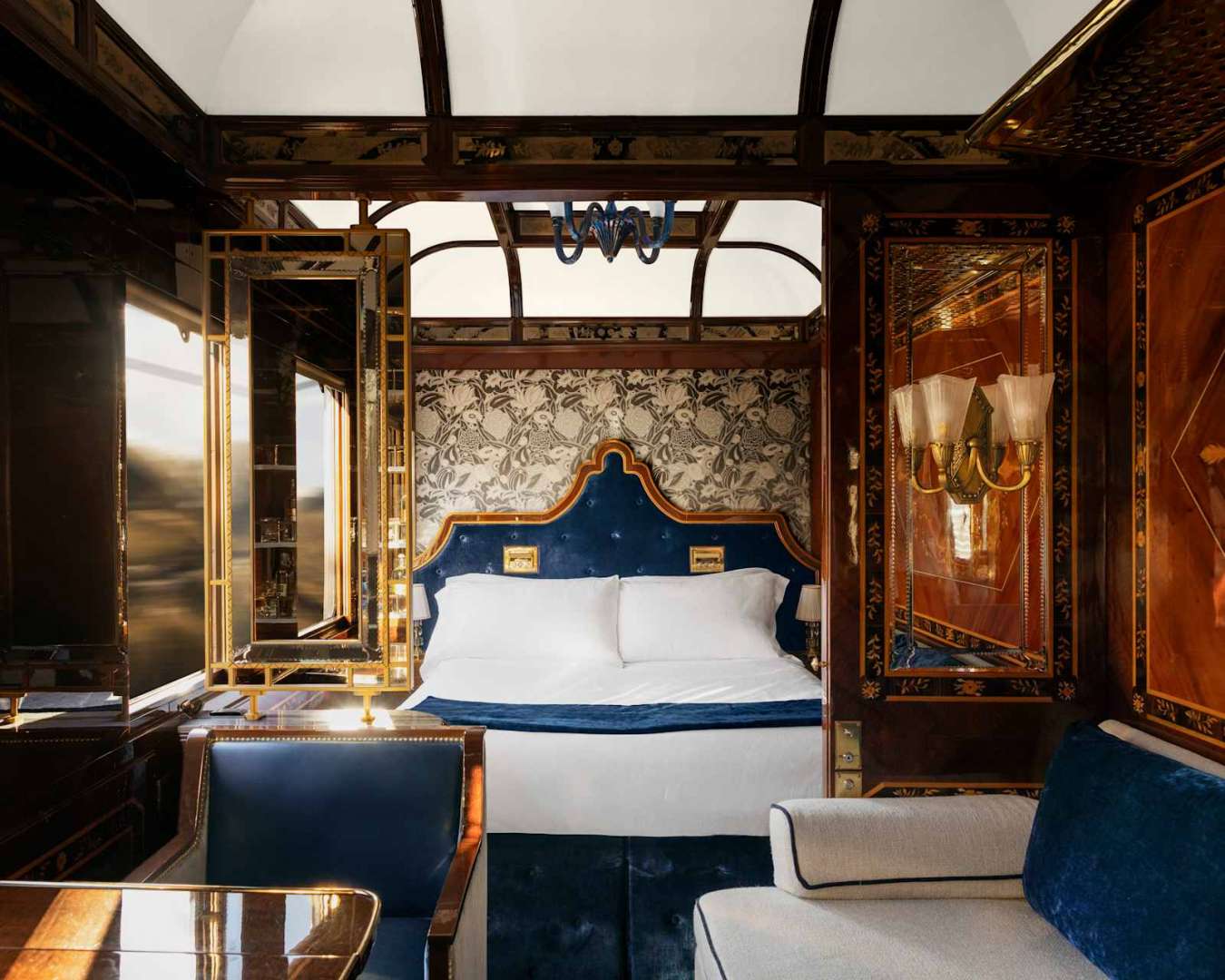
The Suite doubles the footprint to 6.6 square meters and changes the one thing the Historic Cabin can’t give you, a private marble en-suite bathroom with a shower and a mosaic floor. The bed runs double or twin, and the room lounges by day. Your steward converts the seating into the bed as evening falls, four Suites to a carriage.
Belmond’s Venice to Paris departure on 28 October 2027 starts at €10,500 per adult in a Suite Double, against €4,510 per adult in a Historic Cabin. That’s €5,990 more per person, and nearly all of it buys privacy at the sink, a shower of your own, and a bed nobody has to climb into. If you’ve negotiated a corridor bathroom in evening dress at 1 a.m., you already know the price of that door. It closes. That’s the upgrade.
The Grand Suite turns the cabin into a residence
The six Grand Suites sit at the top at 10.67 to 11.13 square meters, roughly three times the Historic Cabin, with a separate lounge and a separate sleeping area. The bathroom is marbled en-suite again, dressed with curated vanity sets and bathrobes, and the service rises to a personal butler, continuous Champagne through the journey, caviar, and private transfers at each end.
Belmond starts that same Venice to Paris departure at €14,780 per adult in a Grand Suite, which is €4,280 past the Suite fare. Space is the luxury here. The extra money buys space and service once the bathroom question is already settled, and I’d spend it only if the cabin itself is the destination.
Above this rung sits L’Observatoire, an entire carriage imagined by French artist JR and run as a private residence on the rails, and it doesn’t rank on the ladder because you take the whole carriage or leave it. That makes four ways aboard in total, three cabins you can rank by the square meter and one carriage you simply take whole.
Dinner, then the piano in Bar Car 3674
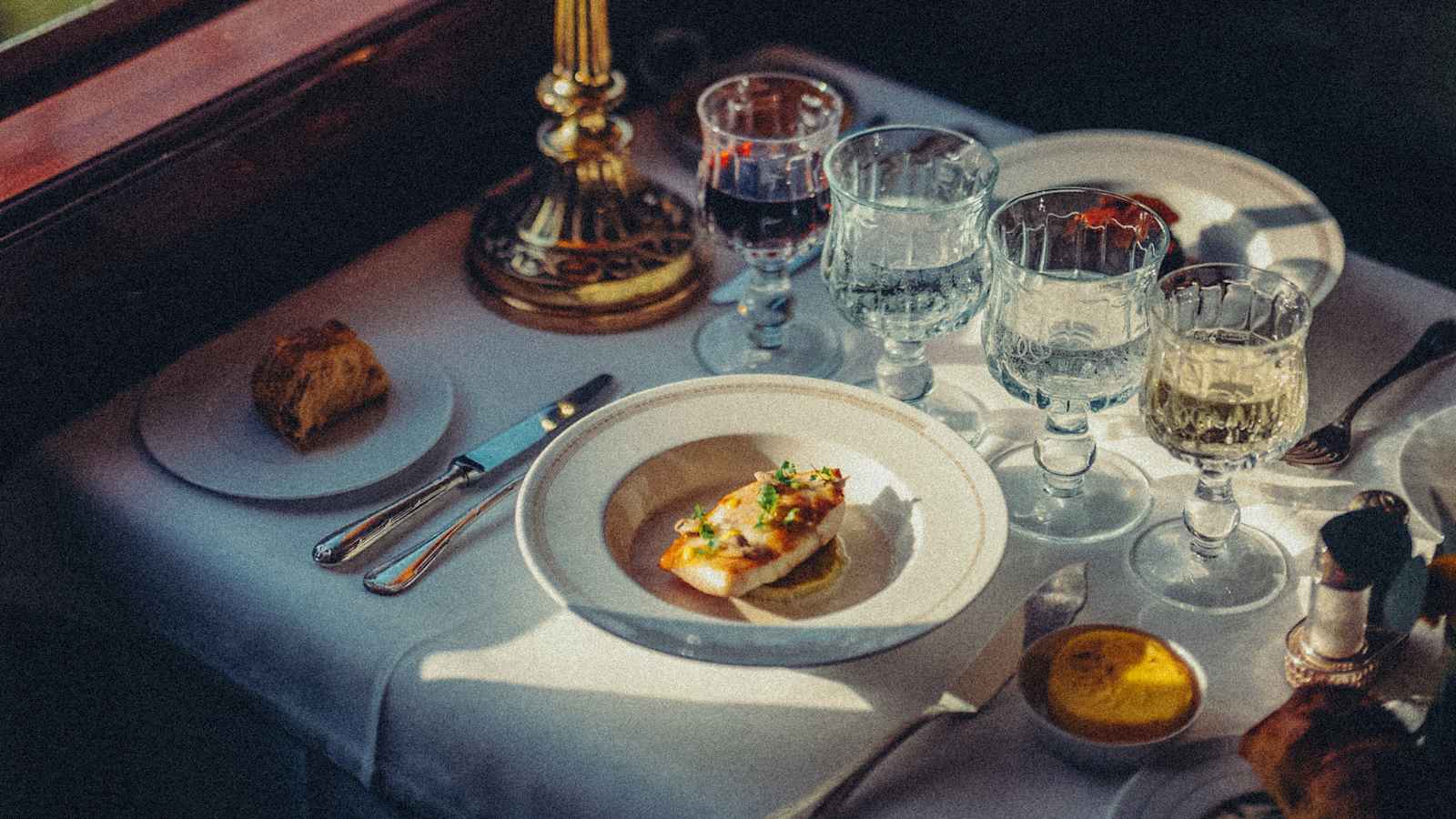
Every cabin class eats the same way, in the dining cars, where the kitchen cooks from fresh, seasonal ingredients gathered along the route. Dinner runs four courses with the sommelier’s wines in the classic inclusions, and the sample menu moves from foie gras to lobster, with caviar there for anyone who wants the evening pushed further. Nobody’s fare buys a better table here, and I find that leveling quietly perfect.
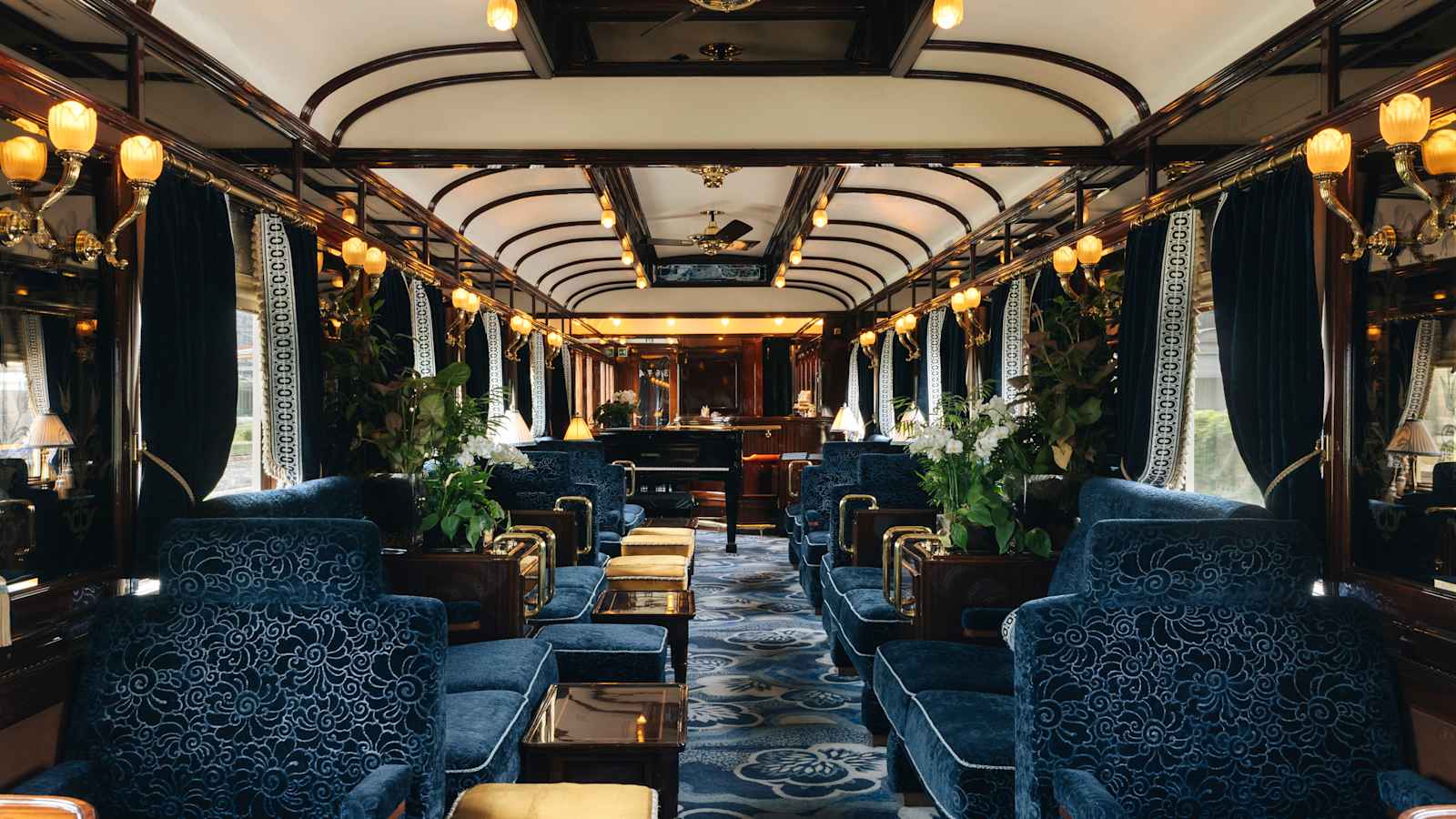
After dinner, the train gathers in Bar Car ‘3674’, and you follow the sound of the grand piano down the corridor to find the resident pianist already playing. Classically trained barmen shake fresh cocktails, live music runs long into the night, and the fully inclusive dining has already set the mood for the room. The piano doesn’t check your cabin class. It just plays, and the corridor does the mixing for you.
Who each cabin is actually for
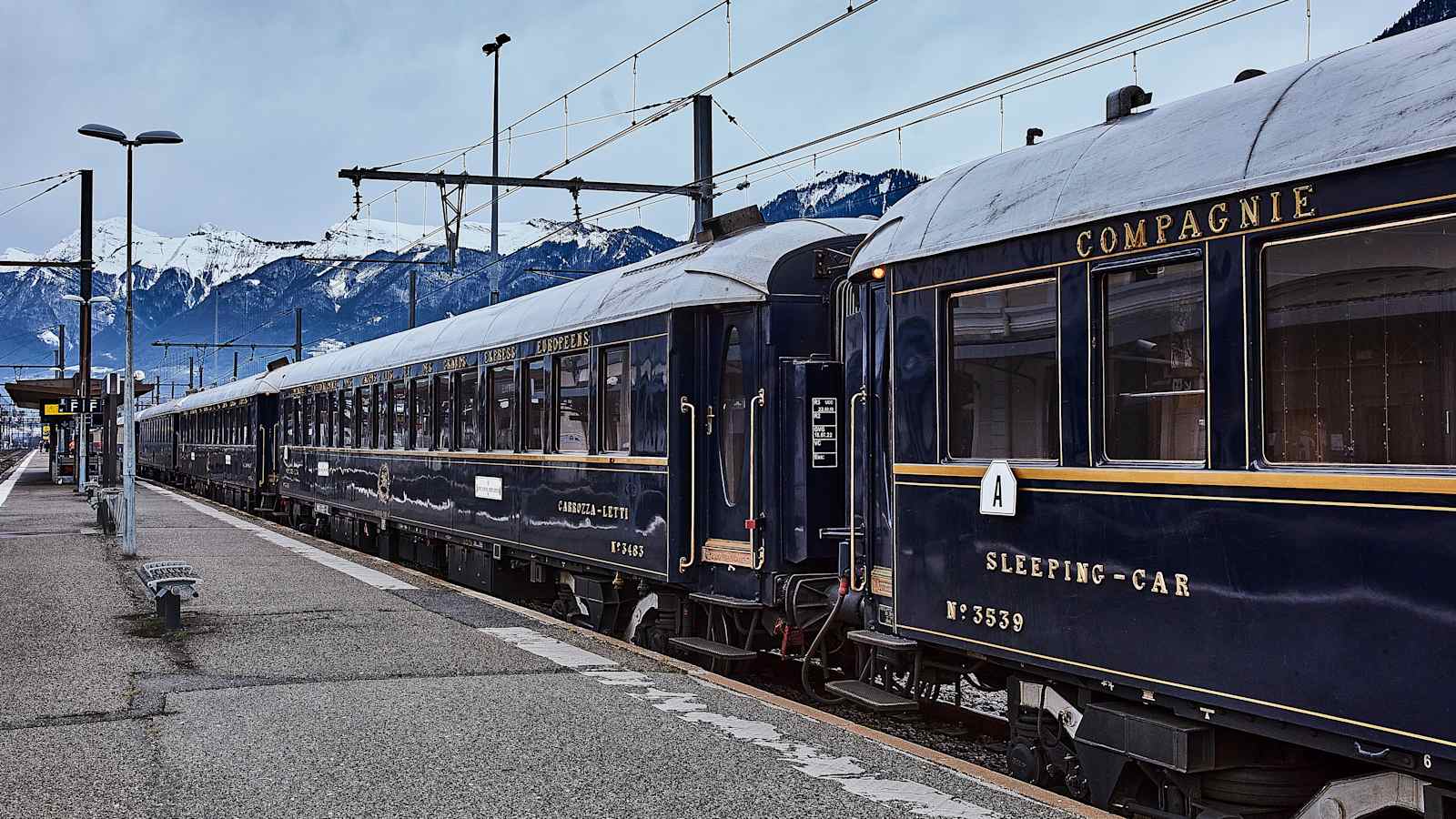
Book the Historic Cabin if you want the train in its original form and you’ll trade a private bathroom for berths, a washbasin, and the lowest starting fare on the departure. Book the Suite if you’re traveling as a couple and you want the romance with a shower and a toilet behind your own door, because that’s the rung where the night gets physically easy.
Book the Grand Suite if you’ll actually use the lounge, the butler, and private dining across the journey. Skip the whole ladder if a shared corridor restroom at midnight would sit in your head all evening, because marquetry can’t fix a bathroom preference. We know ourselves at that hour, in slippers, in a moving corridor. Book for that version of you. The train handles the romance either way, best when the bathroom math was settled before you stepped aboard.


