

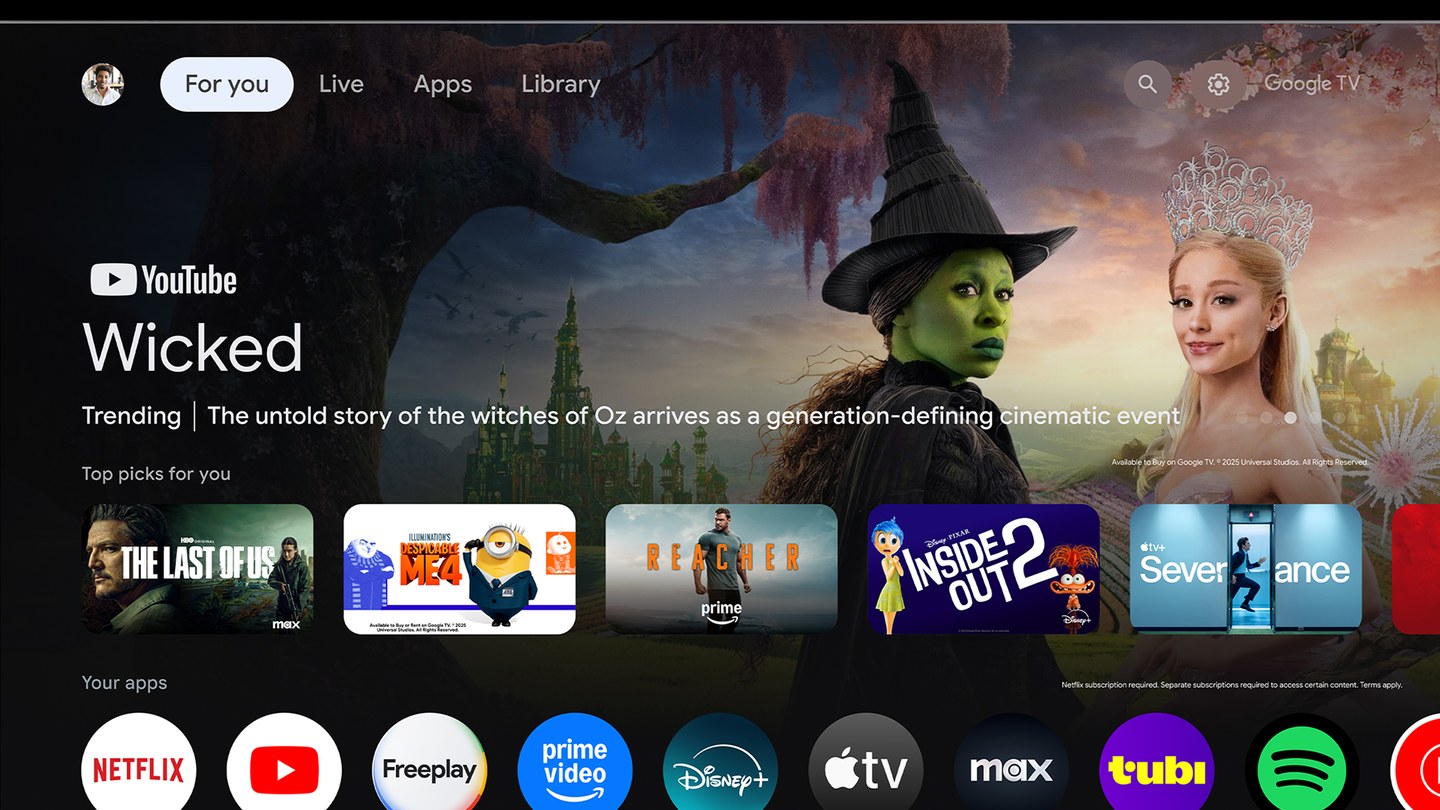
Flagship TV pricing usually falls in polite little steps, a hundred here and two hundred there across a season. This one fell down the stairs.
The 65 inch QM8L, TCL’s SQD-Mini LED set running Google TV, is $997.99 on Amazon against a $2,499.99 list price. That is $1,502 off, a 60 percent cut, and it lands on the maker’s current premium line rather than a leftover model quietly clearing out of a warehouse. TCL’s own store sits at $999.99 for the same set, so Amazon is the slightly better route of the two.
SQD-Mini LED is the headline, and it shows
Mini LED backlighting gives a TV fine control over the bright and dark areas of the same frame at the same time. Fireworks over a night sky stay crisp instead of blooming, headlights in a dark street scene hold their edge, and the small highlights that ordinary LCD sets smear or crush stay where the director put them.
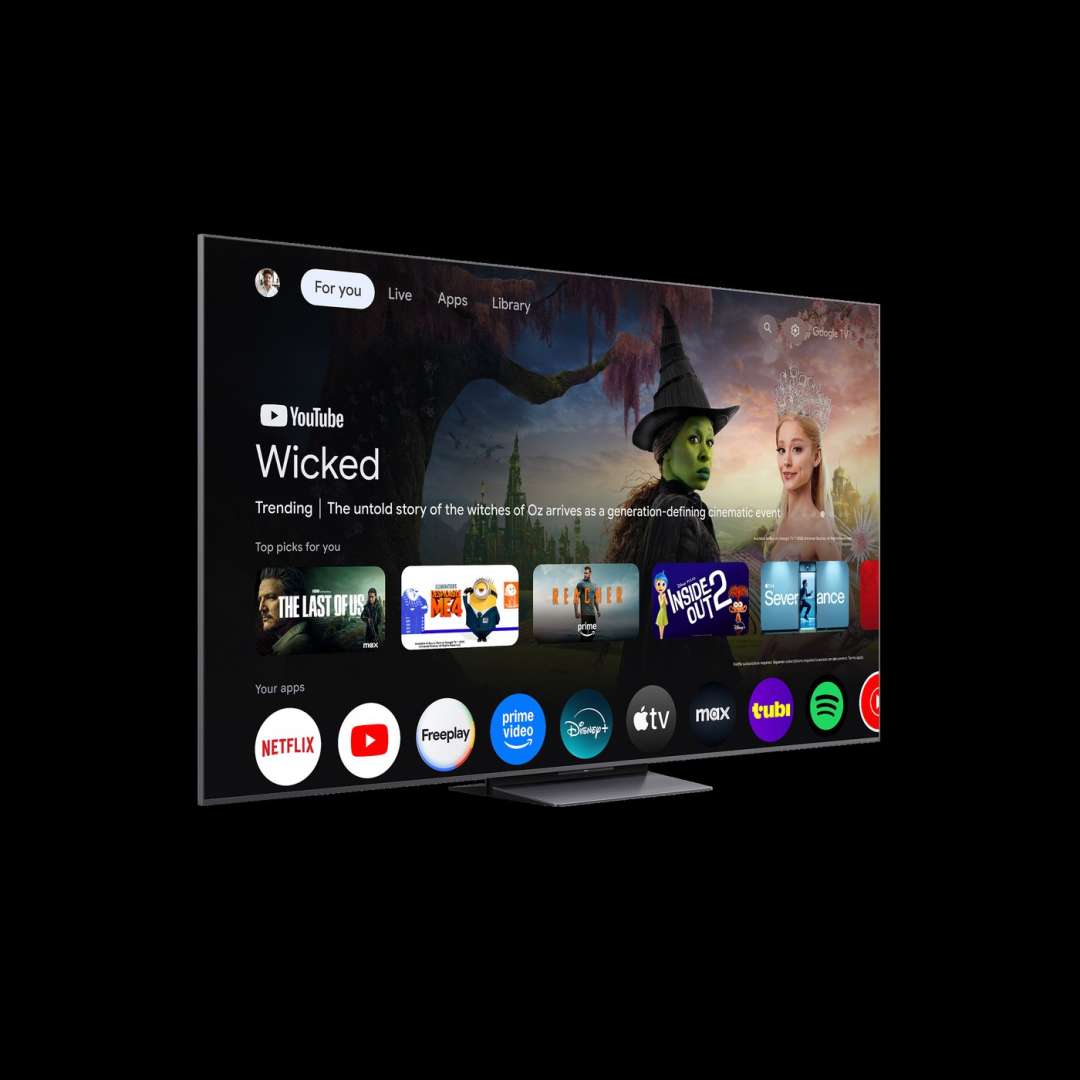
The panel is TCL’s WHVA 2.0 Ultra, built for wide viewing angles, so the seats at the ends of the couch keep their color and contrast instead of washing out. In a real living room with a real sofa, that can count for more than a laboratory brightness figure.
Dolby Vision IQ rides along too, adjusting the picture to the light in your room as it changes.
Bright afternoon game, dim evening movie, one set handling both without you digging through picture menus at halftime. That is how a TV should behave in 2026.
144 Hz for games, B&O for everything else
The native panel refresh is 144 Hz, which suits current consoles and PC gaming at high frame rates, with motion that stays clean when the camera pans fast. Sports benefit even if a console never gets plugged in, because the same clarity applies to a puck, a ball or a racing line.
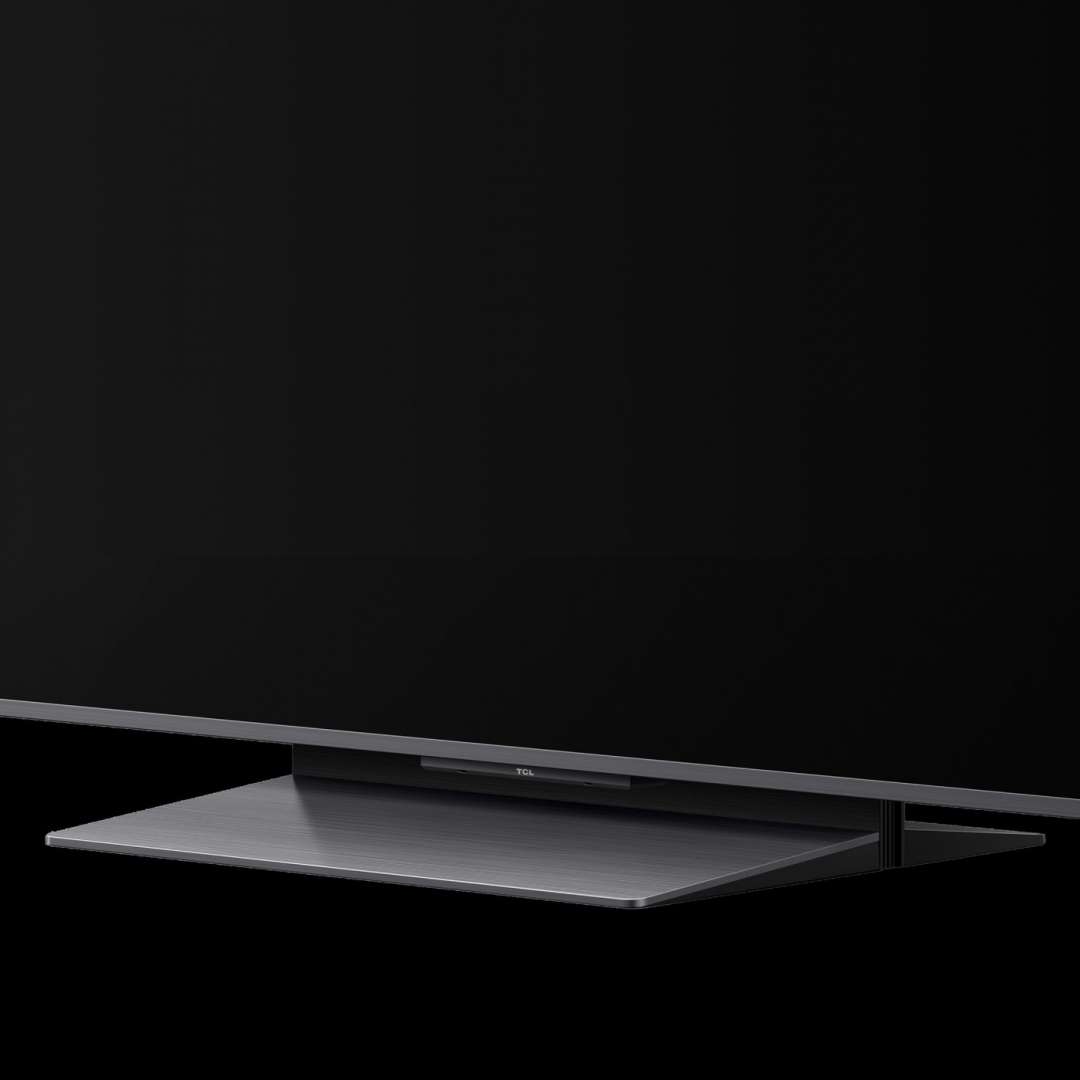
Sound comes tuned by Bang & Olufsen, with Dolby Atmos support built in. Built-in TV speakers rarely get this level of attention from any brand, and for a lot of rooms a setup like this delays the soundbar purchase or deletes it from the list entirely, which quietly makes the real price of the TV lower still.
Google TV with Gemini runs the interface, and TCL’s TSR AI Processor handles upscaling, clarity and motion work in real time.
Older shows get a cleaner pass. The home screen stays quick. Both count every single day you own the set.
Setup, size and the room it lands in
At 65 inches, this is the size most living rooms actually want, big enough to feel cinematic from a normal sofa distance and small enough to fit the wall space most of us really have. The slim frame and low stand keep the focus on the picture once it is up.
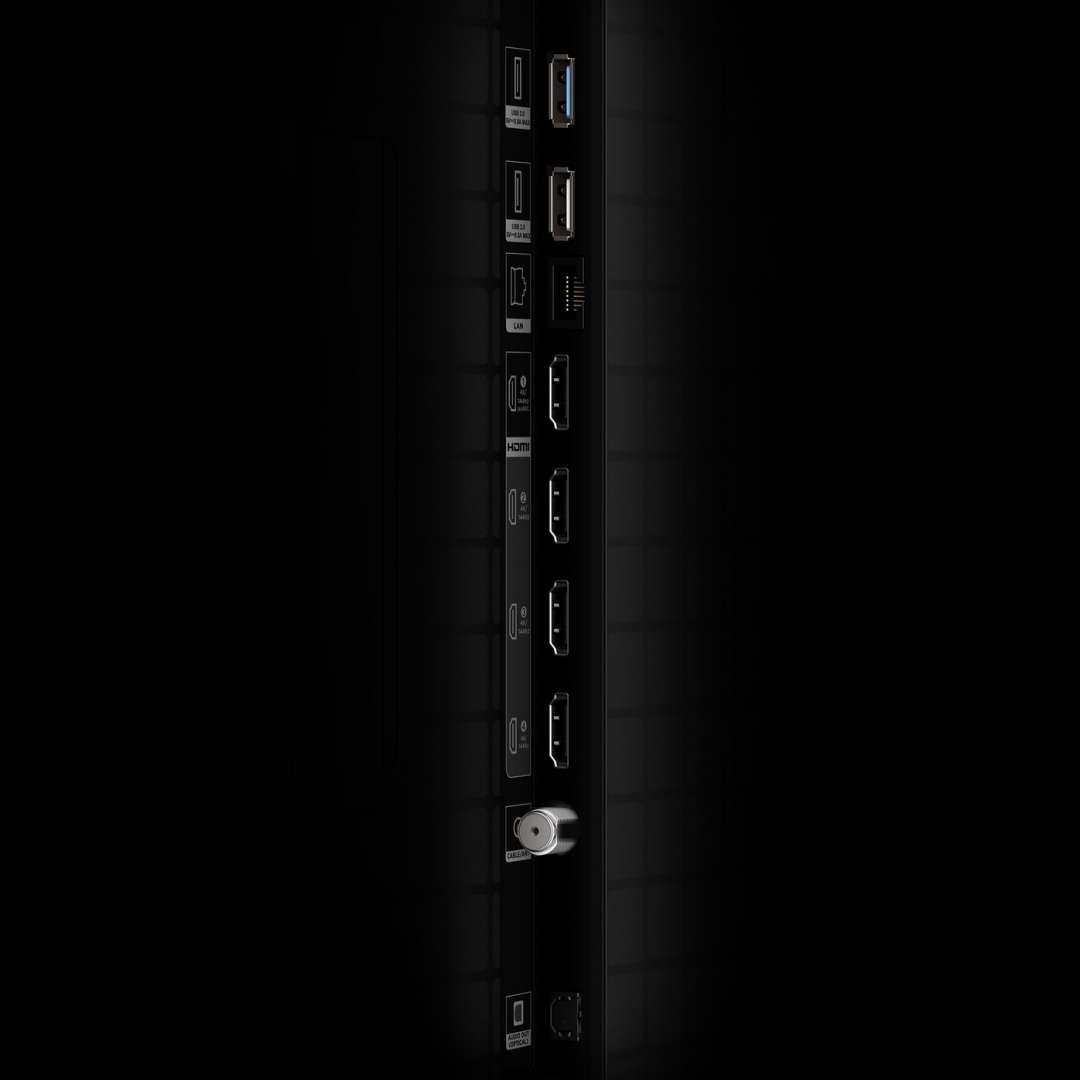
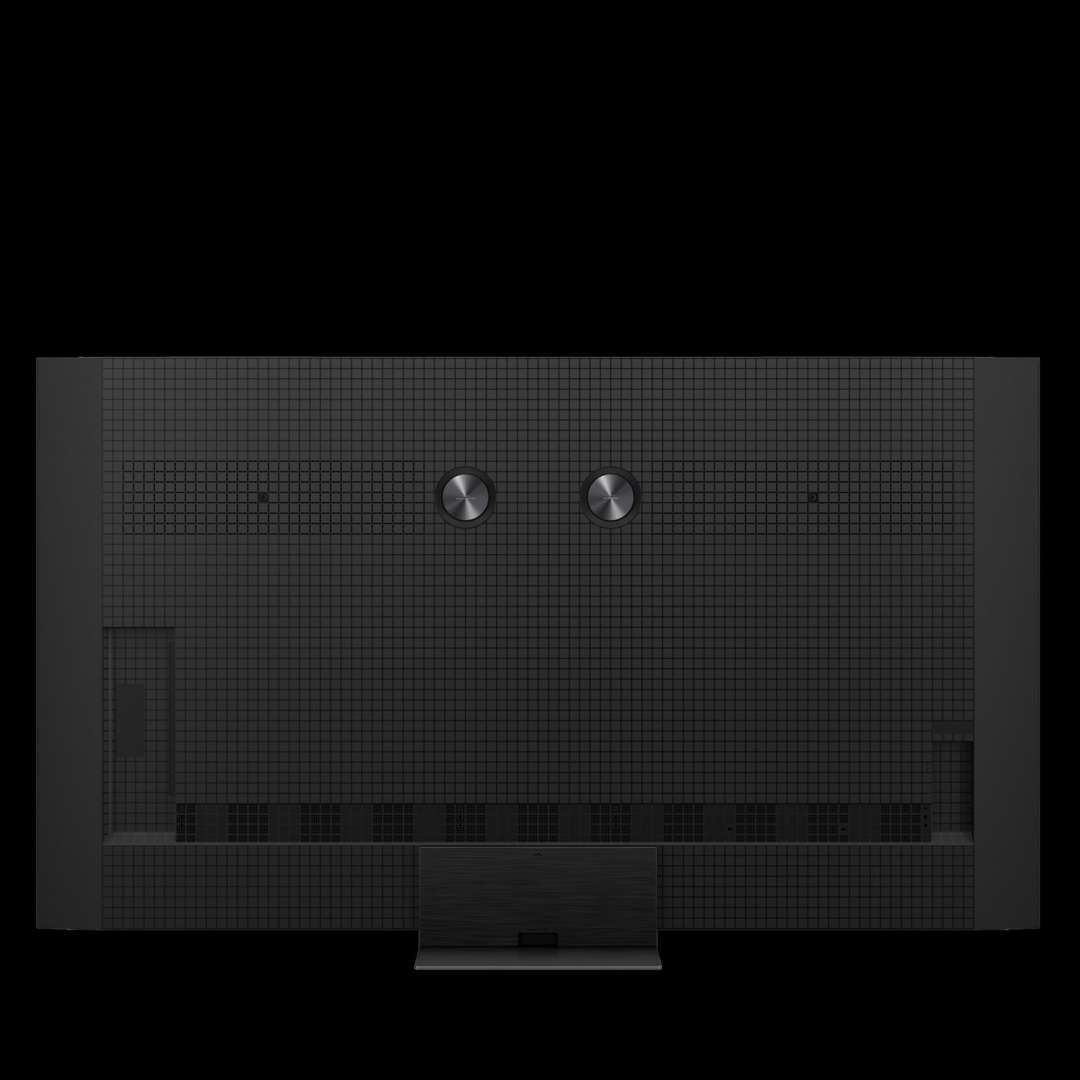
The rear panel carries the connections for consoles, players and sound gear, laid out for a clean one-time setup. Do the cable work once, neatly, on day one. Future you, swapping a console at midnight, will be grateful.
Measure your space before ordering, the usual advice with a sharper edge here. A deal on the wrong size is still the wrong TV, and returns on a set this large are a hassle nobody needs in a holiday month.
Who should move on this price
At $997.99, the 65QM8L sits where midrange sets usually live, while carrying a flagship feature list. That mismatch between tier and price is the whole story, and it is why this cut stands out in a month full of ordinary TV discounts.
If a soundbar already lives under your current TV, keep it. The B&O tuning gives you a strong starting point either way, and plenty of rooms will find the built-in sound covers movies, sports and late-night shows without extra boxes, extra remotes or extra cables in the stand.
Two cautions, both plain. Amazon showed thin stock on this set at last check, and a 60 percent cut this deep tends to end without a warning announcement. If the size fits and the room is ready, waiting for a better number is a gamble against a shrinking shelf.
Families upgrading a decade-old set will feel the jump most. Gamers get the refresh rate, movie watchers get the dimming control and the sound, and everyone gets an interface that does not fight them.
Anyone TV shopping this month can stop scrolling. A current flagship-spec 65 inch Mini LED under $1,000, with B&O sound and a 144 Hz panel, is the deal the rest of the season gets compared against, and most of the season will lose that comparison.

