

Nine watches are sitting in a Madison Avenue flagship right now, and every dial signs a name the brand retired decades ago. LeCoultre, no Jaeger in front of it. The eighth capsule of The Collectibles is devoted to the American chapter: nine museum-grade pieces made for this market between 1933 and 1981, restored inside the Manufacture’s own restoration workshop, and put up for sale.
It’s the programme’s second presentation in New York, and the timing carries a wink: the capsule lands on the 250th anniversary of the Declaration of Independence. The nine stay on view at 701 Madison Avenue through November 20, and they’re buyable worldwide through the Maison’s own site. One example of each exists. When one sells, the capsule gets smaller.
Why the American dials dropped the Jaeger
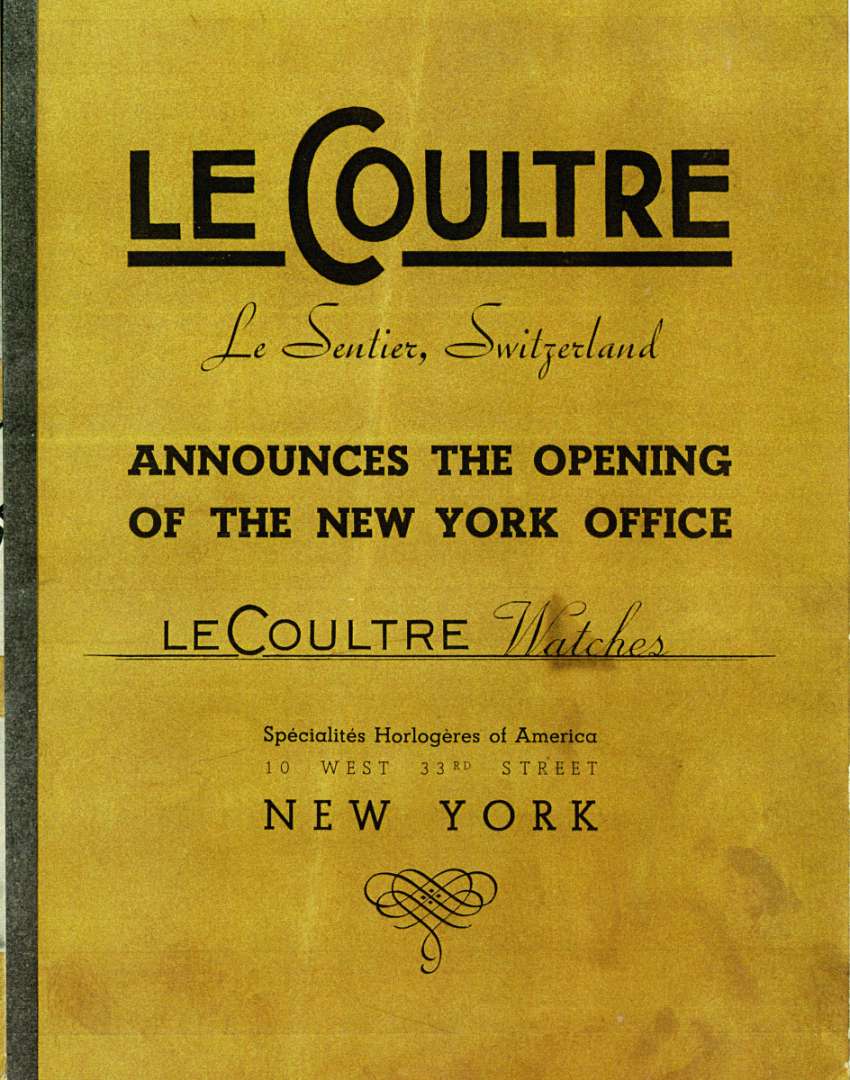
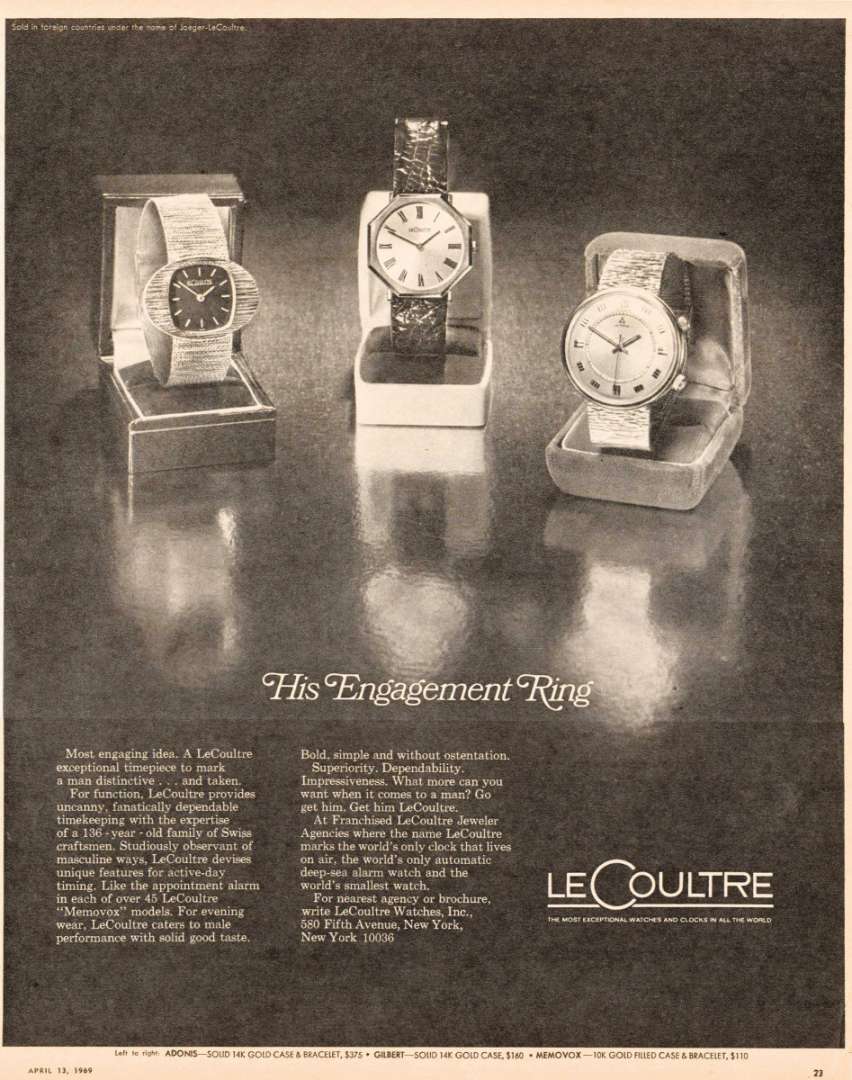
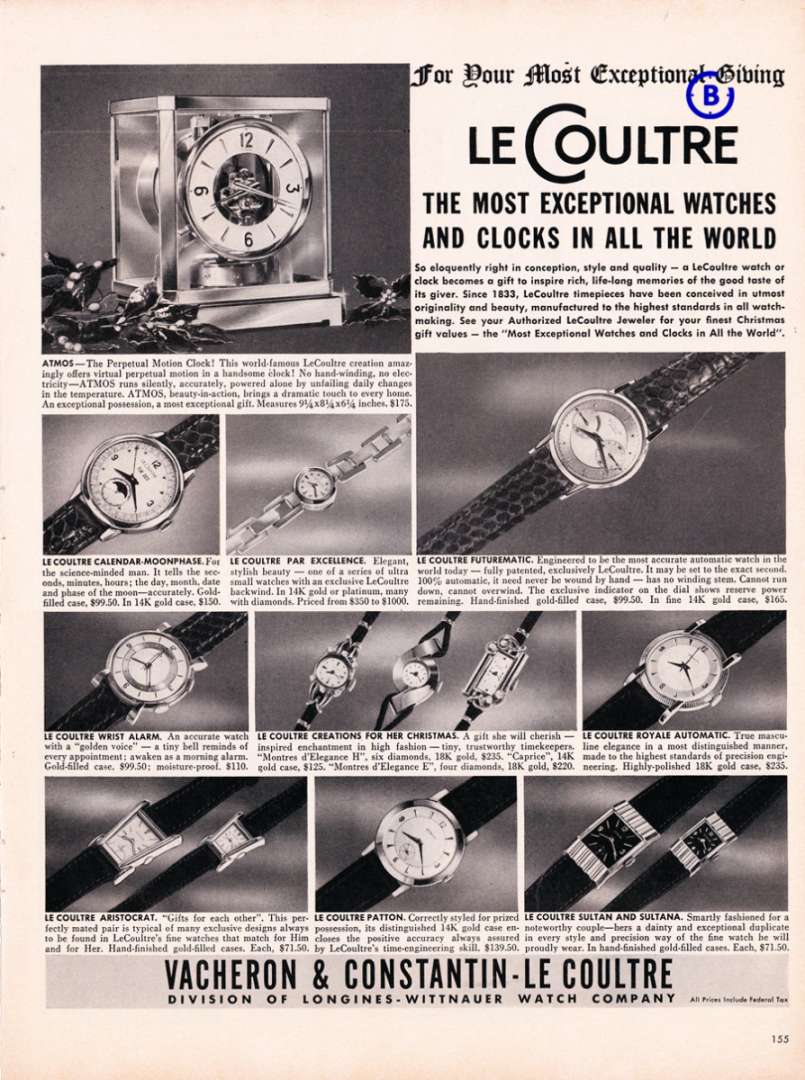
Blame a trademark. The Jaeger name was already taken in the United States, spoken for since 1926 by a New York precision instruments company, so the watches the Manufacture built for America carried the other half of the partnership. LeCoultre S.H. of America opened its New York office in 1936, and for the next four decades the shorter name stood alone on the dial.
Money shaped the rest. American import duties rose with a watch’s value and specification, so Swiss movements crossed the Atlantic together with their dials and hands, while the cases were made locally. Assembly, adjustment, and finishing happened on this side of the ocean. The tells survive in the movements: many run 17 jewels, wear the word “unadjusted,” and carry the customs code VXN.
The workaround became a design language Europe never got. American cases ran to gold fill and 14-karat gold, in proportions and geometries drawn for local taste, and the New York office fed that taste straight back to the Vallée de Joux. By the 1970s the split identity had run its course, and the last LeCoultre dials date to the end of that decade.
Nine pieces, five decades
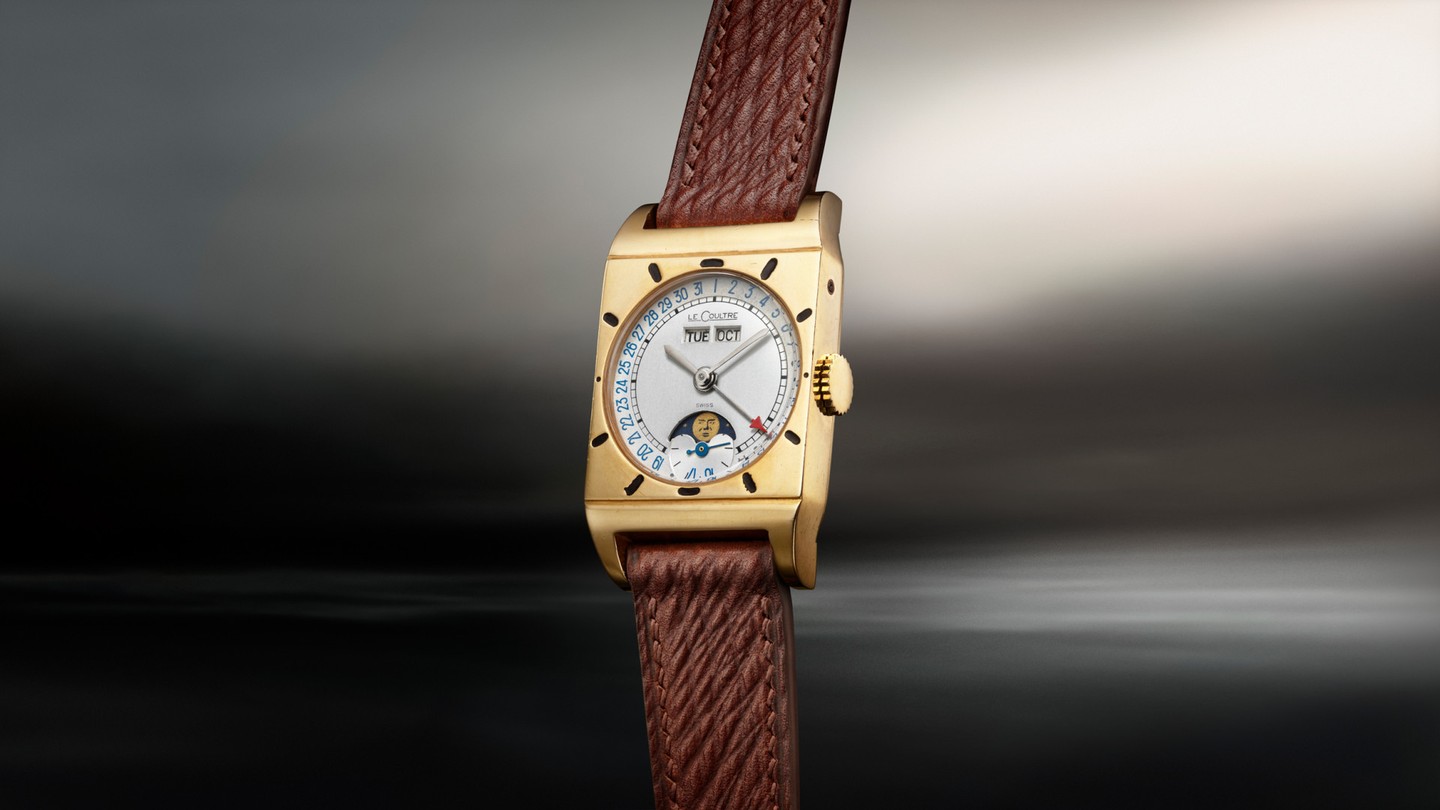
The capsule’s key piece is a Triple Calendar Reference 2726 from about 1952, the Maison’s first Triple Calendar built in a rectangular case rather than the classical round. Its hour markers aren’t on the dial at all. They’re engraved into the 18-karat yellow gold case and lacquered black, ringing bold blued date numerals, with Calibre 484 ticking underneath. The model launched in 1949, a tribute to Jacques-David LeCoultre a year after his death.
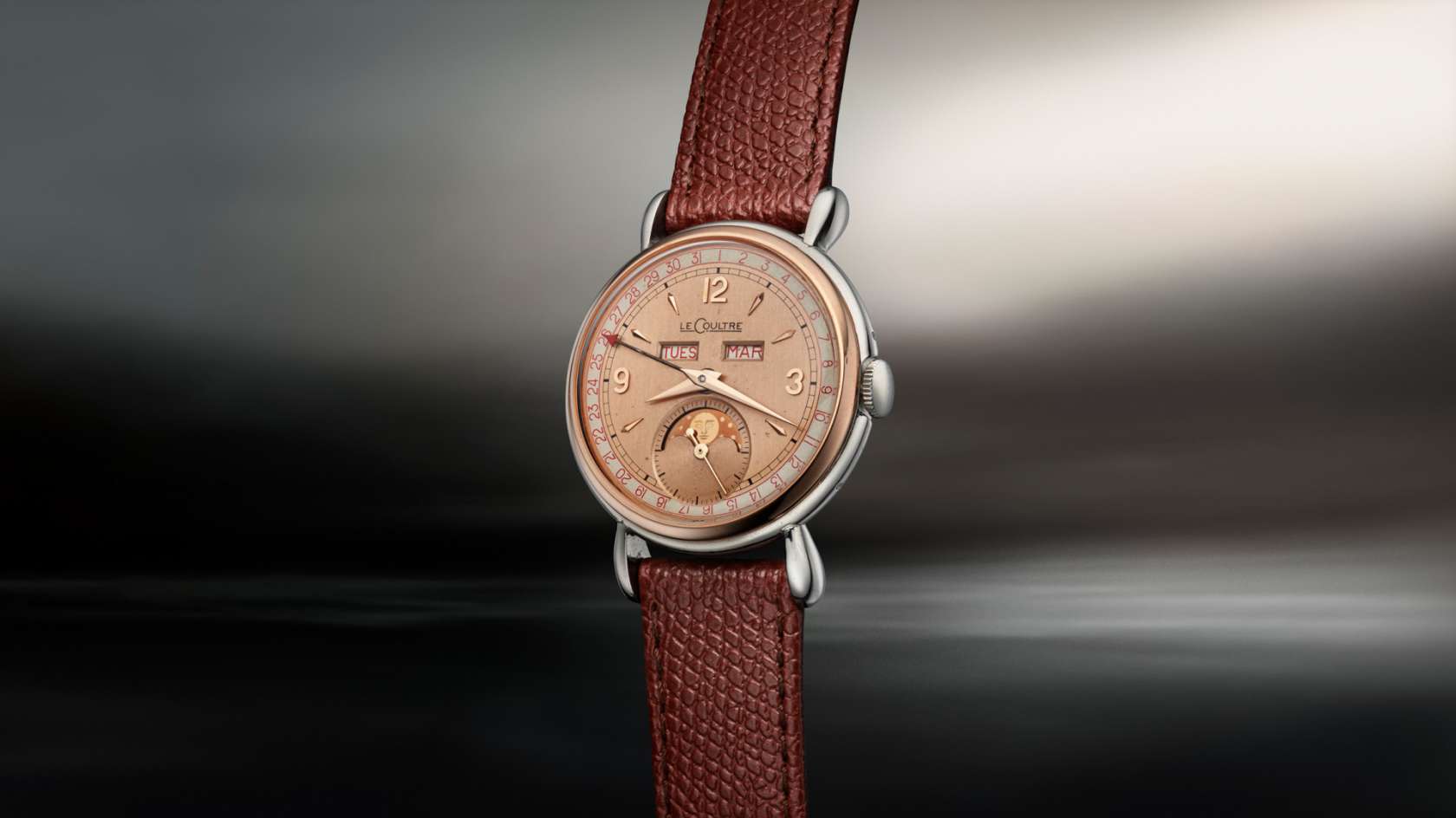
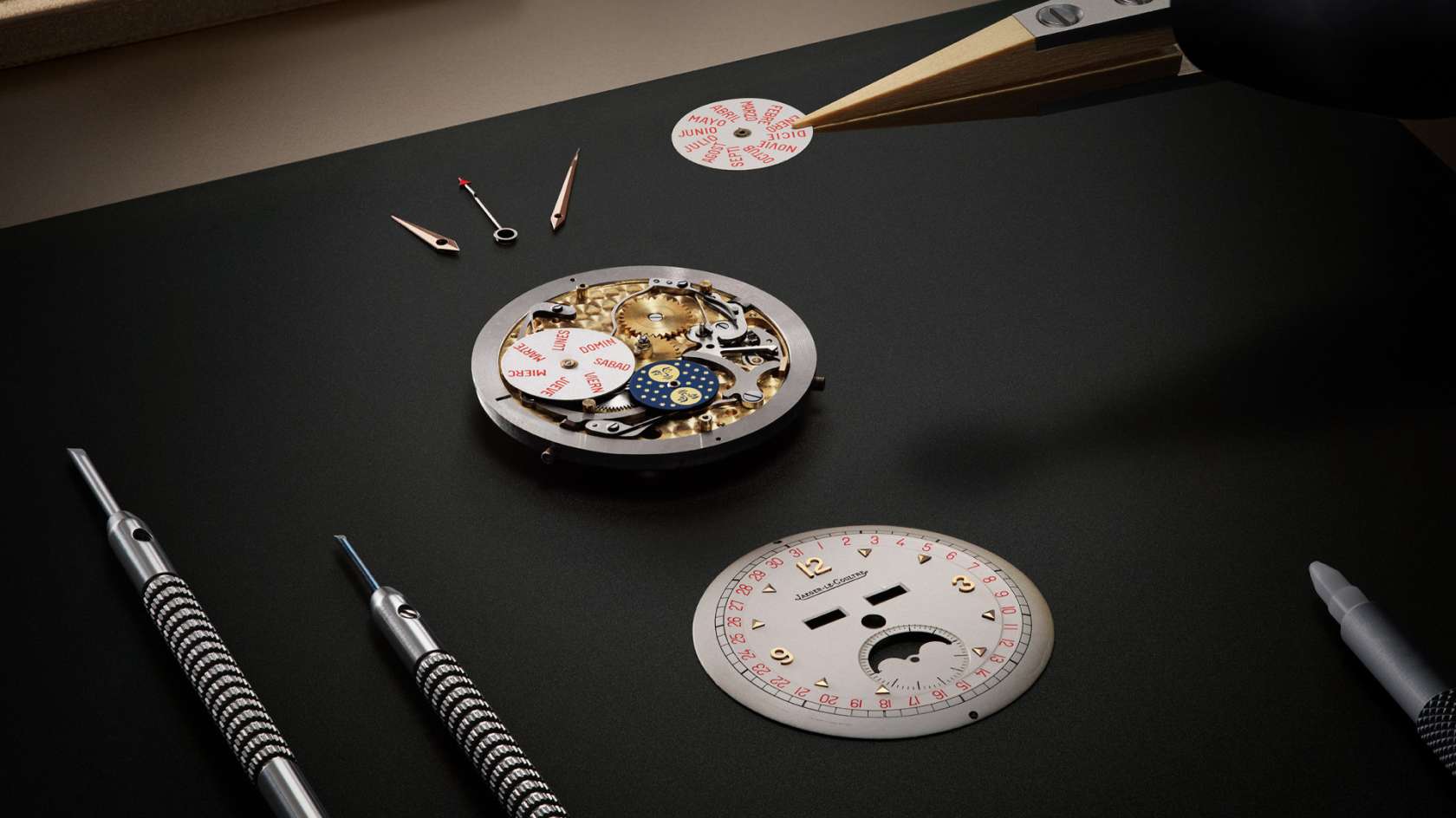
The two early pieces bracket it with style. A 1933 Reverso in early proportions wears a chocolate-brown dial that was a special-request colour in its day, on Calibre 410, the first in-house movement built for the Reverso, small seconds at six. A 1947 Triple Calendar pairs steel with that pink gold bezel over a copper dial, 33 mm across, its moonphase tucked inside the small-seconds counter on Calibre 494.
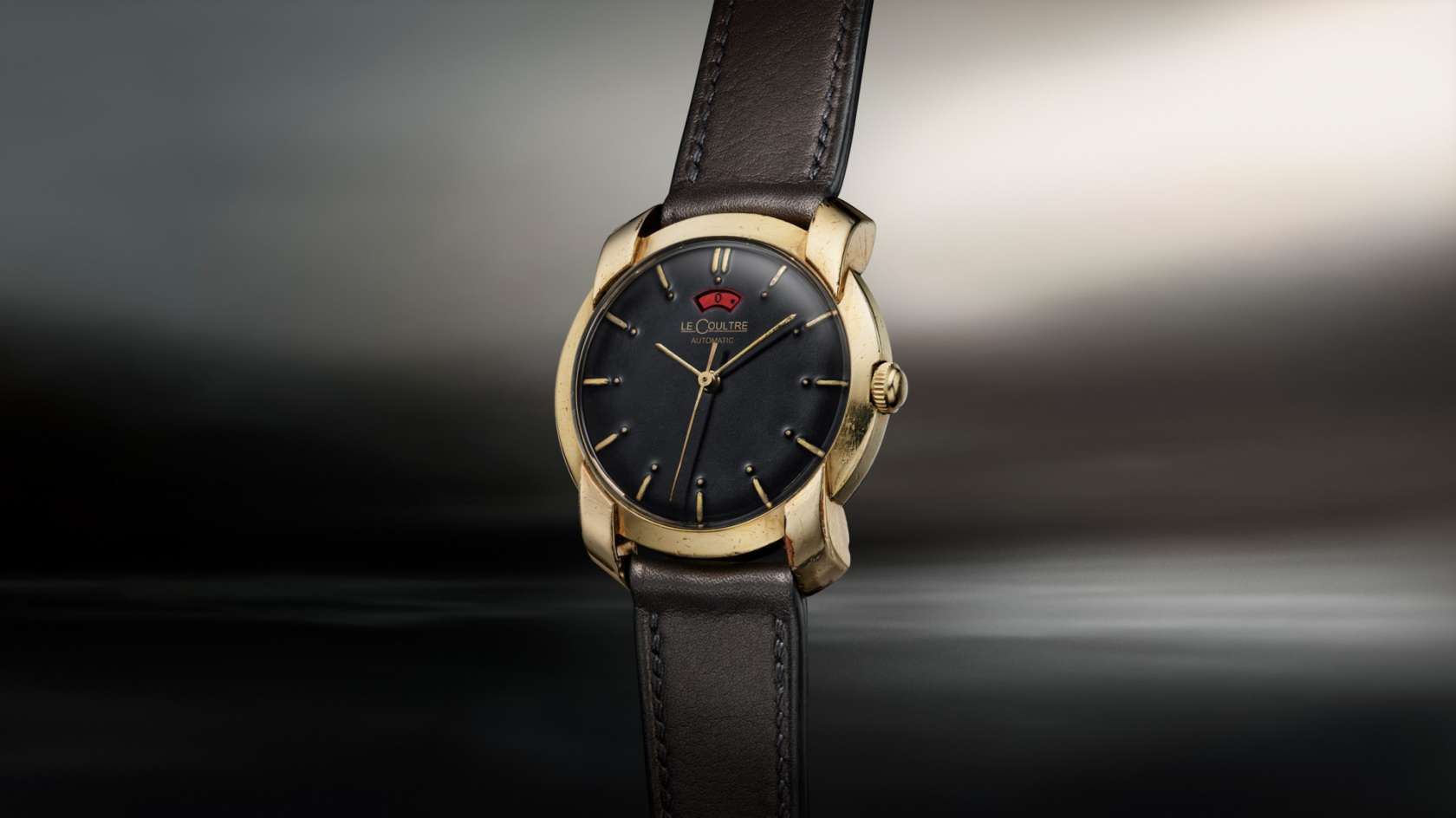
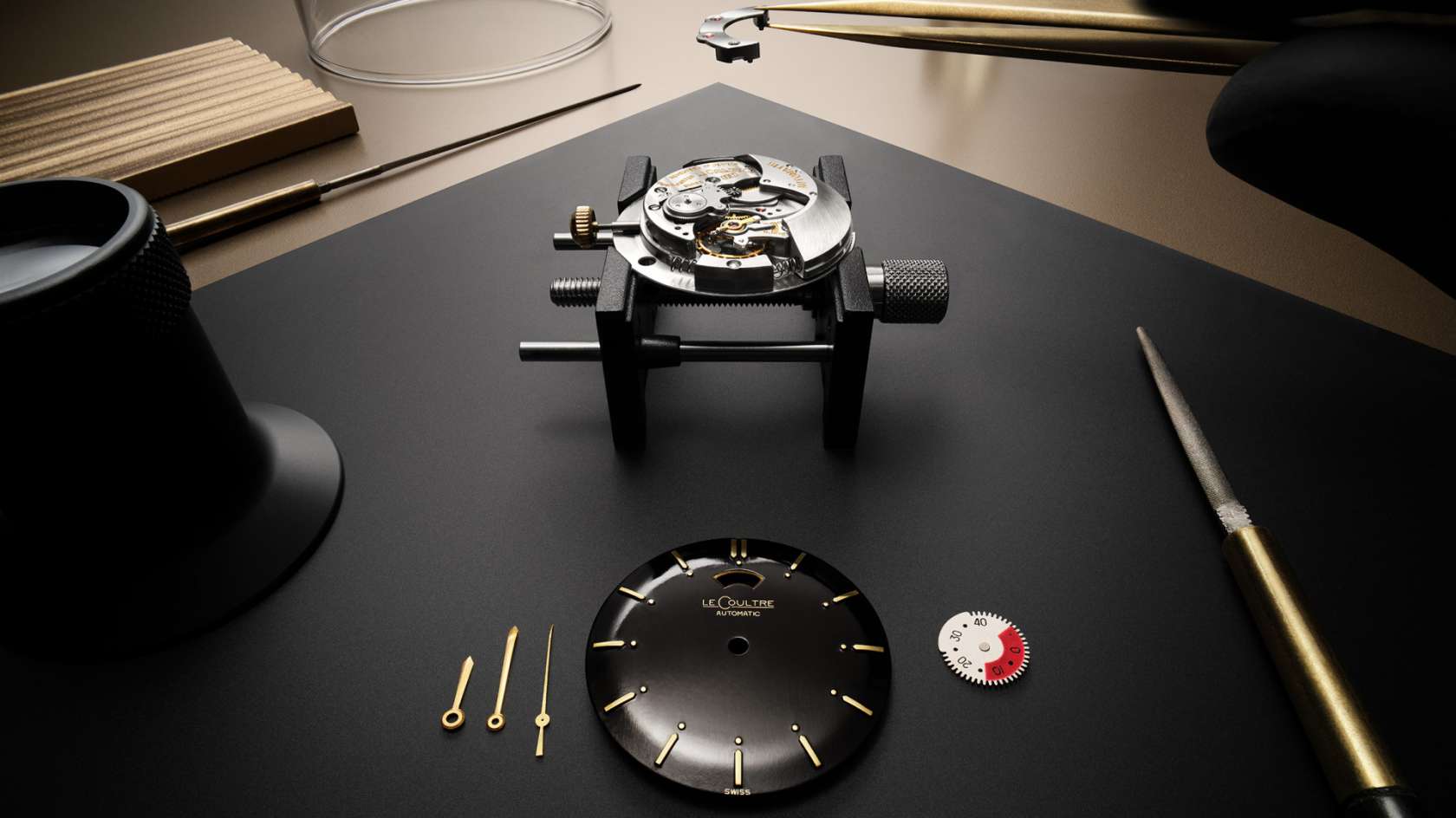
Then the automatics arrive, and with them my favorite footnote in the capsule. The Powermatic, launched in 1949 on the newly patented Calibre 481, was the first wristwatch to show its power reserve on the dial. The Nautilus variant, about 1950, wraps its lugs across the top of a gold-filled case. A 1952 example keeps the beetle lugs, black dial, and red reserve indicator. Americans called these watches Nautilus a generation before another watchmaker built an empire on the name.
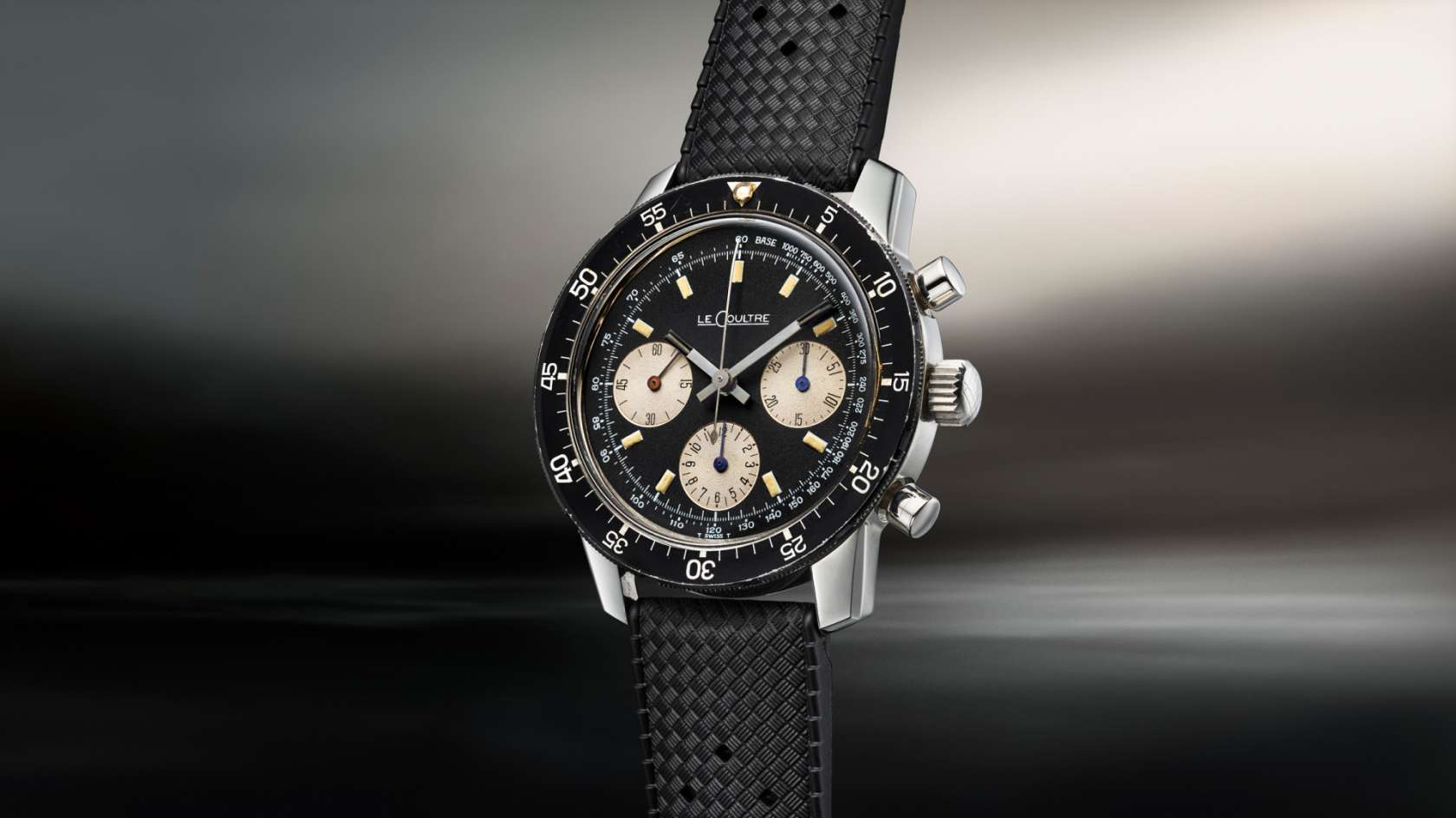
The divers close the run, and they close it hard. The 1968 Master Mariner Deep Sea ‘Barracuda’ hides its rotating bezel inside a tonneau Super Compressor case, the bezel turned by the crown, Calibre 883 handling the date. The Shark Deep Sea, about 1970, bolts a Valjoux 72 chronograph into 40 mm of steel rated to 120 metres; the line offered three interchangeable bezels, and this example wears the diving one.
The 1972 Memovox Polaris II adds the alarm, a gradient-blue dial, a sky-blue rotating bezel, and Calibre 916, the Maison’s first in-house, self-winding high-frequency movement, beating at 28,800 vibrations an hour.
And then the Coin Watch, about 1981, because every serious capsule deserves one piece of theatre. Ultra-slim Calibre 839 hides inside a hollowed-out 18-karat gold ten-dollar coin, 30 mm across and 4.3 mm thick. Press the pusher at three o’clock and the heads side flips open so you can wind it. Novelty watches are usually jokes with a battery budget. This one is a joke finished like a grande complication.
Restored by the house that built them
Every piece passes through the Manufacture’s own restoration workshop before it’s offered, one of very few vintage workshops a watch house still keeps in-house. Ten master watchmakers service each movement, rebuild worn components by hand, draw replacements from heritage stock, and protect the original patina instead of polishing the past off the watch. Each piece leaves certified museum grade.
What you receive: an extract from the archives, a copy of The Collectibles book (two and a half years of research, 44 calibres, more than 100 references, 237 dial variants), and a new handmade leather strap, unless the watch keeps an original metal bracelet. The original box, papers, and strap ride along when they survive. One drawback, stated once: prices are on request, so the comparison shopping you’d run on any other vintage buy starts with a conversation.
Two weeks in the window
The presentation runs at 701 Madison Avenue through November 20, doors open 10 to 6, Monday to Saturday, and the nine are listed for purchase on the Maison’s site from November 6, worldwide. If New York isn’t your city, the site is the showroom.
Vintage buying usually asks you to trust a chain of strangers: a dealer, an auction catalog, a story about somebody’s grandfather. Here the seller is the manufacture that made the watch the first time, with its own bench behind the restoration and its own archives behind the paperwork. Nine pieces. One of each. Two weeks in the window. If one of them is yours, you already know which.


