

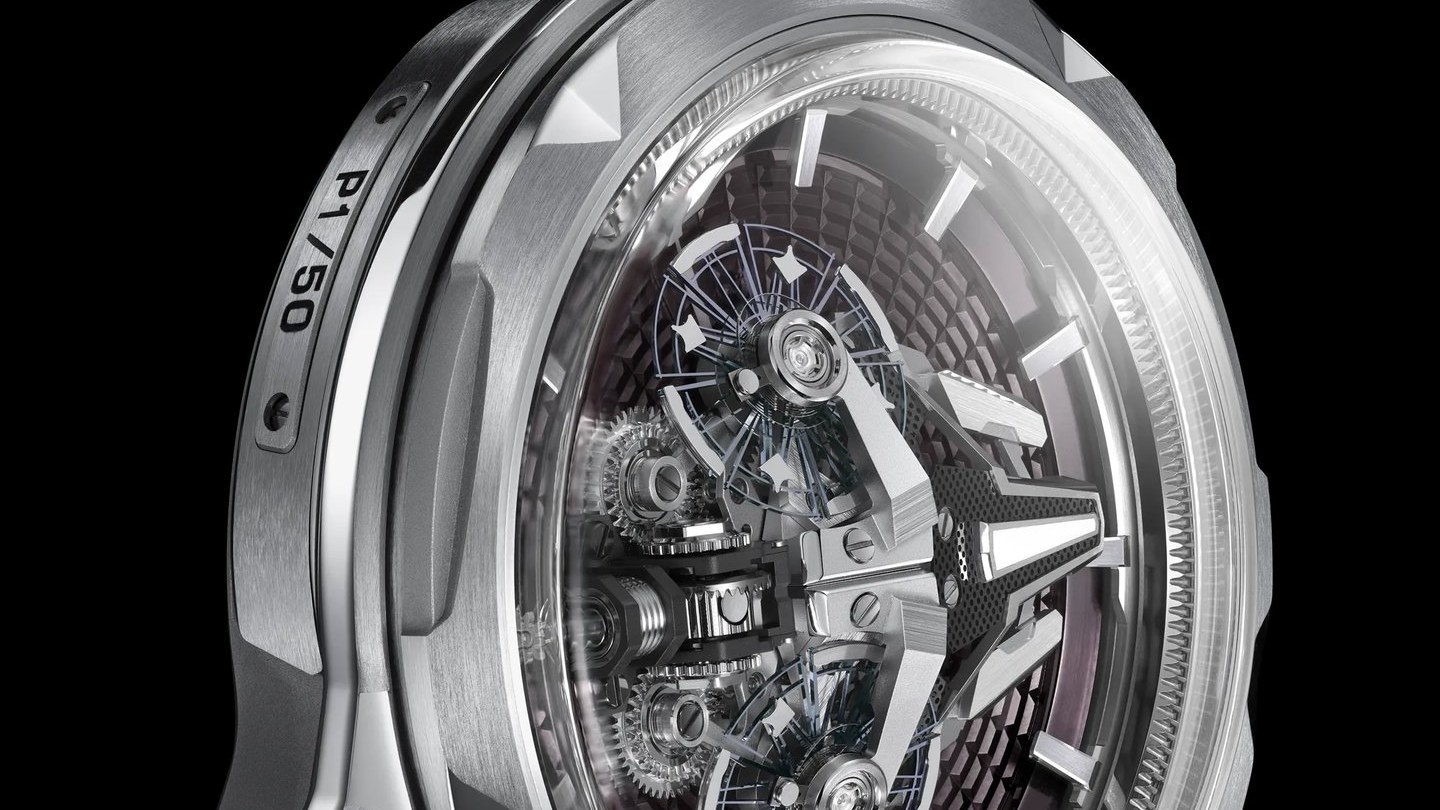
Twenty-five years in, the Freak still has no dial, no hands and no crown, and the last titanium Freak [S] to carry enamel leans into all three absences at once. Its hour disc turns in purple guilloché-flinqué enamel under a flying carousel, inside a 45 mm titanium case, in a run of fifty pieces.
The Freak started in 2001 as the watch with nothing where the dial should be.
Red and turquoise enamel editions came first in this series, and purple is the closer, with the brand explicit about the ending: this is the final Freak [S] in titanium with an enamel hour disc, priced at $174,400, fifty pieces with one movement and one enameling atelier behind it, and no sequel in this case metal because the titanium chapter is the one being closed.
The formula hasn’t softened in twenty-five years. It’s sharpened.
A purple disc that turns with the movement
The hour disc isn’t a dial in any normal sense. It rotates beneath the carousel, completing one turn every twelve hours, and its pointer gives the hours while the carousel above it handles the minutes.
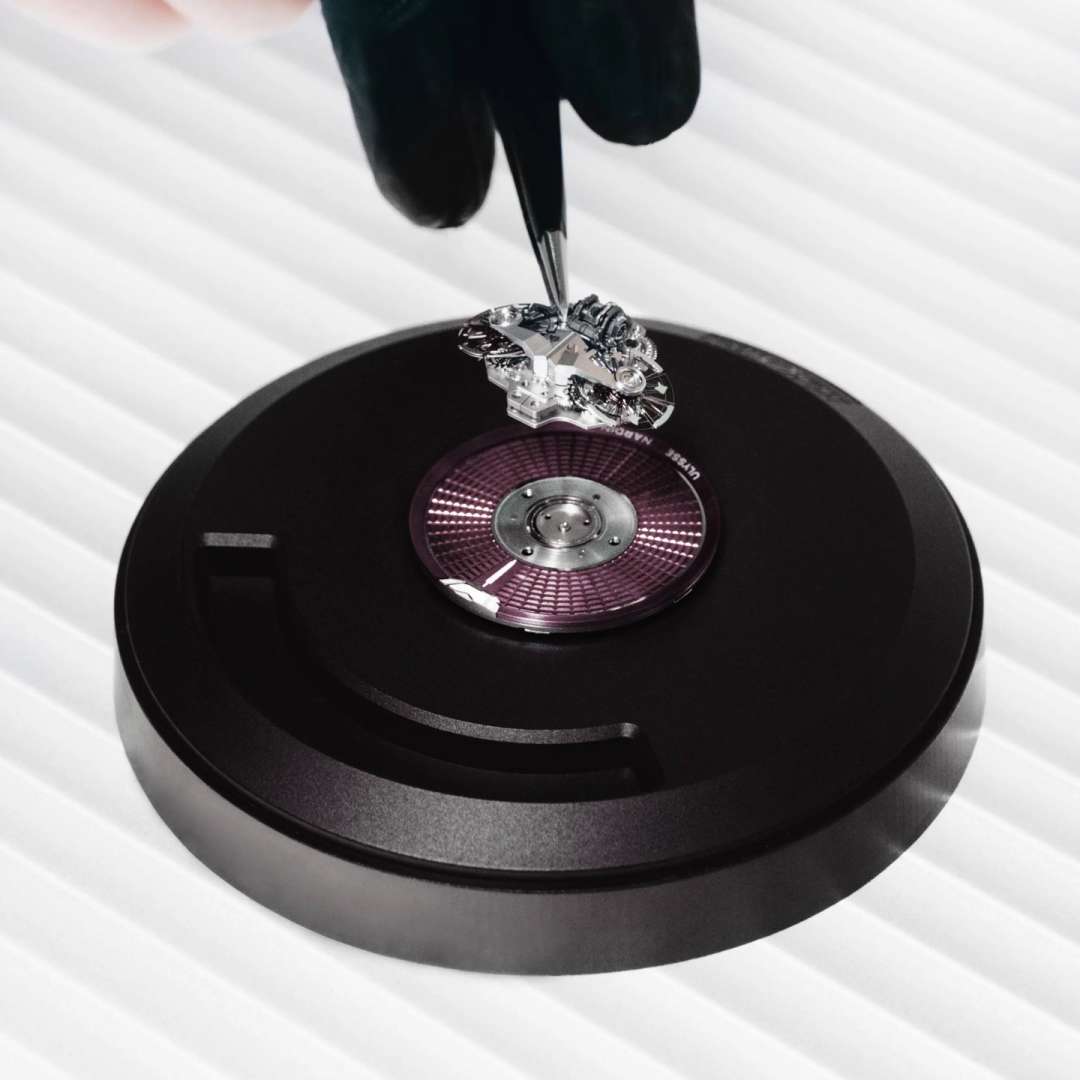
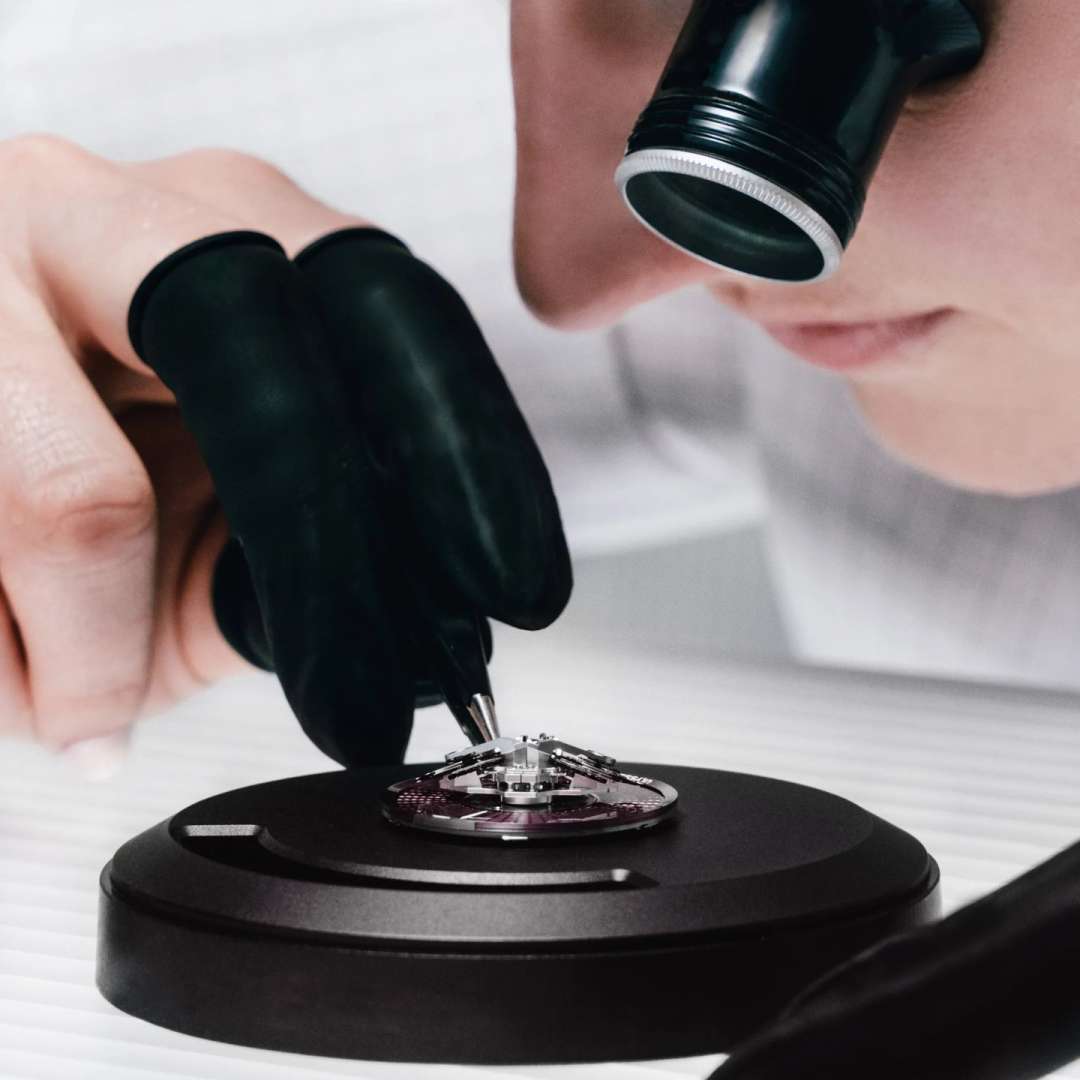
Donzé Cadrans makes the disc in Le Locle, and the atelier’s own history runs deep: founded in 1972 by master enameller Francis Donzé, working with Ulysse Nardin since the 1980s, and brought into the manufacture in 2011, it’s Switzerland’s oldest enameling workshop, its benches covering Grand Feu, Cloisonné, Champlevé and the Guilloché-Flinqué work this purple disc uses, a pattern cut into the metal before any color goes near it.
The color itself is enamel paste, water worked into pigment, brushed on and fired at around 800 degrees. Three to four layers go through the oven, each one deepening the tone, and the final surface gets an hour of polishing by hand.
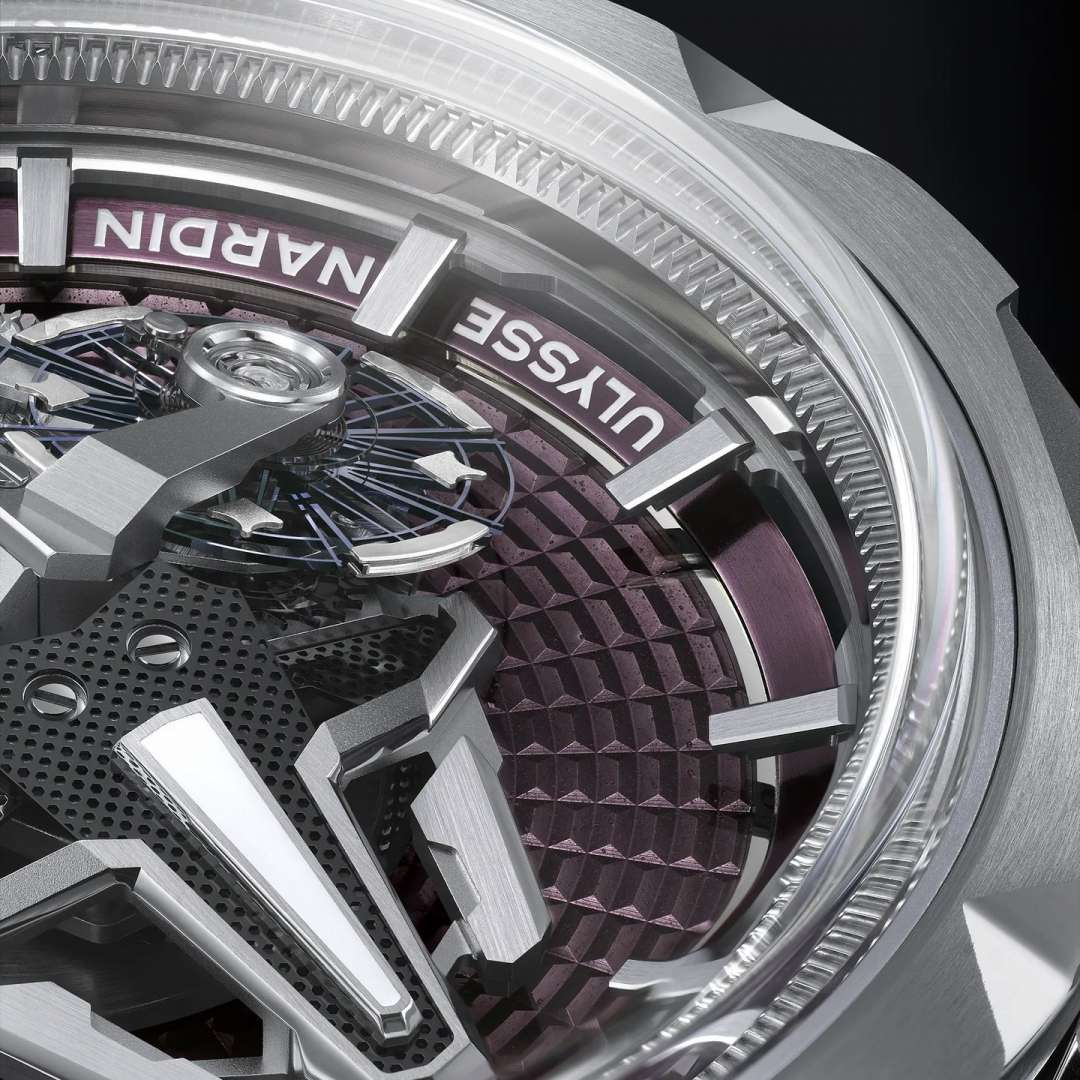
The cut pattern shows through the purple. It doesn’t sit trapped under a flat coat.
It also has to survive being a machine part, screwed down at several points and in constant motion. A static dial never works this hard.
Two oscillators inclined at twenty degrees
Calibre UN-251 carries 373 components, roughly 95 percent of them in motion at any given moment, and the whole movement is the display here, turning on its own axis once an hour. It measures 42.15 mm across and runs on 33 jewels, which tells you how much of the 45 mm case is machinery. There’s very little case here in the usual sense. It’s a frame for the calibre.
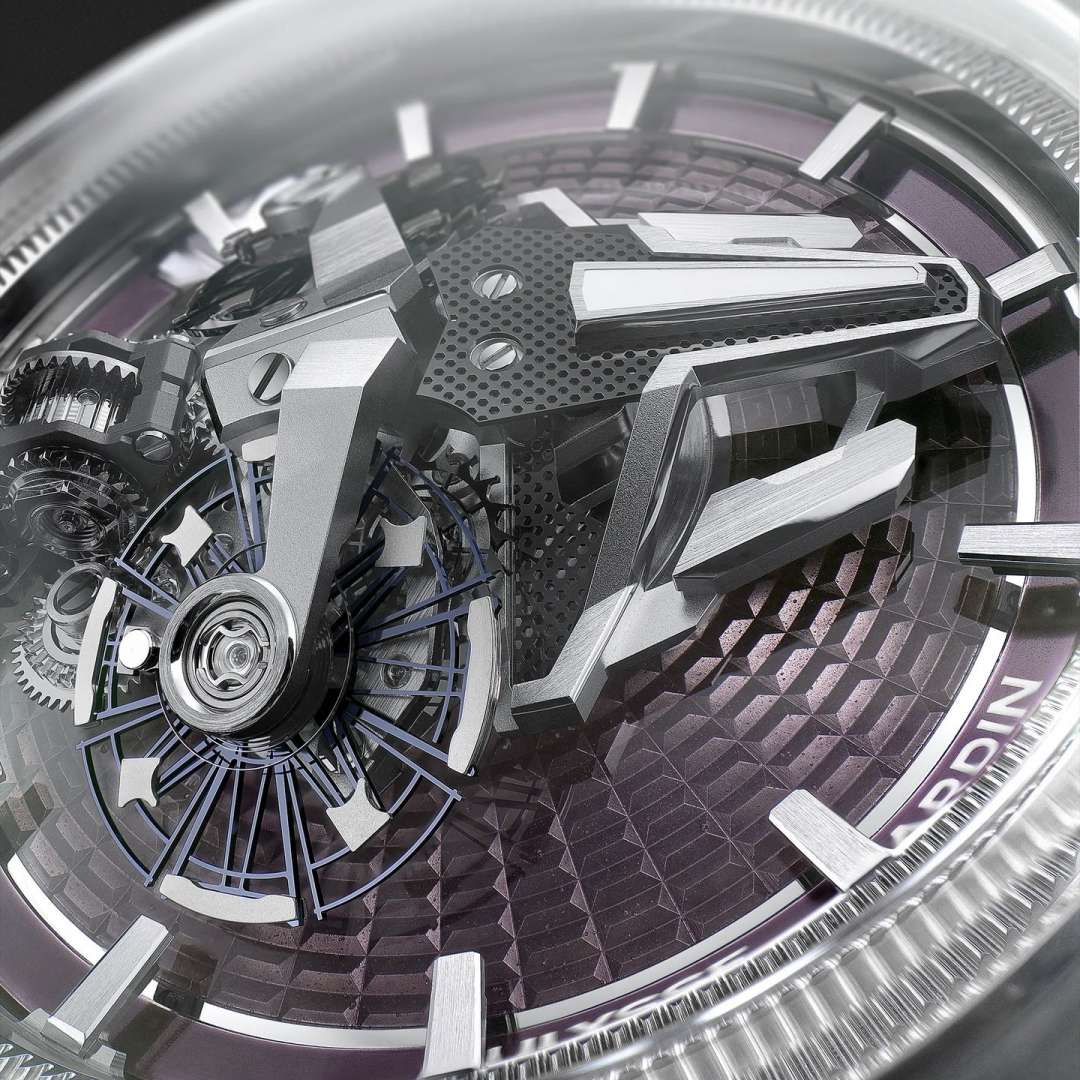
Two oversized silicon oscillators sit inclined at 20 degrees, on separate planes, linked by a vertical differential on ball bearings that averages their rates. Each one beats at 18,000 vibrations an hour, with DIAMonSIL escapements doing the releasing.
Feeding two oscillators is the hard part.
The patented Grinder winding system is the answer built for it, converting slight wrist movement into energy efficiently enough to hold a 72-hour power reserve across both regulators.
Reading time with no hands and no crown
Give it a minute and the display logic settles in. The baguette-shaped carousel points at the minutes with its tip as it rotates, and the purple disc below turns once in twelve hours for the hours.
Setting the watch takes the same sideways thinking, because there’s no crown: you unlock the safety lock at 6 o’clock and turn the bidirectional bezel instead, and winding is stranger still, since you flip the watch over and rotate the caseback counterclockwise with both thumbs, sending energy straight to the barrel through the base of the Grinder system, a routine I’d enjoy showing people exactly once before they ask to try it themselves.
Titanium at 45 millimeters and 112 grams
Titanium keeps a big watch wearable, and the numbers land well here. At 45 mm across and 16.65 mm thick, the watch weighs 112.16 grams, with sapphire crystals on both sides and water resistance rated at 30 meters.
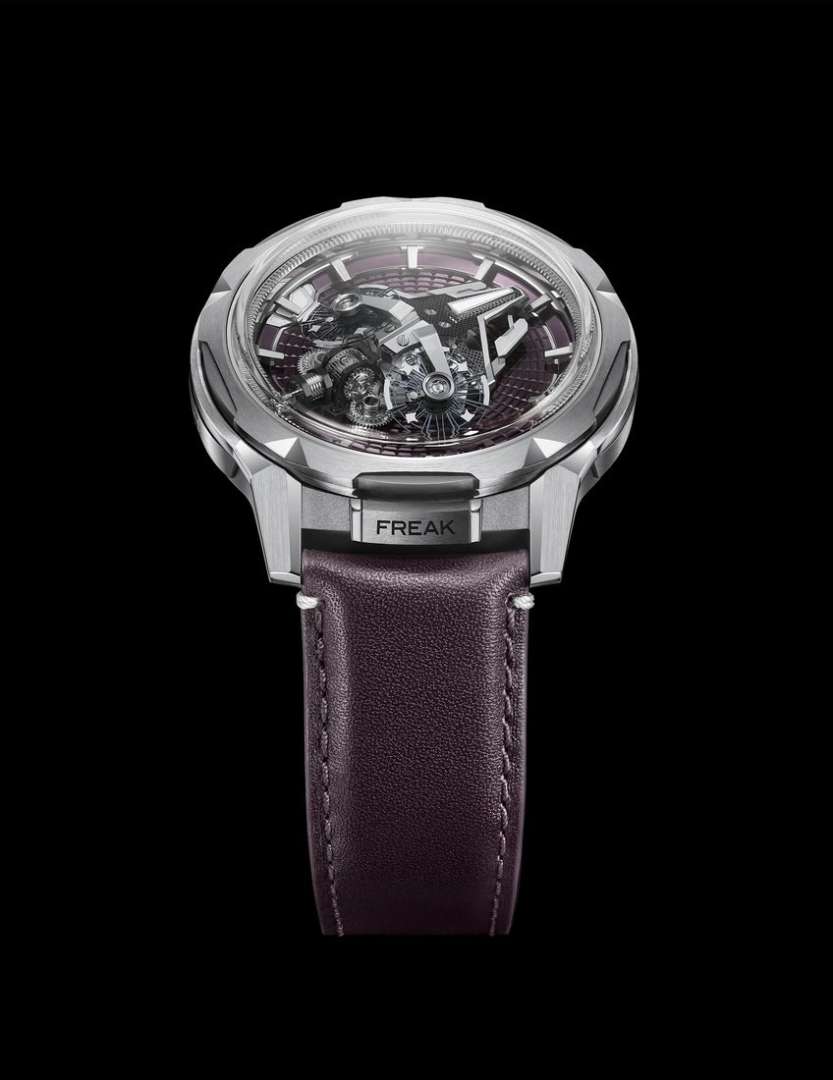
The strap is violet calf leather, matched to the disc, with pale stitching up at the lugs, and the caseband beside those lugs carries the piece number, engraved P1/50 style. On a watch this mechanical, leather is the one quiet choice in the whole design, and it works. Fifty owners will get fifty numbers, with no anonymous examples floating around later.
The limit is real, though, and I’ll state it once. Thirty meters is splash territory, and 16.65 mm of height catches on a cuff. You plan around this watch. You don’t forget you’re wearing it.
Fifty pieces close the titanium chapter
The timing is deliberate, and the calendar does the storytelling here. Ulysse Nardin marks 180 years in 2026, the Freak line turns twenty-five, and the last titanium enamel edition lands as a full stop rather than another variant in a growing list.
Reference 2513-500LE-7AE-PURP/0A, for the record. Fifty pieces at $174,400, and once they’re placed, the titanium Freak [S] enamel run is done.
What stays with me is the pairing inside that case. Silicon oscillators and a differential small enough to lose on a bench on one side, enamel fired the slow way on the other, both turning together.
Twenty-five years after the first Freak, that’s still a strange and wonderful way to tell the time.


